Story audio is generated using AI
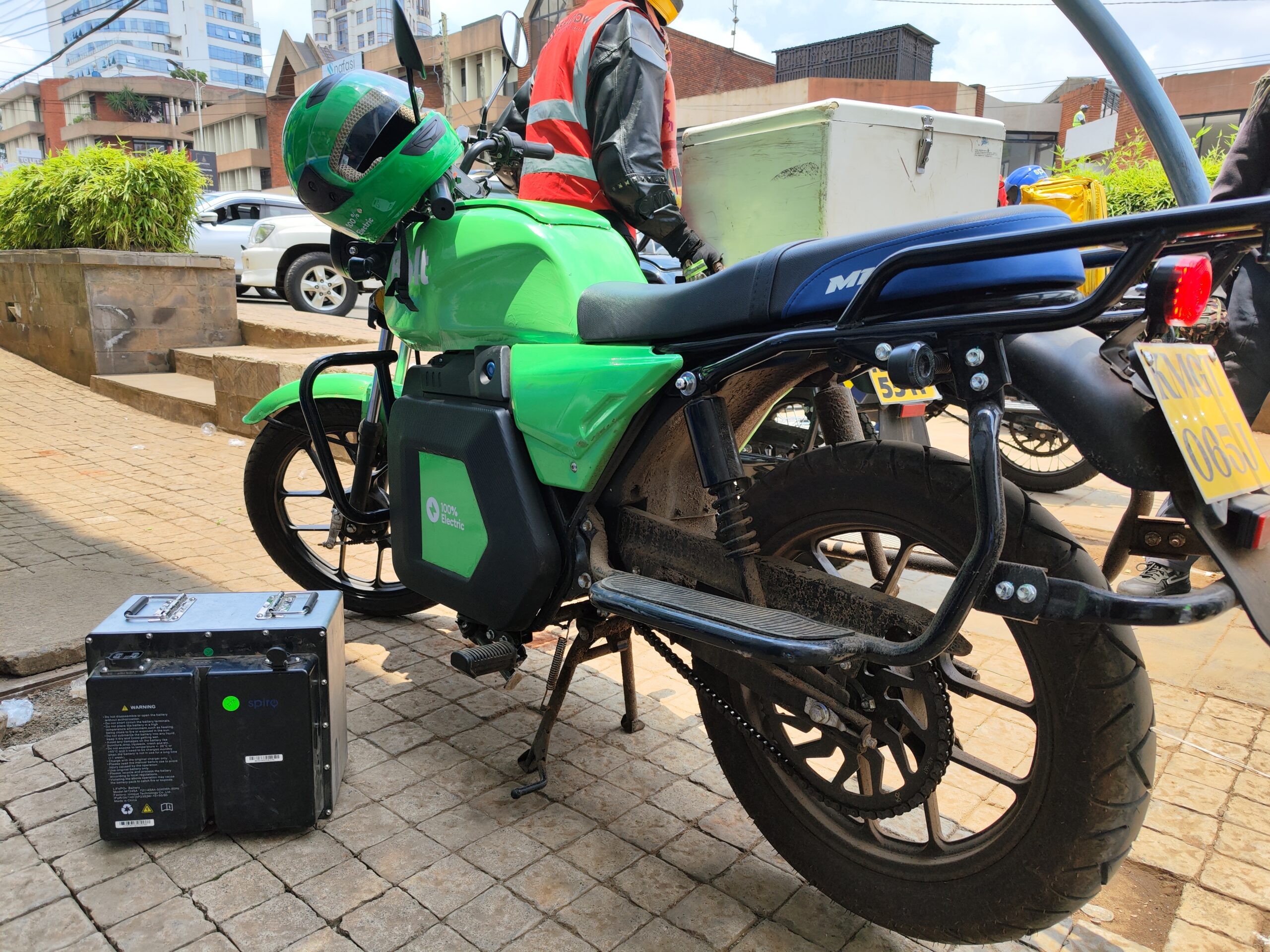
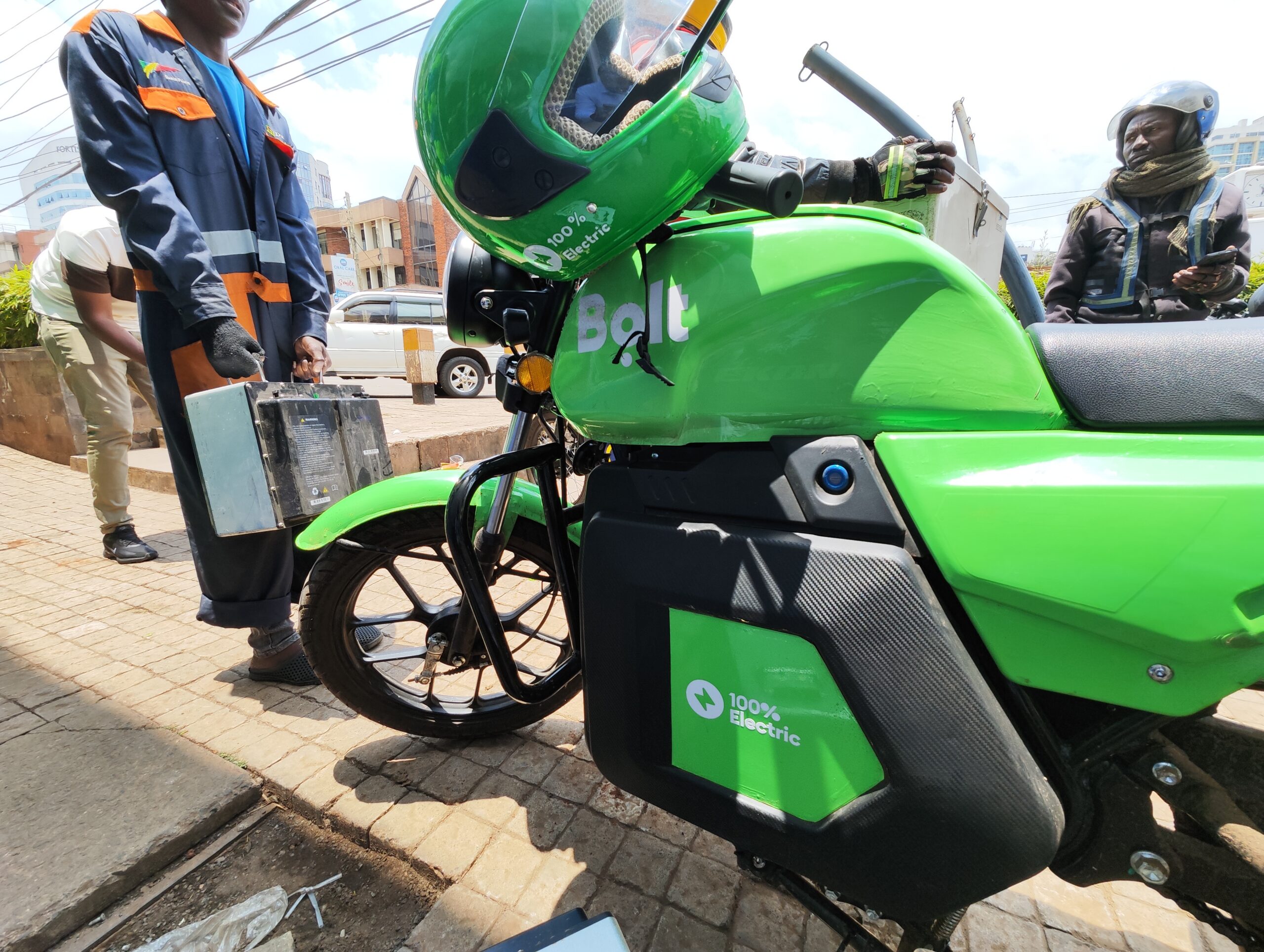
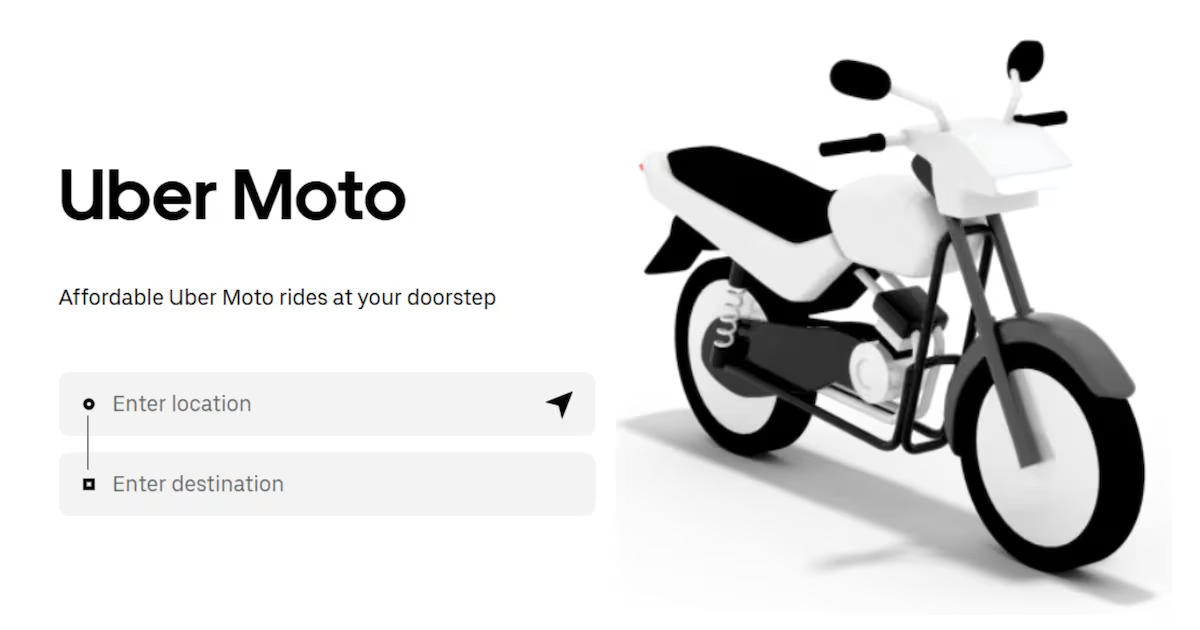
The government is in talks with investors to establish local electric delivery-bike manufacturing as it looks to build a domestic electric vehicle (EV) industry around one of South Africa’s fastest-growing transport segments.With tens of thousands of delivery motorcycles already operating on local roads and demand surging through platforms such as Uber Eats, Checkers Sixty60, Pick n Pay ASAP, Mr D and Takealot, policymakers believe electric delivery bikes could provide a practical entry point into EV manufacturing while creating jobs and reducing imports.The department of trade, industry & competition (DTIC) said it remains engaged with potential investors nearly two years after identifying the sector as a key localisation opportunity.“We are still engaging potential investors, especially in relation to electric bikes, as we try to localise an EV production ecosystem,” the department said in response to Business Times questions.The push comes as South Africa’s delivery economy undergoes rapid expansion. According to AutoTrader, there were an estimated 65,000 delivery motorcycles on South African roads by January 2026, serving a growing market for on-demand grocery, clothing, household goods and parcel deliveries.Much of that growth has been driven by major e-commerce and delivery platforms. Takealot has about 17,000 drivers across its businesses, while Shoprite’s on-demand grocery platform, Checkers Sixty60, has created more than 18,000 jobs since its launch. Its delivery bikes subsidiary, Pingo, says it works with almost 10,000 drivers.Uber, through its food and grocery platform Uber Eats, is also betting heavily on the sector. It launched Uber Moto, its motorcycle ride-hailing and delivery service, which it believes could become a major employment engine.“Uber Moto could become a core engine for transportation and e-hailing in South Africa over the next decade,” Uber’s GM for sub-Saharan Africa, Deepesh Thomas, told Business Times in March.The company estimates that further investment in the segment could create as many as 300,000 earning opportunities over the next 10 years. The company has committed R5bn to South Africa’s mobility, delivery and digital economy ecosystem. Read: GUGU LOURIE | Takeaways for Takealot from the Chinese expertsThe delivery-bike industry largely operates on a rent-to-own model, with riders paying off motorcycles in instalments before becoming owners. This has enabled thousands of people who cannot access traditional vehicle finance to enter the sector, making it a key part of South Africa’s growing last-mile delivery industry. Electric motorcycles are seen as a practical starting point because they are cheaper to produce and require less charging infrastructure than passenger EVs. Local assembly could also boost demand for batteries, components and other manufacturing activity.In 2024, the DTIC said the South African automotive master plan has primarily focused on the broader automotive industry, particularly vehicle manufacturing, including passenger vehicles, light commercial vehicles and heavy commercial vehicles. “While the growth of the bike delivery industry is noted, the master plan’s specific focus areas have not yet extensively covered this segment. “However, the over-arching objectives of fostering local manufacturing and industrial growth may provide a framework that can potentially extend to various segments of the industry, including bikes for delivery purposes, as they align with the broader goals of the automotive sector.”Competition for EV-related investments has intensified globally as countries introduce incentives aimed at attracting manufacturers and building domestic supply chains.Business Times