If South Africa is serious about building an indigenous EV industry, the effort must be treated as a long-term national project rather than a short-term political initiative, writes the author.
As electric vehicles (EVs) reshape the global automotive industry, South Africa faces a strategic question that extends far beyond transportation: can the country design, engineer, manufacture and commercialise its own electric vehicle?
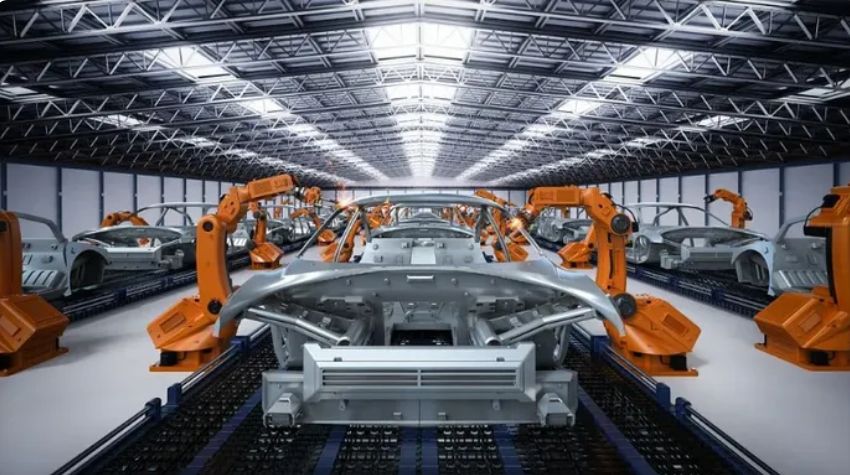
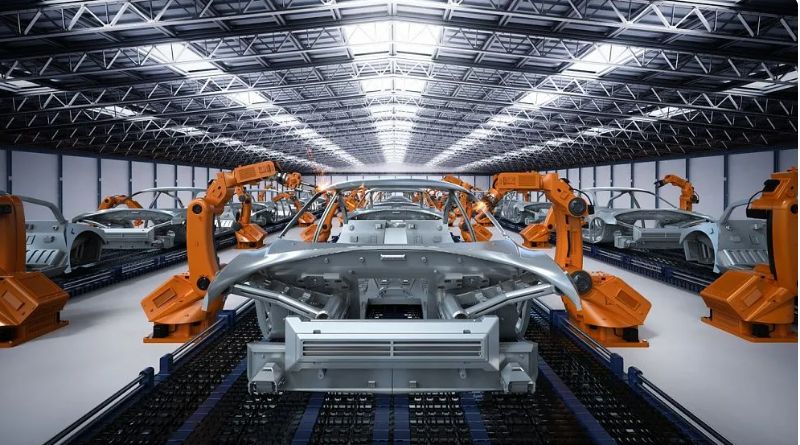
At first glance, the answer appears straightforward. South Africa already manufactures vehicles for some of the world's most respected automotive brands. It possesses a mature automotive sector, a strong engineering tradition, significant mineral resources and a well-established export infrastructure. Yet despite these advantages, South Africa has not produced a globally competitive indigenous vehicle brand in modern times, let alone an electric one.
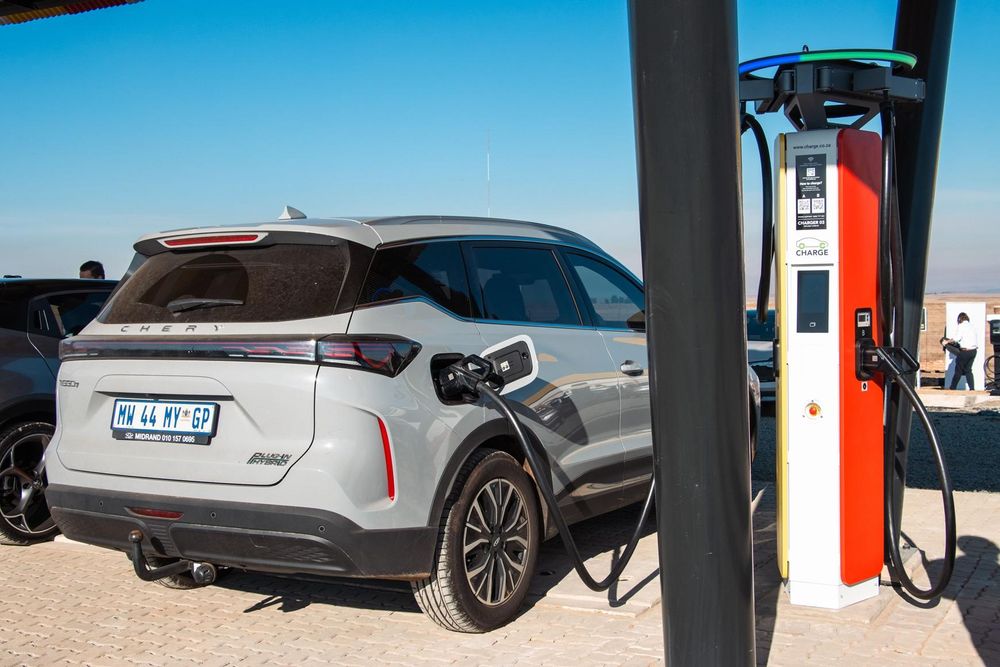
Meanwhile, Chinese manufacturers are flooding international markets with increasingly sophisticated and affordable electric vehicles. Brands that were virtually unknown outside China a decade ago now compete directly with established European, Japanese and American manufacturers. In South Africa, Chinese vehicles are rapidly gaining market share, offering consumers advanced technology at prices local manufacturers would struggle to match. A Chinese-manufactured vehicle has just won the COTY award in South Africa. Such is the dominance. The challenge, therefore, is not whether South Africa can build an electric vehicle. Technically, it can. The real challenge is whether it can build the ecosystem, supply chains, skills base, and industrial discipline necessary to sustain a competitive EV industry.