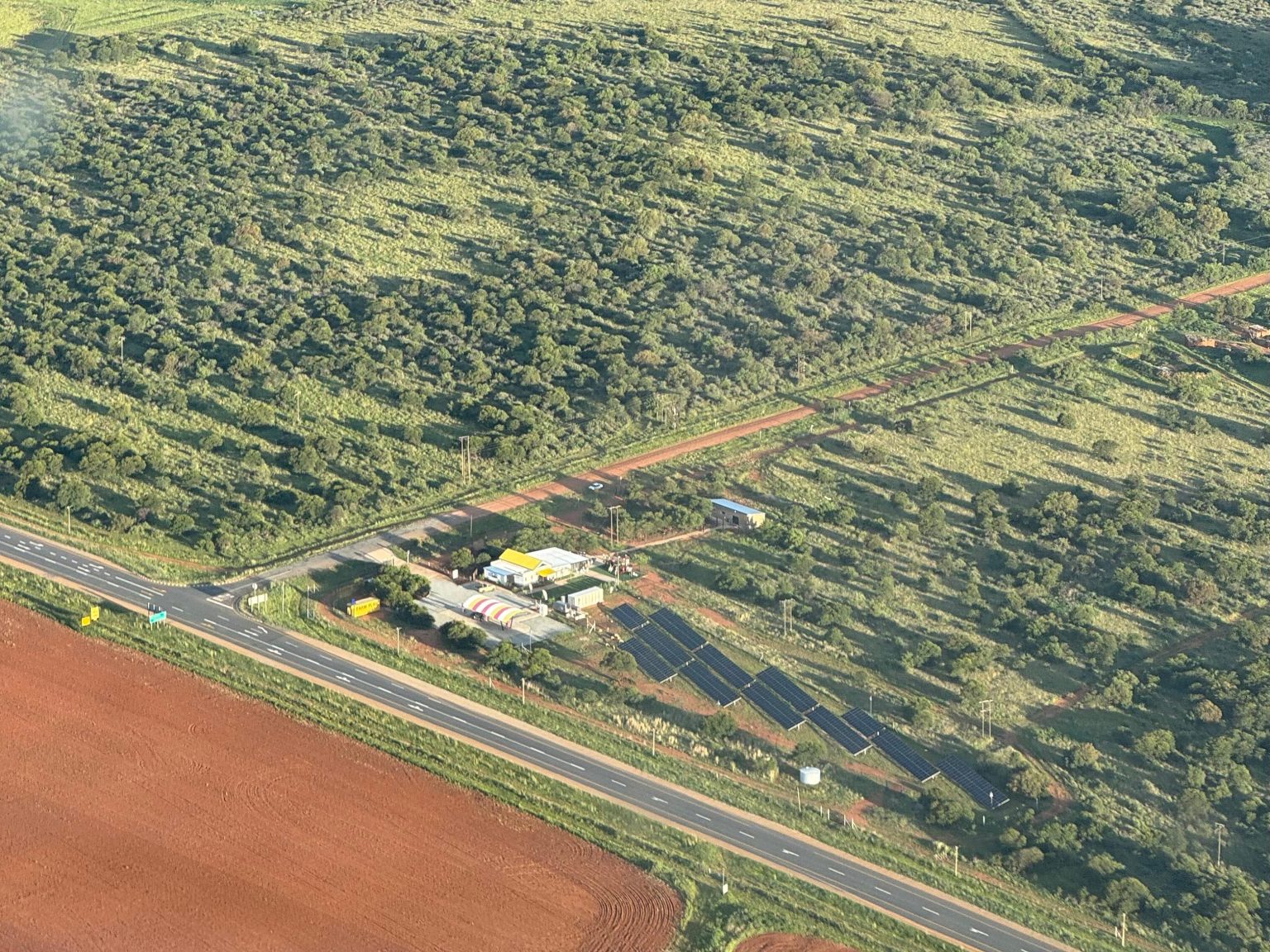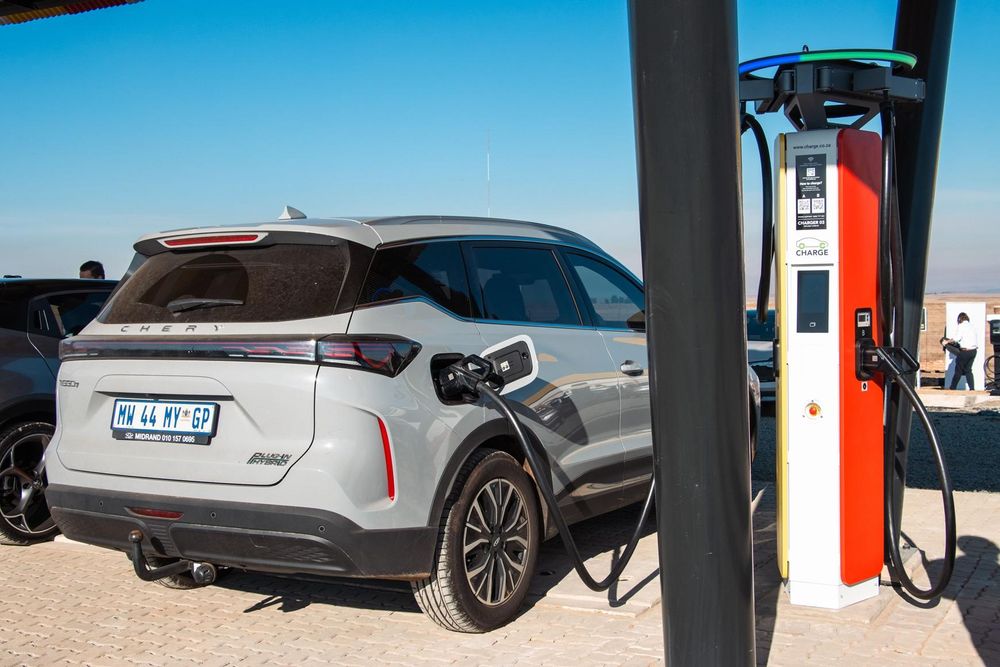
As South Africa grapples with energy challenges, innovative solutions are emerging to electrify transport without relying on the national grid.
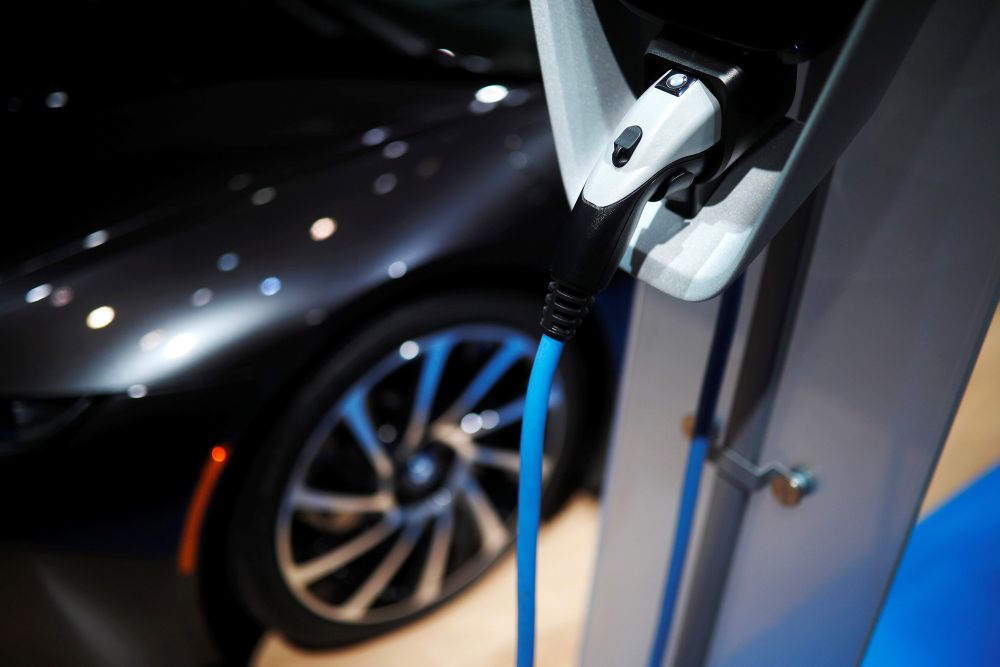
For years, one of the biggest criticisms of electric vehicles in South Africa has been simple: "How can we electrify transport when Eskom can't even keep the lights on?" It's a fair question. But it assumes the future of electric mobility depends on the national grid. Increasingly, it doesn't.
South Africa's energy transition is accelerating, but the infrastructure needed to support it is struggling to keep pace.
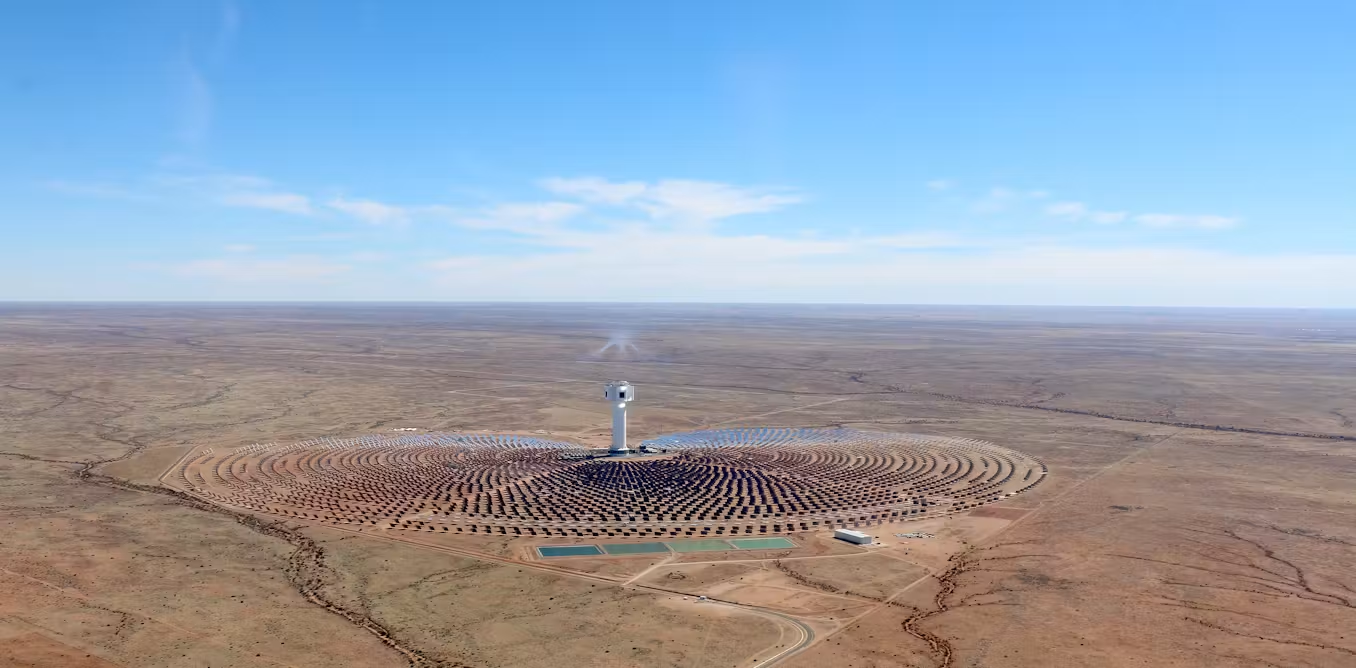
That tension, between the rapid growth of renewable energy and the grid's ability to absorb and distribute it, is becoming one of the defining infrastructure challenges facing the country. It affects everything from renewable energy projects waiting to connect to the grid to the rollout of electric mobility.
The concept at the centre of this challenge is grid inertia. Traditional coal-fired power stations run large spinning turbines. Those turbines do more than generate electricity. Their physical momentum helps stabilise the grid, absorbing sudden fluctuations in supply and demand. Wind and solar generation produce no such inertia. Their output changes with the weather, not with electricity demand.