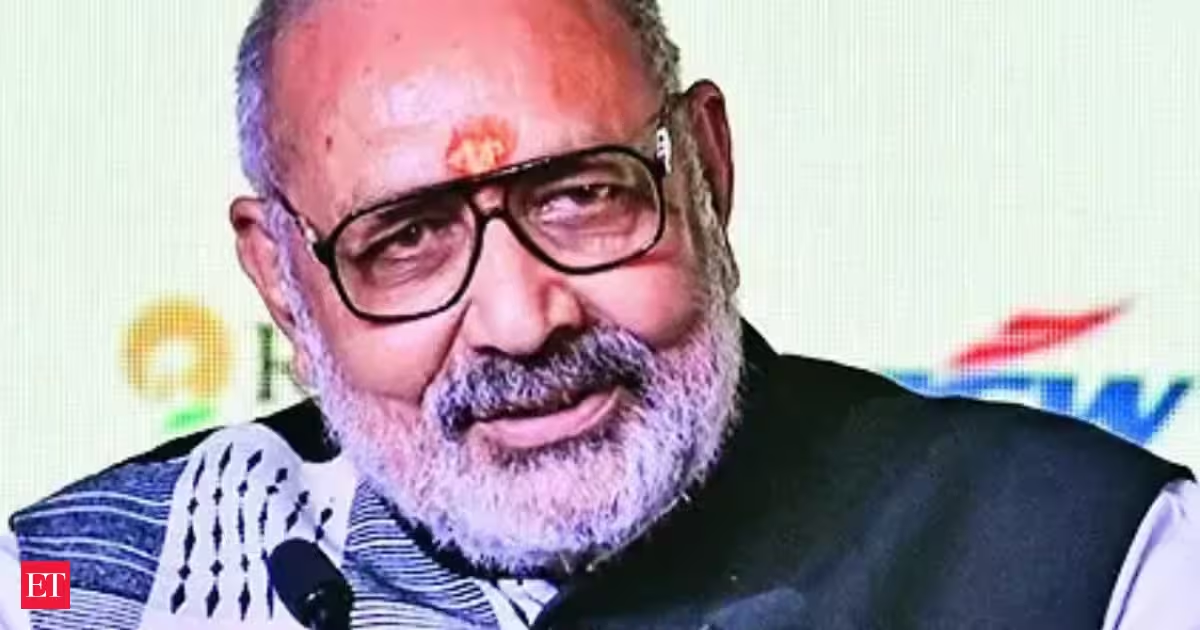
Before Colombo had a fashion week, and much before sustainable fashion became a buzzword-riddled marketing category anyone could buy into, Ajai Vir Singh often argued that a country famous for making other people’s clothes could also be trusted with its own name on the label.Through the years, Singh, who went to Sri Lanka as an expatriate in the 90s, eyed a nascent market with a relatively modest pool of contemporary designers and built a fashion week. Everything Colombo Fashion Week (CFW) has tried to become since — a South Asian design hub, a sustainability showcase, and now a BRICS-adjacent cultural platform — is built on the belief that a manufacturing economy can also be a moral axis of mindful style.
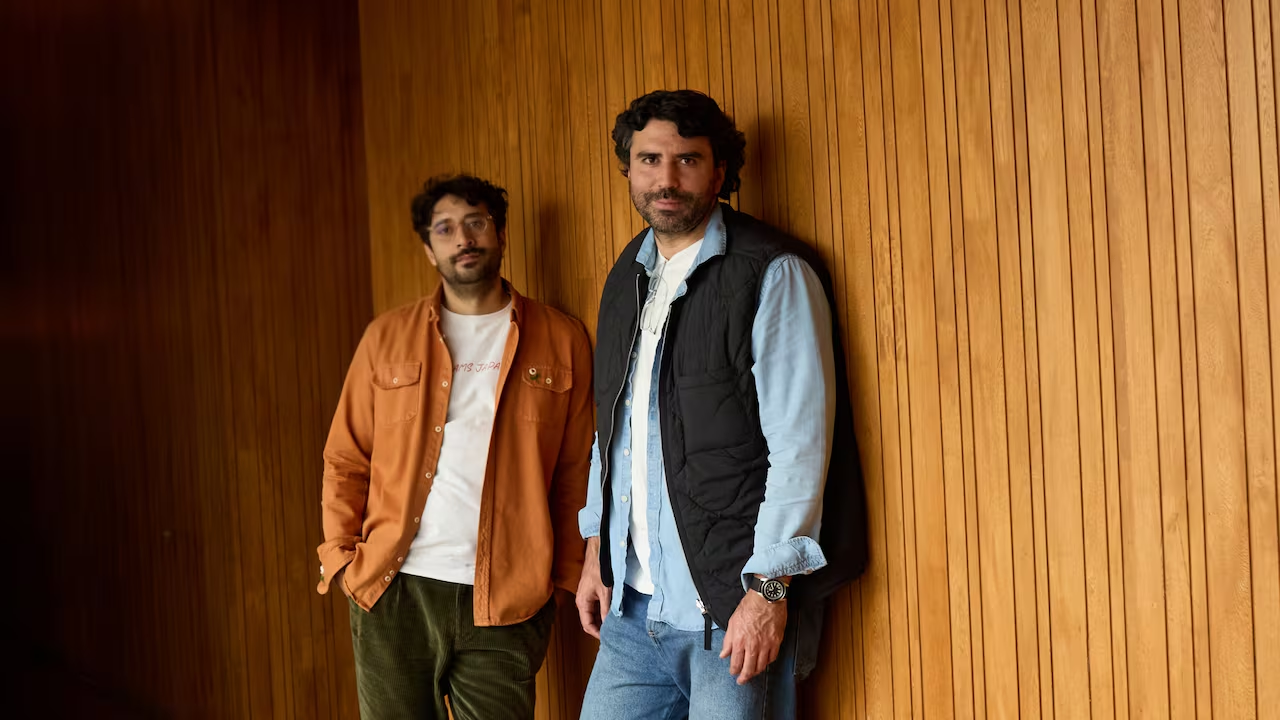
Ajai Vir Singh argued that a country famous for making other people’s clothes could also be trusted with its own name on the label.
| Photo Credit:
Special arrangement
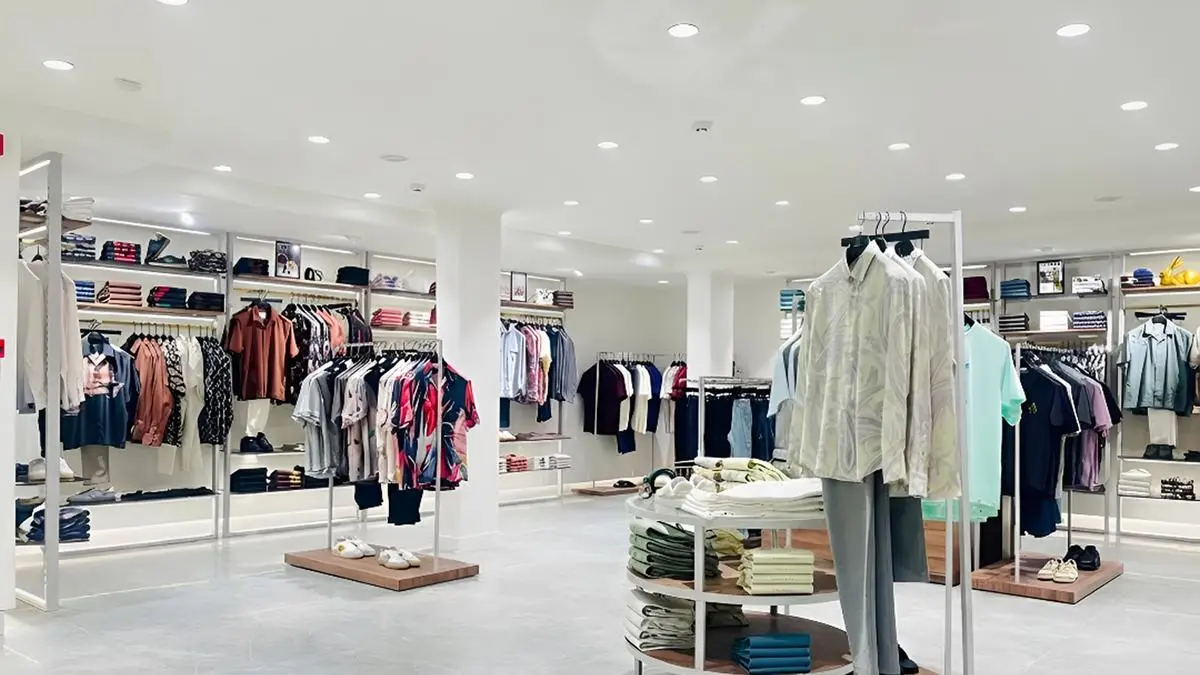
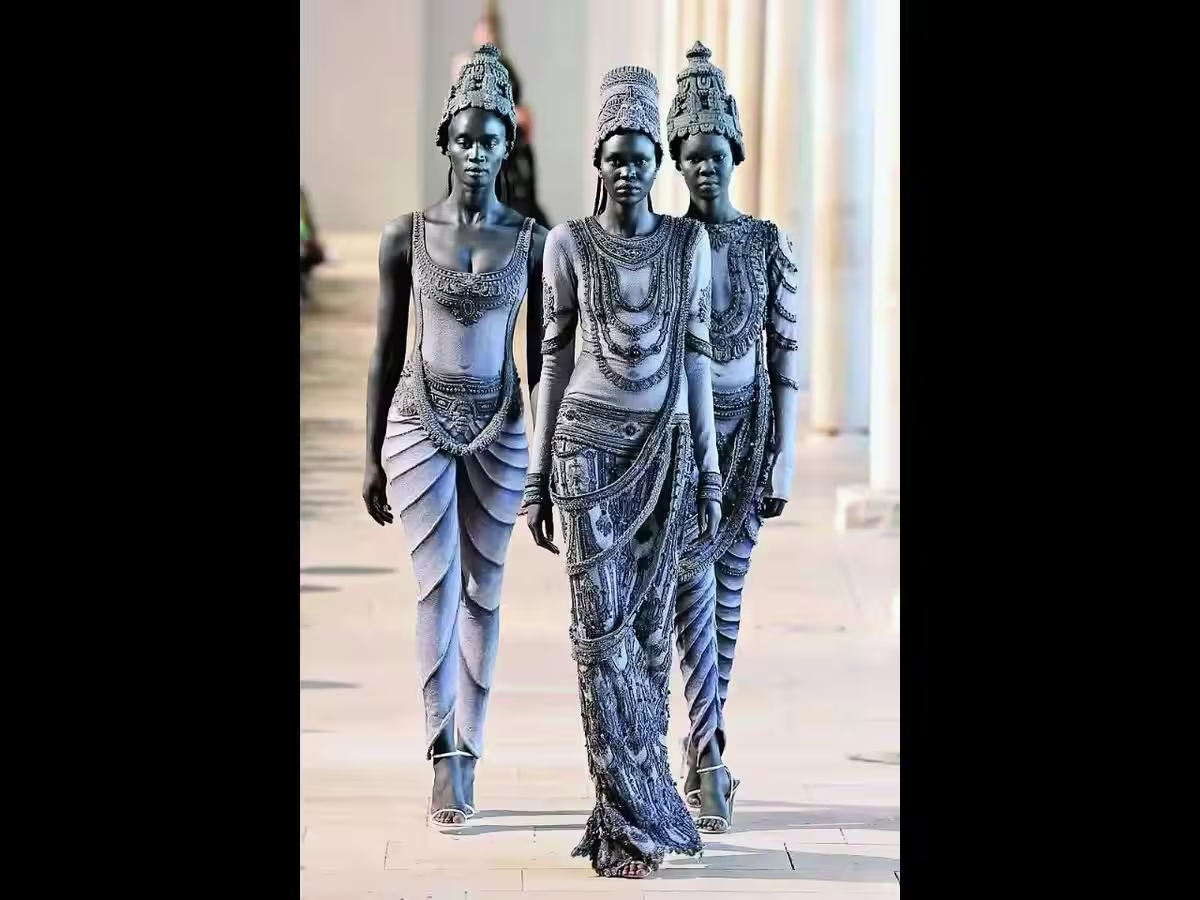
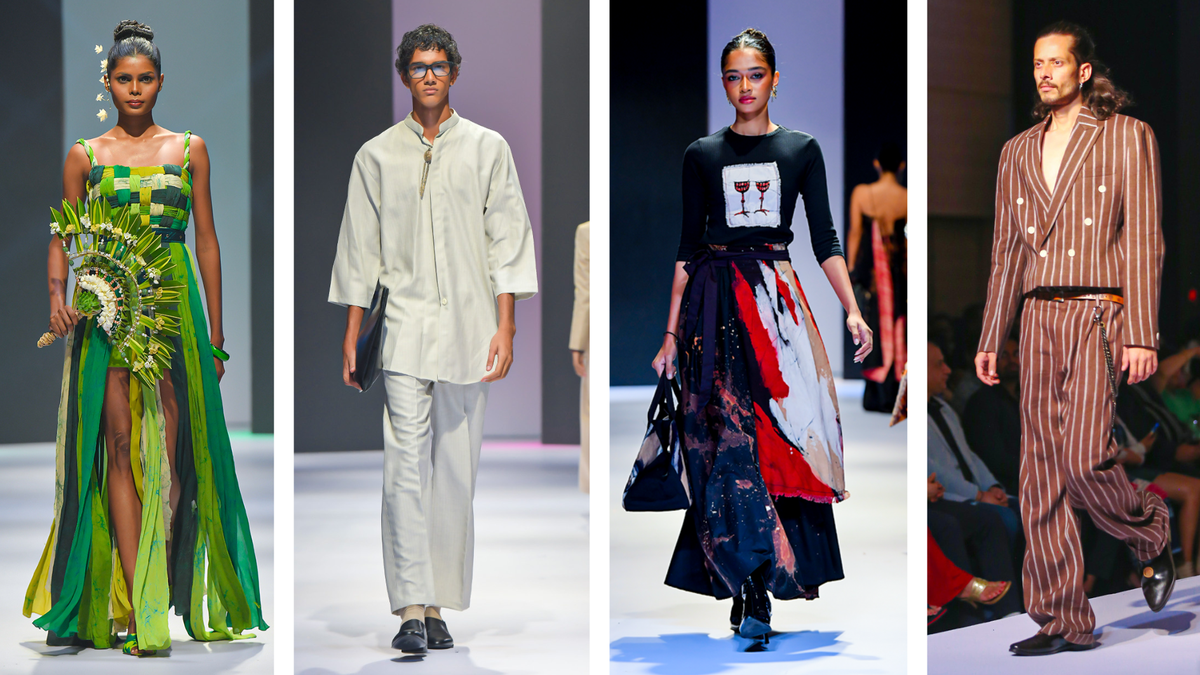
Earlier this year, as I sat through the shows at CFW’s latest edition, this future-forward ethos was apparent. But it also left me a little apprehensive about the future of such exceptional talent. Unlike India and its fashion weeks with hefty production budgets, how would they get the attention they deserve? More importantly, why were fashion insiders not talking about Sri Lanka with more fervour yet?“In Colombo, you may see a designer’s collection that was created for the ramp, and that’s likely the end of it. There’s not necessarily an extension waiting,” says Annika Fernando, who has run the cult multi-brand store Paradise Road in the island country for close to 15 years. “A designer here might make and sell just six dresses a month.” Most local designers offer one-off pieces and produce them in small runs.