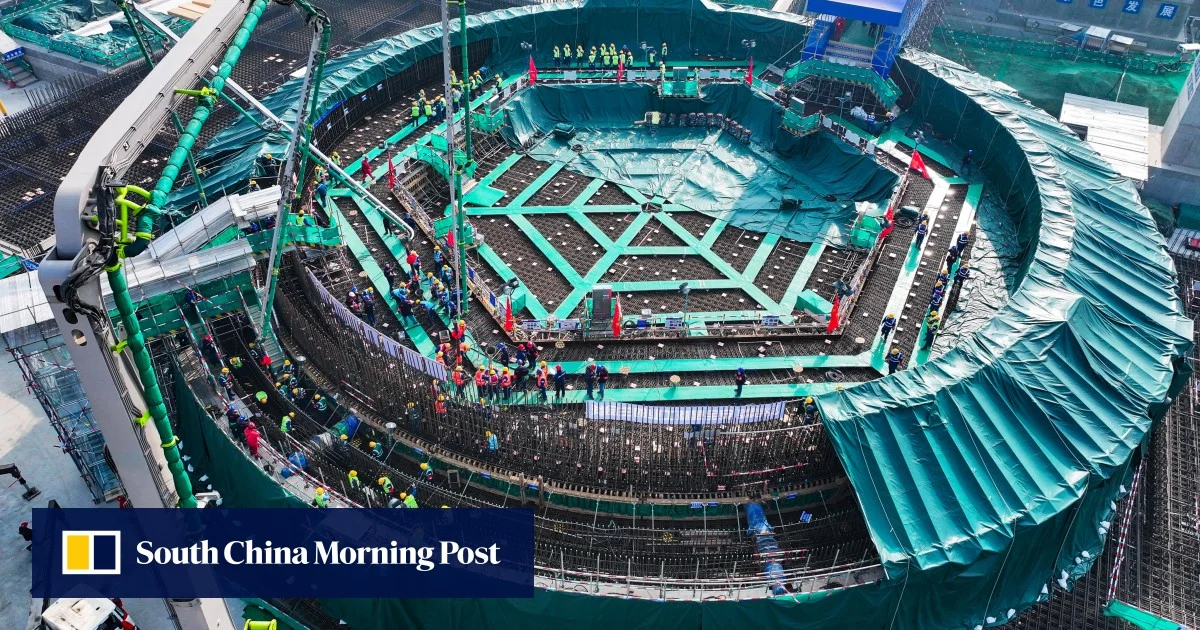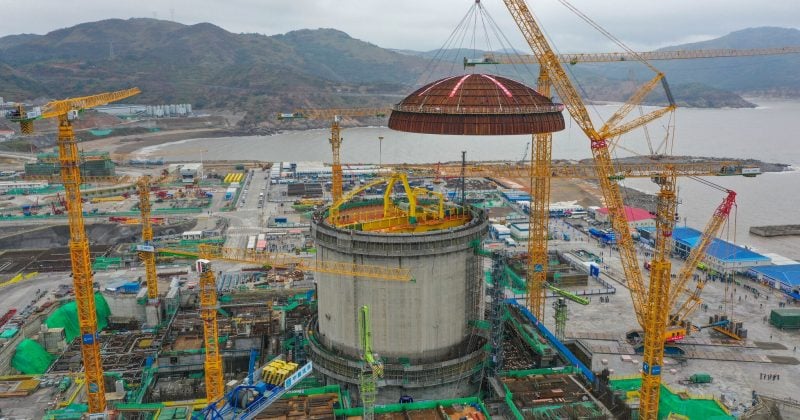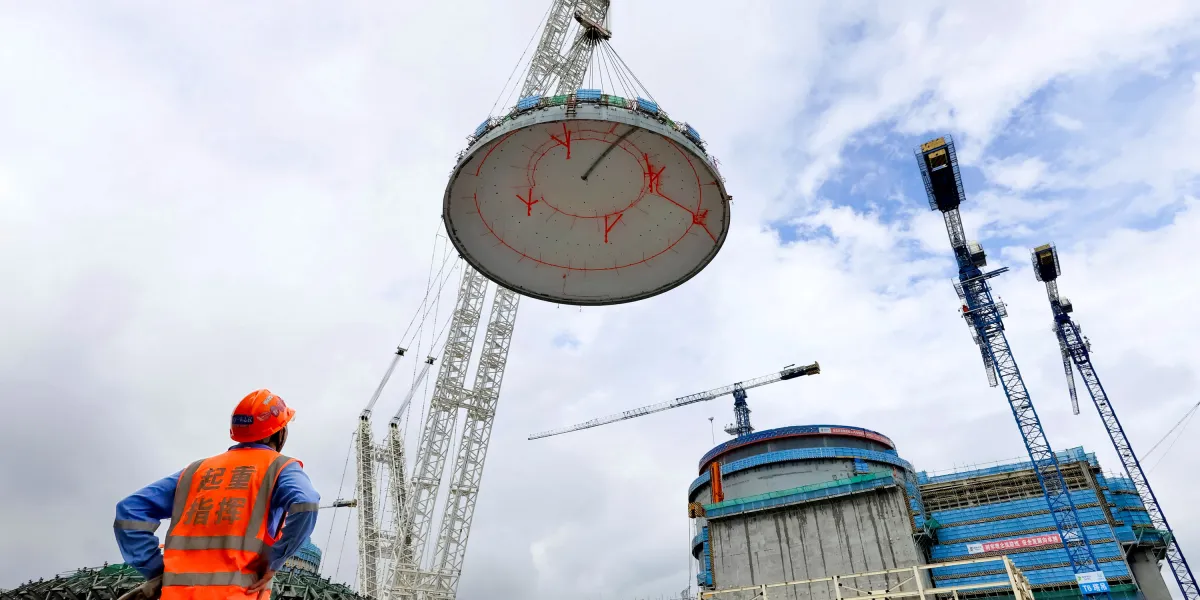
After launching its 15th Five-Year Plan (FYP) in March, the Chinese government has been publishing sectoral plans, including the 15th Five-Year Plan for Building a Beautiful China and the 15th Five-Year Plan for a New-type Energy System by the end of June. Apart from the domestic build-out of nuclear energy, both plans demonstrate China’s ambition to become a global leader in nuclear energy governance and reactor exports.
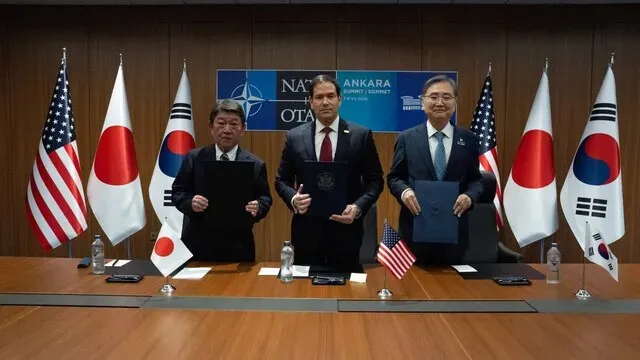
Almost simultaneously, the United States, Japan, and South Korea announced a new Memorandum of Cooperation at the NATO Summit to accelerate the deployment of small modular reactors (SMRs) in third countries, beginning with the Indo-Pacific.
These parallel developments signal that nuclear reactor exports are becoming an increasingly important arena of strategic competition. Since the Trump administration took office, the United States has linked the deployment of nuclear reactors, both domestically and internationally, to national security. The “123 Agreement” for peaceful cooperation has been the key indicator of U.S. nuclear energy diplomacy. In recent years, new signatories to the 123 Agreements and countries expressing interest in them have concentrated in Southeast Asia – the same region where China is focusing its civil nuclear engagement.