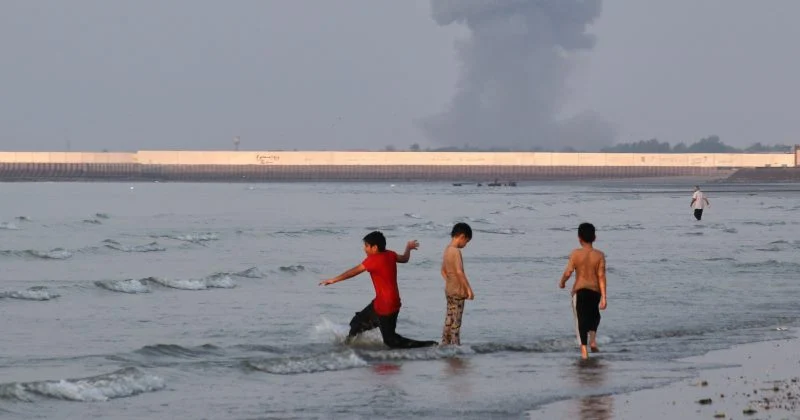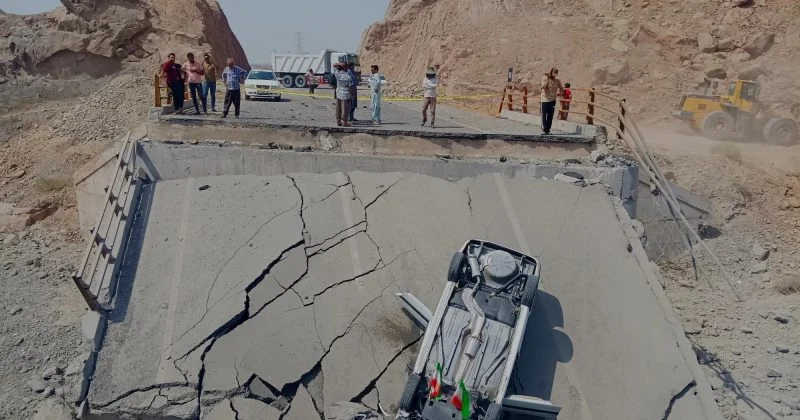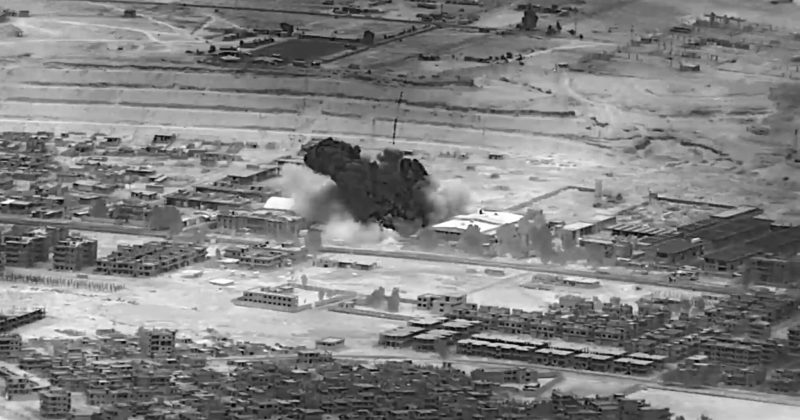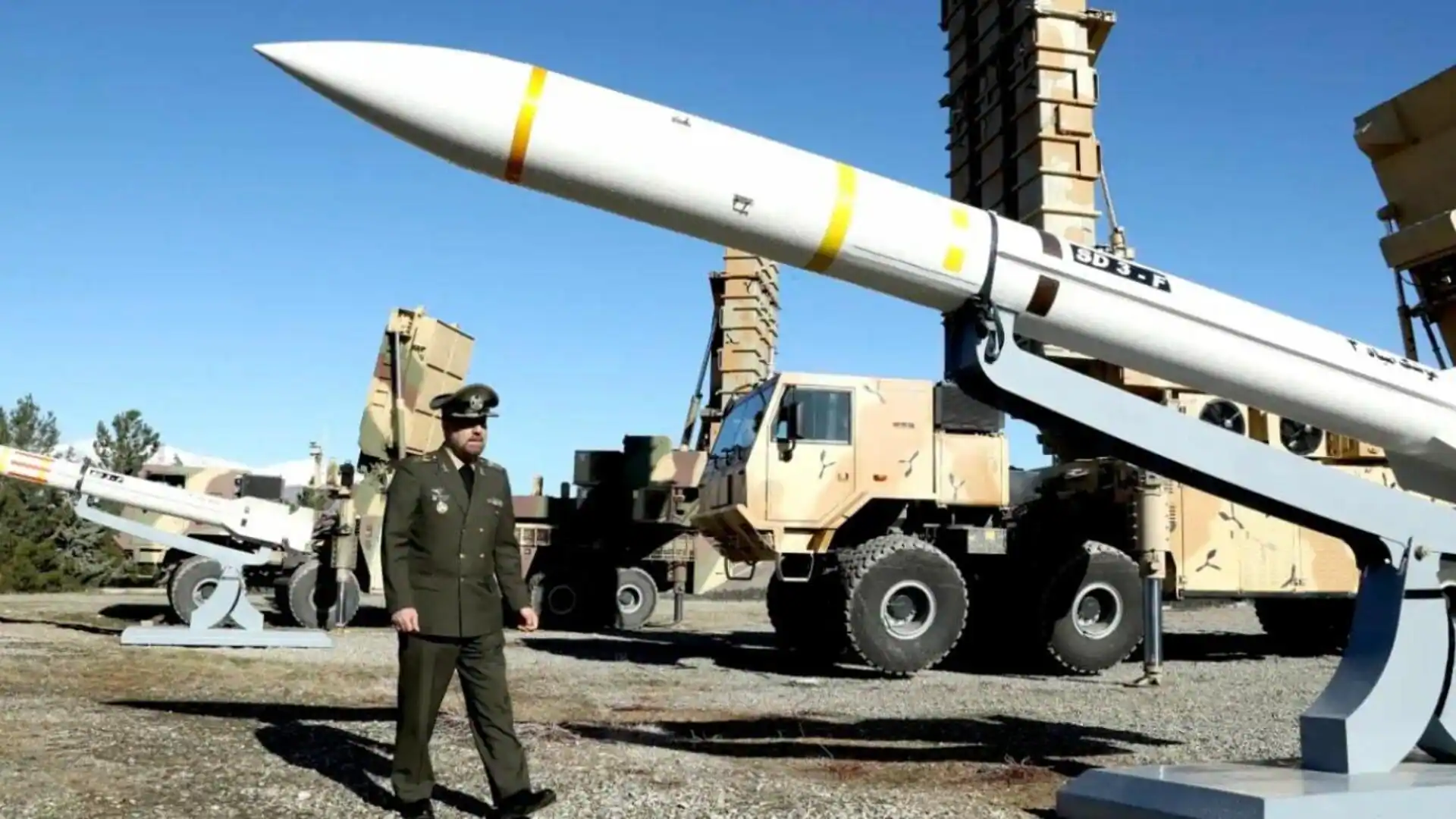
U.S. Central Command has announced its seventh consecutive night of airstrikes targeting Iranian military infrastructure. This series of strikes comes as tensions between the United States and Iran remain high following the breakdown of a ceasefire agreement in June. The strikes aim to dismantle Iran’s military capabilities along the Strait of Hormuz, a critical maritime route, and are part of a broader strategy to pressure Iran into a new diplomatic resolution. Iran has responded with missile and drone attacks on U.S. military installations across the Gulf region, escalating the conflict further.
The ongoing military actions by the U.S. appear to be impacting prediction markets regarding Iran’s potential full airspace closure and the stability of its regime. Market participants seem to interpret these developments as increasing the likelihood of a full airspace closure, with a marked rise in the probability of such an event by the end of July and August. Additionally, the sustained pressure on Iran may be contributing to a slight increase in the perceived risk of the regime’s fall before 2027, although this remains a less certain outcome.
Key Takeaways
The U.S. Central Command’s continued strikes on Iran appear to be increasing the likelihood of a full Iranian airspace closure, with market odds reflecting heightened probabilities for July and August.