By Rebecca Florsheim, Neil Vora, Peter J. Winch, and Connie HoeJuly 17, 2026
Florsheim is an environmental health physician at the NYU Grossman School of Medicine. Vora is a physician and executive director of Preventing Pandemics at the Source. Winch develops and evaluates interventions to promote health behaviors for water, sanitation, infectious diseases, and environmental sustainability. Hoe is a public health researcher who serves as endowed division head for policy and implementation research at the German Cancer Research Center.
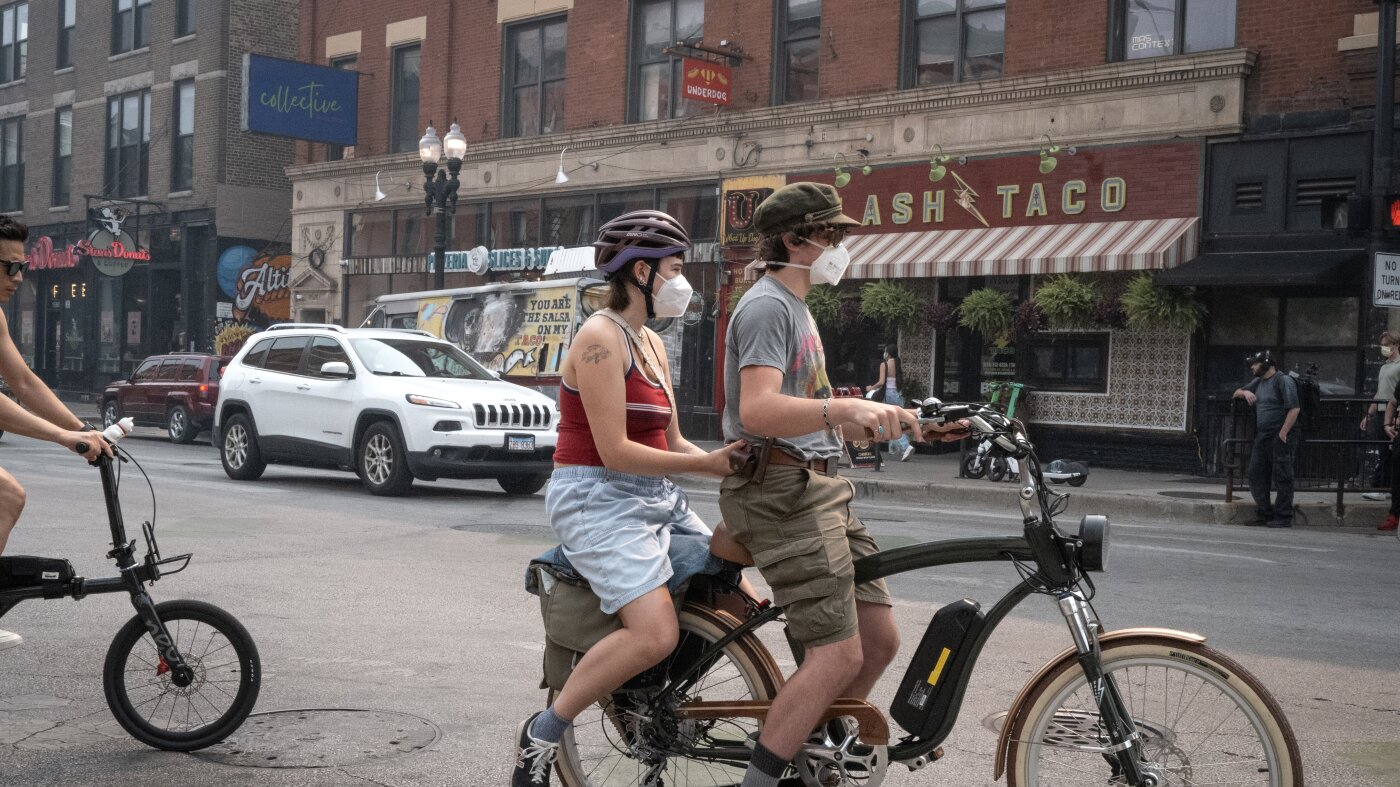
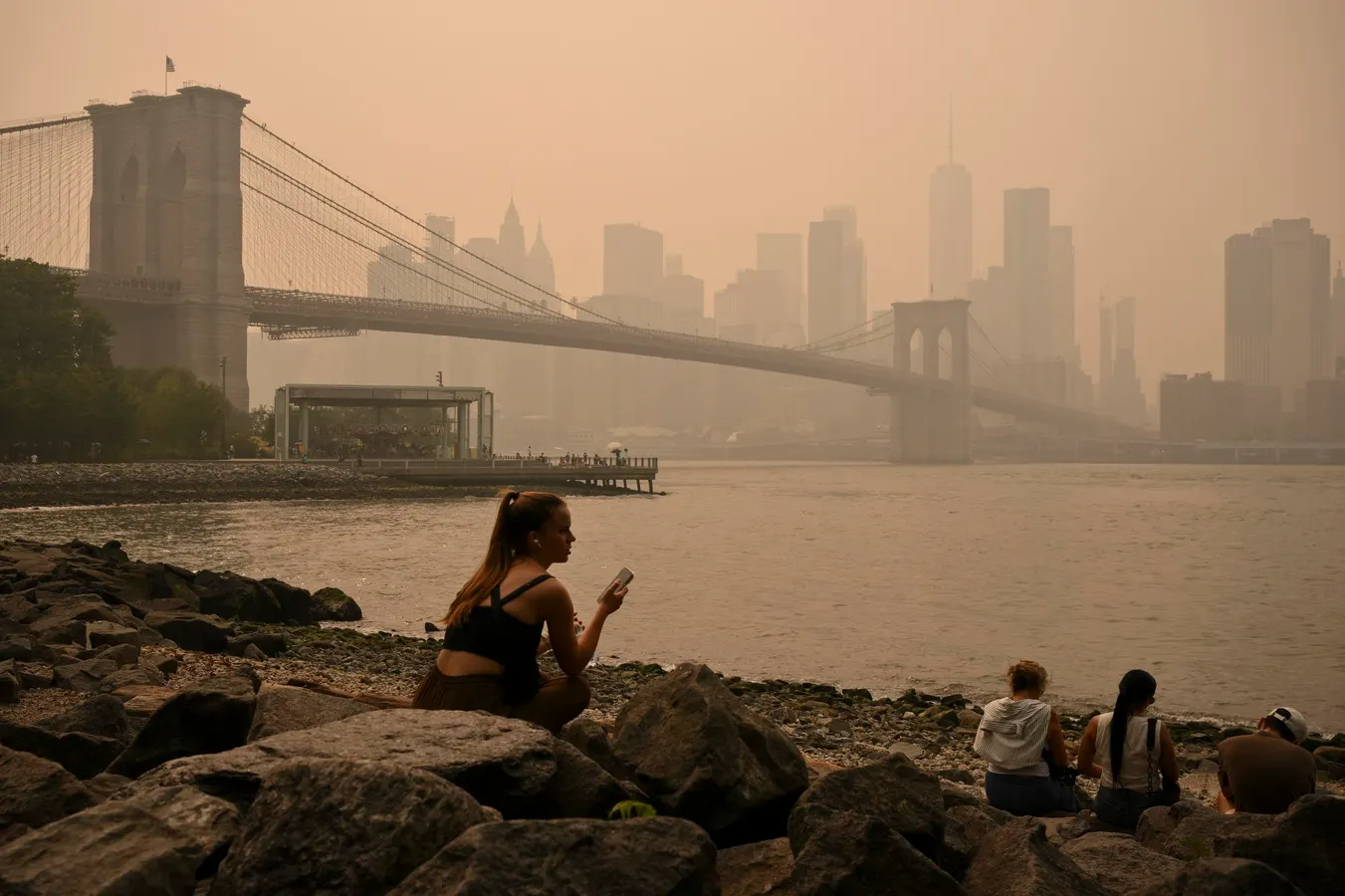
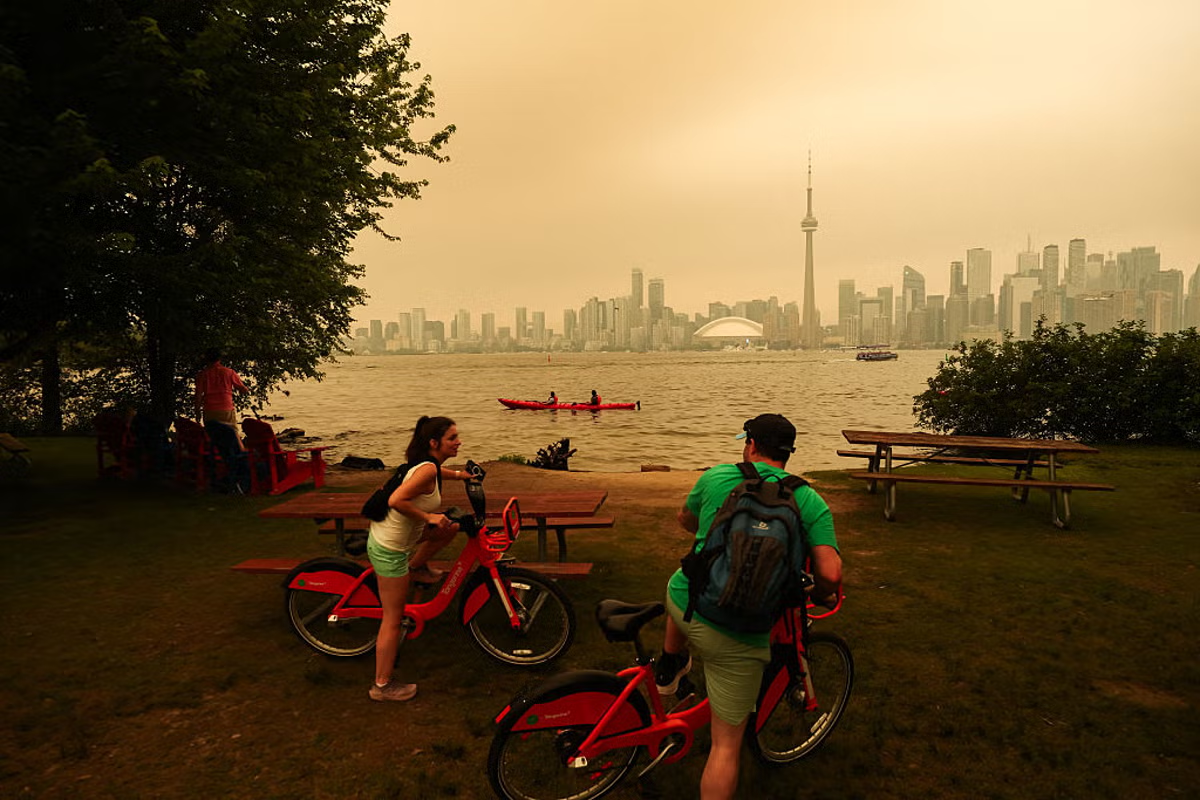
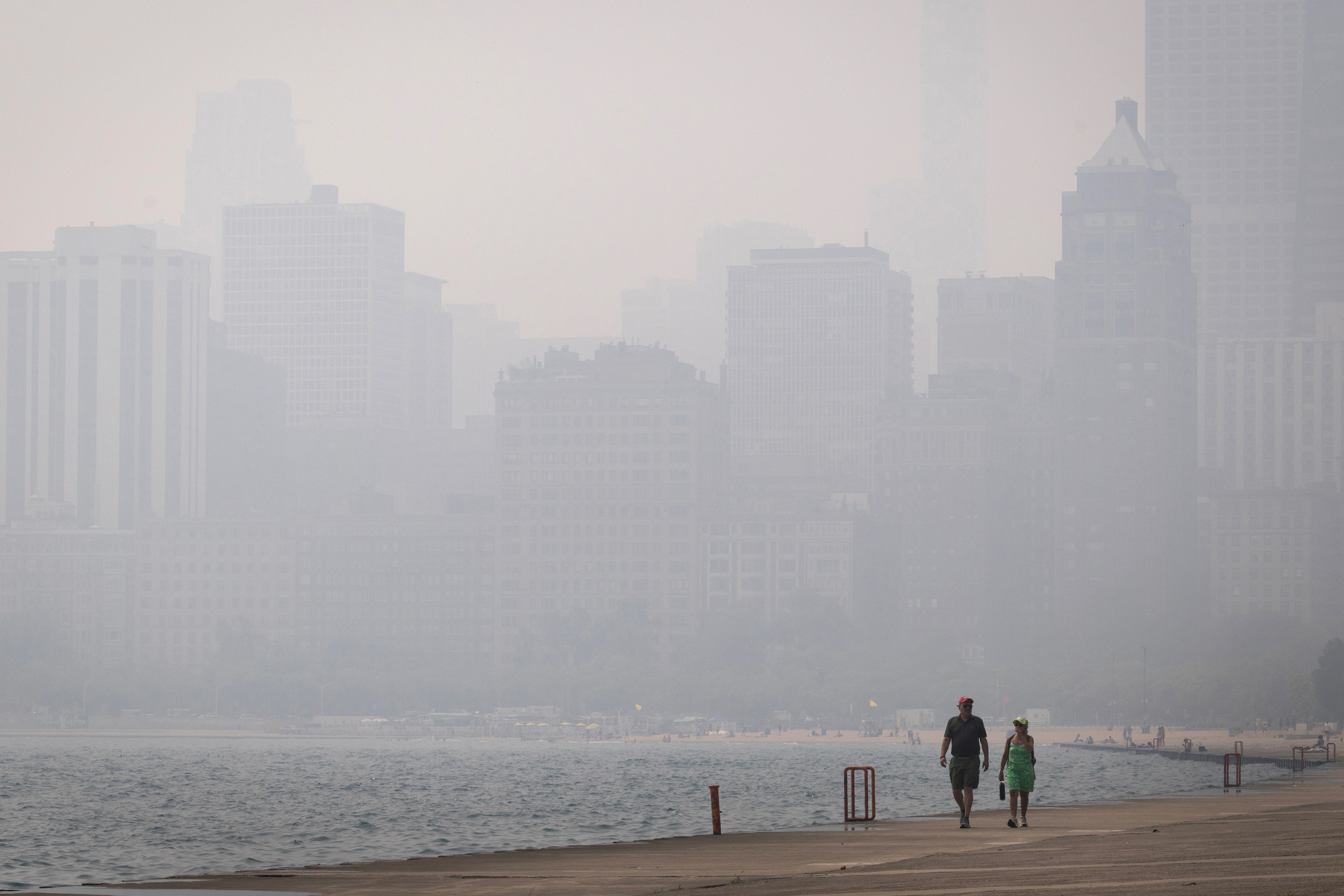
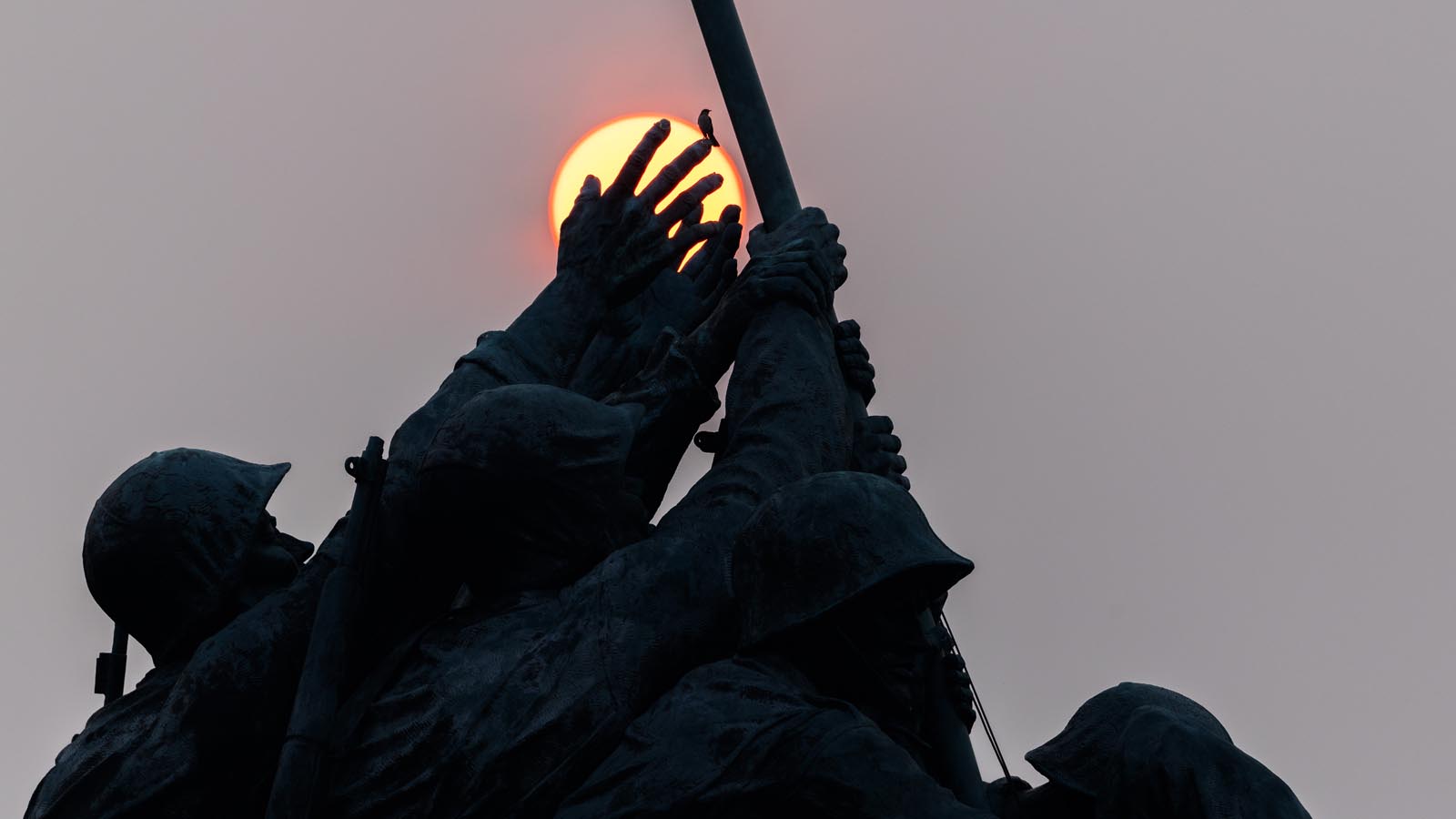
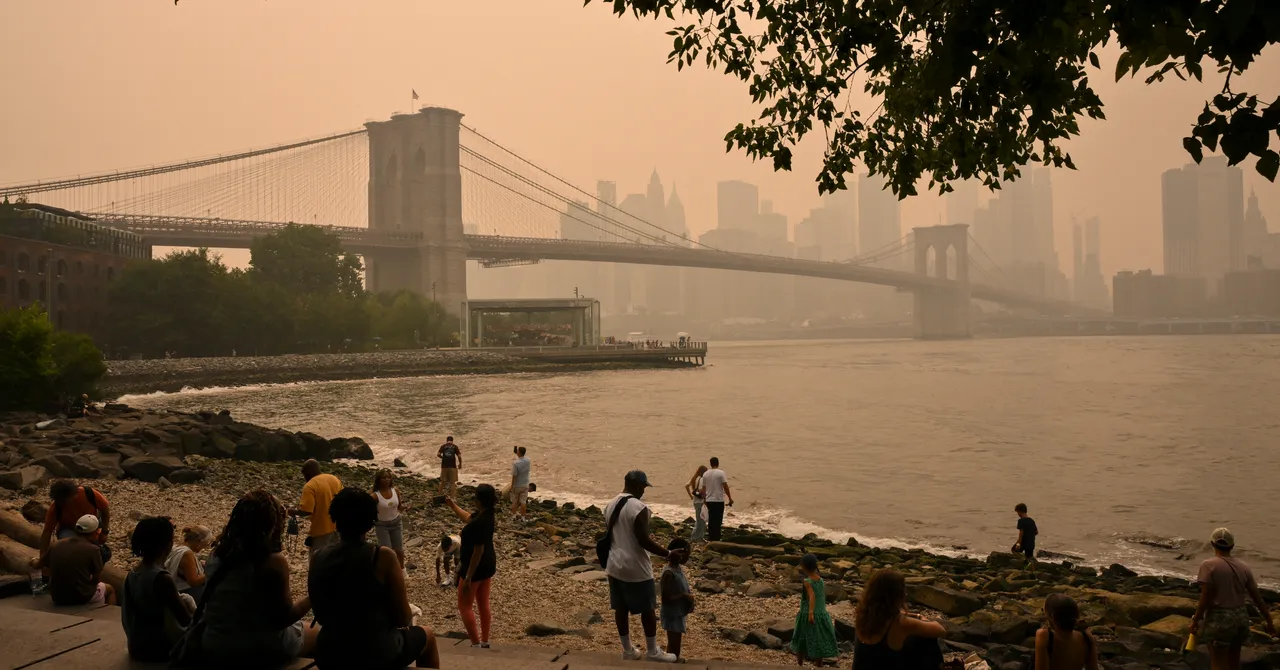
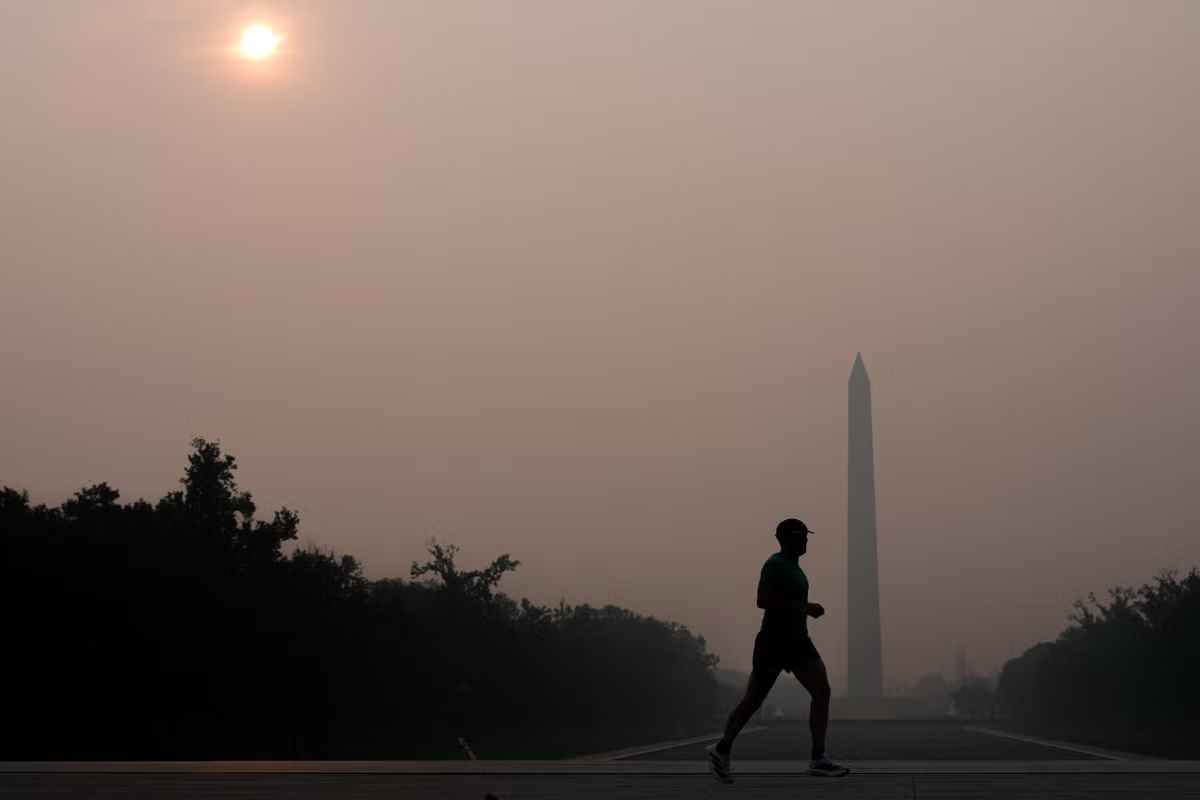
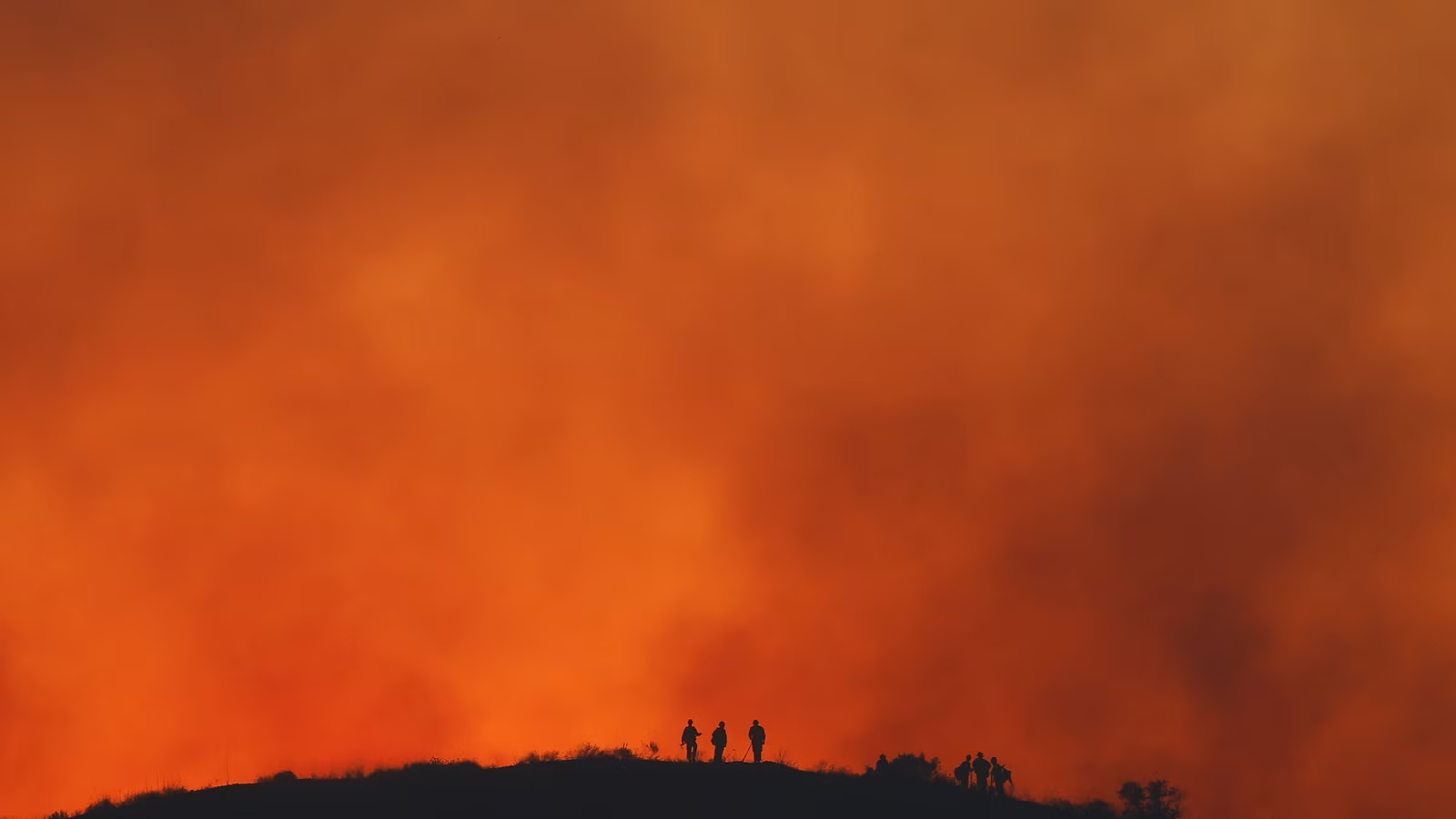
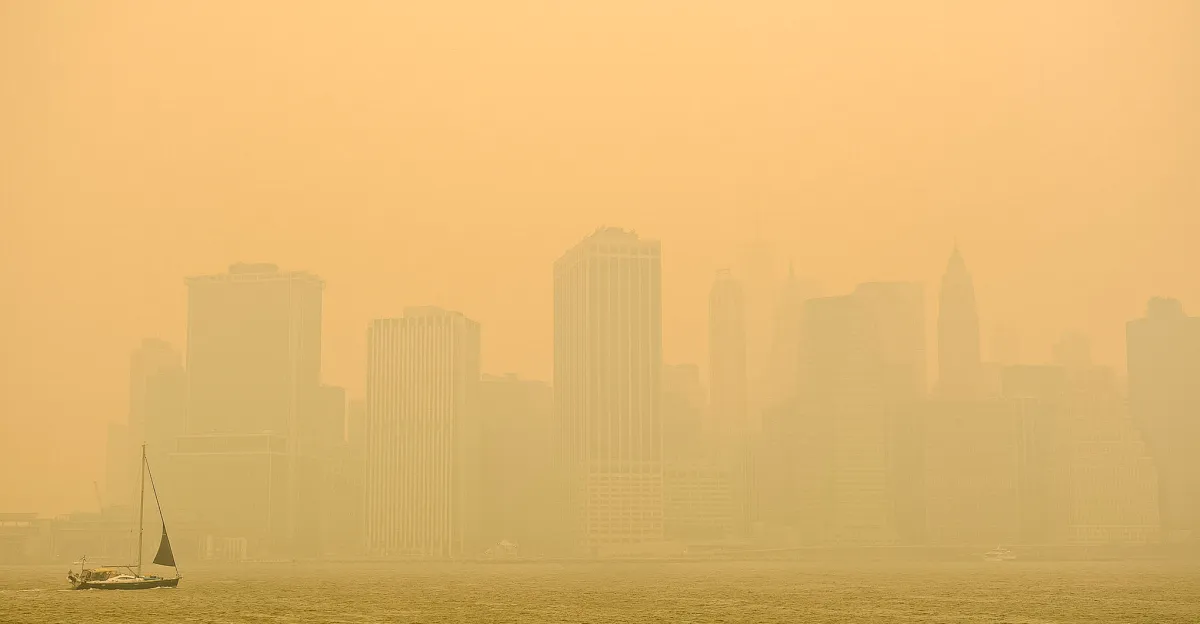
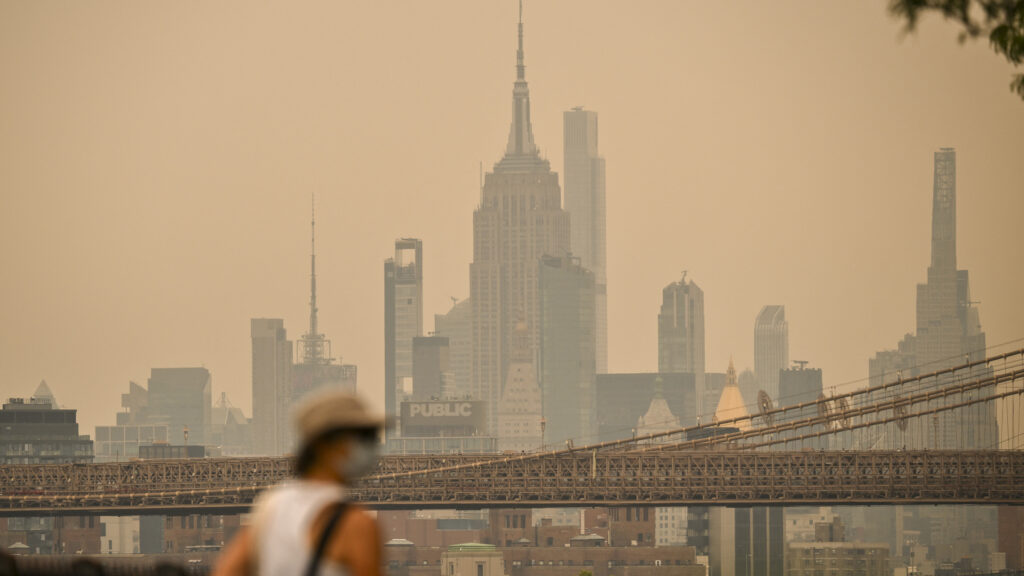
As wildfires burn millions of acres across Canada, smoke has descended upon cities across the United States, with air quality plummeting to unhealthy levels. In New York City, emergency room visits for asthma exacerbations jumped by 31% by the end of the first day. The timing could not have been worse for a city already in the throes of the second major heat wave of the season.
Extreme weather events represent the cyclical and compounding relationship between fossil fuel combustion, a warming climate, natural disasters, and related illnesses. Some may view them as proof the climate crisis has already become insurmountable. However, history teaches us to never let a health-related environmental crisis go to waste.