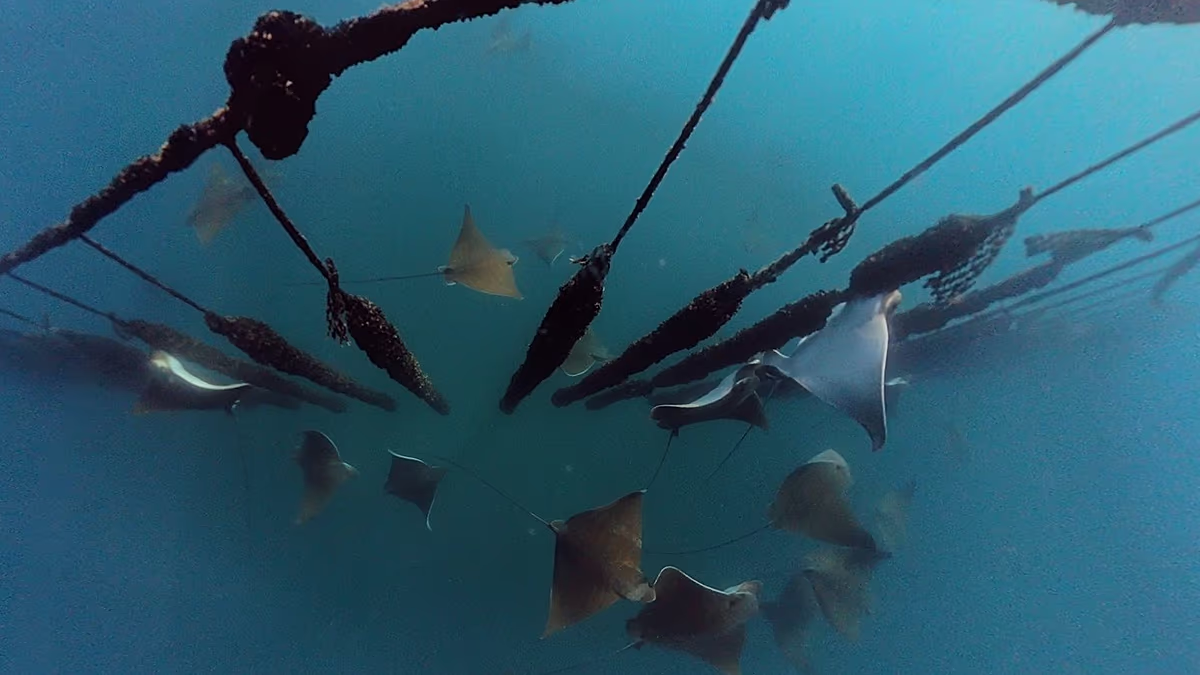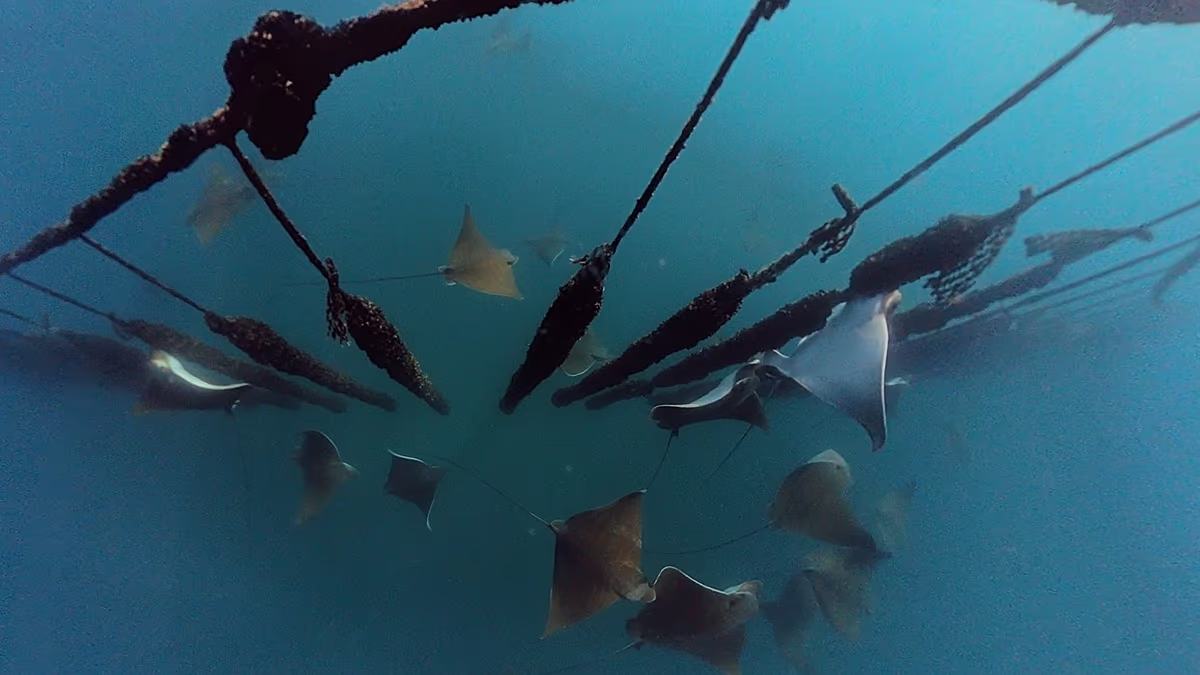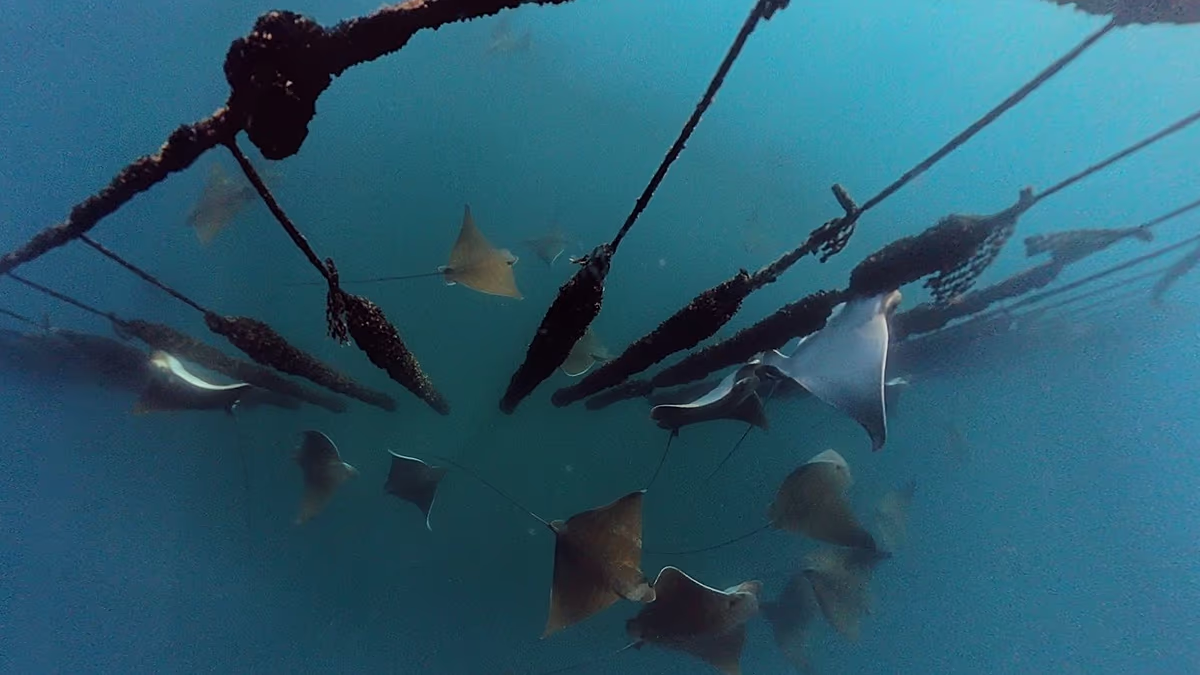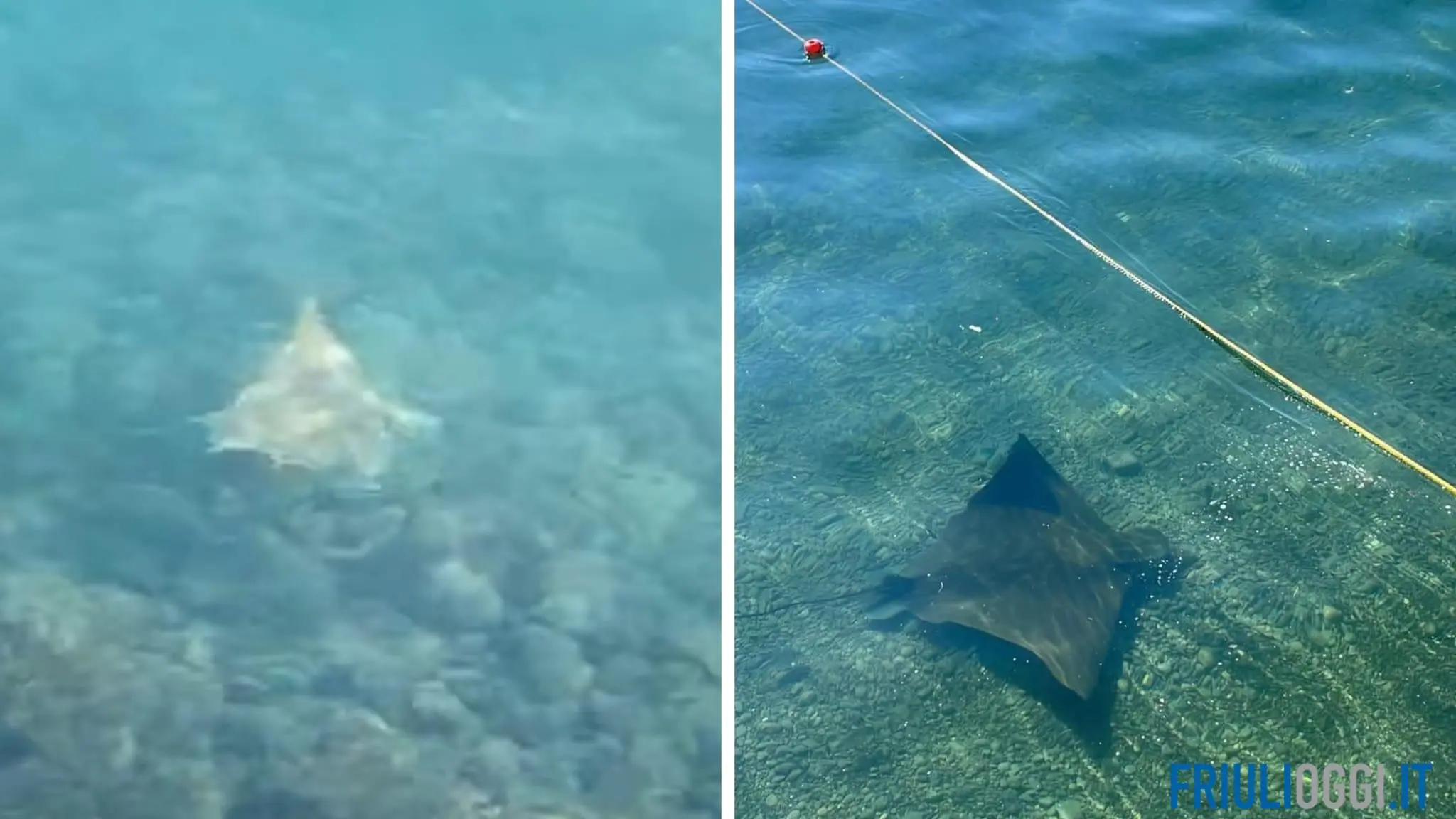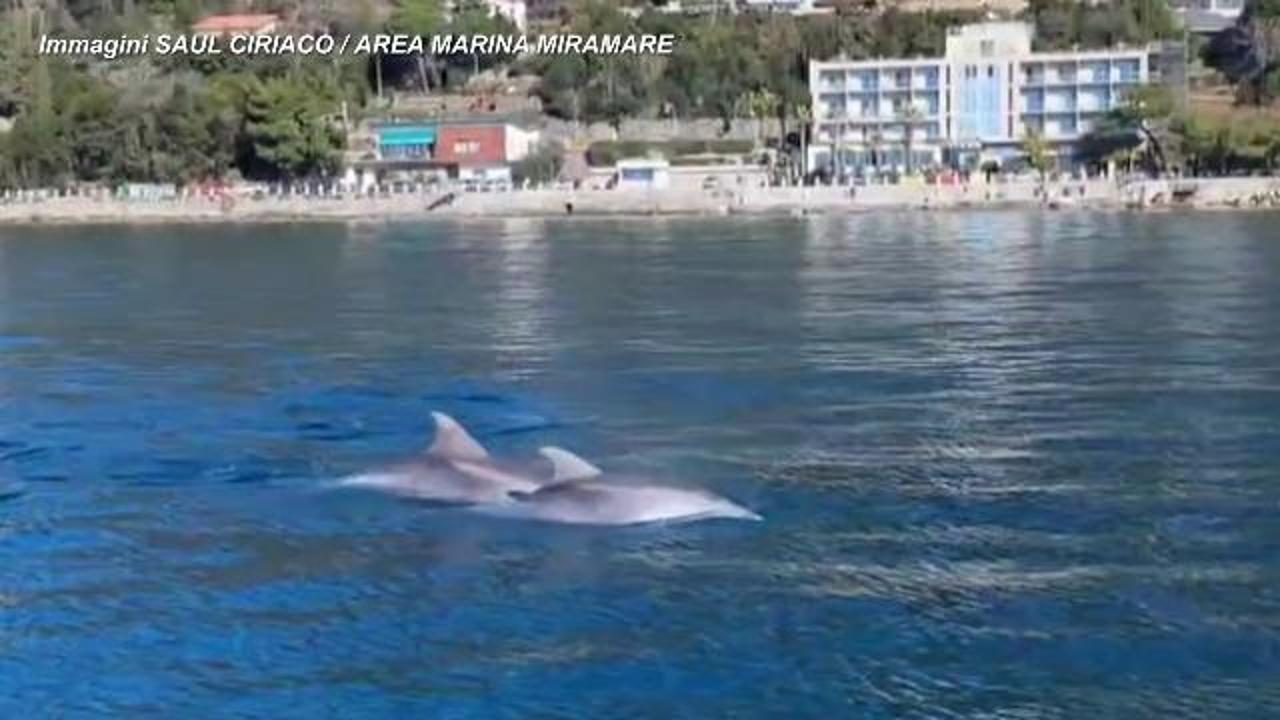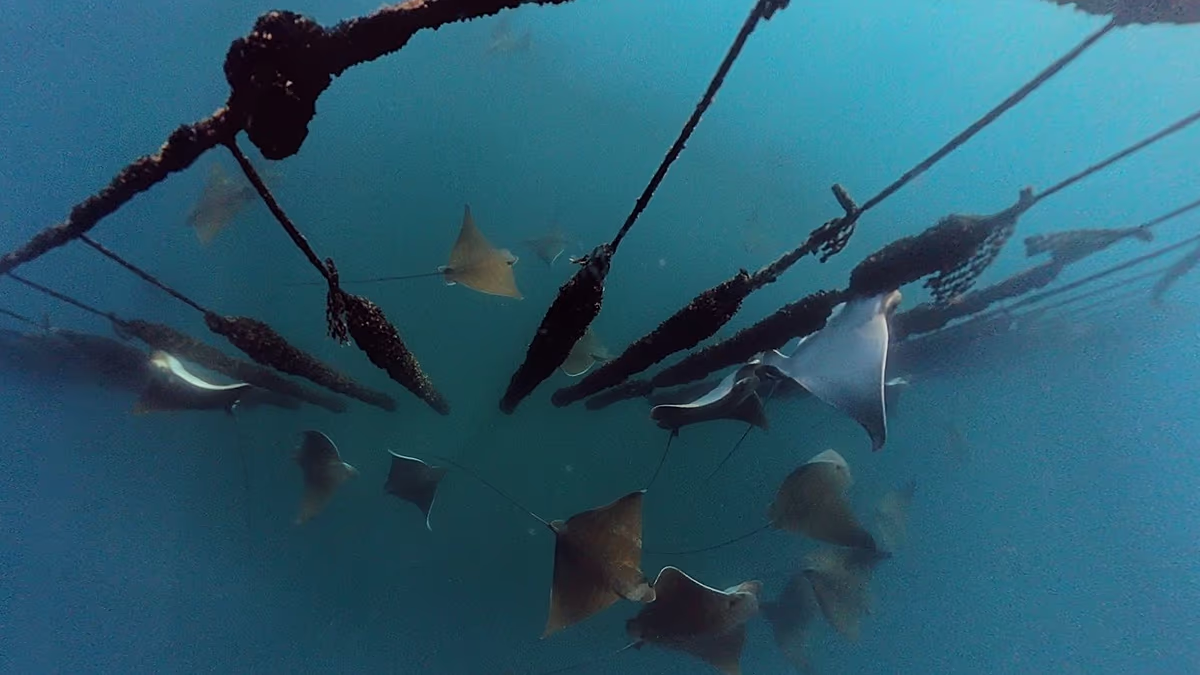
In recent years, an unprecedented phenomenon has been observed in the Gulf of Trieste, a case that is unique across the Mediterranean. Large groups of bull rays, known locally as vaccarelle and among the biggest eagle rays in the Mediterranean, are being sighted with increasing frequency in the coastal waters off Trieste.
Over the past three years the phenomenon has grown in scale and frequency, even though this is a species already present in the Mediterranean and recorded for many years.
“This is the first year in which we have recorded large numbers of individuals grouped together, with aggregations reaching as many as 50 animals,” says Saul Ciriaco, head of monitoring activities for WWF at the Miramare Marine Protected Area (Amp) and vice-president of the Shoreline cooperative society.
The phenomenon has naturally attracted the interest of researchers and enthusiasts, as it involves a rare protected species, but at the same time it is creating problems for local mussel farms, which have reported damage to their mussel lines, as these have become an easy source of food that attracts the animals.
“This kind of interaction between bull rays and human activities had never been seen before,” explains Simona Clò, marine biologist and scientific coordinator of MedSharks, an association for the conservation of marine species in the Mediterranean, highlighting the need to develop non-invasive technologies and solutions to protect mussel farmers and safeguard the bull rays.