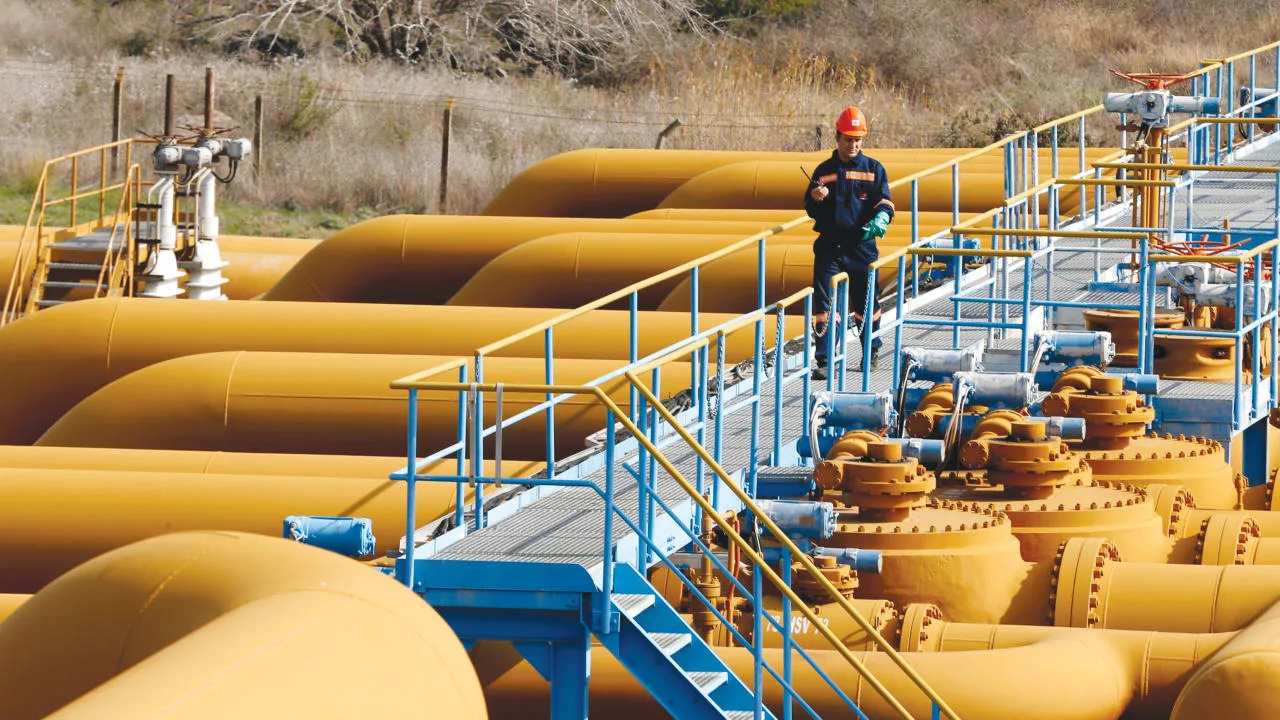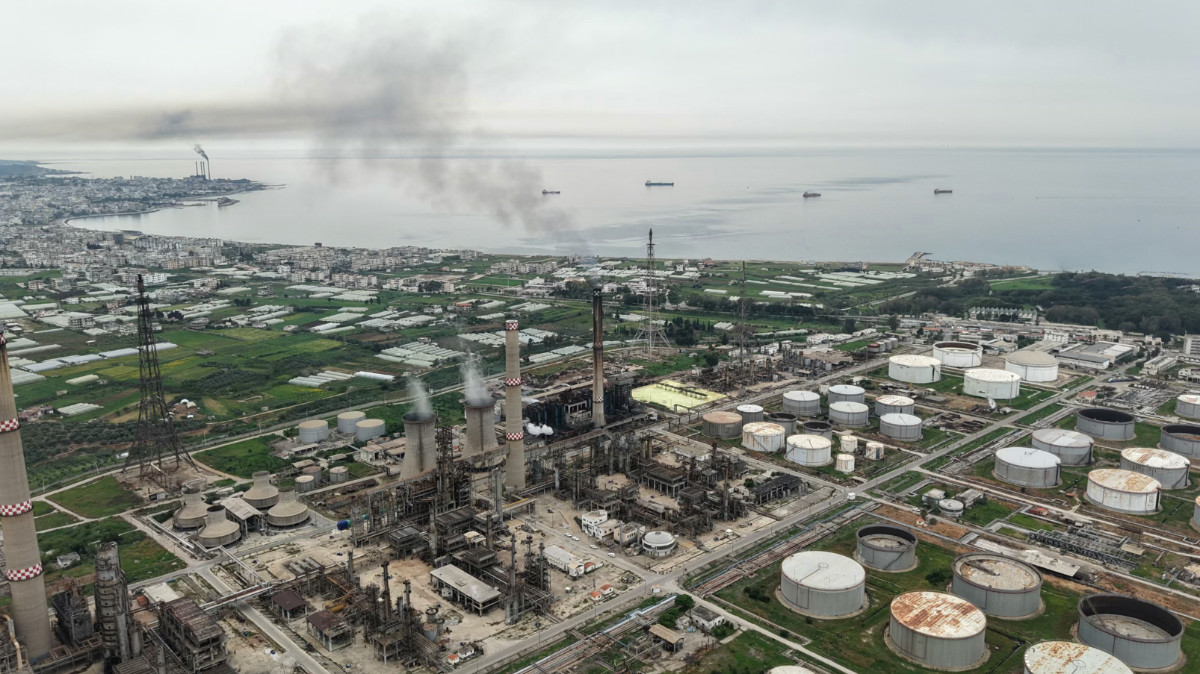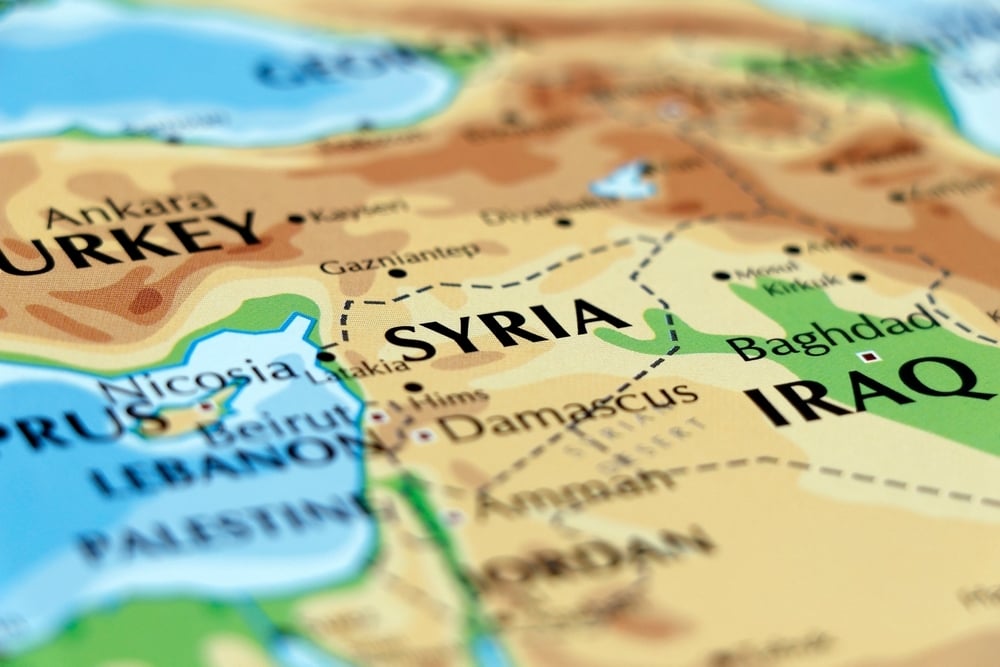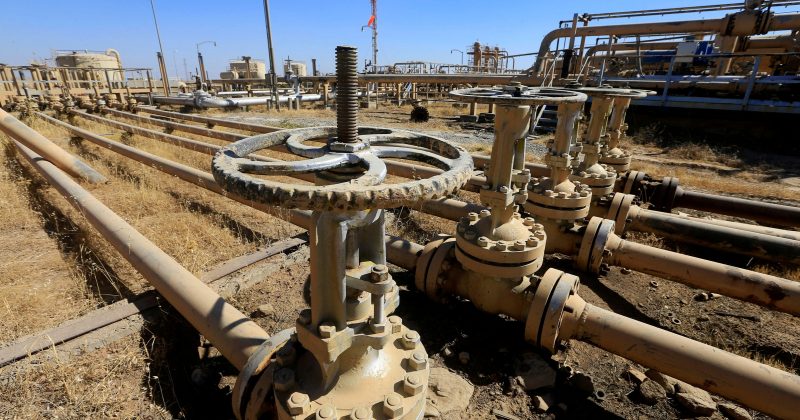
The United States has expressed support for Iraq and Syria’s joint pipeline project, which is set to have an initial capacity of 2 million barrels per day. The pipeline project marks a significant step in regional cooperation, aiming to enhance energy security by providing an alternative export route for Iraqi crude oil to the Mediterranean, bypassing the Strait of Hormuz. This development is part of efforts to revive the Kirkuk–Baniyas crude oil pipeline, which has been largely inactive since 2003. The U.S. backing comes as part of a broader strategy to stabilize energy supplies and reduce regional tensions, with Special Envoy Tom Barrack playing a key role in negotiations.
Key Takeaways
The U.S. support for the Iraq-Syria pipeline appears to indicate a strategic move to enhance regional energy security and reduce dependency on the Strait of Hormuz.
Market pricing suggests that the pipeline’s potential increase in oil supply capacity could impact future oil prices, though immediate effects are moderate.
This development is consistent with scenarios where energy market stability is prioritized, potentially influencing WTI crude oil price expectations.