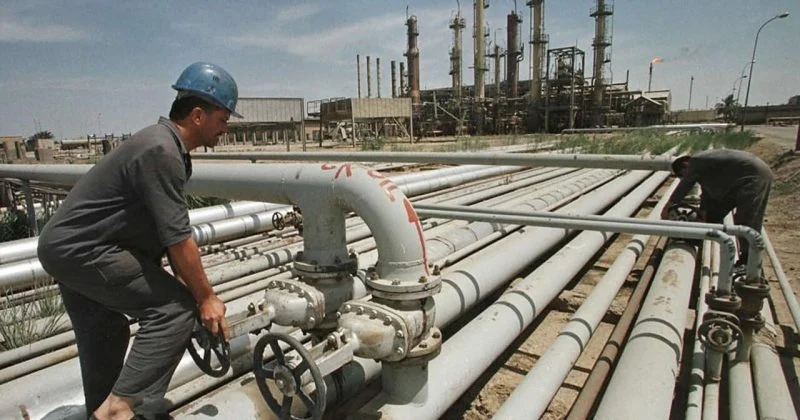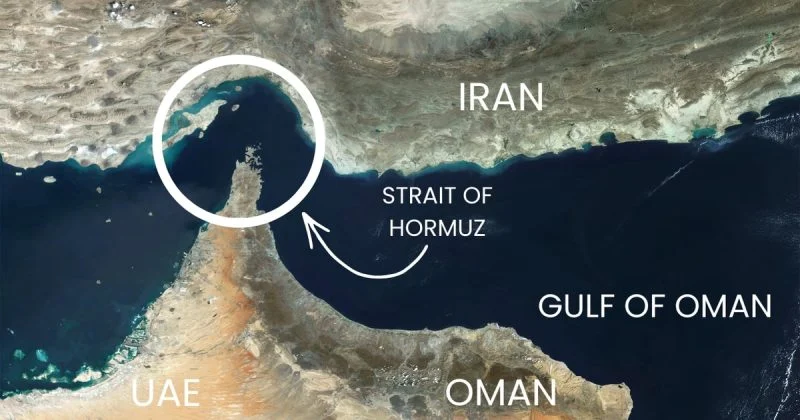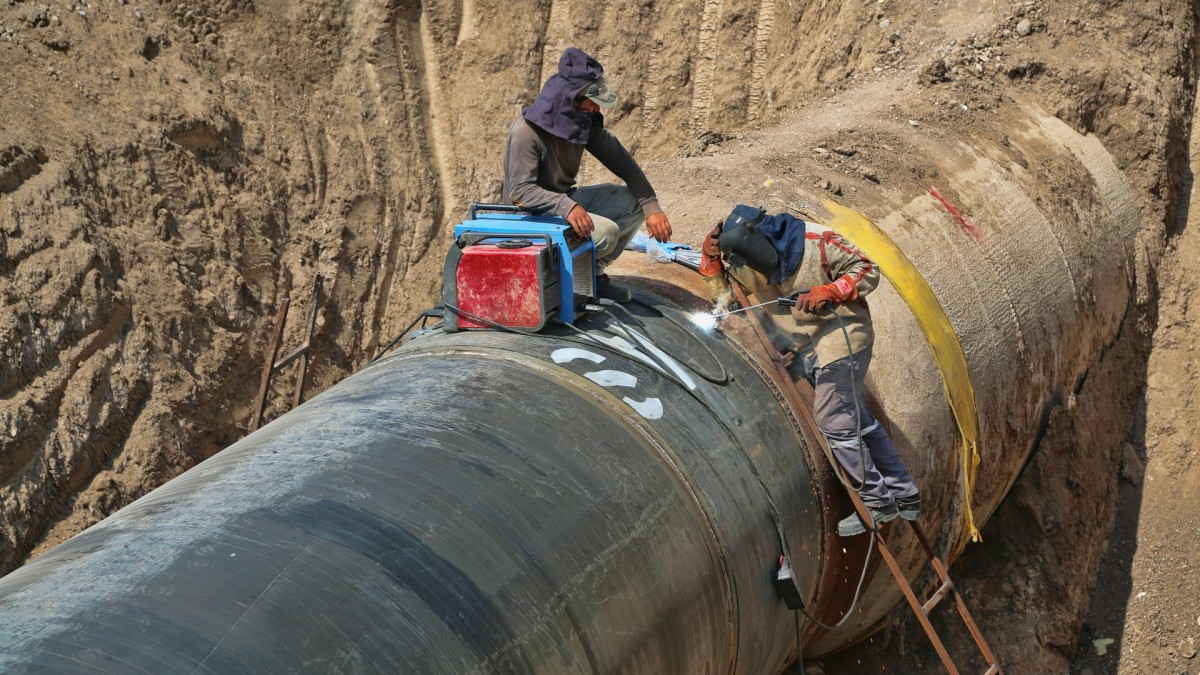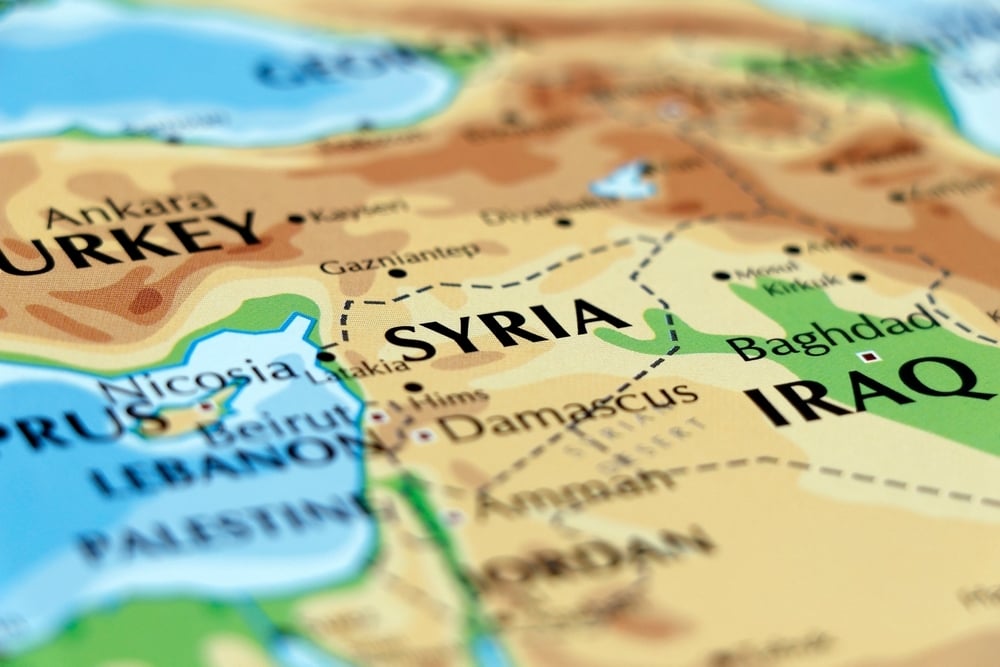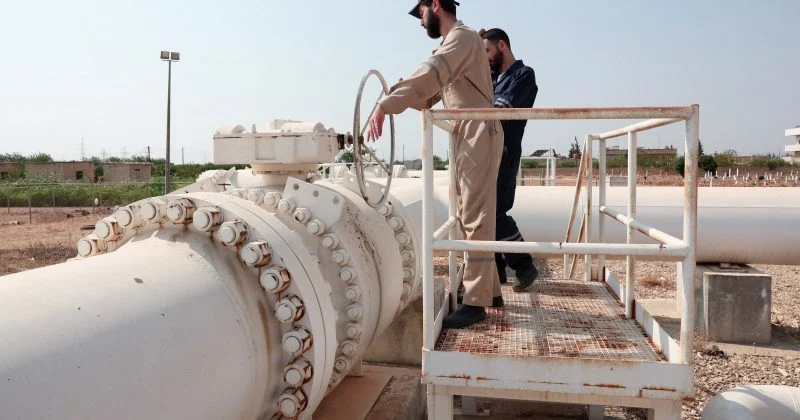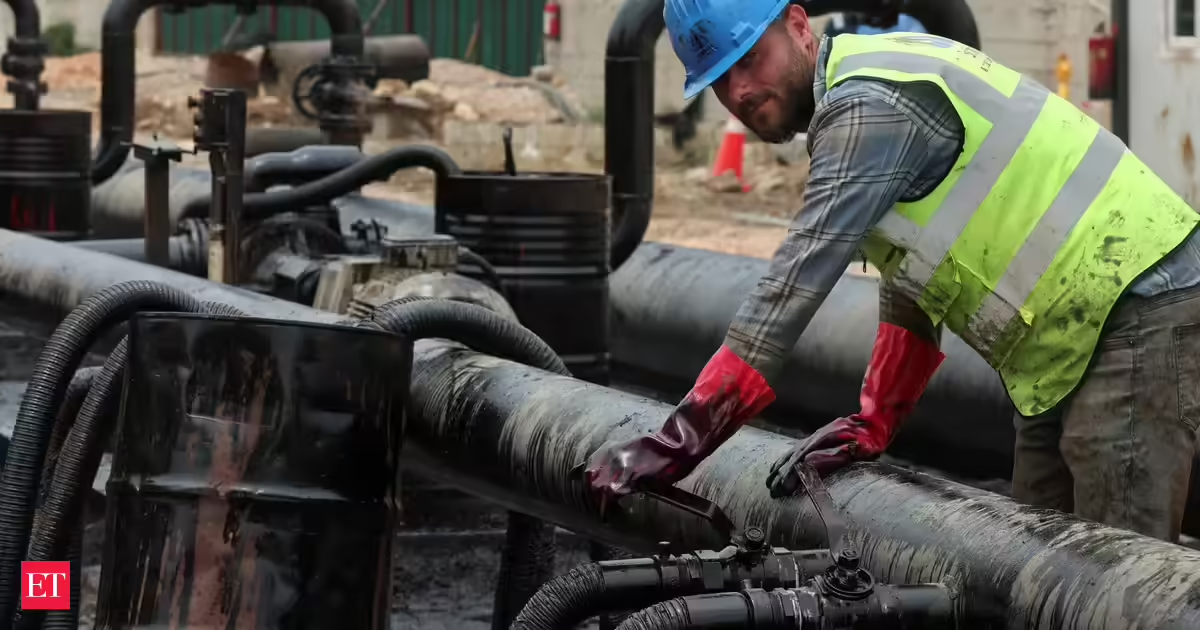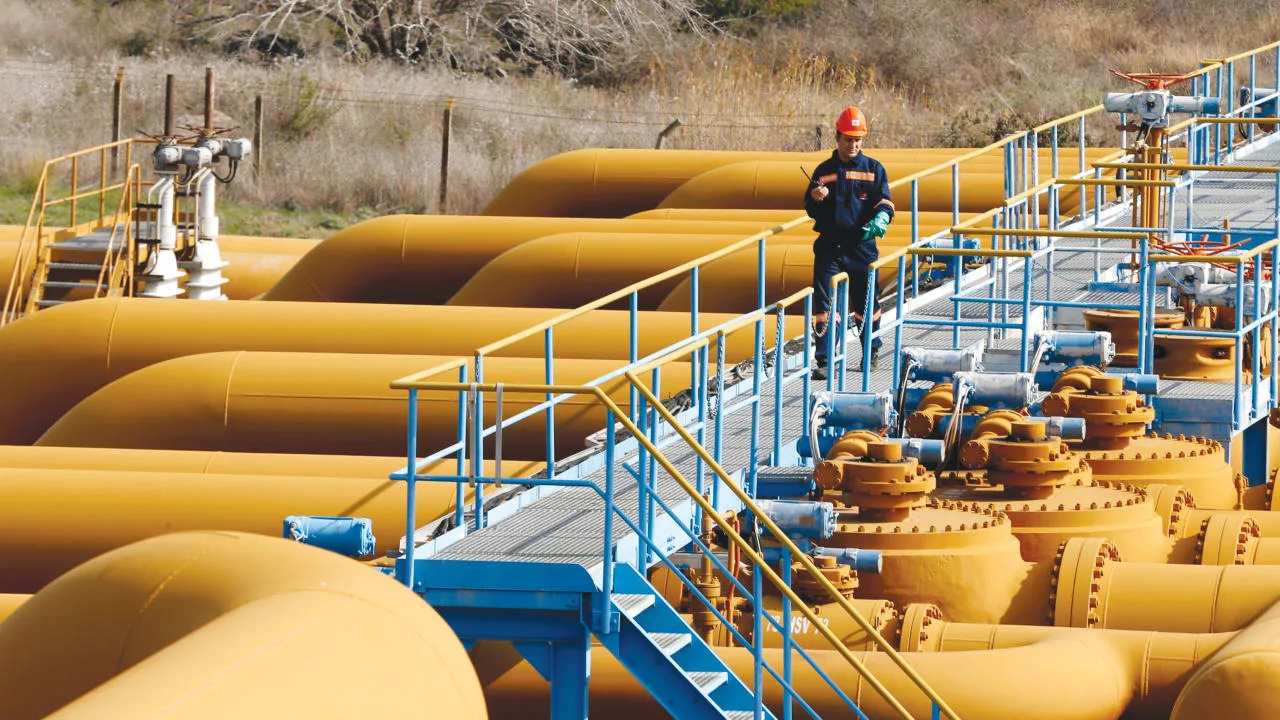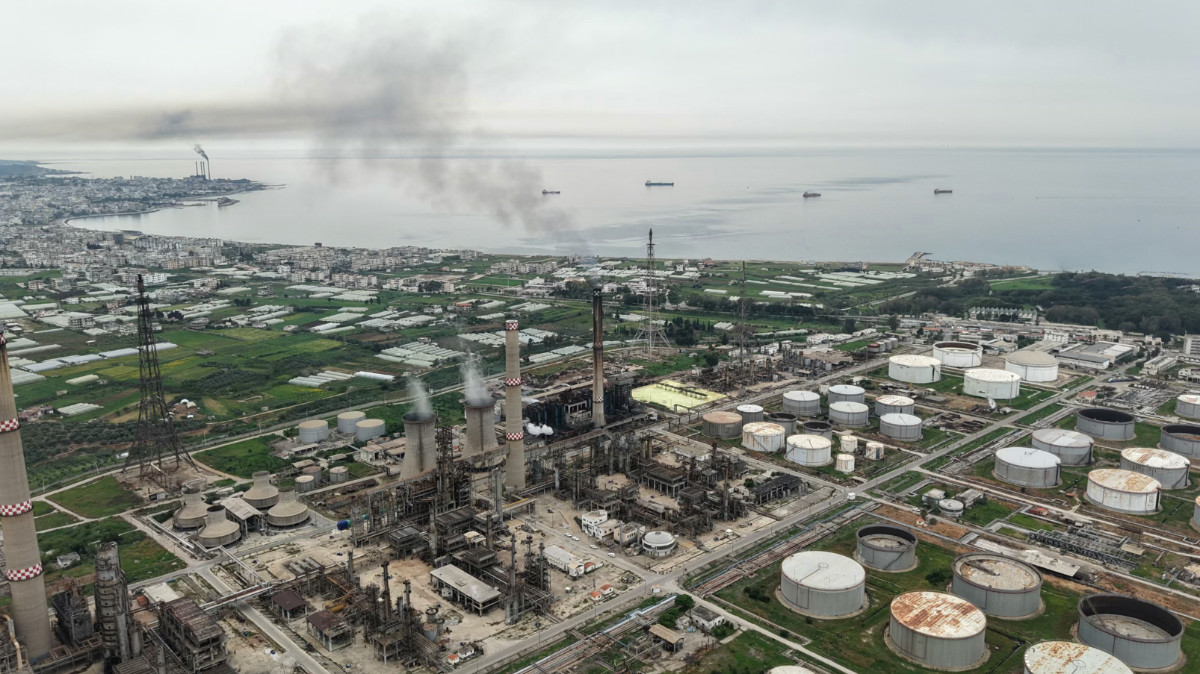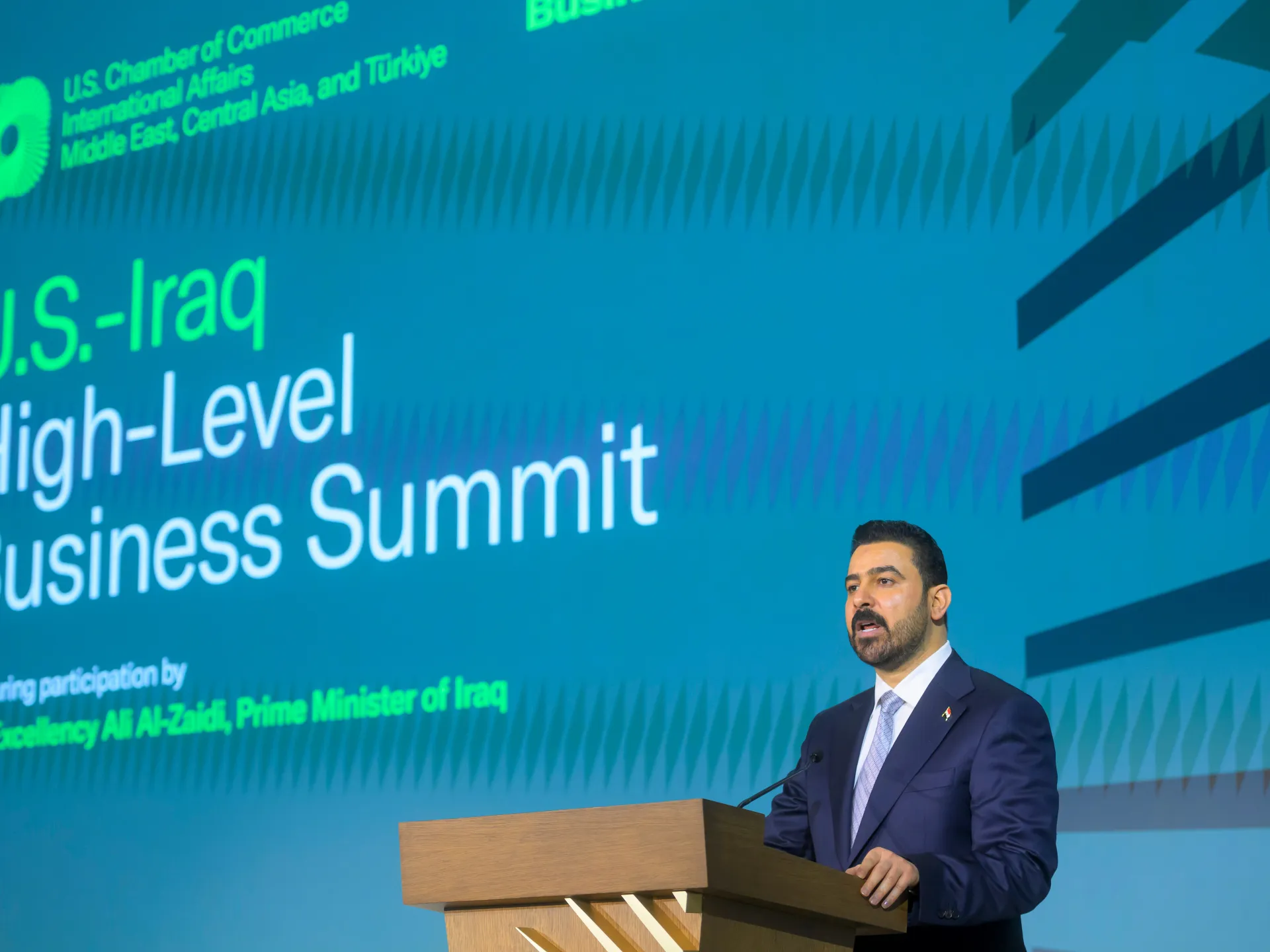
Iraq and Syria have signed an agreement to rehabilitate the Kirkuk–Baniyas oil pipeline, providing an alternative export route that circumvents the Strait of Hormuz. This development comes amid ongoing disruptions in the strait due to the US-Israel conflict with Iran. The pipeline, inactive since 2003, is expected to have an initial capacity of 2 million barrels per day once operational. The project’s execution involves a US-led international consortium, including Chevron, with reconstruction costs estimated at over $4.5 billion. This strategic move is consistent with Iraq’s efforts to reduce reliance on the heavily disrupted Hormuz chokepoint and aligns with broader US strategies to limit Iran’s influence over global oil flows.
Key Takeaways
Markets suggest the pipeline restoration could alleviate supply concerns, impacting the WTI Crude Oil pricing.
Current pricing reflects a decreased likelihood of WTI Crude Oil hitting $130 in July, with odds supportive of a decrease.
The decision is consistent with strategic initiatives to bypass the Strait of Hormuz amid geopolitical tensions.