EY re-envisions RAG around multimodal knowledge graphs to improve accuracy
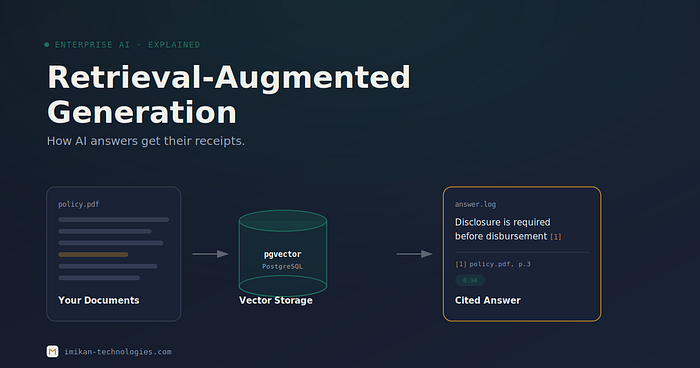
Retrieval-augmented generation is a standard way to ground large language models in enterprise information, but new research from EY, the business name of Ernst & Young LLP, says most implementations overlook a lot of useful data.
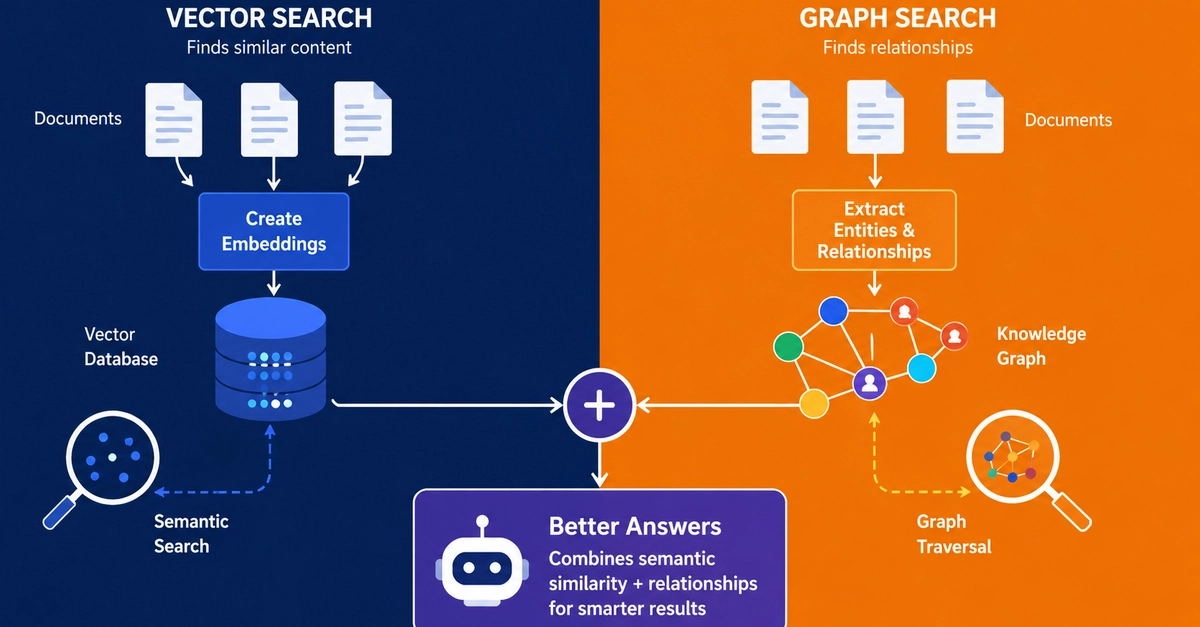
Conventional RAG systems are built mainly to retrieve text. Enterprise documents, however, often place critical facts in charts, tables, engineering diagrams, equations and images. EY has developed a multimodal RAG framework that retrieves those materials alongside text and connects them through a knowledge graph, producing answers that are more complete, contextualized and easier to verify.
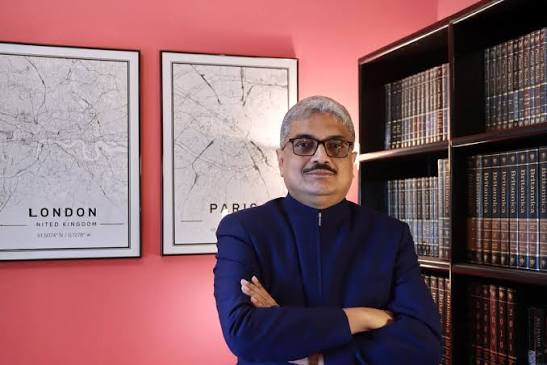
The approach doesn’t affect the underlying LLM, but rather changes how enterprise content is prepared, indexed, related and supplied to the model at inference time. The work grew out of limitations EY encountered in client projects, said Dipanjan Sengupta (pictured), EY Global Delivery Services Consulting distinguished technologist and AI engineering leader.
“RAG works well for textual content,” he said, “but in many industries, a lot of information is in illustrative content as well.”