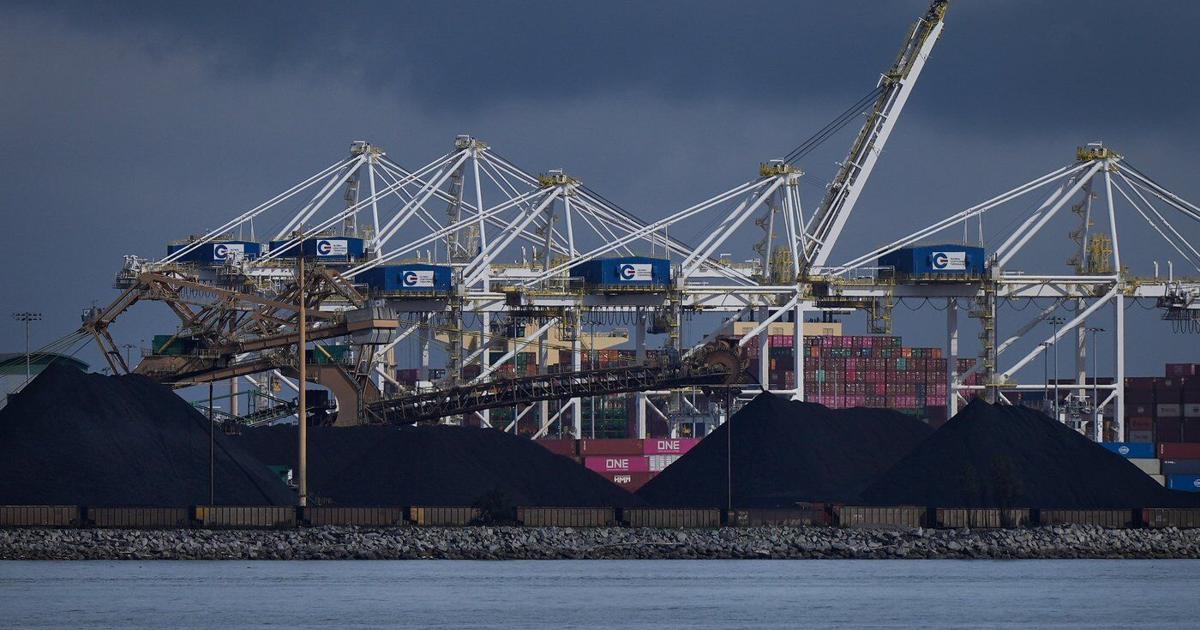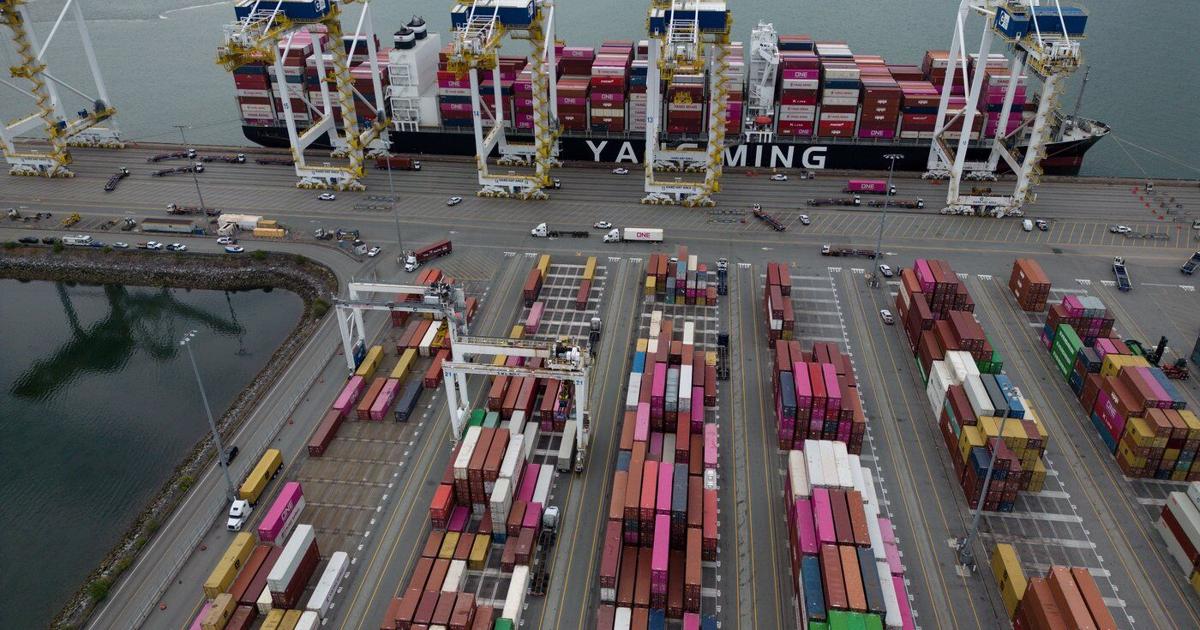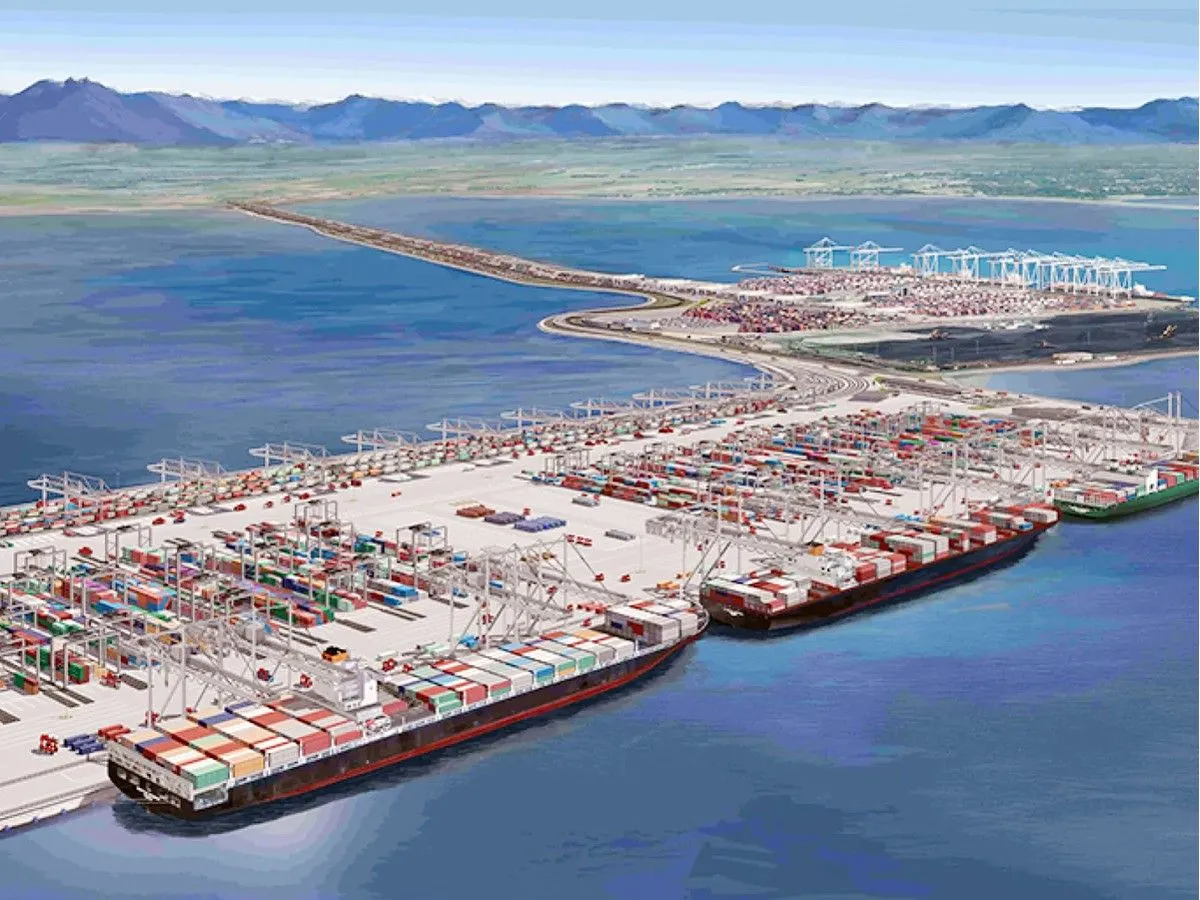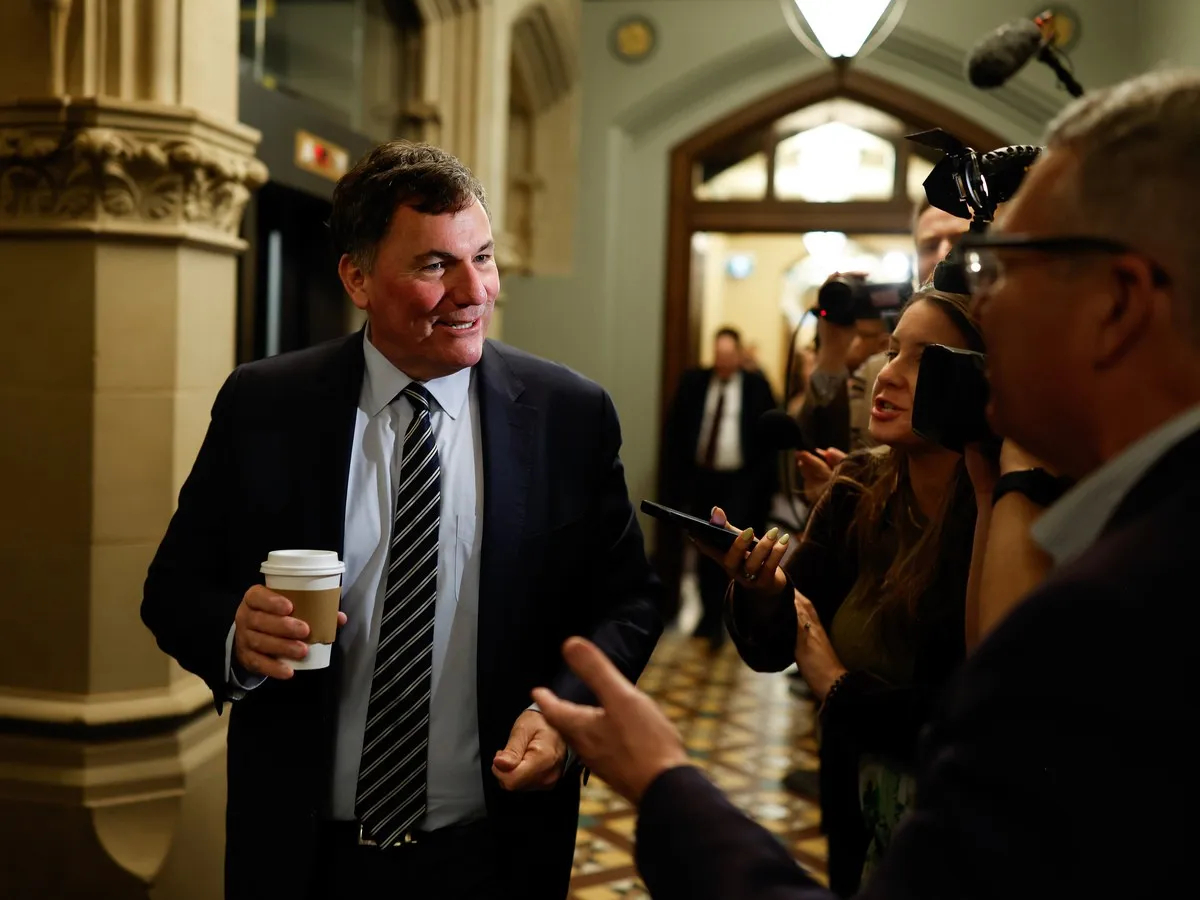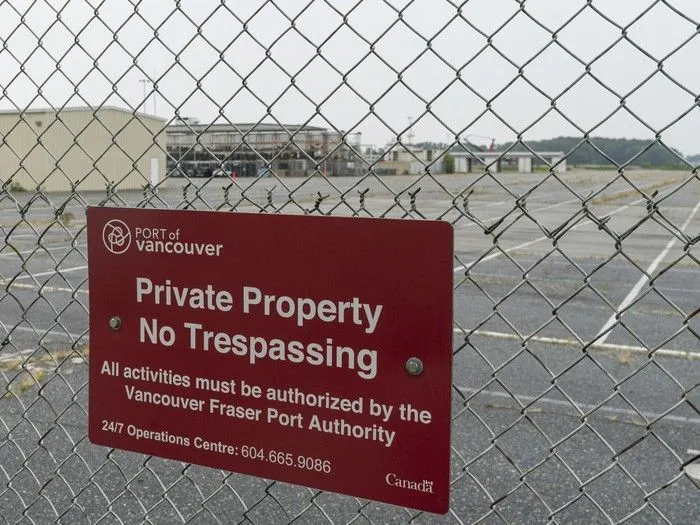
Skip to Content News Archives Economy Energy Oil & Gas Renewables Electric Vehicles Mining Commodities Agriculture Real Estate Mortgages Mortgage Rates Finance Banking Insurance Fintech Cryptocurrency Work Wealth Smart Money Wealth Management Investor Personal Finance Family Finance Retirement Taxes High Net Worth FP Comment Executive Women Puzzmo Newsletters Financial Times Business Essentials More Innovation Information Technology FP500 Podcasts Small Business Lives Told Tails Told Shopping Financial Post Store Obituaries Place a Notice Advertising Advertising With Us Advertising Solutions Postmedia Ad Manager Sponsorship Requests Classifieds Place a Classifieds ad Working Profile Settings My Subscriptions Saved Articles My Offers Newsletters Customer Service FAQ News Economy Energy Mining Real Estate Finance Work Wealth Investor FP Comment Executive Women Puzzmo Newsletters Financial Times Business Essentials HomeNewsOttawa using major projects office to speed up Port of Vancouver expansions: Here's what to knowAuthor of the article:Last updated 1 hour ago You can save this article by registering for free here. Or sign-in if you have an account.Fraser Wharves in Richmond had been used to import vehicles from Asia. Now the Port of Vancouver is planning to redevelop the site as part of its larger expansion plans known as the gateway strategy. PNimgThe Port of Vancouver is set to increase its container capacity by 50 per cent over the next decade, with the federal government announcing Thursday it is referring the port’s expansion plans to its major projects office to speed up permitting and assist in construction.Subscribe now to read the latest news in your city and across Canada.Exclusive articles from Barbara Shecter, Joe O'Connor, Gabriel Friedman, and others.Daily content from Financial Times, the world's leading global business publication.Unlimited online access to read articles from Financial Post, National Post and 15 news sites across Canada with one account.National Post ePaper, an electronic replica of the print edition to view on any device, share and comment on.Daily puzzles, including the New York Times Crossword.Subscribe now to read the latest news in your city and across Canada.Exclusive articles from Barbara Shecter, Joe O'Connor, Gabriel Friedman and others.Daily content from Financial Times, the world's leading global business publication.Unlimited online access to read articles from Financial Post, National Post and 15 news sites across Canada with one account.National Post ePaper, an electronic replica of the print edition to view on any device, share and comment on.Daily puzzles, including the New York Times Crossword.Create an account or sign in to continue with your reading experience.Access articles from across Canada with one account.Share your thoughts and join the conversation in the comments.Enjoy additional articles per month.Get email updates from your favourite authors.Create an account or sign in to continue with your reading experience.Access articles from across Canada with one accountShare your thoughts and join the conversation in the commentsEnjoy additional articles per monthGet email updates from your favourite authorsSign In or Create an AccountorThe referral, designed to cut red tape in getting project approvals, was welcomed by B.C. businesses. But the port’s gateway strategy has been criticized by First Nations who worry it will hurt the environment and marine species like orcas and chinook salmon.Federal Transport Minister Steven MacKinnon said the gateway strategy will be “a generator of wealth and prosperity” for Canadians.Breaking business news, incisive views, must-reads and market signals. Weekdays by 9 a.m.By signing up you consent to receive the above newsletter from Postmedia Network Inc.A welcome email is on its way. If you don't see it, please check your junk folder.The next issue of Posthaste will soon be in your inbox.We encountered an issue signing you up. Please try againHere are three key things to know:What makes up the gateway strategy?The gateway strategy consists of three parts, according to MacKinnon.The best-known is the Roberts Bank Terminal 2 project in Delta that is expected to start construction in 2028 and be completed by the mid 2030s.Consisting of a new 1.3 square kilometre artificial island and wharf, it would increase the container capacity of the port by 50 per cent. The new artificial island has been going through permitting and environmental review processes for a decade.As it already nearing the final approval process, the major project office process is not expected to shave much time off its construction timeline, MacKinnon indicated. He didn’t say how much time the government hopes to shave off timelines for the rest of the gateway strategy.Another part of that strategy is increasing the amount of land available for new terminals.Currently, the Port of Vancouver has 29 terminals that handle a wide range of bulk and containerized products. But with Ottawa wanting to double Canada’s non-U.S. trade by 2035, more space is needed.In July, the port authority plans to select an operator for its Fraser Wharves terminal in Richmond that spans 16 hectares and was used to import vehicles from Asia. It is now being repurposed with autos mostly being unloaded at a terminal on Annacis Island.Ottawa wants to use the major projects office to help the port find similar land to use to expand capacity.The final part of the strategy is a major expansion of Lower Mainland rail capacity that the port and the business community says has been a bottleneck in the past, although there are few details yet about what this will look like.How will this help the business community?Bridgitte Anderson, CEO of the Greater Vancouver Board of Trade, says the announcement signals to investors that the federal government is serious about trade diversification.She also said that trade in B.C. has dealt with capacity constraints and bottlenecks for years, with goods taking days longer to get to the port and then out to markets overseas than they should.“Increasing the infrastructure that is needed to support an increase of rail and port capacity will be very important,” said Anderson.“So whether we’re talking about the rail infrastructure or we’re talking about some really strategized land use planning, that will help to increase the terminal’s capacity.”What about environmental concerns?Since the Roberts Bank Terminal 2 project was originally proposed in the early 2000s, environmental groups and local First Nations have expressed concerns about the potential harm to species such as southern resident killer whales, chinook and Dungeness crab.There has also been concerns expressed about the loss of wetlands in the Fraser Estuary.As part of the announcement Thursday, Ottawa cited its efforts to protect the environment and at-risk species, including spending $95 million over five years to protect southern resident killer whales by limiting underwater noise and managing the speed of ships.The federal government is also spending $412.9 million over five years to protect and strengthen salmon stocks.Mackinnon pointed Thursday to the 370 conditions placed on the Roberts Bank Terminal 2 project as part of the approval of its environmental assessment that requires such things as installing infrastructure to allow fish to pass and only engaging in in-water construction at certain times.“Nowhere else on the planet do we take as much care and spend as much time considering how to balance economic activity and infrastructure with the incredible natural environment that we build it in,” said MacKinnon.The Tsawwassen First Nation says it has been engaged in the development of the Roberts Bank Terminal 2 project for years, but still warned the federal government on Thursday that expansions of the port must not come at the expense of their land and their rights.“It is important to remember that this project is located in Tsawwassen First Nation’s traditional and treaty territory, and its impacts will be felt most directly by our nation,” Chief Laura Cassidy said of Roberts Bank.“The benefits may be national, but the environment, cultural, and harvesting impacts fall most directly on Tsawwassen people and our constitutionally protected treaty rights.”Misty MacDuffee, Raincoast’s wild salmon program director, believes the federal government is simply referring the gateway strategy to the major projects office to make an end run around the need for a Species at Risk Act permit for Roberts Bank Terminal 2.She said the determination of whether the project could receive such a permit over its potential impact on killer whales and other species was set to take place this fall.“Why would they circumvent this long process at this stage, unless they felt that the project doesn’t meet the jeopardy test, and so if it doesn’t meet the jeopardy test, that means that the project can’t proceed without increasing the extinction risk for southern resident killer whales,” said MacDuffee.alazenby@postmedia.com Join the Conversation This website uses cookies to personalize your content (including ads), and allows us to analyze our traffic. Read more about cookies here. By continuing to use our site, you agree to our Terms of Use and Privacy Policy.
Ottawa using major projects office to speed up Port of Vancouver expansions: Here's what to know
Ottawa using major projects office to speed up Port of Vancouver expansions: Here's what to know
1,429 words~6 min read