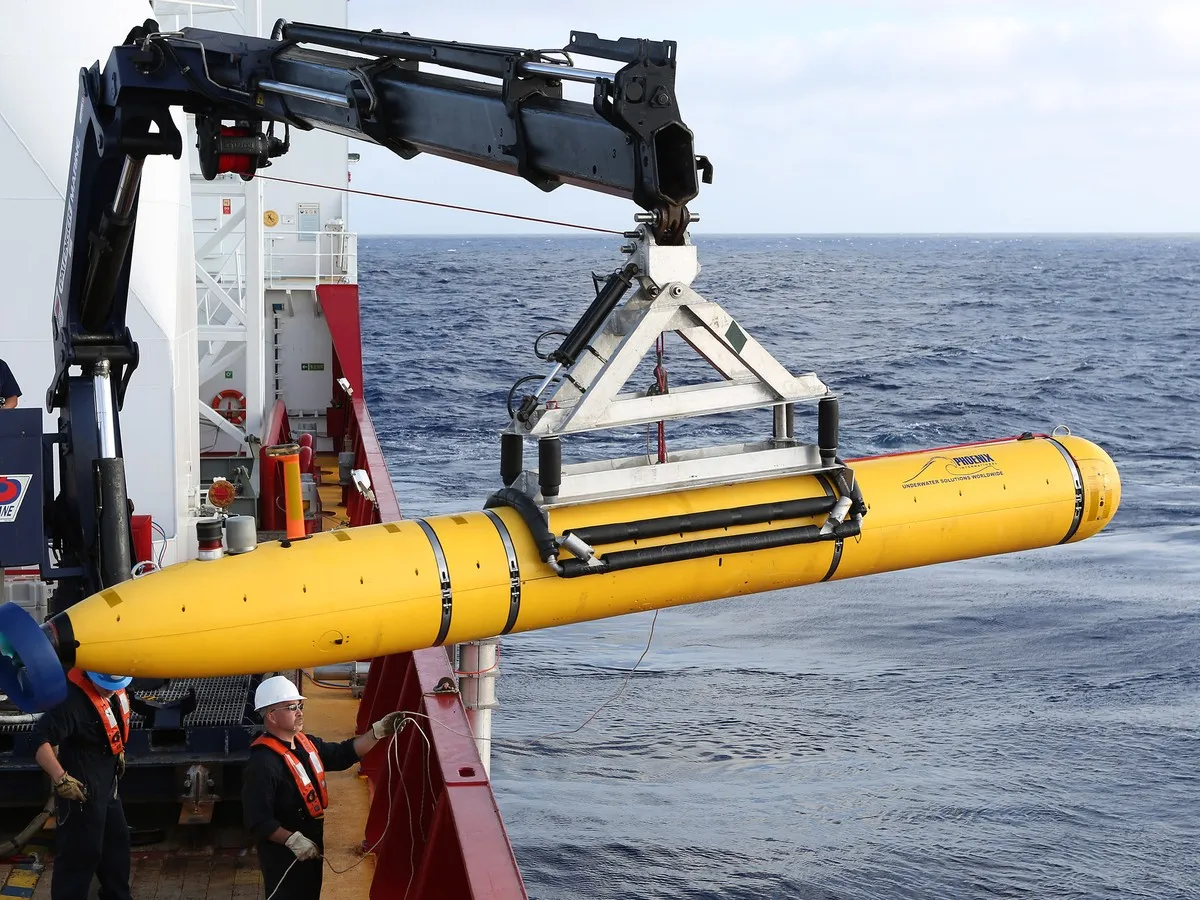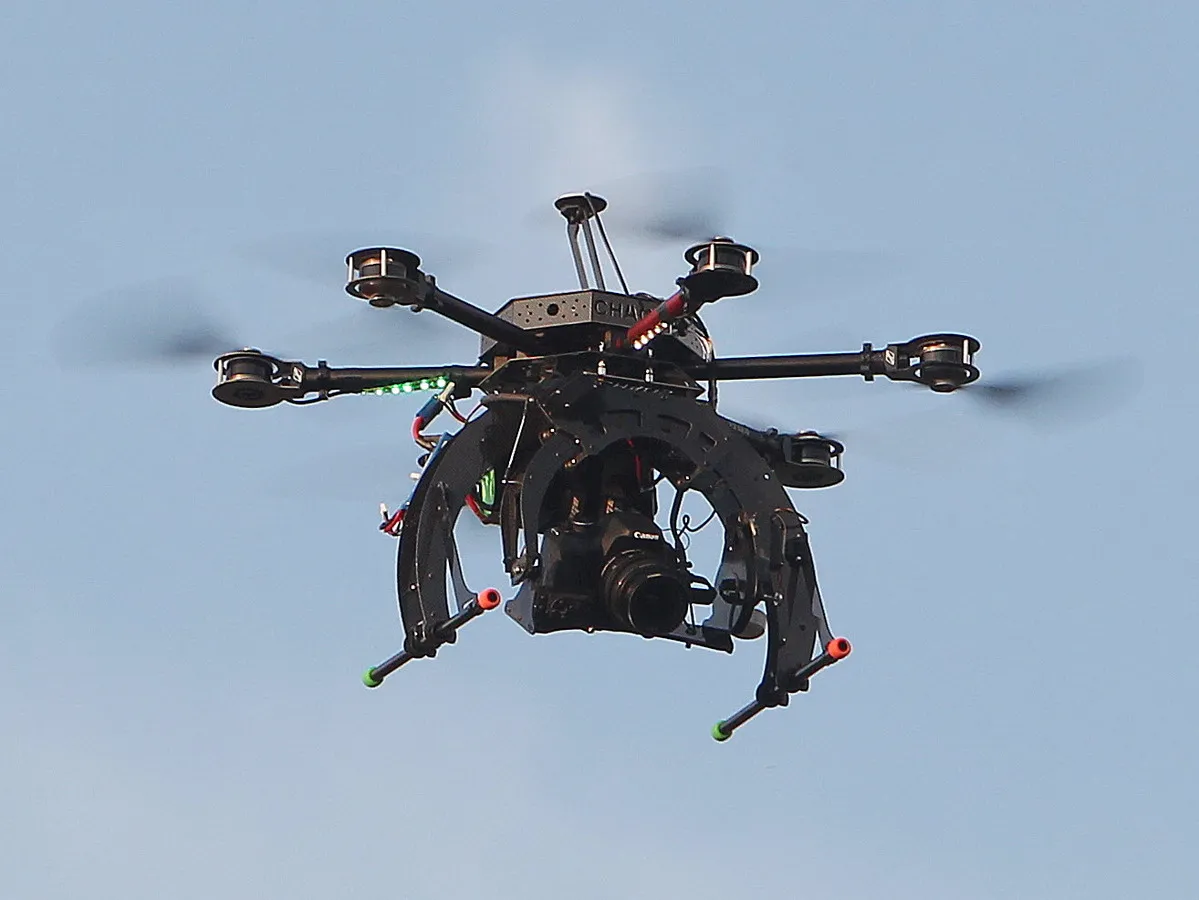
Skip to Content News Archives Economy Energy Oil & Gas Renewables Electric Vehicles Mining Commodities Agriculture Real Estate Mortgages Mortgage Rates Finance Banking Insurance Fintech Cryptocurrency Work Wealth Smart Money Wealth Management Investor Personal Finance Family Finance Retirement Taxes High Net Worth FP Comment Executive Women Puzzmo Newsletters Financial Times Business Essentials More Innovation Information Technology FP500 Podcasts Small Business Lives Told Tails Told Shopping Financial Post Store Obituaries Place a Notice Advertising Advertising With Us Advertising Solutions Postmedia Ad Manager Sponsorship Requests Classifieds Place a Classifieds ad Working Profile Settings My Subscriptions My Offers Newsletters Customer Service FAQ News Economy Energy Mining Real Estate Finance Work Wealth Investor FP Comment Executive Women Puzzmo Newsletters Financial Times Business Essentials HomeInnovationCanadian companies eye speed, quick contracts from Ottawa's new drone marketplace'(It's) about turning a company that produces several hundred drones a year into a company that can produce thousands of drones annually'Canadian companies are hoping Ottawa’s new drone marketplace will lower the barriers to getting high-volume defence contracts. Photo by David Bloom/Edmonton Sun filesCanadian companies are hoping Ottawa’s new drone marketplace will lower the barriers to getting high-volume defence contracts as the Mark Carney government accelerates the building of the country’s military capacity and defence industrial base.Subscribe now to read the latest news in your city and across Canada.Exclusive articles from Barbara Shecter, Joe O'Connor, Gabriel Friedman, and others.Daily content from Financial Times, the world's leading global business publication.Unlimited online access to read articles from Financial Post, National Post and 15 news sites across Canada with one account.National Post ePaper, an electronic replica of the print edition to view on any device, share and comment on.Daily puzzles, including the New York Times Crossword.Subscribe now to read the latest news in your city and across Canada.Exclusive articles from Barbara Shecter, Joe O'Connor, Gabriel Friedman and others.Daily content from Financial Times, the world's leading global business publication.Unlimited online access to read articles from Financial Post, National Post and 15 news sites across Canada with one account.National Post ePaper, an electronic replica of the print edition to view on any device, share and comment on.Daily puzzles, including the New York Times Crossword.Create an account or sign in to continue with your reading experience.Access articles from across Canada with one account.Share your thoughts and join the conversation in the comments.Enjoy additional articles per month.Get email updates from your favourite authors.Create an account or sign in to continue with your reading experience.Access articles from across Canada with one accountShare your thoughts and join the conversation in the commentsEnjoy additional articles per monthGet email updates from your favourite authorsSign In or Create an AccountorThe government last month launched the Defence Drone Initiative (DDI) to help the Canadian Armed Forces and Canadian Coast Guard swiftly develop, test and adapt drone and related technologies and services from a pre-approved list of qualified suppliers.Led by the Department of National Defence and the recently created Defence Investment Agency, the DDI has six initial priority procurement areas: drones, counter-drone systems, uncrewed ground vehicles, uncrewed maritime and underwater systems, drone munitions and payloads and deep precision strike systems.Get the latest headlines, breaking news and columns.By signing up you consent to receive the above newsletter from Postmedia Network Inc.A welcome email is on its way. If you don't see it, please check your junk folder.The next issue of Top Stories will soon be in your inbox.We encountered an issue signing you up. Please try againThis will also help build Canadian manufacturing capacity and establish a sovereign supply chain, Dana O’Born, chief strategy officer at technology advocacy group the Council of Canadian Innovators (CCI), said, which could translate into benefits for a range of homegrown firms from manufacturers and chipmakers to service and software providers.“There are lots of opportunities for Canadian companies on the front end, but also downstream on the systems that support the equipment going out into the marketplace,” she said.Larger and more established companies, such as major defence contractors or their Canadian subsidiaries, hold certain advantages like having security-cleared teams and evidence of contract deliveries and manufacturing capabilities, said Matthew de Mota, research director of emerging technology and national security at the Canadian Shield Institute, a policy-focused think tank.The government also wants to give a “lift” to Canadian small and mid-sized businesses to quickly move forward, he said, and the DDI encourages companies to apply even if they haven’t previously engaged in defence work.Companies say that they are encouraged by the speed that Ottawa is moving on the DDI. The first-round deadline to become a qualified supplier, a process known as a request for supply arrangement (RFSA), closed last Friday.“They announced (the DDI) only a few weeks ago. Companies had a three-week window to apply for the first round,” said Josh Ogden, founder and chief executive of Fredericton-based Aerial Vehicle Safety Solutions Inc., which makes drone components and safety systems, said. “That is a sign of somebody trying to make things happen.”He said his company, which submitted a first-round application, can be a sovereign supplier for the makers of low-cost drones that the CAF is seeking in large numbers.“We’re building flight controllers, motors, cameras, safety and flight termination systems … so that people can build (in Canada),” he said.Colin Ryan, chief operating officer at Mount Pearl, N.L.-based Solace Power Inc., which develops wireless power and data transfer technology for harsh environments, said the government’s pace on the DDI is a “massive sea change” from past years.The RFSA will reopen every three months until next July and then every six months until July 2031, which newer and smaller companies hope will give them time to substantiate and sell their products, then secure a qualified supplier slot and start bidding on tenders.Scott Suat Kenar, who founded Svaltar Aerospace, Defence and IT Services Inc. this year to provide cybersecurity software for drones, robots and autonomous systems, said his company is currently shopping its prototype to potential commercial and government clients, such as North Atlantic Treaty Organization (NATO) allies, but its end goal is to supply the Canadian defence ecosystem.“The DDI effectively opens the front door for smaller, innovative companies like us. It democratizes the competition,” said the former Turkish diplomat, who has experience in NATO and Arctic operations and cyber policy as well as working on IT systems for the Canada Revenue Agency.But companies and industry watchers will be tracking how fast tenders are announced, how quickly contracts get awarded and who the recipients are.“It’s the next stage, the next 12 months, that assesses the real opportunity” for Canadian businesses, Ogden said. “If you look at other (defence) programs, sometimes you’re waiting 60 to 180 days to find out if you qualify and another six to 18 months to know if you get contracts.”De Mota said the next stage of tenders and contracts will show whether the government makes good on its commitment to move quickly on contracts with smaller Canadian suppliers.But challenges remain for smaller Canadian companies beyond the initial stage of qualifying as a supplier, particularly with security clearance requirements and timelines, though the government and military are trying to streamline that process, said Romain Briard, director of solutions and market development at Quebec’s ARA Robotique Inc.“(It’s) about turning a company that produces several hundred drones a year into a company that can produce thousands of drones annually … to synchronize our production capability with defence expectations,” he said. Join the Conversation This website uses cookies to personalize your content (including ads), and allows us to analyze our traffic. Read more about cookies here. By continuing to use our site, you agree to our Terms of Use and Privacy Policy.
Canadian companies eye speed, quick contracts from Ottawa's new drone marketplace
Canadian companies are hoping Ottawa’s new drone marketplace will lower the barriers to getting high-volume defence contracts. Find out more
TL;DRAI
Canada's Defence Drone Initiative opens pre-approved marketplace with three-week application windows for drone systems, targeting SMBs. Signals procurement shift to agile suppliers for drone autonomy—key decision point for tech stack planning and Canadian supply chain partnerships.
1,267 words~6 min read