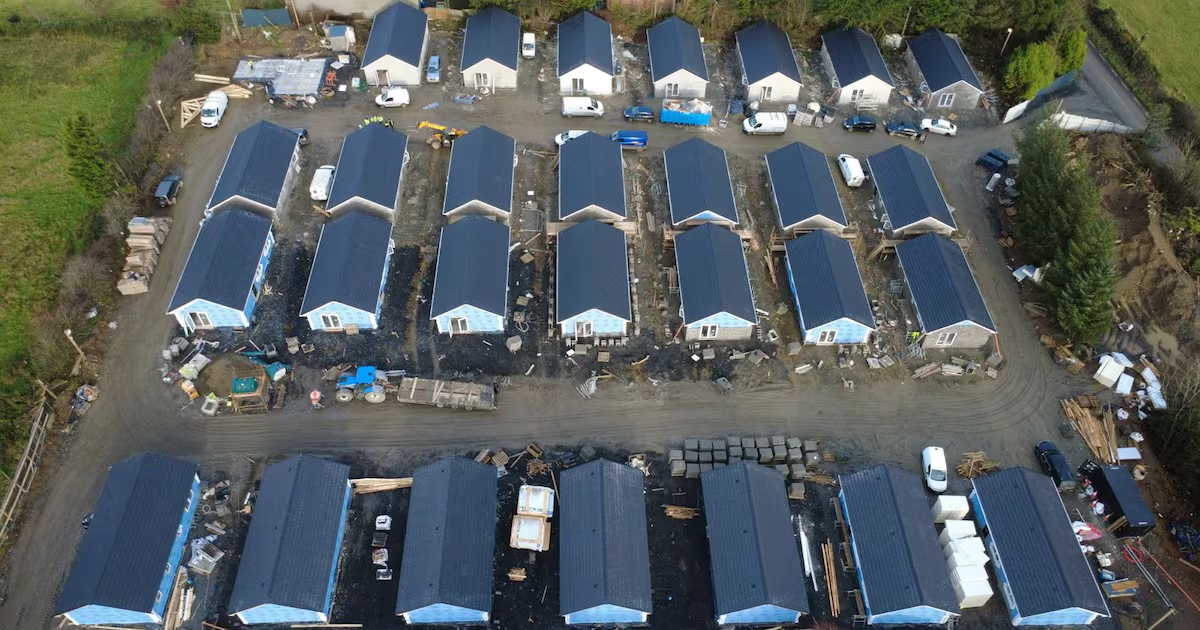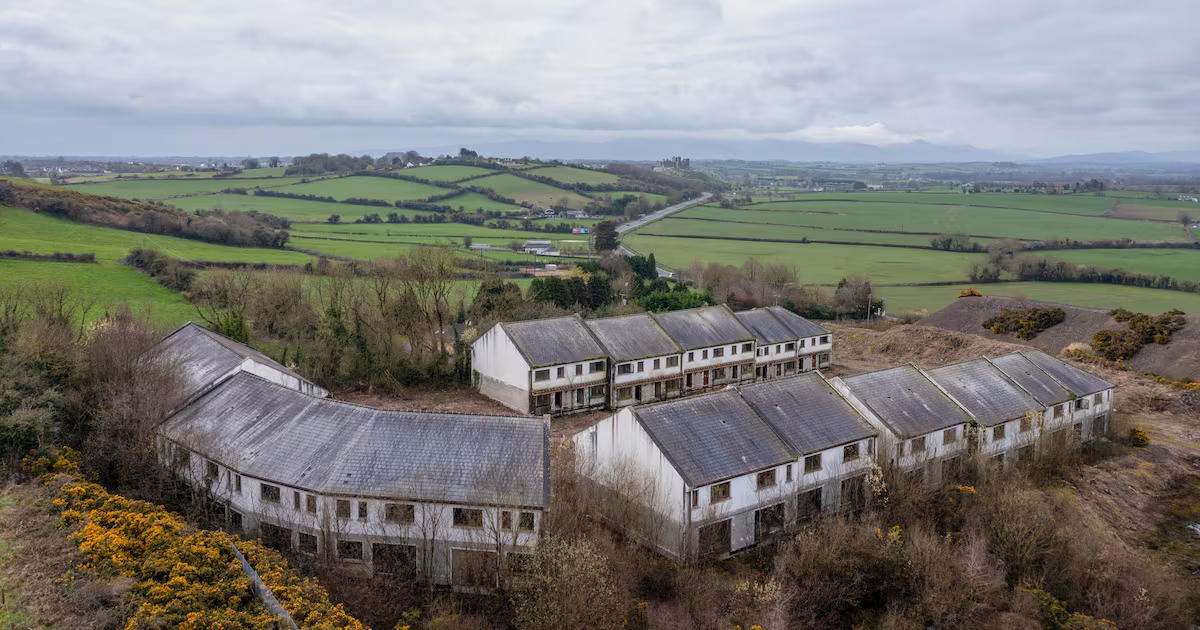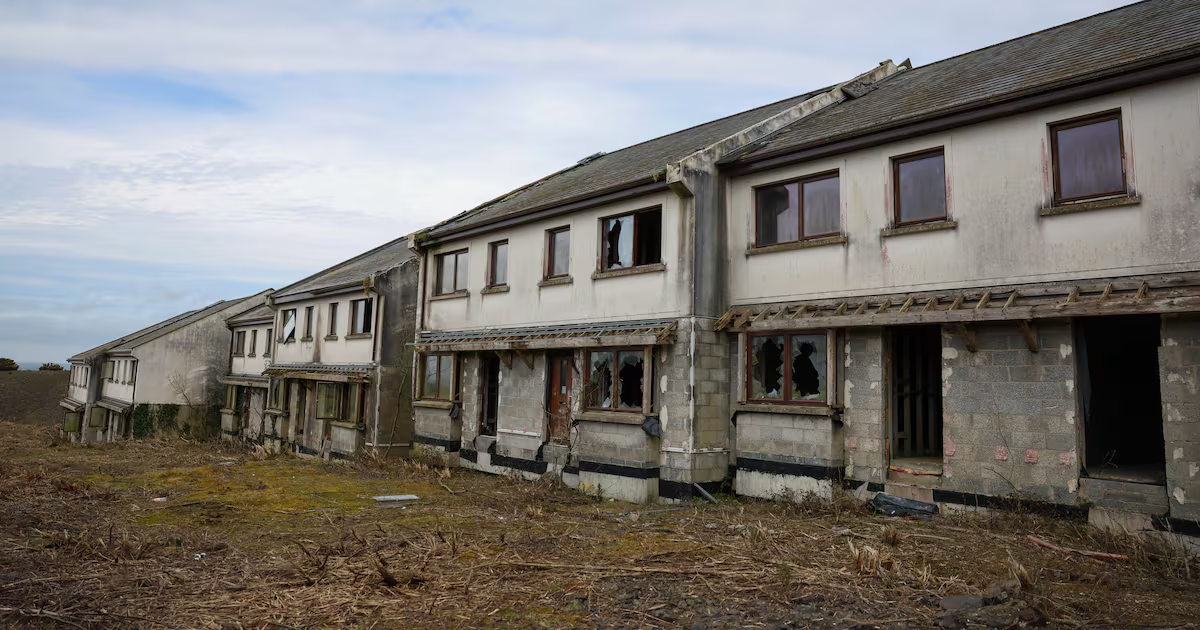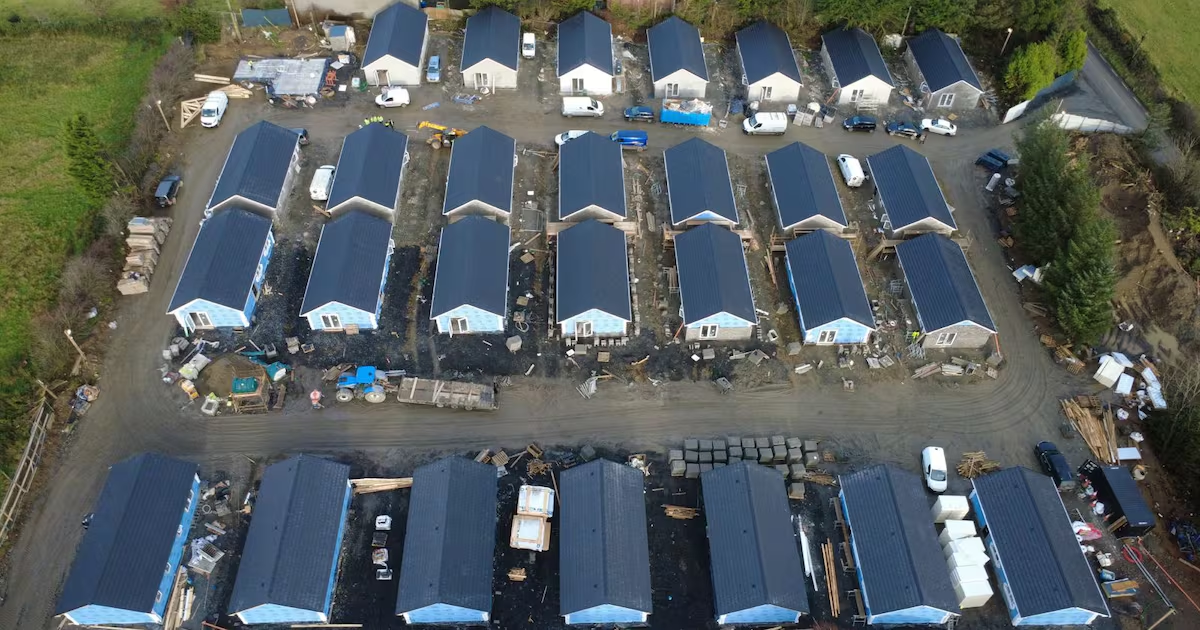
A plan for the demolition of 29 modular homes built near Brittas, Co Dublin, without planning permission and reinstatement of the site has been approved by the High Court. Branach Developments, the developer, with a registered address at Thomastown, Caragh, Co Kildare, and the site owners, Mullnassa and Threshford with registered addresses at Rock Road, Blackrock, Dublin, must also pay costs incurred by South Dublin County Council and a local resident, John O’Neill, in challenging the development. The costs orders include one requiring BKC Solicitors, for O’Neill, be paid €60,000 on account by August 7th.A judgment by High Court judge Richard Humphreys, published on Friday, sets out a timeline for specific actions to be taken.These concern demolition and site remediation up to an inspection by a South Dublin County Council engineer on November 2nd confirming approval of the landscaping plan.There was broad agreement by the parties about the steps required, the judge noted.The actions include appointment of contractors for demolition works between July 6th and August 17th and the commencement of some demolition works before August 17th, including the removal of windows, doors, roof tiles and any other salvageable materials.Required actions between August 17th and September 21st include the demolition or deconstruction of all units, including the breakout and removal of foundations and the removal of all new roads and footpaths.The plan provides for a “post-clearance visual validation” to be carried out by a council engineer, between September 21st and 28th, confirming complete removal of all structures, foundations and buried waste, if any, before any topsoil is placed.Other steps to be taken from then over specified periods ending on November 2nd include soil remediation and landscape reinstatement, hedgerow and tree-planting.The plan follows the judge’s decision in June directing the 29 houses must be removed and the “highly sensitive” site remediated in line with a specified remediation plan.In a subsequent direction to the respondents to provide a €150,000 bond, the judge said that although that would only cover “a fraction” of the cost of the works required, it would provide “some assurance that the remediation will actually be carried out”.
Judge approves demolition of 29 modular homes built without permission in Dublin
Plan means site near Brittas must be remediated in full by November
349 words~2 min read