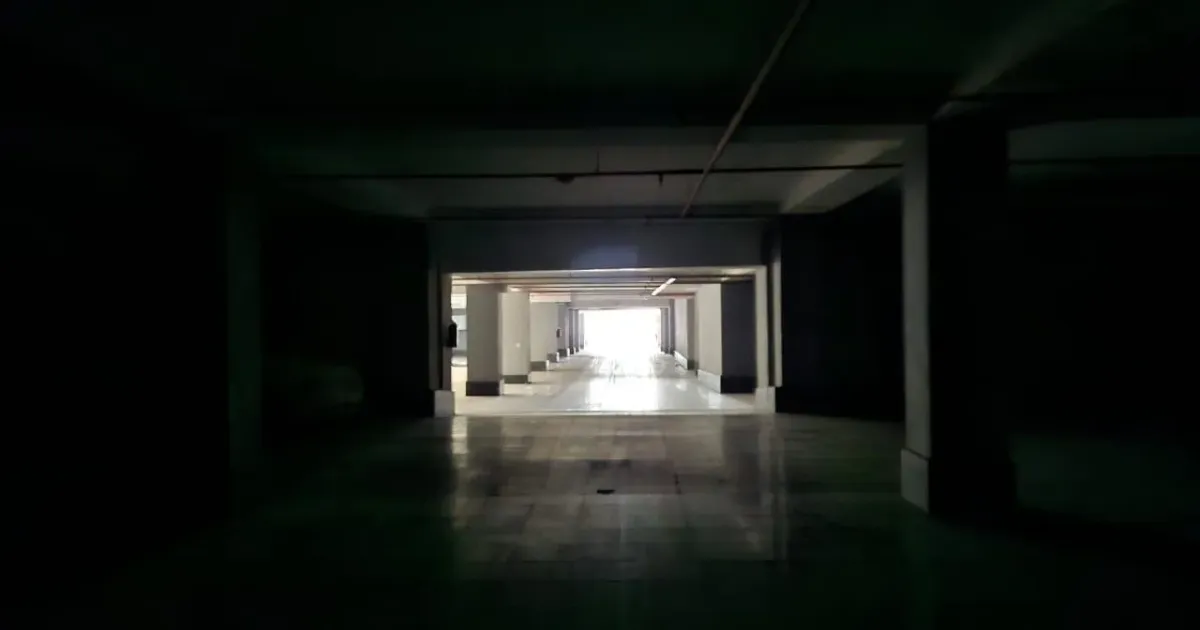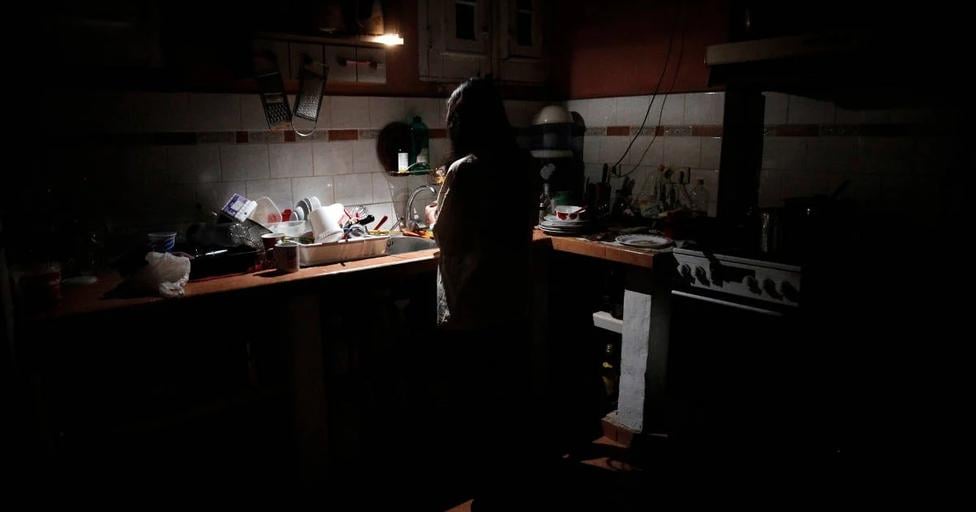
With the arrival of summer, power outages have once again plagued Iran. In Tehran and Karaj, rolling blackouts have extended beyond administrative and industrial sectors, deeply affecting residential and commercial districts. In several neighbourhoods, power is cut for 1.5 to three hours daily on a rotating basis, at any time between 8:30 AM and 11:30 PM. The primary public grievance remains the unpredictability of the schedule and the failure of actual outages to align with the timetables published by the electricity distribution company.
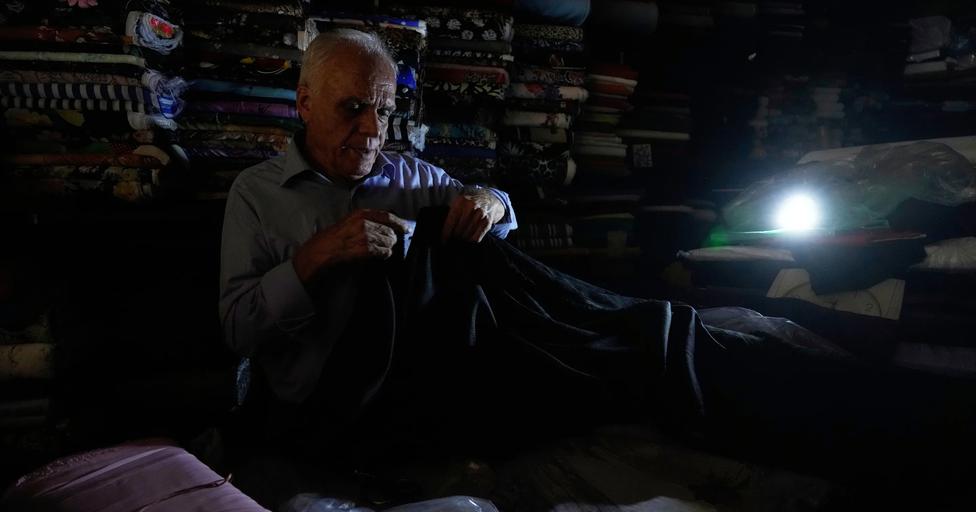
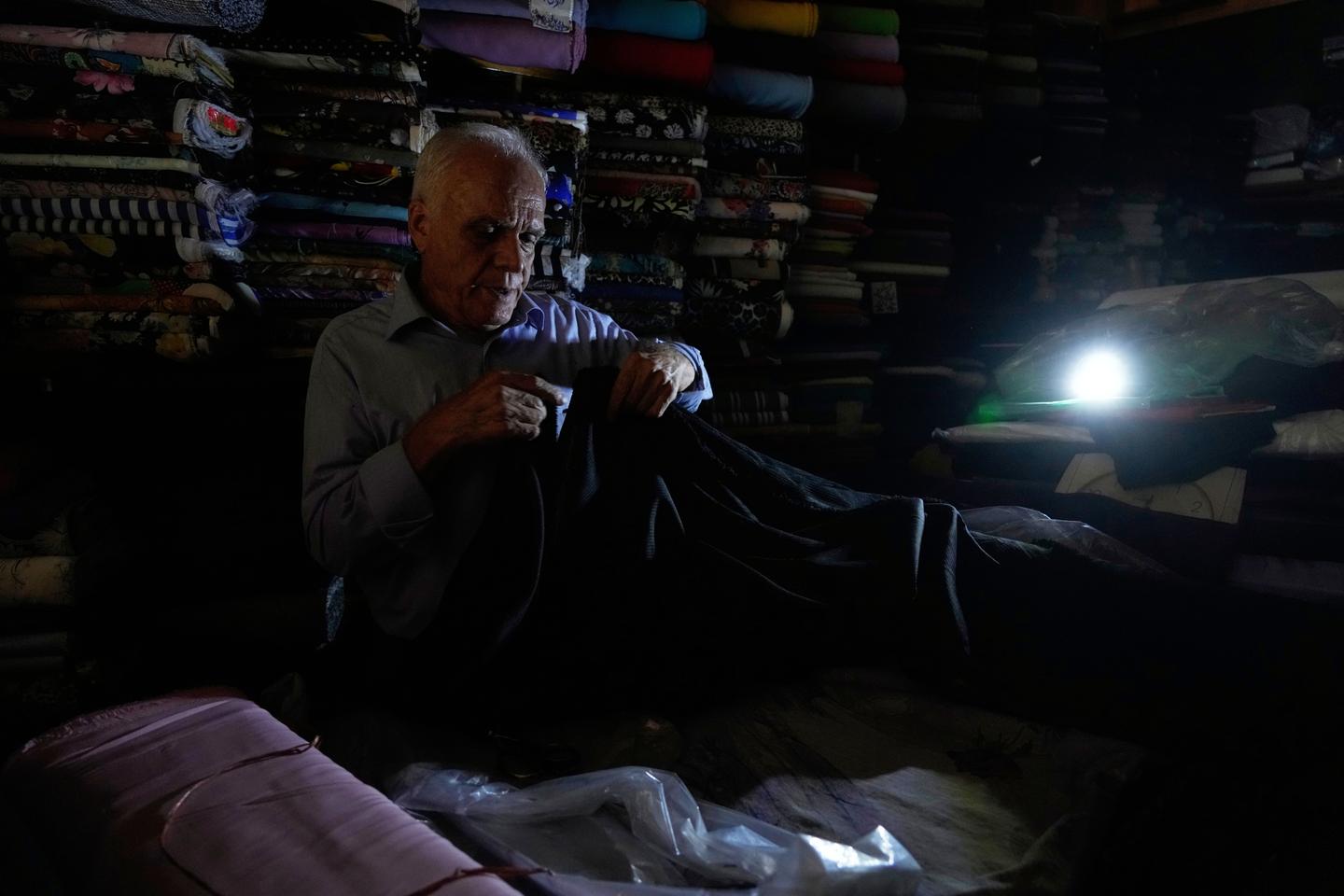
In cities such as Mashhad and Isfahan, which have a high concentration of commercial shops in their city centres, late-afternoon blackouts strike during peak business hours, causing severe financial strain on shopkeepers. The crisis is even more pronounced in northern and southern coastal provinces, where a power outage causes cooling systems to fail amid soaring humidity and heat, effectively paralysing both domestic life and small workshops.
“The power went out right at 4:00 PM, in the middle of our second baking shift. Two large sacks of flour were inside the dough mixer, and the automatic roller ground to a halt. If lavash dough sits for more than 40 minutes, it turns sour, spoils, and loses its elasticity, meaning it will no longer stick to the side of the clay oven. We had no choice but to dump the entire batch into the waste barrels. We lost nearly 700,000 tomans in flour and yeast alone, while the workers’ wages still had to be paid in full.”