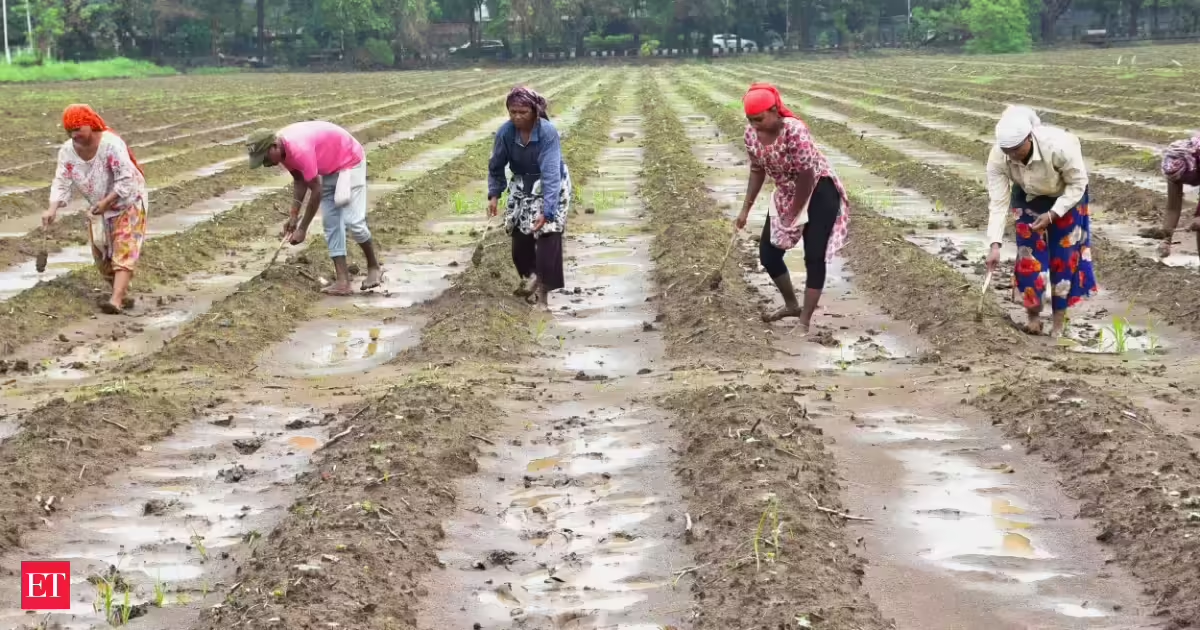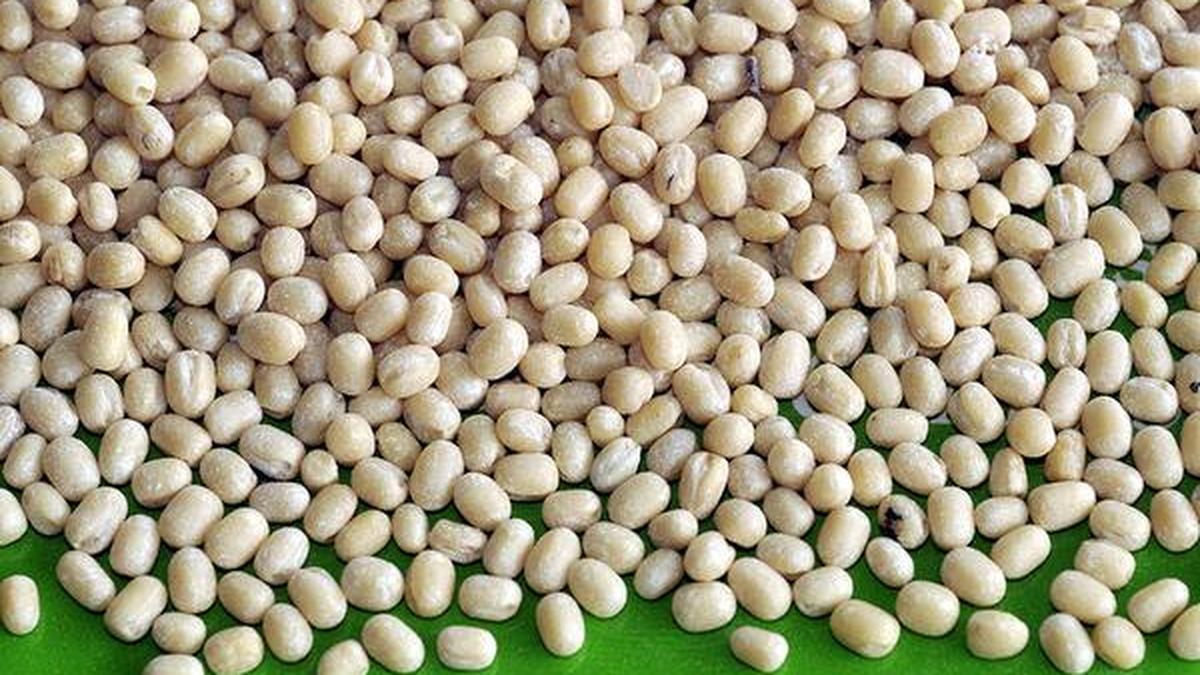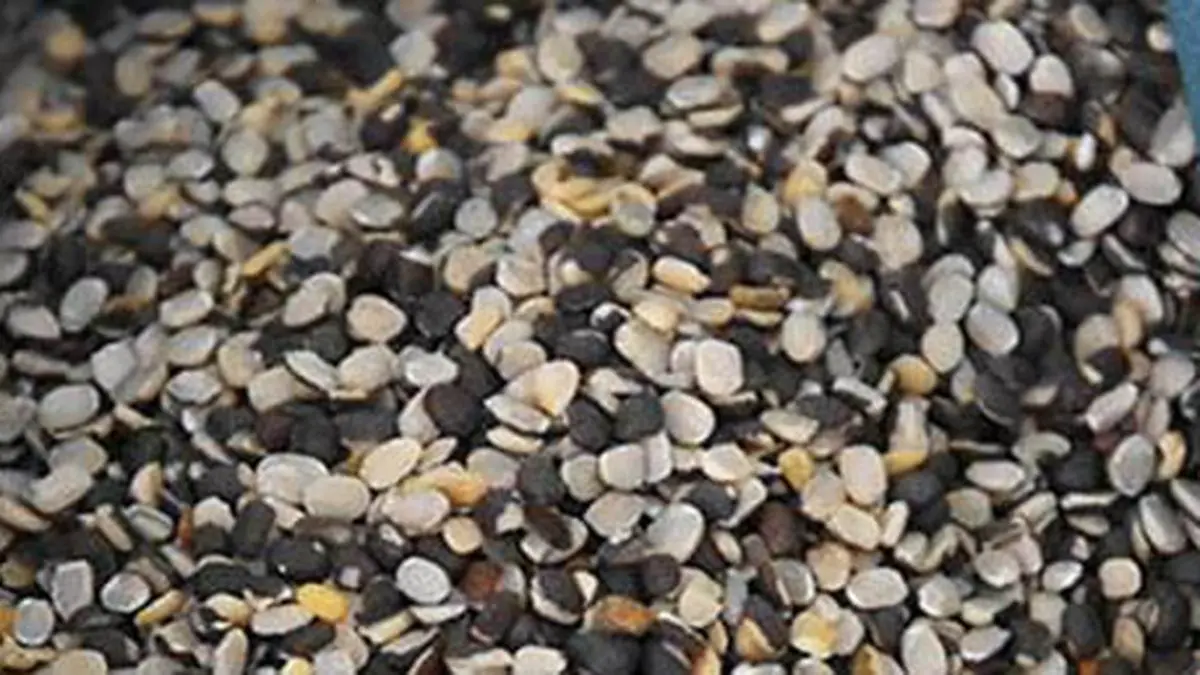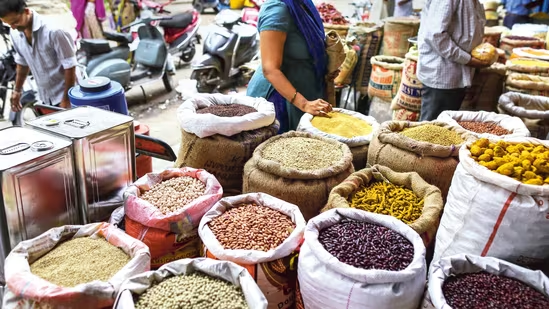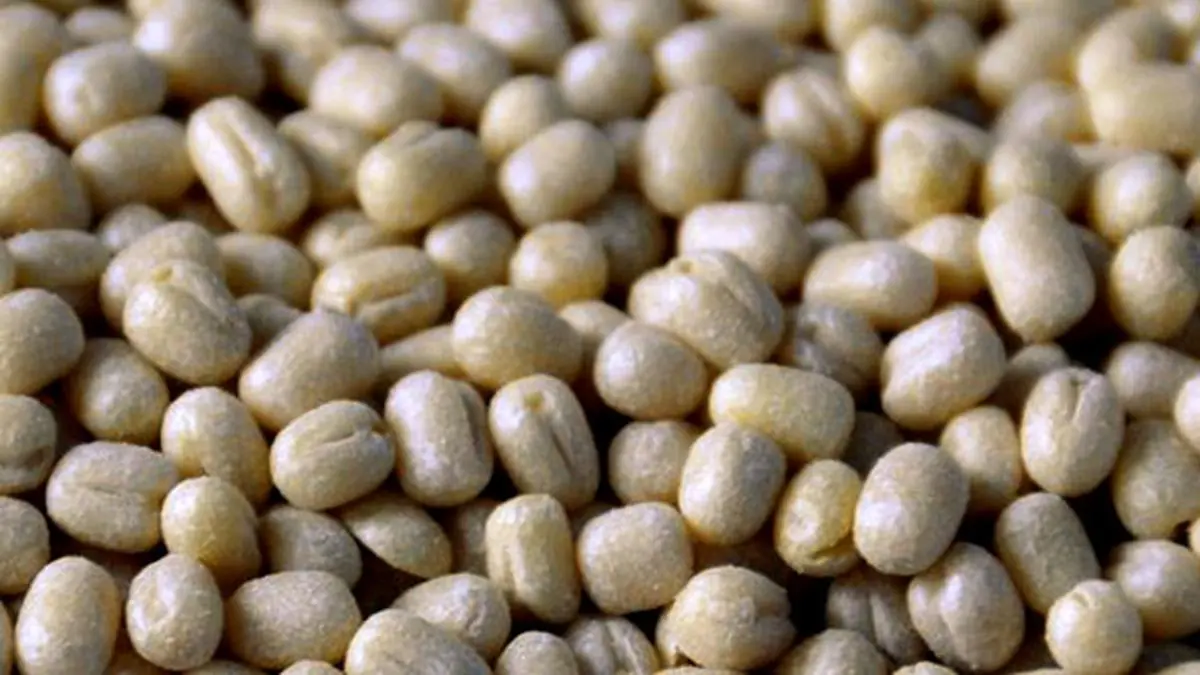
Urad (black matpe) leads the firm trend in prices of pulses on tight supplies, a rebound in demand and concerns over deficit rain affecting kharif sowing. The all-India average wholesale mandi prices of urad, as collated by the Agriculturei Ministry on the UPAG portal, have increased by about 20 per cent over the past month, while the trend in other pulses varieties has been mixed.The price rise in urad is due to a range of factors such as the demand-supply gap, rebound in demand, rise in prices in origins such as Myanmar and Brazil, a weaker currency and partially due to the fears of deficit rain hurting the kharif sowing, according B KrishnaMurthy of Four P International, an importer in Chennai.The sowing of urad as of July 17 was 13.51 lakh hectares, some 6 per cent lower than the same period last year.Output down last yearIndia’s urad production was down last year (2025-26) at 21.60 lakh tonne from 22.42 lakh tonne the previous year, resulting in tight supplies. With yields being lower in other key producing countries such as Myanmar and Brazil, due to the impact of adverse climate, prices have moved up in the origins in the recent past. The trade in these countries knows that India has a shortfall in urad crop, said Rahul Chauhan of IGrain India.The CNF prices for Myanmar origin black matpe for July delivery in Chennai, which stood at $825 per tonne for the fair average quality 2026 crop on June 15, have now increased to $935. Similarly, superior quality 2026 is now quoting at $1,030 per tonne against $905 a month ago, as per the IPGA data.“The yield in Myanmar is down by 30 per cent as per trade estimates. The 2025 Myanmar crop, which was about 1 million tonne , is certainly not more than 7 lakh tonne this year as the crop had suffered yield loss due to the yellow mosaic virus disease,” said Krishnamurthy.Similarly, in Brazil, the trade was estimating a production of about 4.5 lakh tonne, but now fear it is down to 3 lakh tonne, because of the unfavourable climate he said.Rabi crop lossAlso, rabi crop in Andhra faced a yield loss of around 15-20 per cent, and the crop this year was picked up by some 6-7 northern States, which was quite unusual, resulting in reduced stocks, Krishnamurthy said.“On top of all this, El Nino has started playing out, but even then people are not carrying stocks. People, who had suffered losses in the past couple of years, are just running hand-to-mouth.” he said.Lower ImportsAs per the import data from the Department of Commerce, compiled by the India Pulses and Grains Association, urad imports during the January-May period of calendar 2026 stood at 2.93 lakh tonne, lower than 3.83 lakh tonne a year ago.Imports from Myanmar stood at 2.35 lakh tonne during January-May and from Brazil 37,780 tonne. Urad imports from Thailand stood at 11,228 tonne and other origins were 8,124 tonne.Published on July 17, 2026
Urad prices surge on tight supplies, rise in rates in origins
Urad prices rise 20% due to tight supplies, demand rebound, and concerns over weak monsoon affecting kharif sowing.
499 words~2 min read