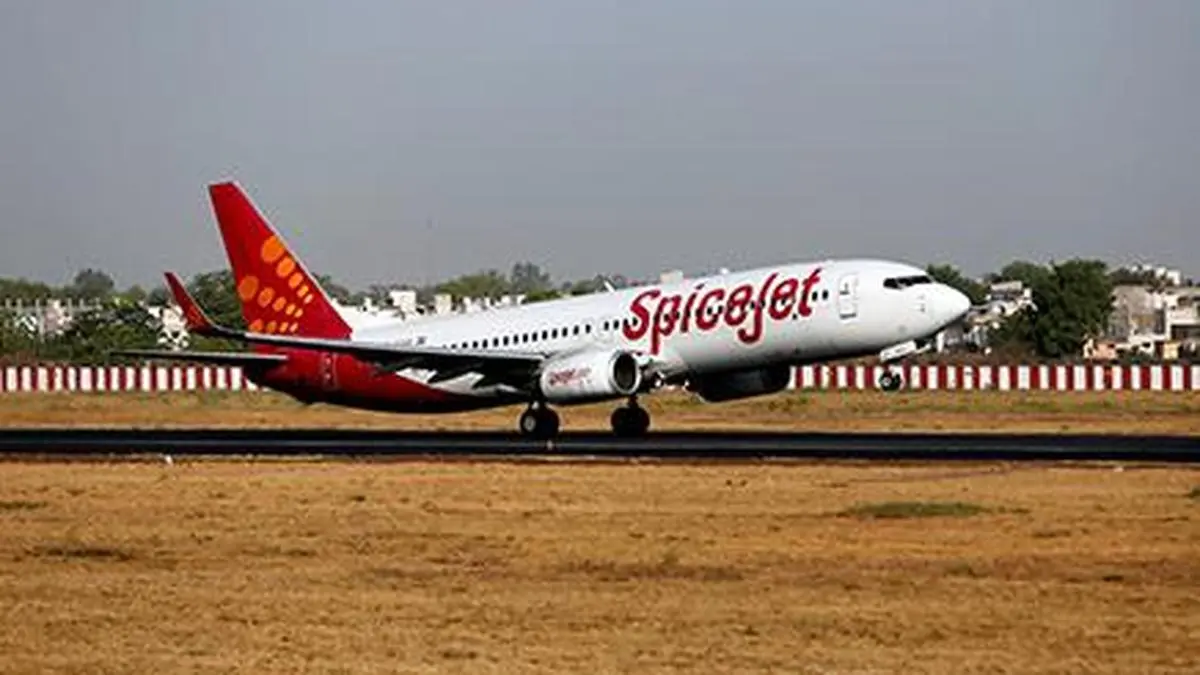
The CCPA’s order flagged three distinct dark patterns on SpiceJet’s platform
| Photo Credit:
The Central Consumer Protection Authority (CCPA) on Friday said it has imposed a penalty of ₹1 lakh on SpiceJet Ltd for deploying deceptive design practices, also know as dark patterns on its flight booking platform. An inquiry found that consumers were being automatically enrolled into the SpiceClub Loyalty Programme, through a checkbox that was pre-ticked by default.In a social media post, Cosumer Affairs Minister Pralhad Joshi said, “Consumer choice must be informed, not manipulated .The Central Consumer Protection Authority (CCPA) has imposed a penalty on SpiceJet airlines for deploying deceptive “dark patterns” on its flight booking platform and directed the airline to permanently discontinue default-consent practices. The action reinforces that consumer consent must always be explicit, informed and freely given.”The Authority observed that customers were deemed to have consented to receiving promotional messages, since the option to opt in was already selected without any action on their part. The CCPA noted that even after it issued a notice to the airline, SpiceJet merely swapped one pre-ticked checkbox for another, this time for promotional messages via SMS, WhatsApp and email, effectively continuing the same practice in a different form. SpiceJet’s representatives told the authority during proceedings that the lapse was the result of a technical error. The company has since been directed to submit an undertaking confirming that corrective measures have been implemented and will remain in place permanently. The CCPA’s order flagged three distinct dark patterns on SpiceJet’s platform. The first one was “forced action” — automatic enrolment of users into the SpiceClub Loyalty Programme via a pre-ticked checkbox. The other dark pattern was “Interface interference,” which presented the company’s preferred option as the default choice to nudge consumer decisions. The third one was “Trick question” — use of confusing, negatively worded consent language likely to mislead users. CCPA said such practices “impair consumer autonomy, undermine informed decision-making” and run counter to the principles of fair and transparent consumer engagement. CCPA held that SpiceJet’s conduct violated provisions of the Consumer Protection Act, 2019, relating to unfair trade practices, unfair contract terms and misleading representations.It also found the airline in breach of Rule 4(9) of the Consumer Protection (E-Commerce) Rules, 2020 — which mandates that consumer consent be obtained through explicit, affirmative action — as well as the Guidelines for Prevention and Regulation of Dark Patterns, 2023. The order noted that consent secured through pre-ticked boxes, default settings, or deceptive interface design does not qualify as valid consent under law and is contrary to consumer welfare. Published on July 17, 2026