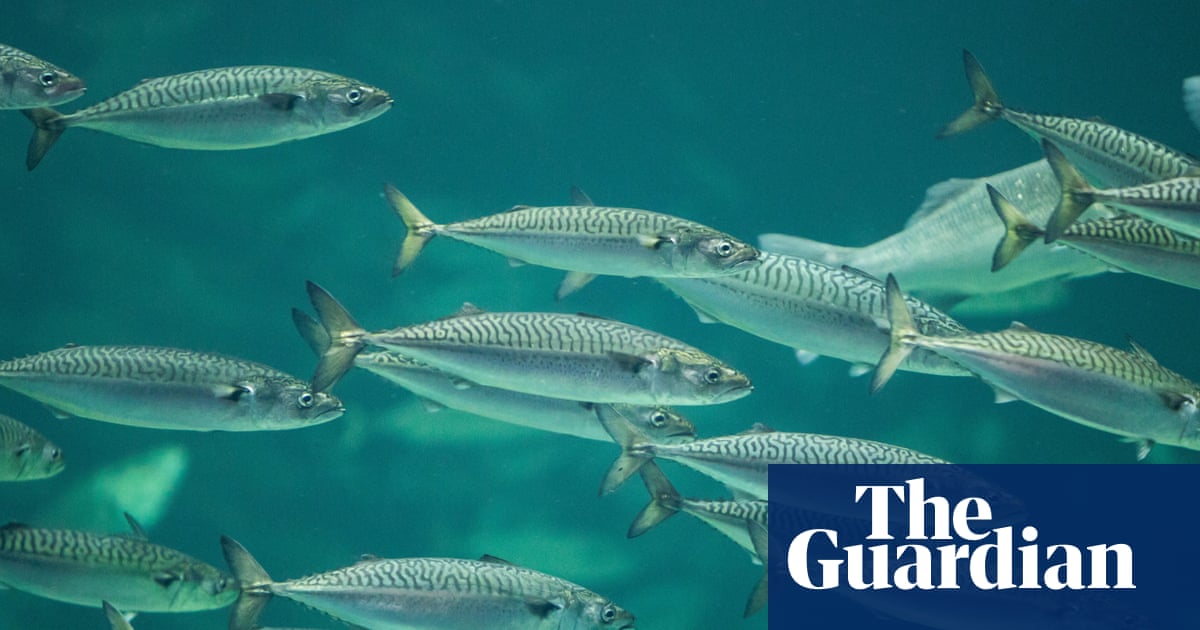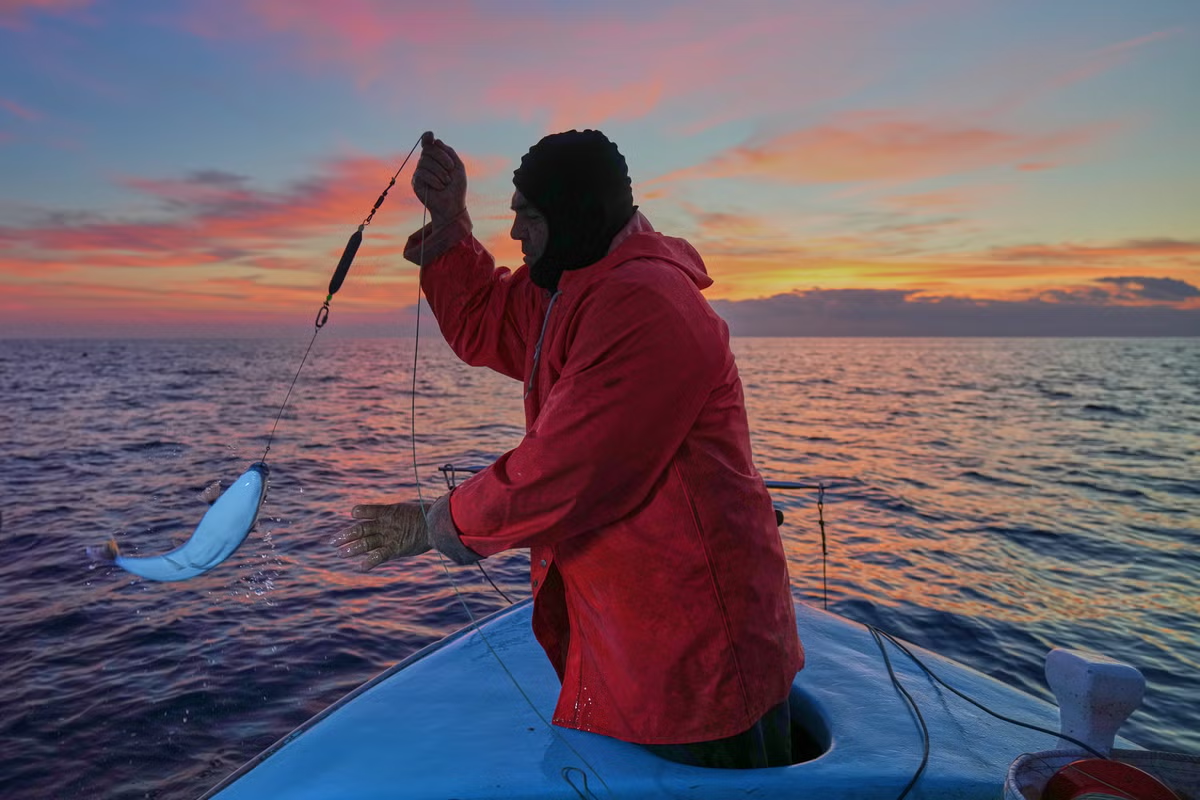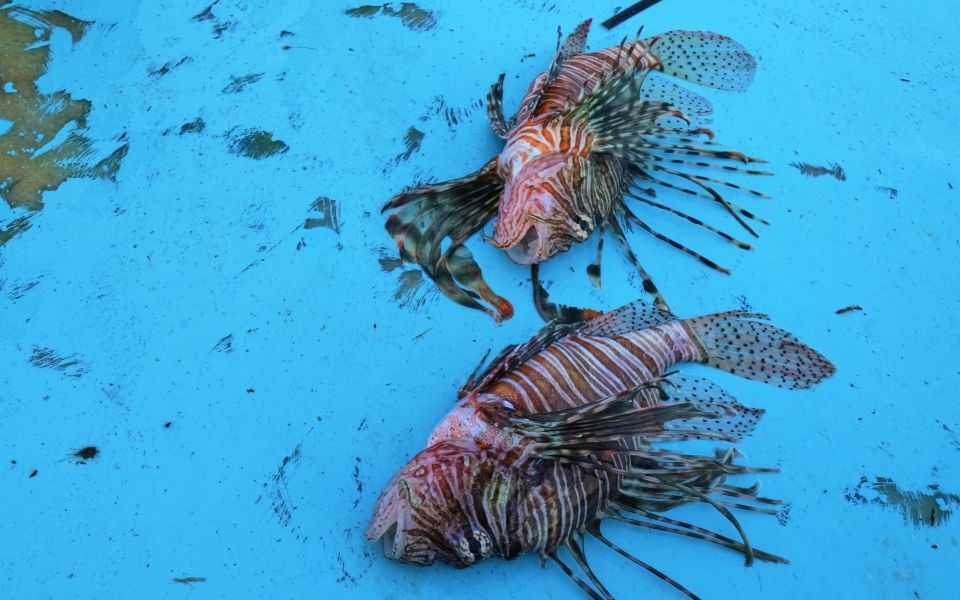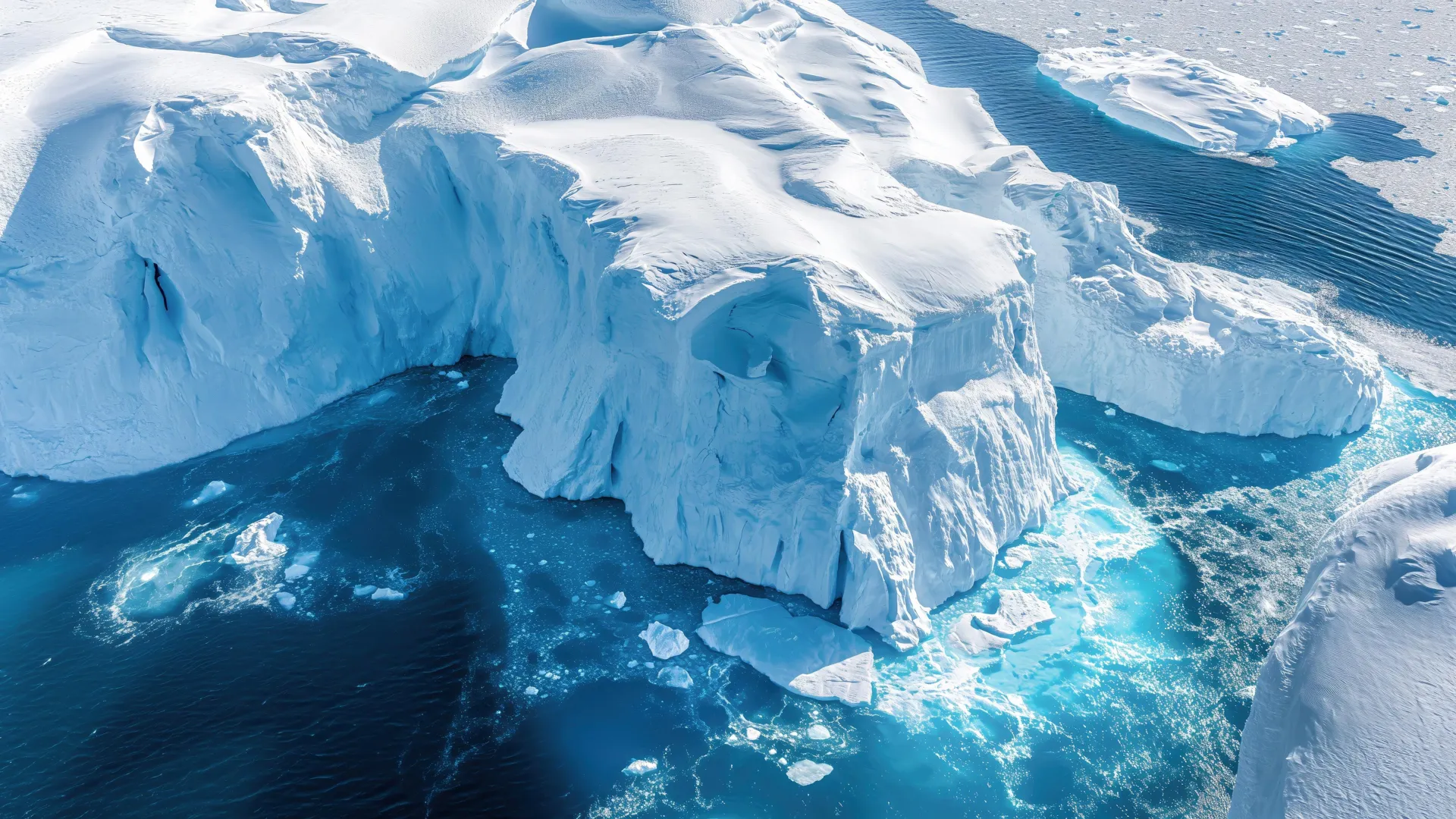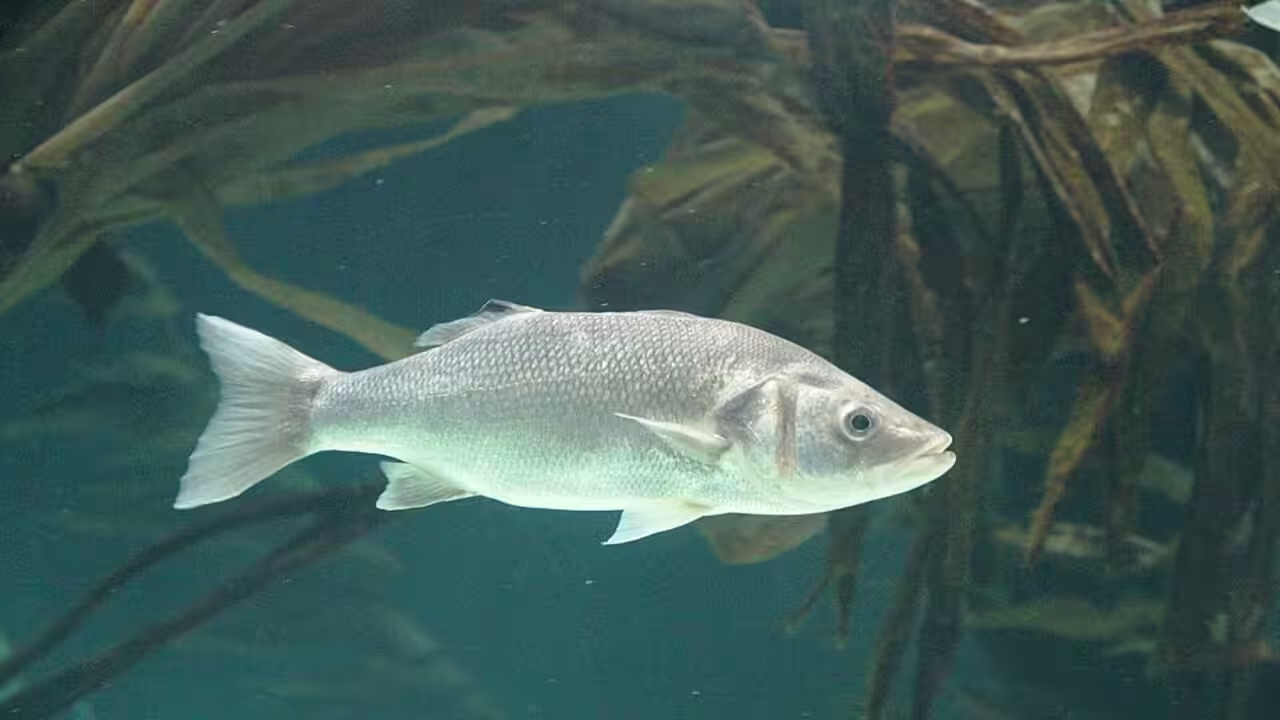
European fish are moving into deeper waters as oceans warm significantly. Image Credit: Wikimedia CommonsScientists have predicted that climate change will push marine organisms toward cooler waters, both poleward and into deeper waters. But when it came to north-south shifts in fish populations, the results were unexpected. A study published in Nature Communications reported that, analysing four decades of survey data from across the European continental shelf, many marine fish populations have been moving towards deeper water regions in response to warming oceans. But when it came to the north-to-south migration pattern of fish, things were not as predicted. The north-to-south migration was observed to be as probable as the deep-water migration pattern.Marine biologists had anticipated this sort of movement because deep water could remain cold despite the heating up of the surface due to climate change. The planet’s oceans have been getting warmer since the 20th century, absorbing well over 90 percent of the energy created by the human impact on climate. However, the research found that the migratory behavior of European fish was much less predictable than expected.Four decades of surveys reveal widespread deep-water movementThe study used 92,961 bottom trawl samples collected over 40 years from 607 fish species in Europe. The researchers used the database to assess changes in fish populations by depth, latitude, and distribution. According to the study, nearly 60% of fish populations moved into deeper waters.A Nature article says that as oceans warm, many marine organisms are expected to move toward cooler areas, often northward. Previous studies have shown that many marine organisms migrate towards cooler areas. But the new analysis found a nearly even split. Around 49 percent of the population shifted towards higher latitudes, while 51 percent moved towards lower latitudes. The authors say this is because the species are not reacting just to temperature. Fish distribution depends on various factors like food sources, habitat, interaction with other species, and fishing activity.European waters are changing rapidlyThe European marine regions studied include areas such as the North Sea, Celtic Sea, Baltic Sea, English Channel and other surrounding waters. The European Environment Agency (EEA) uses ICES Database Trawl Surveys (DATRAS) data to track changes in fish distribution across areas including the North Sea, Baltic Sea, English Channel, Celtic Sea, and other European marine regions.Previous studies have documented the effects of global warming on oceans. A study published in Science found that many marine species are shifting their distributions in latitude and depth to track changing ocean temperatures, with many populations moving poleward or into deeper waters.European fish are moving into deeper waters as oceans warm significantly. North-south migrations are occurring with nearly equal splits in direction. Image Credit: Wikimedia CommonsFishery pressure might also affect fish migrationsThe study indicates that the variations in fishing pressure in parts of Europe might have affected the dynamics of some of the fish populations. Some fish populations have been able to recover due to better management of fisheries in European waters, even though others remain vulnerable to overfishing and environmental shifts. The scientists say it is important to understand how warming and fishing pressure will affect fish movements in the future.Importance of the problem in the context of the future development of European fisheries Fish relocation can affect marine ecosystems, the fishing industry, and the supply of fishery products in Europe. If fish begin to redistribute themselves geographically and vertically, the commercial fisheries may require some changes. The economic difficulties may arise among fishing communities because of the departure of important species.There were no particular trends identified in fish migration processes under the influence of climate change in European seas. With the ongoing temperature increase, scientists argue that it will be necessary to monitor the fish movements to manage the resource. To sum up, fish migration in Europe is not just the process of escaping from the warming.
Europe’s fish are sliding deeper as oceans warm, but the north-south story is far less simple than scientists expected after 40 years of surveys
Scientists have predicted that climate change will push marine organisms toward cooler waters, both poleward and into deeper waters. But when it came to north-south shifts in fish populations, the results were unexpected.
639 words~3 min read