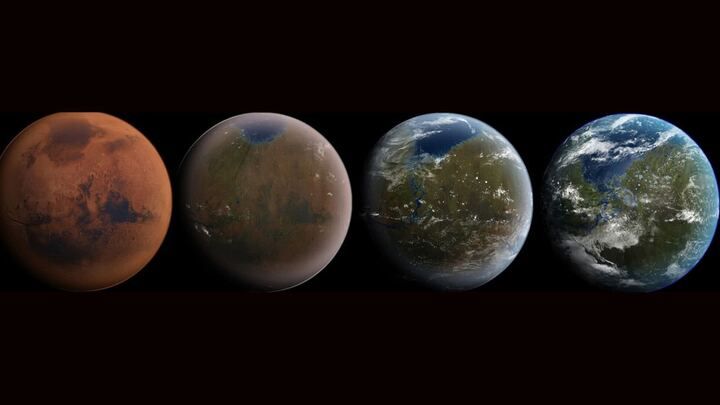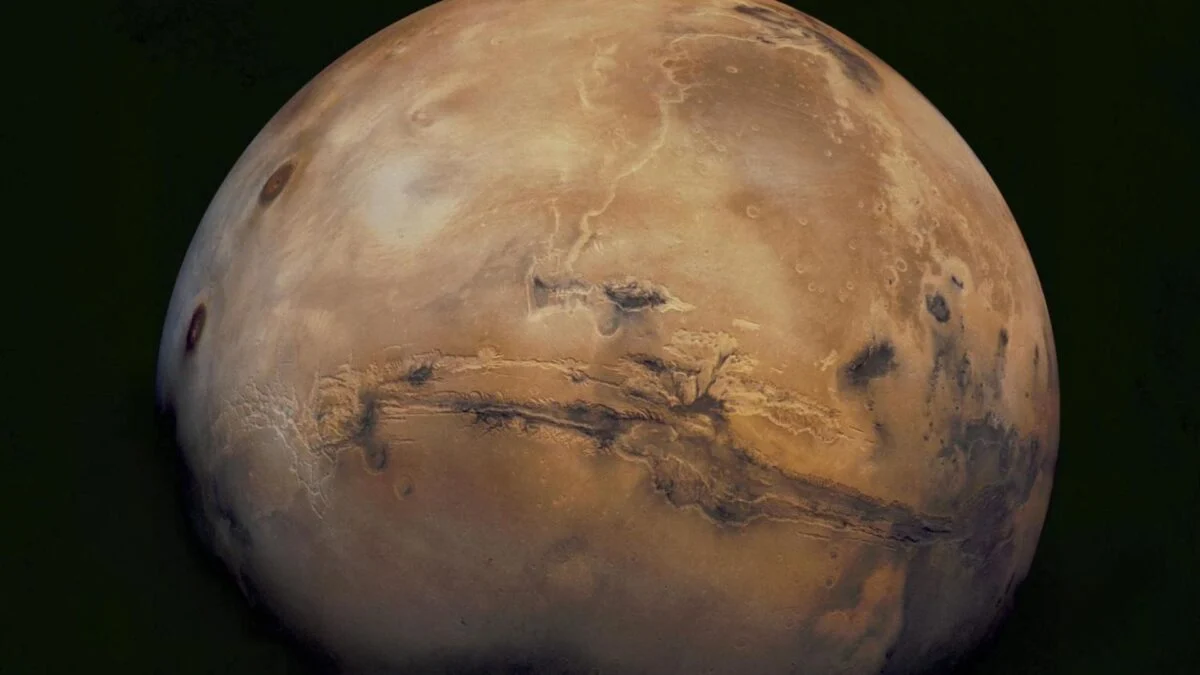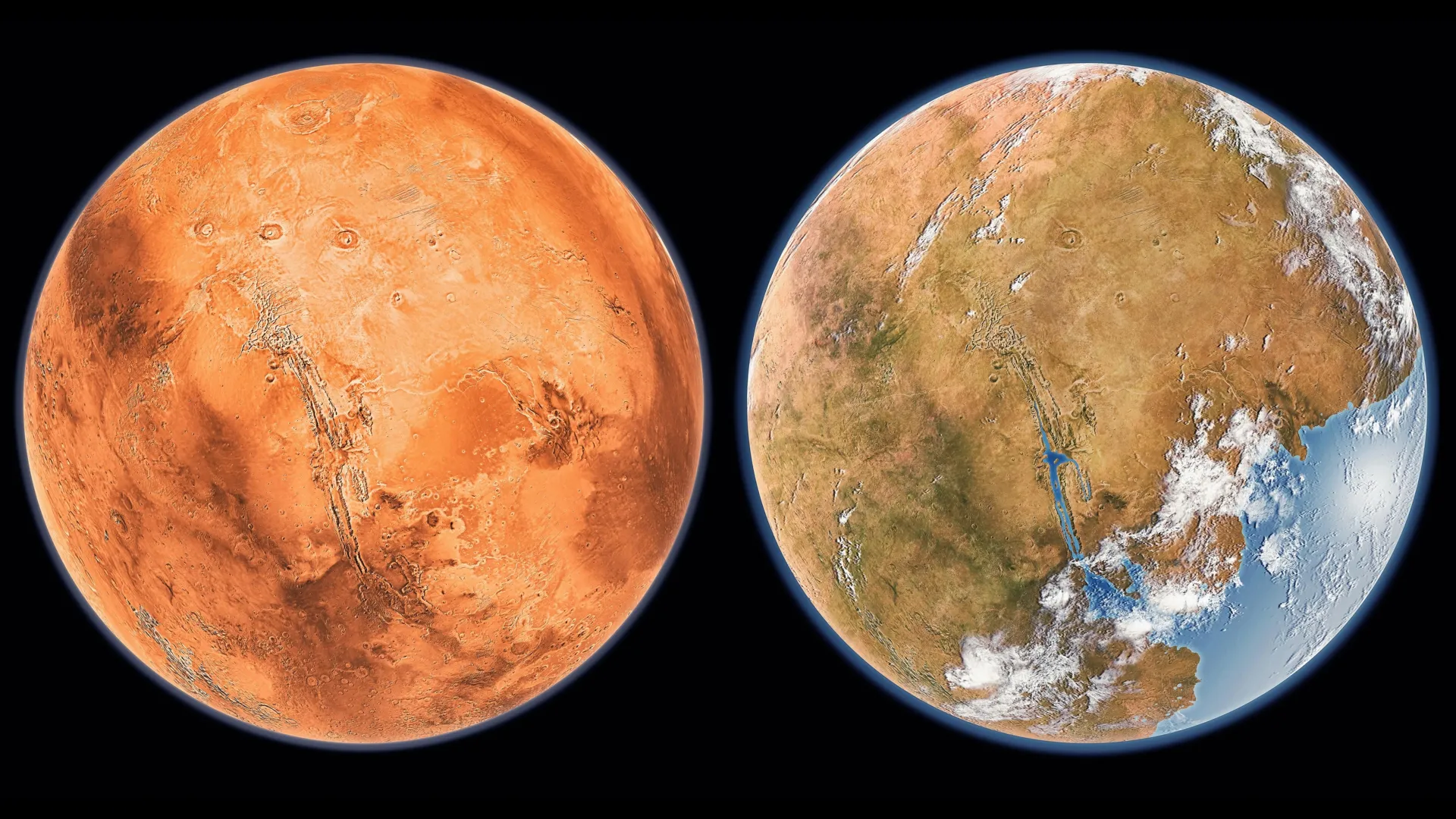
Terraforming is the process of reshaping a planet or moon so it can support humans and other Earth-like life. In theory, that means changing an alien world's atmosphere, climate, and surface to more closely resemble Earth's by adding oxygen, creating stable bodies of liquid water, and producing temperatures suitable for life. Mars has long been considered the leading candidate, with proposals ranging from releasing greenhouse gases to warm the planet to using microorganisms that could slowly generate oxygen over many centuries.
For decades, the concept of terraforming Mars has lived mostly in the realm of science fiction. Although the vision of turning the cold, dusty planet into a living world has inspired generations, most scientists viewed it as far beyond our technological reach. A new workshop summary, however, argues that recent advances mean terraforming should now be treated as a legitimate area of scientific research, even if any real attempt remains far in the future.
Dr. Erika DeBenedictis, CEO of Pioneer Labs, authored the summary prepared for the 2025 Green Mars Workshop. She argues that while terraforming Mars was effectively impossible just a few decades ago, major technological progress has changed that assessment. Potentially dramatic reductions in launch costs from SpaceX's Starship, along with breakthroughs in synthetic biology and climate modeling, have shifted the discussion. Rather than asking whether terraforming violates the laws of physics, researchers believe the more important questions are whether humanity should pursue it and what the safest path would look like.