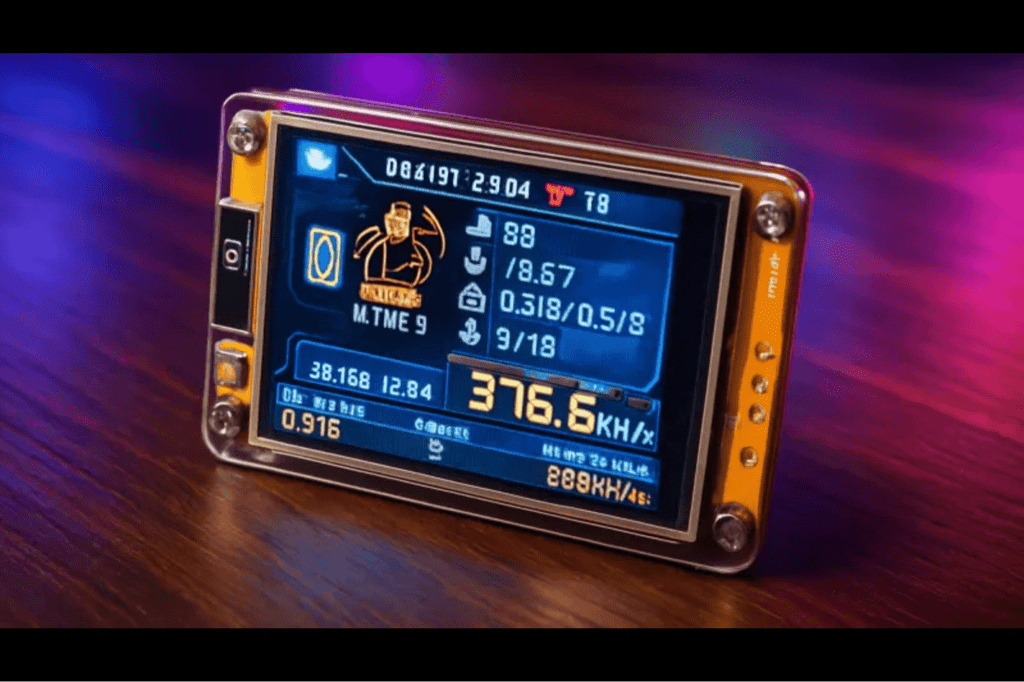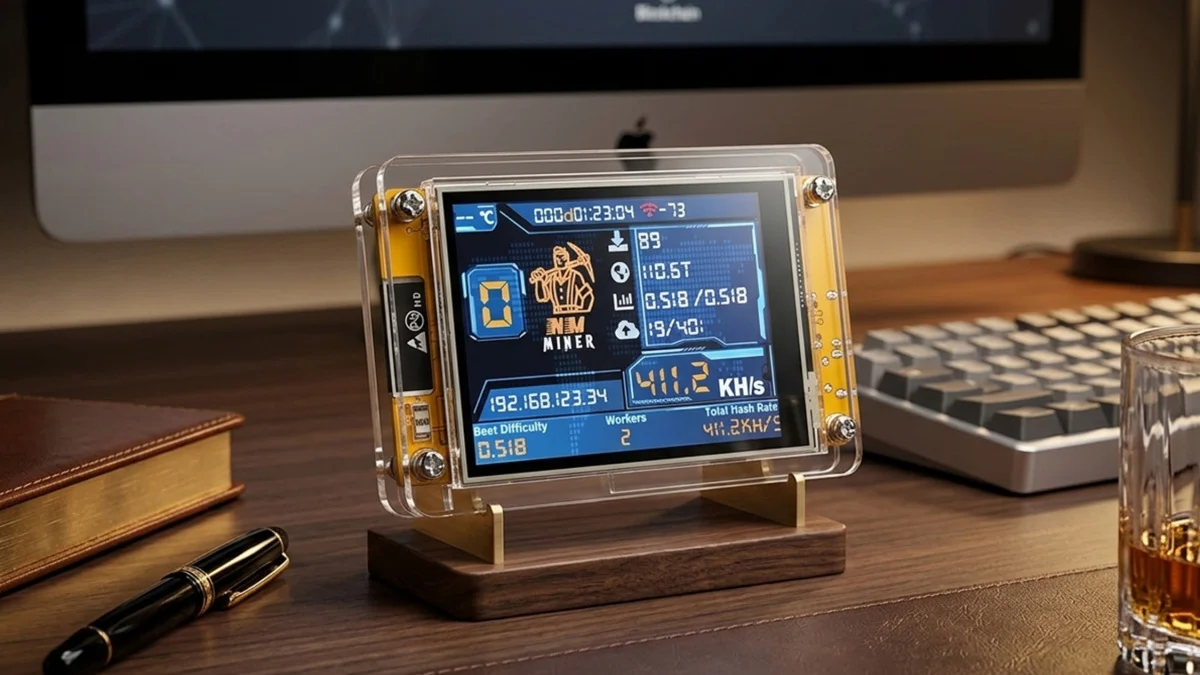
A small, quiet mini PC sitting on your desk can verify every Bitcoin transaction that has ever happened, independently, without asking anyone for permission.
This is the premise behind running a Bitcoin full node, and it is quietly becoming more accessible as affordable compact hardware catches up to the demands of a blockchain that has been growing since January 2009.
What a full node actually does
Think of a Bitcoin full node as a personal auditor that never sleeps. It downloads every block ever produced, checks every transaction against Bitcoin’s ruleset, and refuses anything that does not comply, no exceptions, no trust required.
The software behind this is Bitcoin Core, the reference implementation of the Bitcoin protocol. It handles downloading, storing, and validating the entire chain going back to the genesis block mined by Satoshi Nakamoto in January 2009.