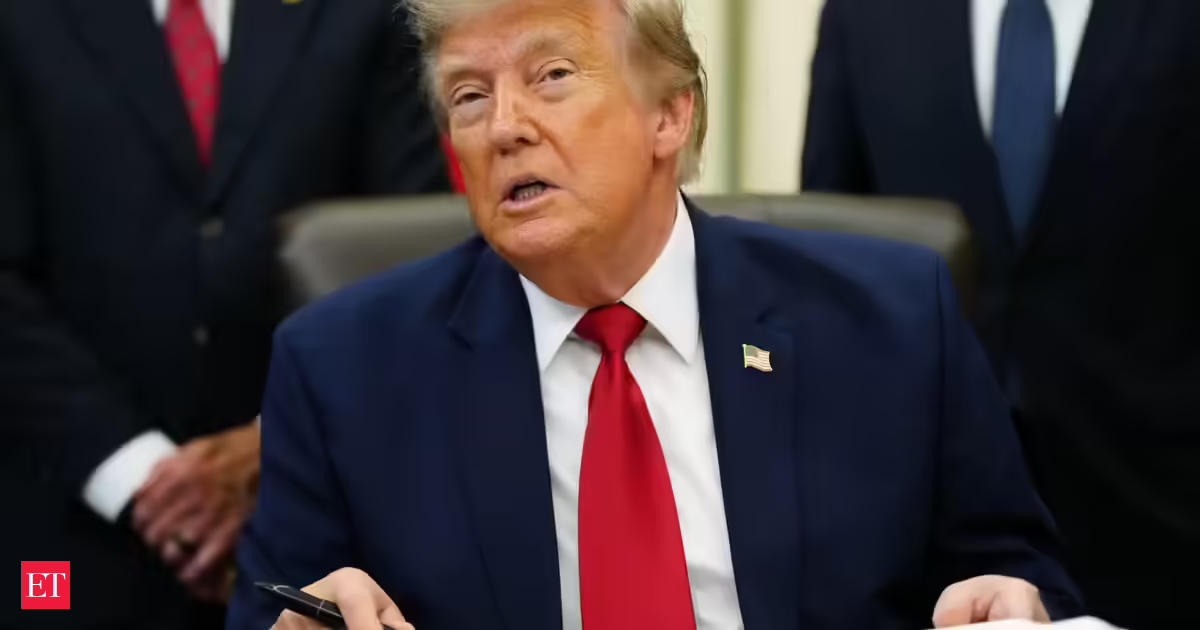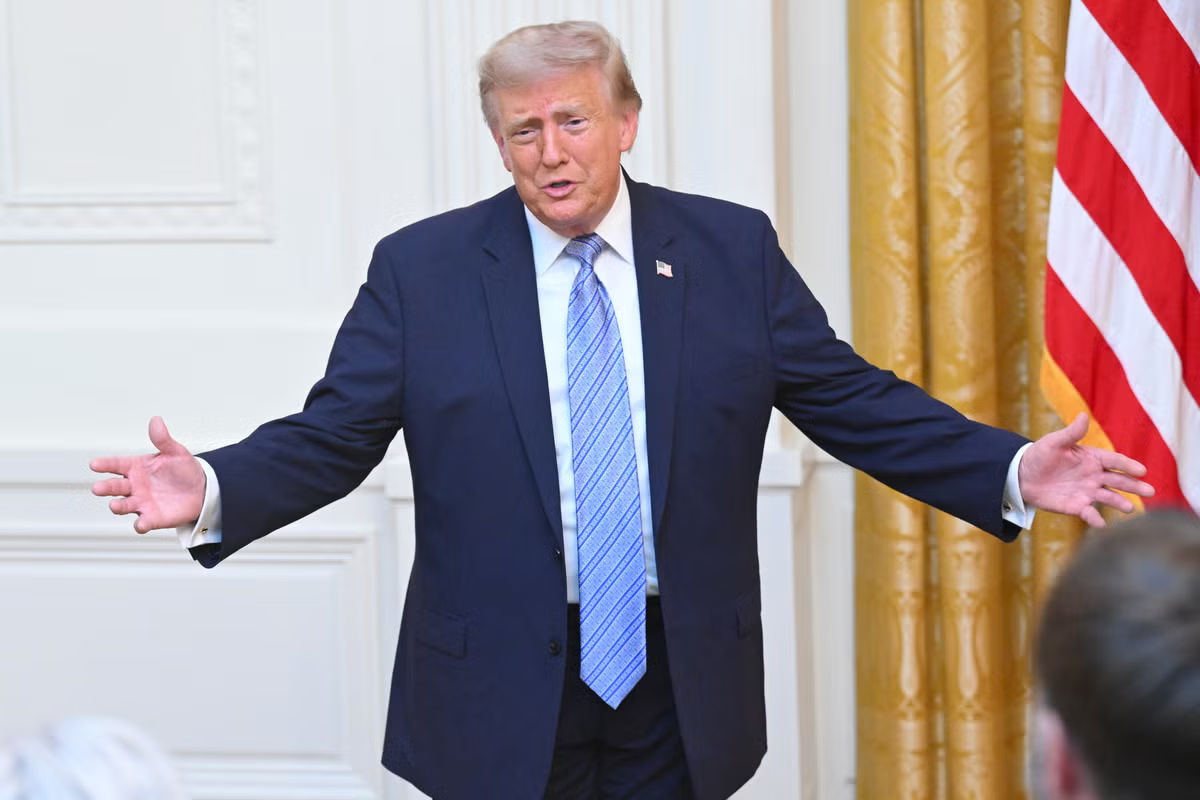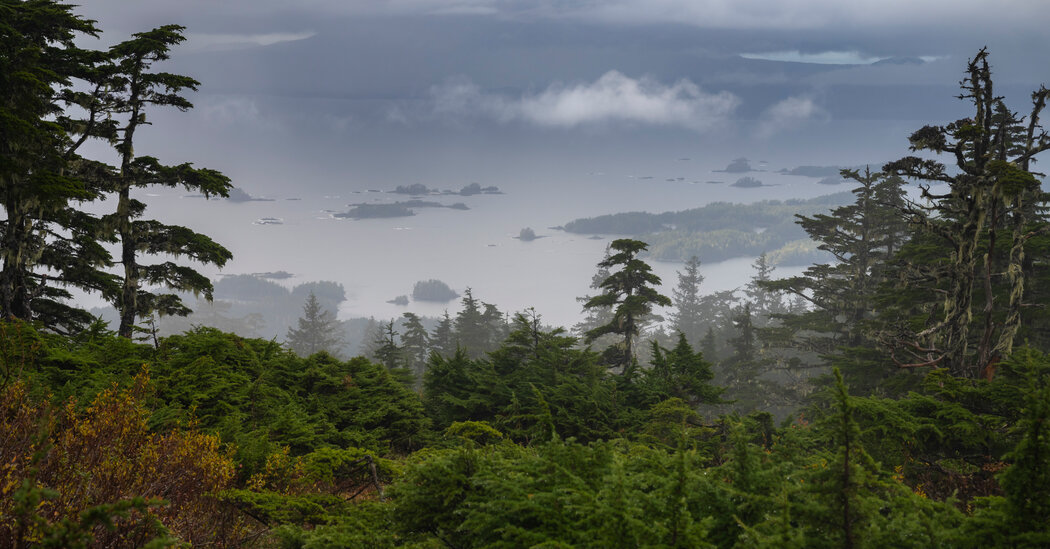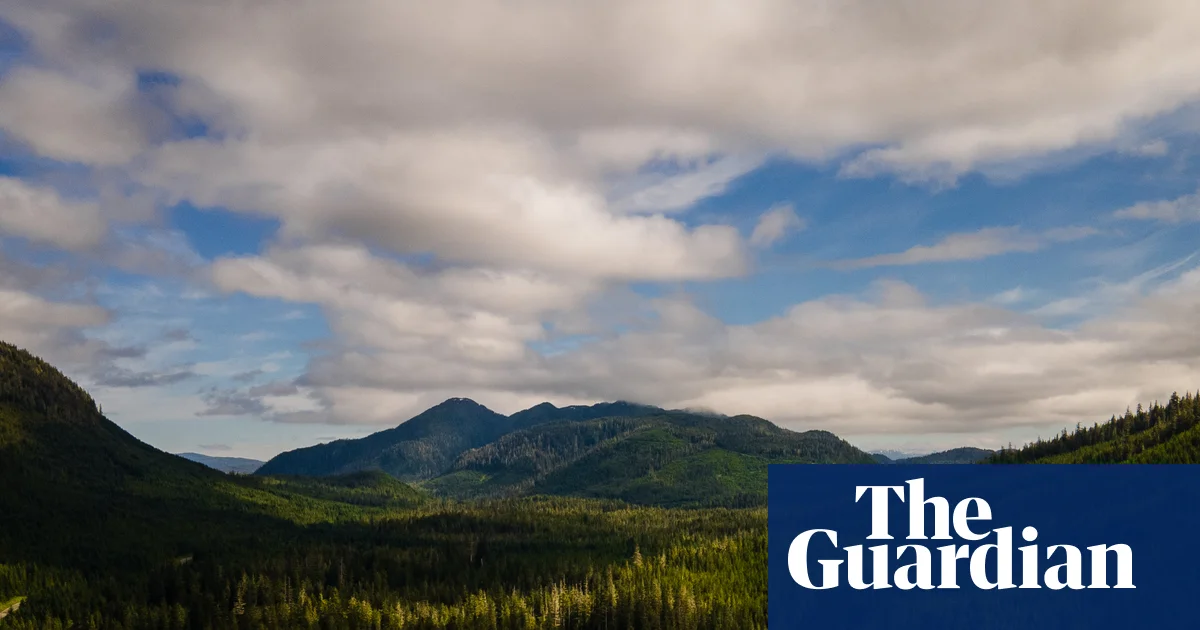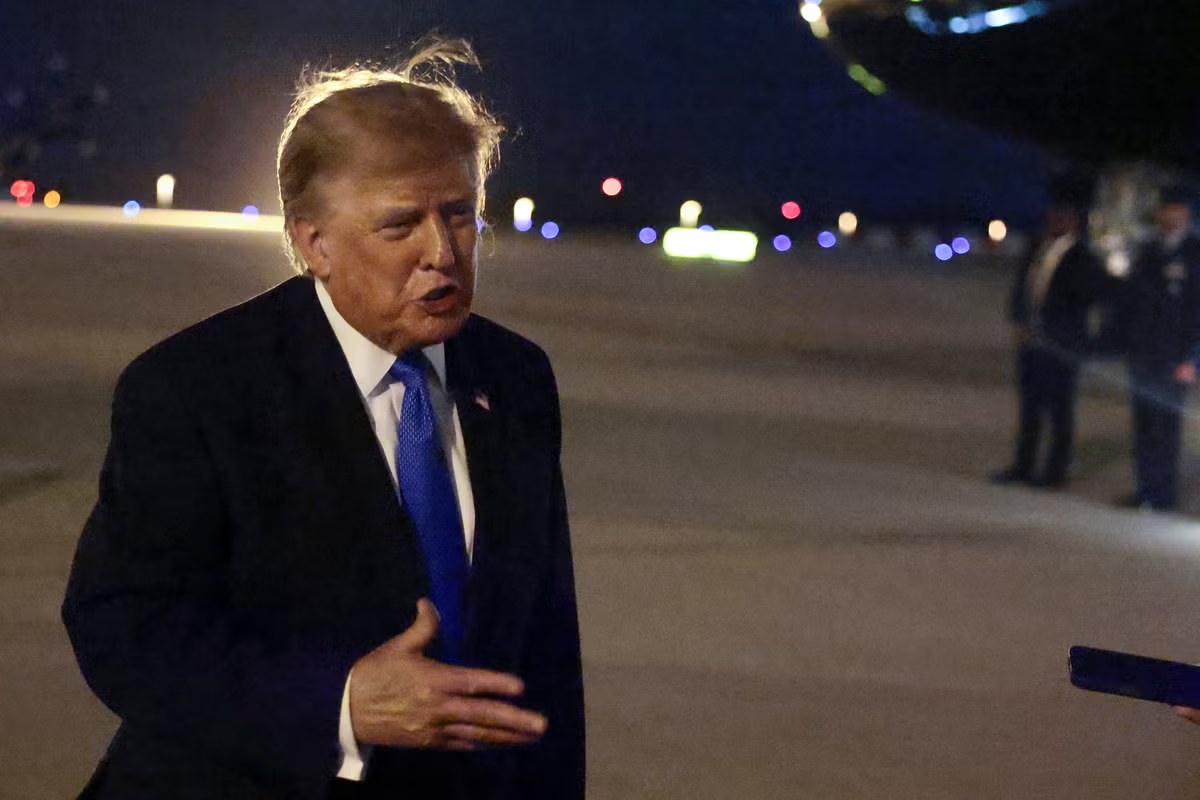
Noted ecologist Donald J. Trump has praised America’s “massive forests” as rich in timber that could “make a lot of money.” Pursuant to that aim, President Trump’s agriculture secretary Brooke Rollins announced plans last year to rescind a bipartisan “roadless rule” in place since 2001, lifting “prohibitions on road construction, reconstruction, and timber harvest” for nearly 59 million acres of national forest. But decisions like this are protracted bureaucratic affairs, requiring a notice-and-comment period that can take up to a year or more. There’s still plenty of time, in other words, to consider new research on the likely harm that rescinding this rule would do to drinking water that millions of Americans rely on. Specifically, conservation scientists led by the University of Washington (UW) have now crosschecked maps of roughly 110,000 square miles (284,900 square kilometers) of these forests, determining where 2,488 official “roadless areas” overlap with the nation’s key protected rivers. All told, over 80,000 miles (128,748 km) worth of rivers across the continental U.S. that were once at least partially protected by the roadless rule are now at risk. “The roadless rule supports the drinking water supply for 25 million Americans and offers critical protection of wildlife habitat,” the study’s lead author Julian Olden explained in a statement.
Trump Wants to Roll Back a Rule That Protects Drinking Water for 25 Million Americans
Conservation scientists have determined that Trump’s plan to rescind the 2001 “roadless rule” could jeopardize clean water supplies in key states across the American West.
632 words~3 min read