From left: Carl Chou, account manager, Intel Taiwan, Peter Chen, vice president, Onyx Healthcare, Bing Chen, director, Intel Taiwan, Michael Hurley, senior vice president, Silicon and Platform Engineering, Intel, Andy Liao, sales specialist, FREE Bionics, Eason Lin, sales director, Onyx Healthcare (with the harness), Alex Katouzian, executive vice president and general manager, Client Computing and Physical AI Group, Intel, and John Chuang, president, Onyx Healthcare.
(Photo credit: Intel Corporation).
From muscle signals to movement: AI reimagines and speeds recovery.
In this article:
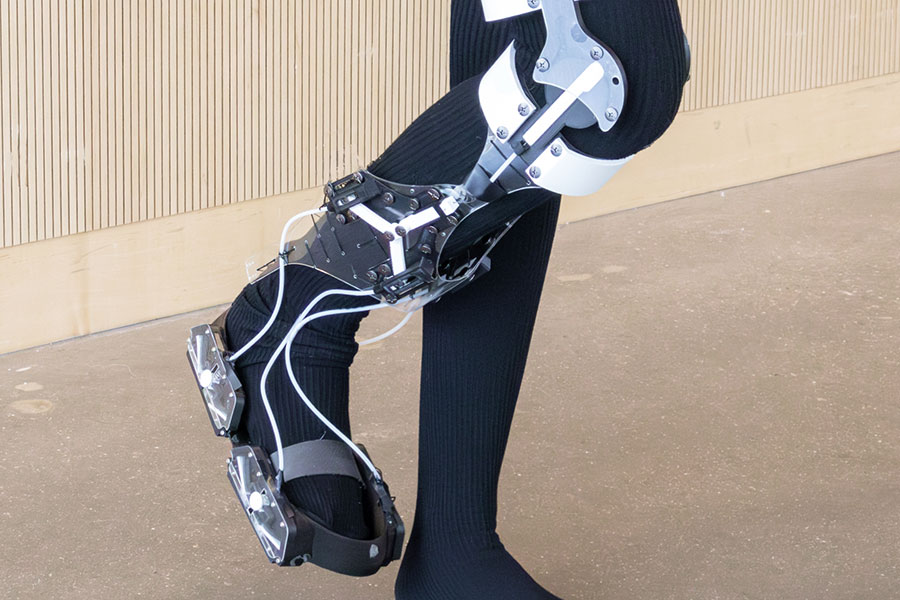
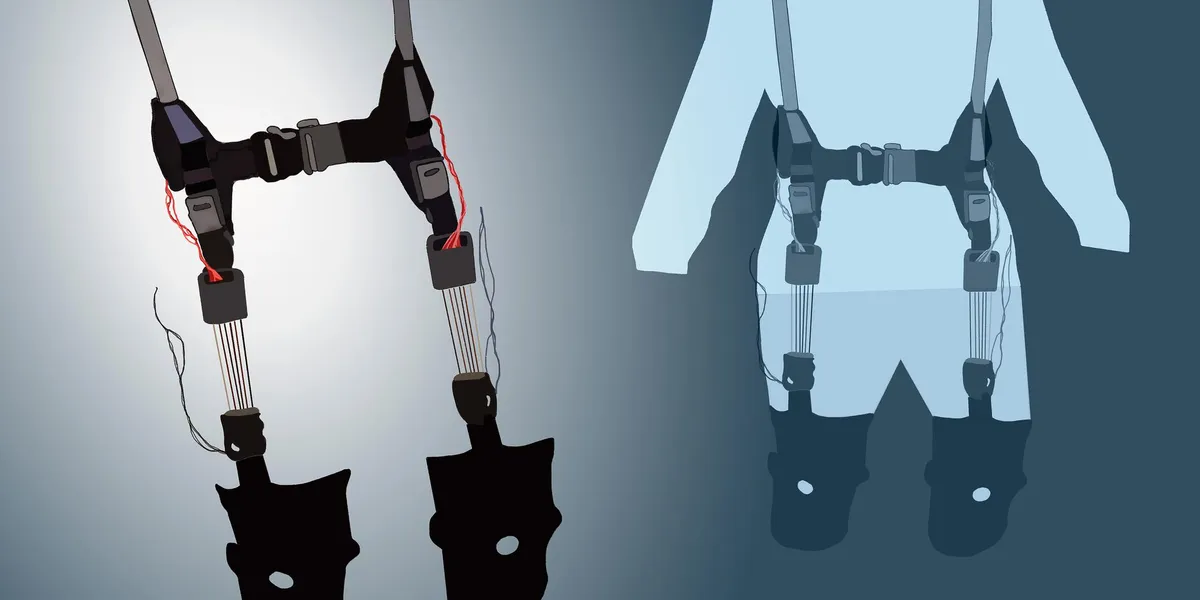
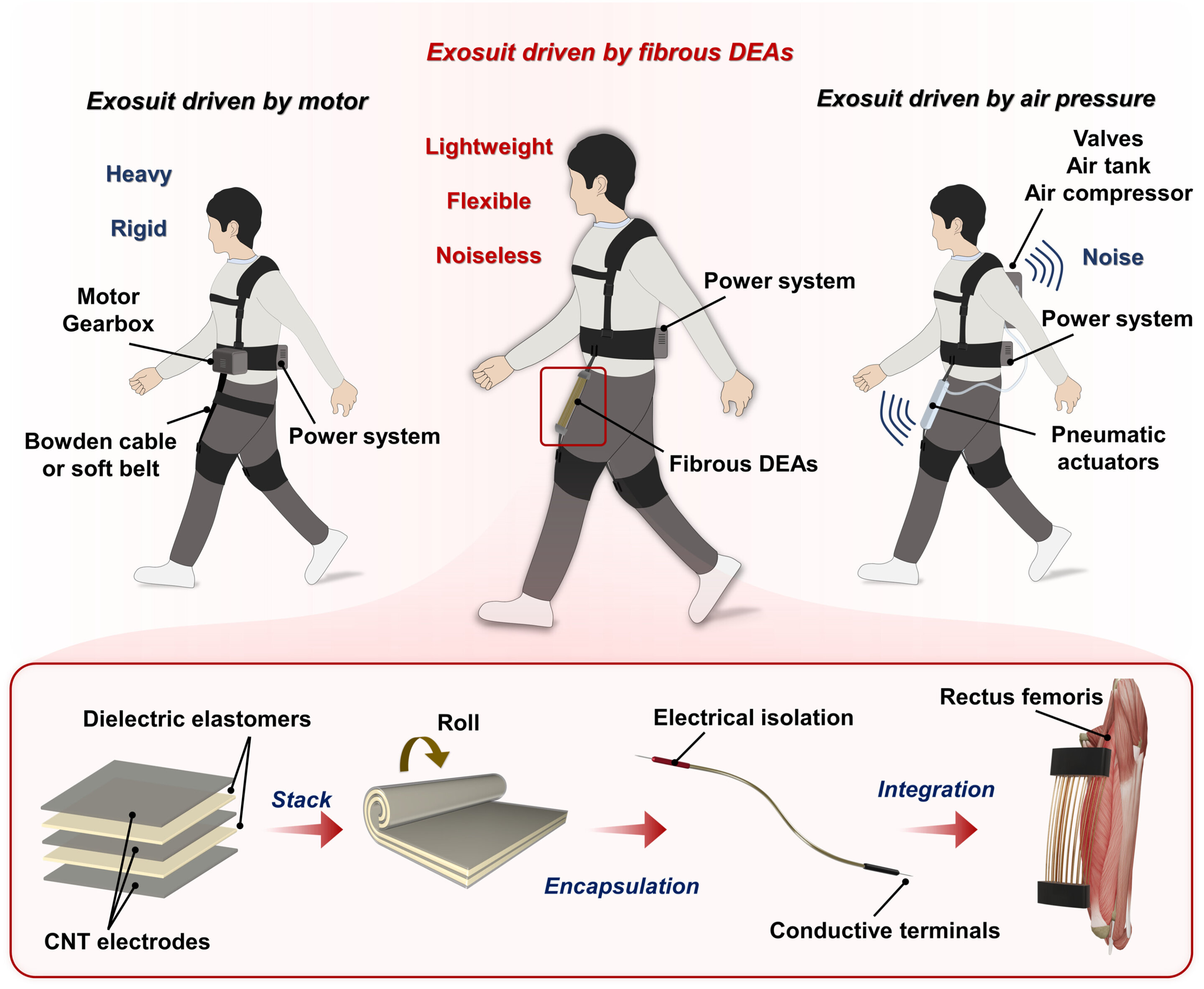
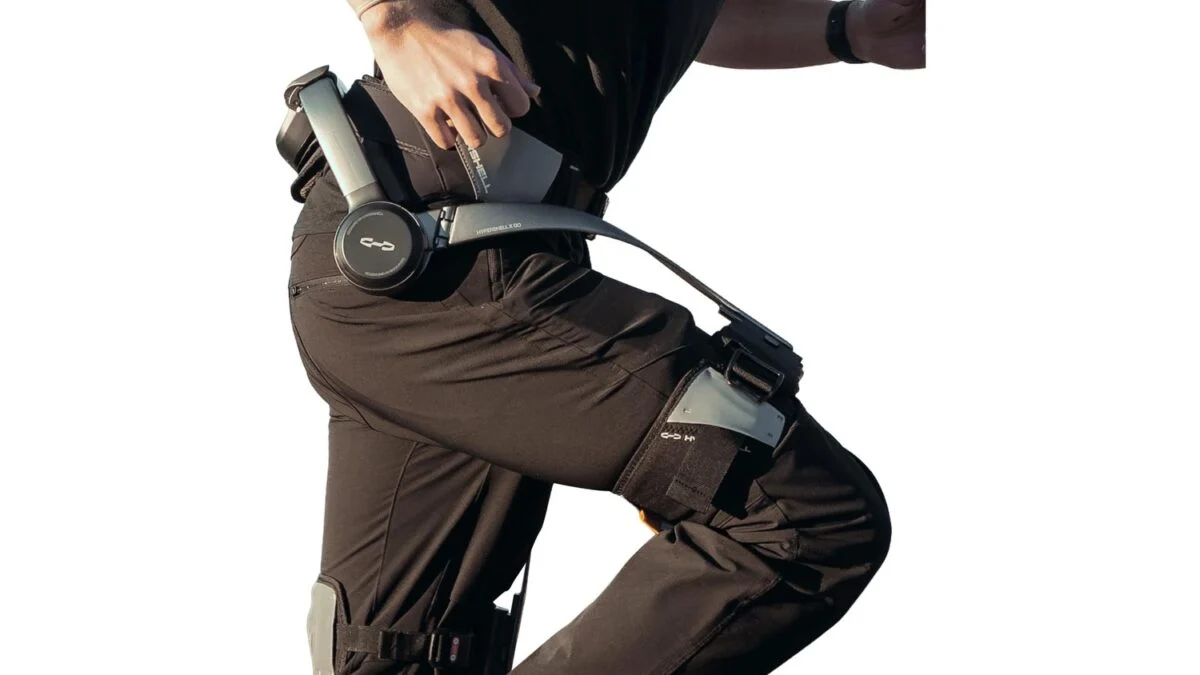
People with lower-limb injuries who cannot stand or walk often need intensive clinical rehabilitation and expert-guided physiotherapy.This medical care retrains the limbs and supports the brain’s ability to relearn movement, with the goal of restoring greater mobility and ultimately, helping the patient to walk again.But traditional rehabilitation methods today have its limits – it’s fatigue-inducing, imprecise and requires expert, hands-on supervision throughout the rehabilitation session, which can last hours.Onyx Healthcare, Intel® Core™ Ultra CPUs and Intel® OpenVINO™ boosts AI-powered Free Bionics exoskeletonsFounded in 2010, Onyx Healthcare – a leading medical device manufacturer based in Taiwan – collaborated with Intel and FREE Bionics to design an AI-powered exoskeleton robot that aims to boost the clinical rehabilitation experience.FREE Walk is a robotics-based AI solution that leverages two unique Intel-based hardware and software components – the Intel® Core™ Ultra series family of CPUs and the Intel® OpenVINO™ software stack – into a lightweight, wearable exoskeleton worn by patients.Together, these technologies help speed up the rehabilitation process by guiding the patient through safe, consistent and repetitive limb-focused movements to reactivate the brain’s neural pathways and promote neuroplasticity.At Computex Taiwan 2026, Eason Lin, sales director, Onyx Healthcare (in harness) demonstrates the exoskeleton powered by the Intel® Core™ Ultra series family of CPUs and the Intel® OpenVINO™ software stack. (Photo credit: Intel Corporation).