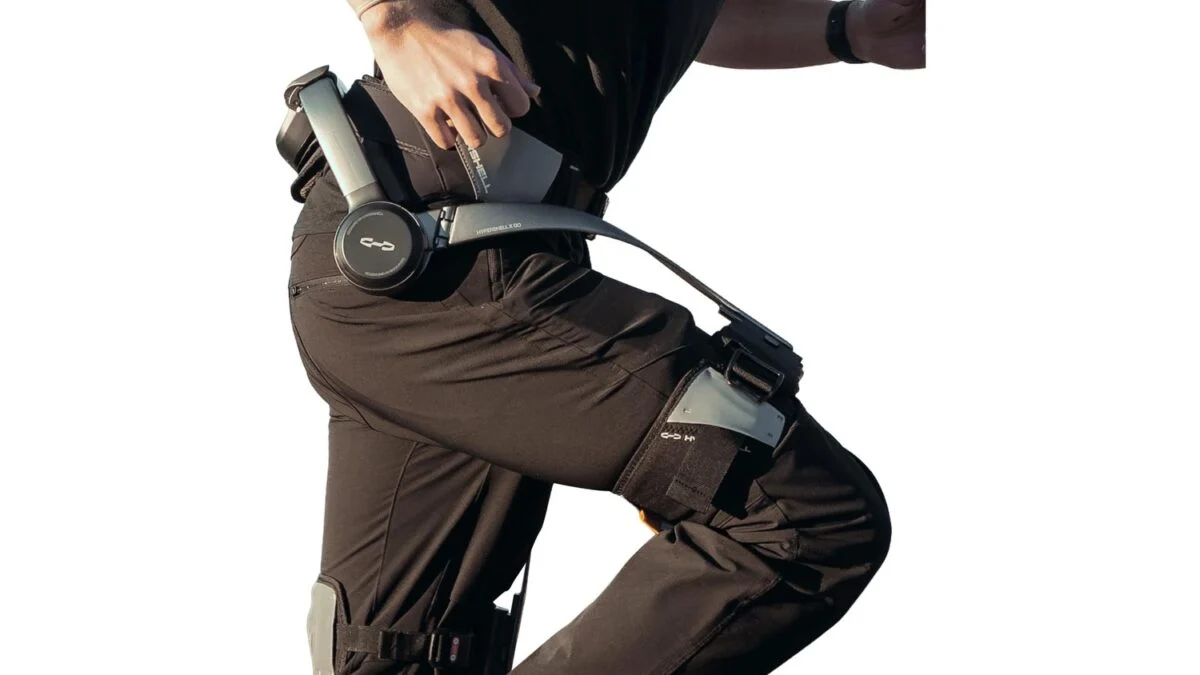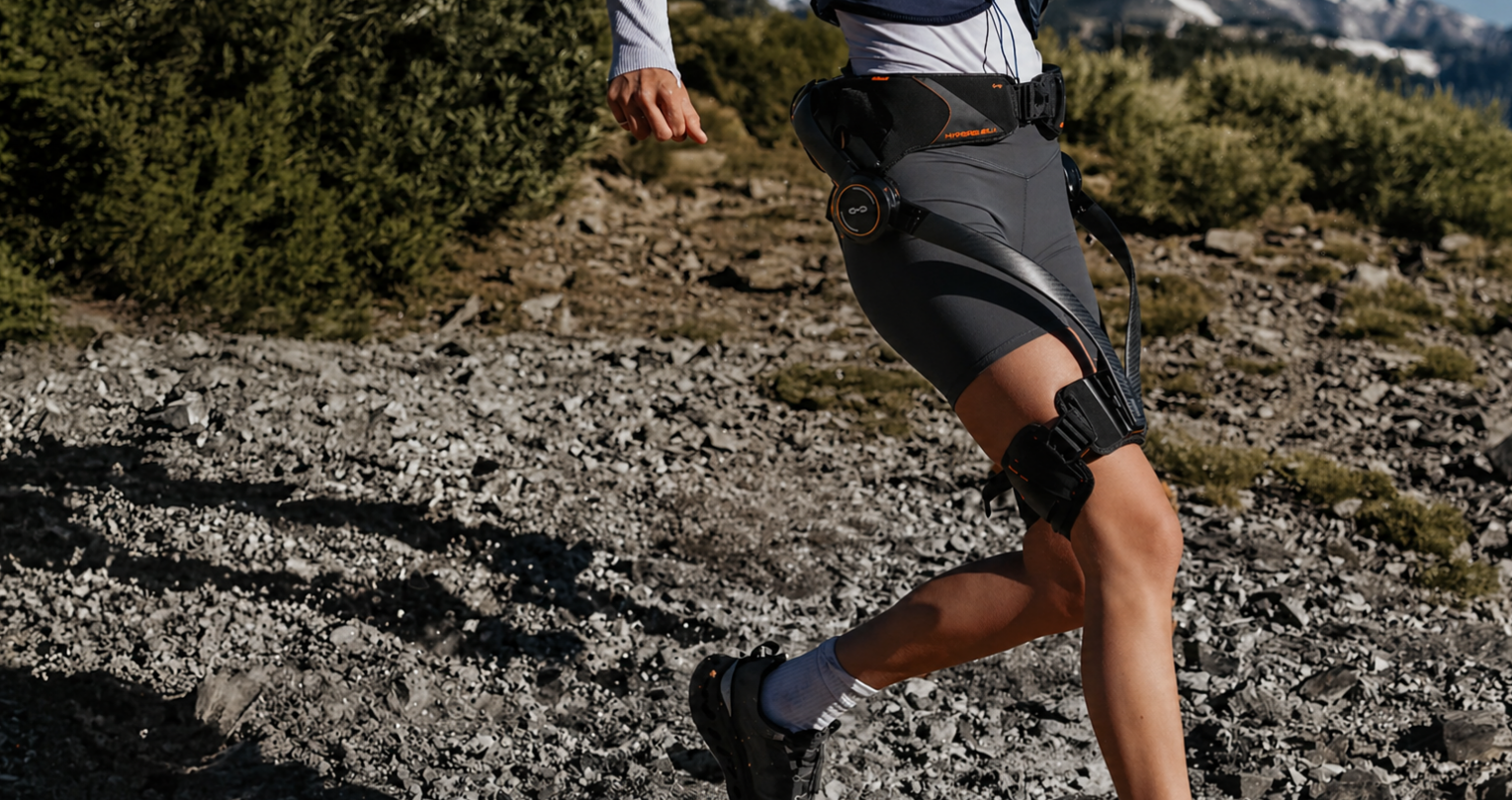
FIRST LOOK: Is AI starting to move off screens and into gear people actually wear, including devices that change how their legs move? One such example is Hypershell's X Ultra S, a $2,000 exoskeleton aimed at hikers and outdoor enthusiasts willing to pay early-adopter prices for motorized leg assistance.
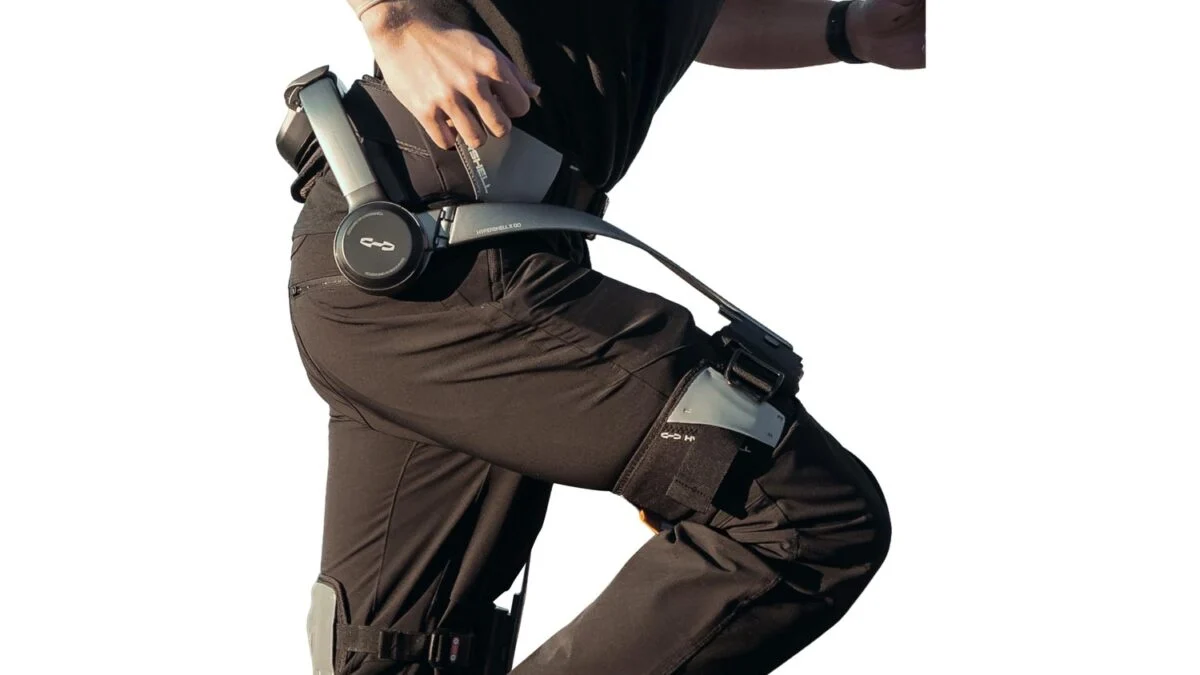
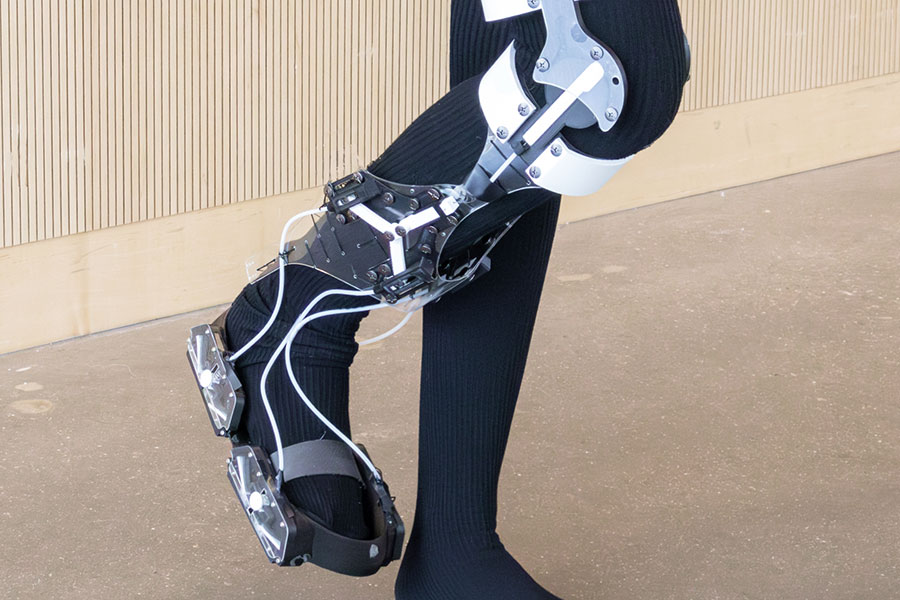
The hardware looks straightforward at first glance: a waist belt connected to hinged braces along the thighs, but the mechanics beneath do more than stabilize movement. The system uses dual hip-mounted motors that can draw up to 1,000 watts, pushing carbon-fiber linkages that add force to each step. Instead of simply supporting the wearer, it actively drives motion forward.
The real difference, though, comes from the software. Hypershell calls its control system "HyperIntuition," an AI model that reads a person's movement and adjusts motor output in real time. It tracks changes in stride and cadence, then decides how much assistance to apply and when. When that alignment works, the added power can blend into a natural rhythm. When it doesn't, especially during quick stops or direction changes, the system can feel overbearing, as if something else has briefly taken over.
The assist is most noticeable on inclines. With the torque turned up, uphill sections require less effort, and stairs feel more mechanical than physically taxing. Softer terrain like sand, where energy is typically lost with each step, is another area where the system can help offset fatigue. Whether that tradeoff justifies the price depends heavily on the user.