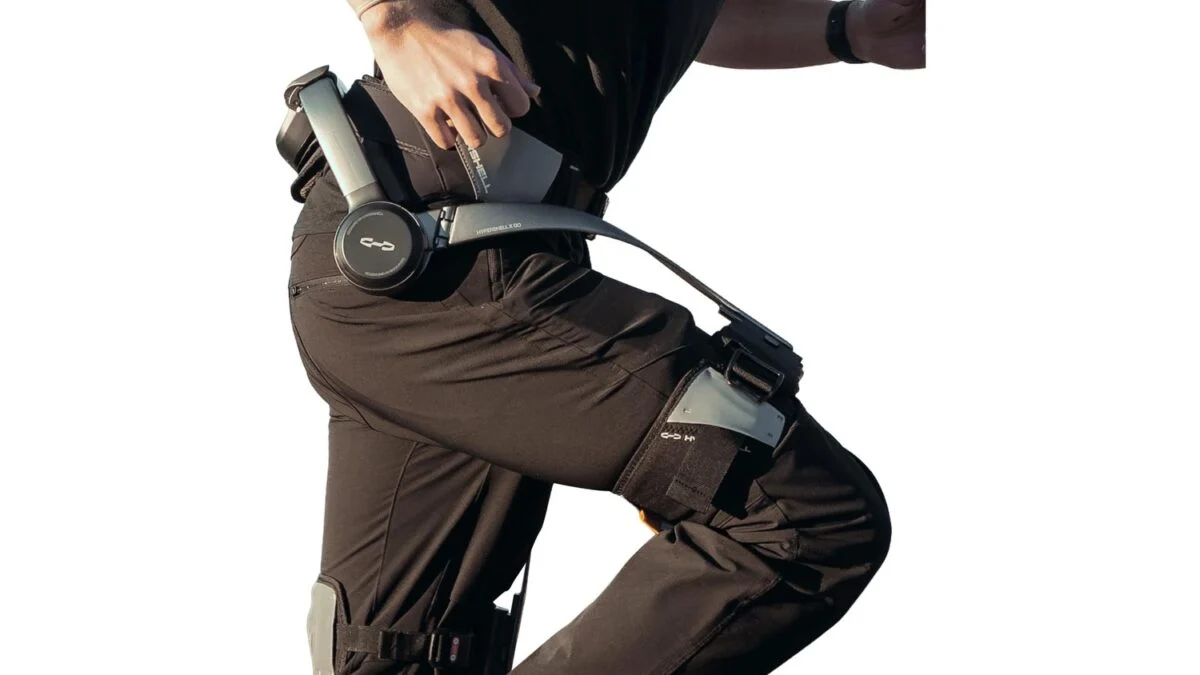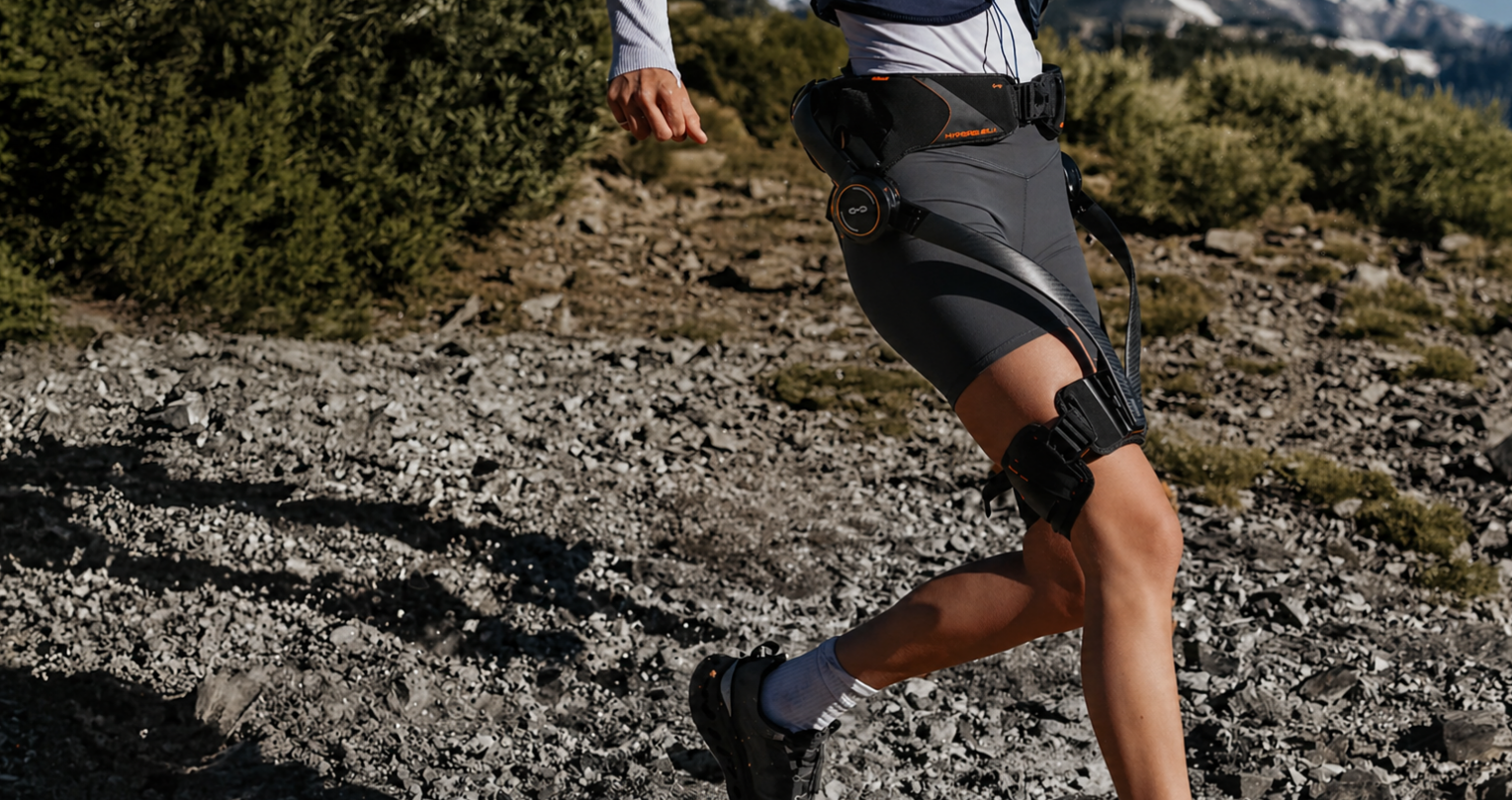
Hypershell is trying to carve out a new category at the intersection of wearables and robotics. The Chinese startup focuses on lightweight exoskeletons for outdoor and everyday use, built around lower-limb assistance.
Its system combines motors and onboard sensors to add power when walking or climbing, easing strain and improving efficiency. In form, it feels closer to wearable gear than traditional industrial exoskeletons.
The team fits the profile of a typical hard-tech startup. Its core members come from robotics, mechanical engineering, and consumer electronics, with experience spanning industrial R&D and consumer product design.
This cross-disciplinary foundation has shaped a product strategy that diverges from traditional medical or industrial exoskeleton players. Instead, Hypershell centers its design on lightweight construction, ease of use, and aesthetics, which helps lower the barrier for everyday adoption.
Rather than entering heavily regulated sectors such as healthcare or rehabilitation from the outset, Hypershell has chosen to target more accessible consumer scenarios, including outdoor sports and human augmentation.