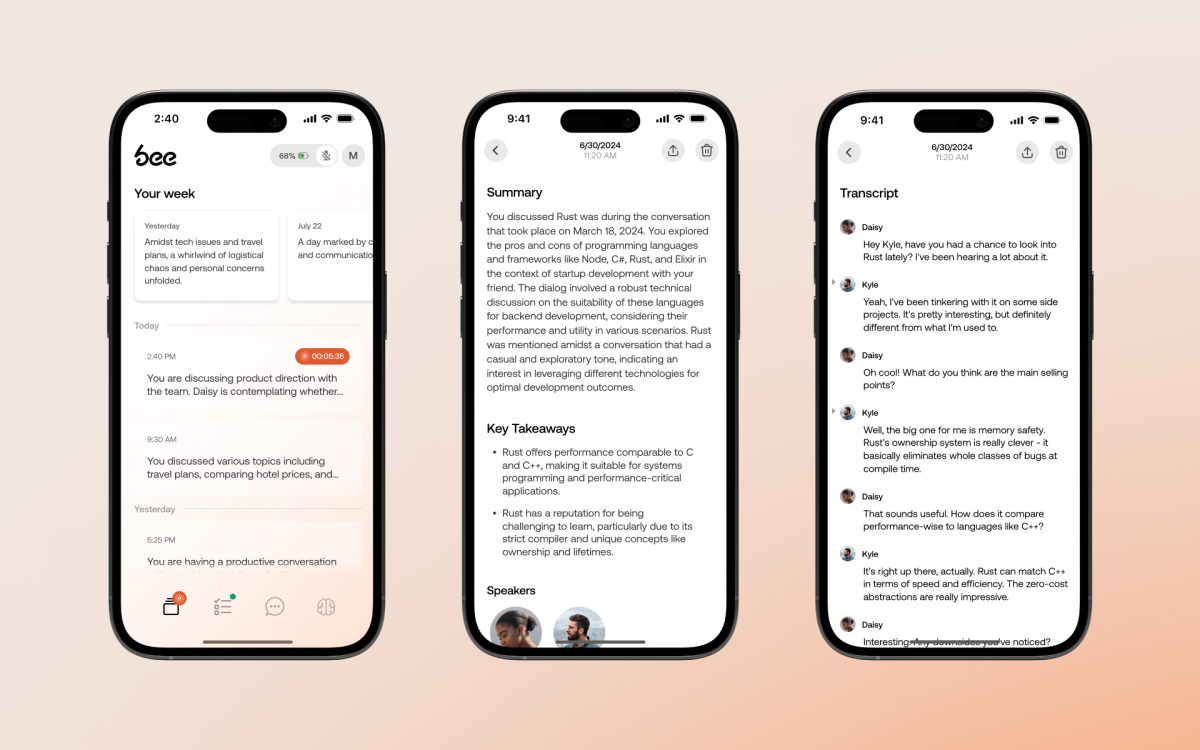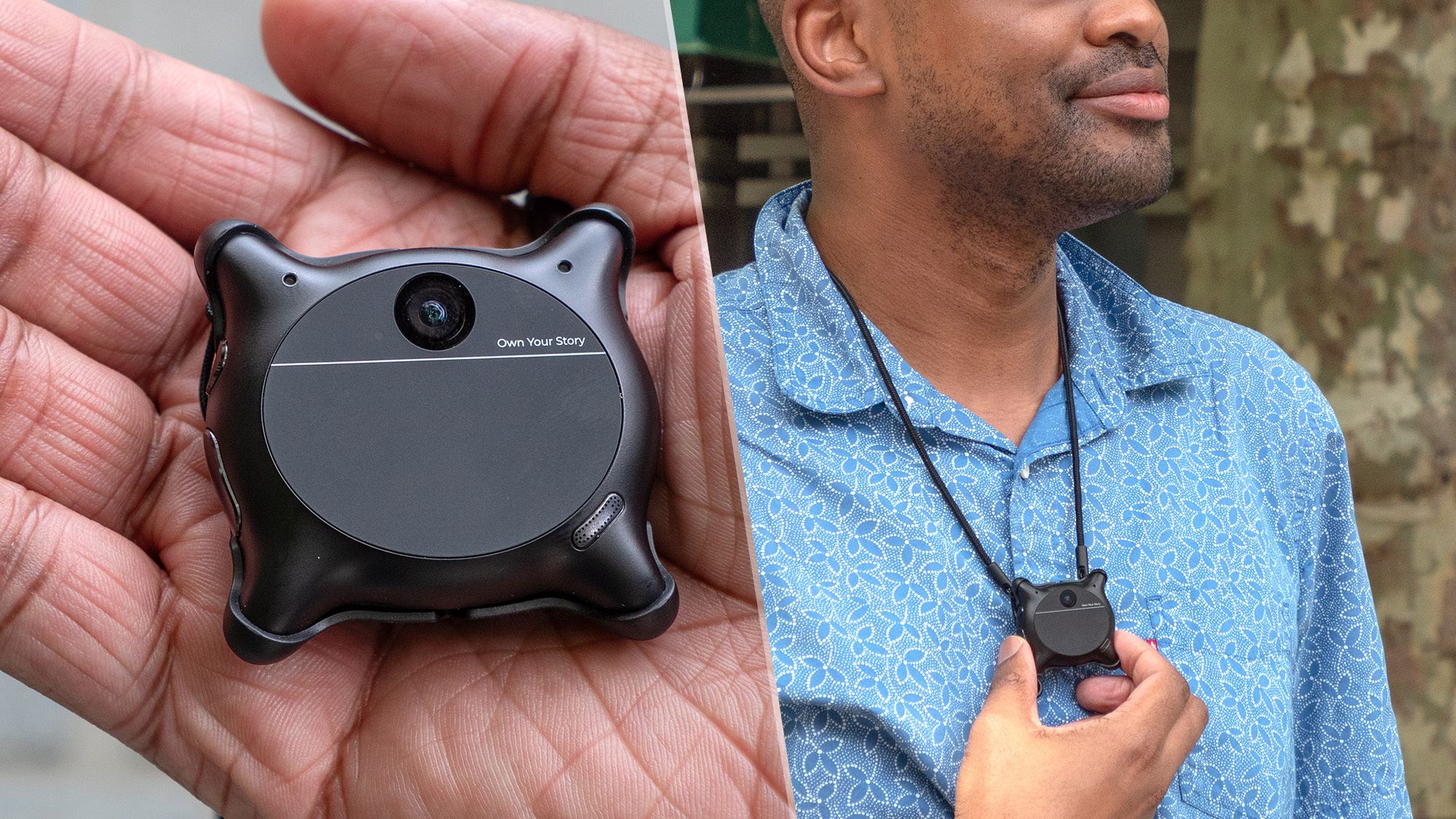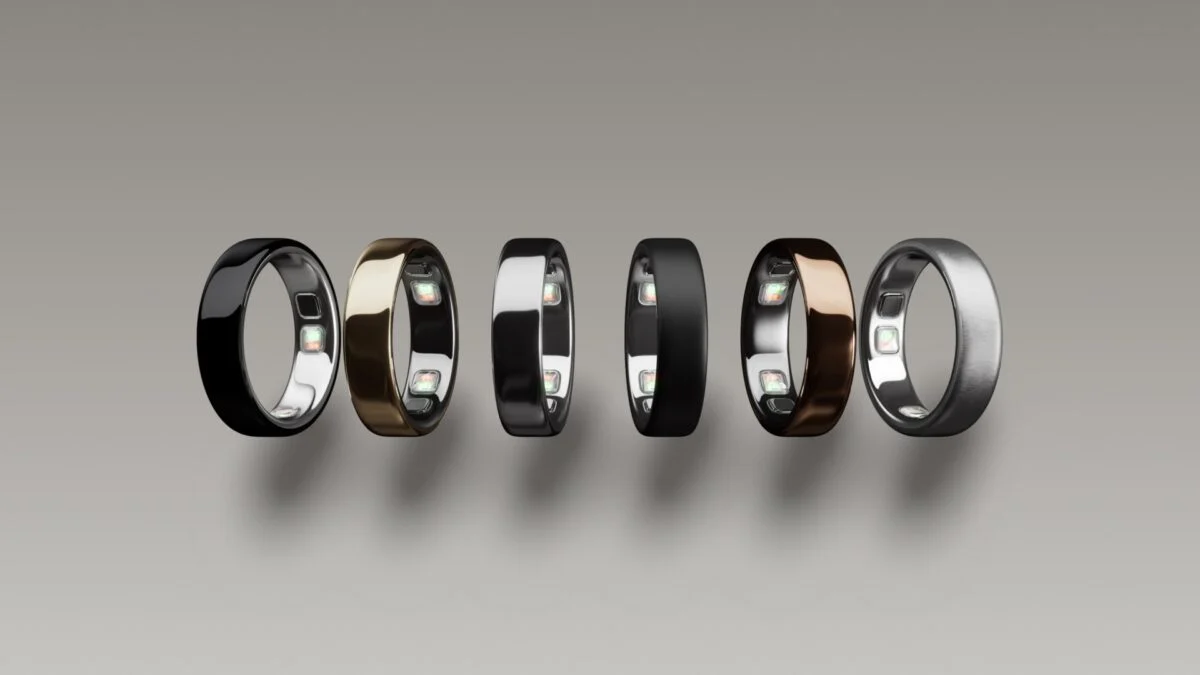
Within some tech circles not so long ago, there was excitement around the concept of a wearable AI “companion”; essentially, a chatbot built into a compact piece of hardware, which users would carry around with them on their person. The idea was marketed as a mix between an ever-present conversation partner, a personalized note-taker, and, most memorably—or cringe-ily, depending on your views—an artificial “Friend.”
Anyone who rode a New York City subway in the last few months of 2025 knows how that idea played out. Friend, which launched a massive marketing campaign throughout the city’s subway system to promote its AI pendant, received widespread public backlash to its billboards, which many people interpreted as promoting artificial relationships over actual, human-to-human connections. The ads were widely defaced throughout the city. (One memorably wholesome bit of graffiti spotted on a Friend ad spotted in Brooklyn in October simply read: “Call your mom.”) Whether Friend’s subway marketing debacle was a net loss for the company is up for debate; all publicity is good publicity, as the old saying goes. But what doesn’t seem debatable at this point is that by and large, most people just weren’t thrilled by the idea of wearing—and being surveilled by—a portable AI chatbot. Witness also the fall of Humane’s AI Pin, which was similarly hyped for a brief period as the harbinger of a major new tech trend, before it too failed to catch on with consumers. Humane later sold its assets to HP. The wearable AI dream isn’t dead It’d be premature, however, to conclude from the failure of the AI Pin and the public backlash to Friend that AI wearables are a lost cause. After all, it’s been less than four years since the public debut of ChatGPT, the starting gun that launched the AI race. Only a very small handful of tech developers have managed to monetize their proprietary LLMs, which means there are still a lot of unanswered questions around what the next generation of AI-powered products will look like.