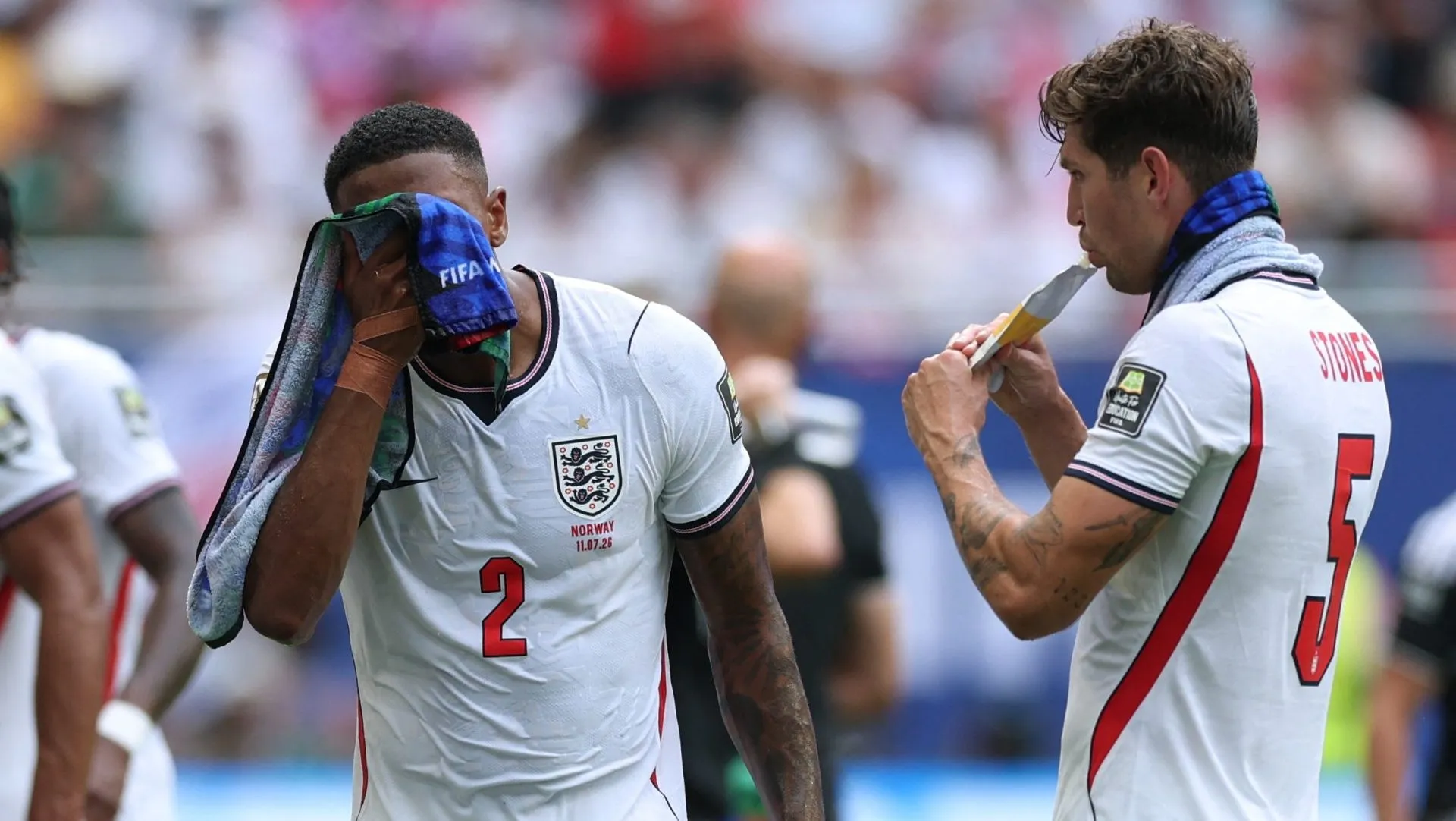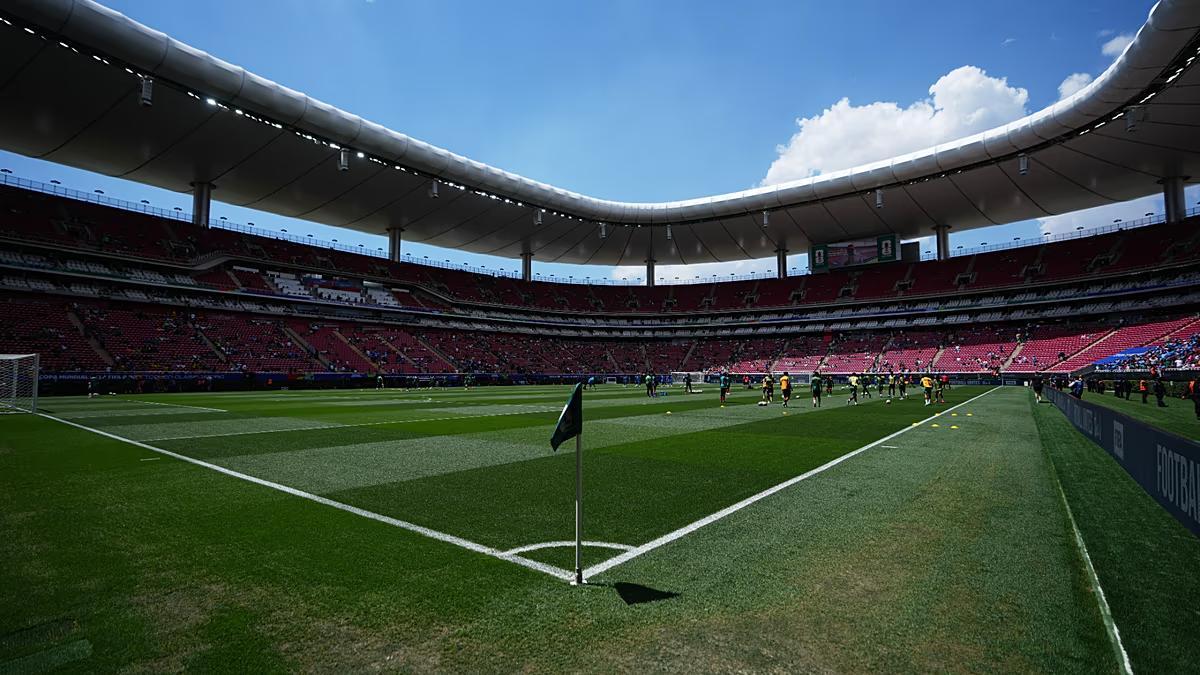
Nearly one in five matches at the 2026 FIFA World Cup have been played under heat conditions that should have triggered delays, according to FIFPRO, the global union representing professional footballers.
As of July 16, 2026, 19% of the tournament’s 100-plus matches recorded wet bulb globe temperature (WBGT) levels at or above 28°C (82°F), the threshold at which FIFPRO recommends postponing play. Nine matches during group and knockout rounds were specifically flagged as being played under severe heat conditions by FIFPRO’s criteria. FIFA, meanwhile, doesn’t mandate cooling breaks until WBGT hits 32°C (90°F), a gap of four degrees that the players’ union considers dangerously wide.
The gap between what science says and what FIFA does
WBGT factors in temperature, humidity, wind speed, and solar radiation to estimate the actual thermal stress on a human body. It’s the metric used by militaries and occupational health agencies worldwide to determine when physical exertion becomes dangerous.
Pre-tournament modeling from World Weather Attribution had warned this exact scenario was likely. Their forecasts suggested that roughly 25% of matches could exceed FIFPRO’s safety limits, a prediction that has proven uncomfortably close to reality at 19% and counting with the tournament still ongoing.