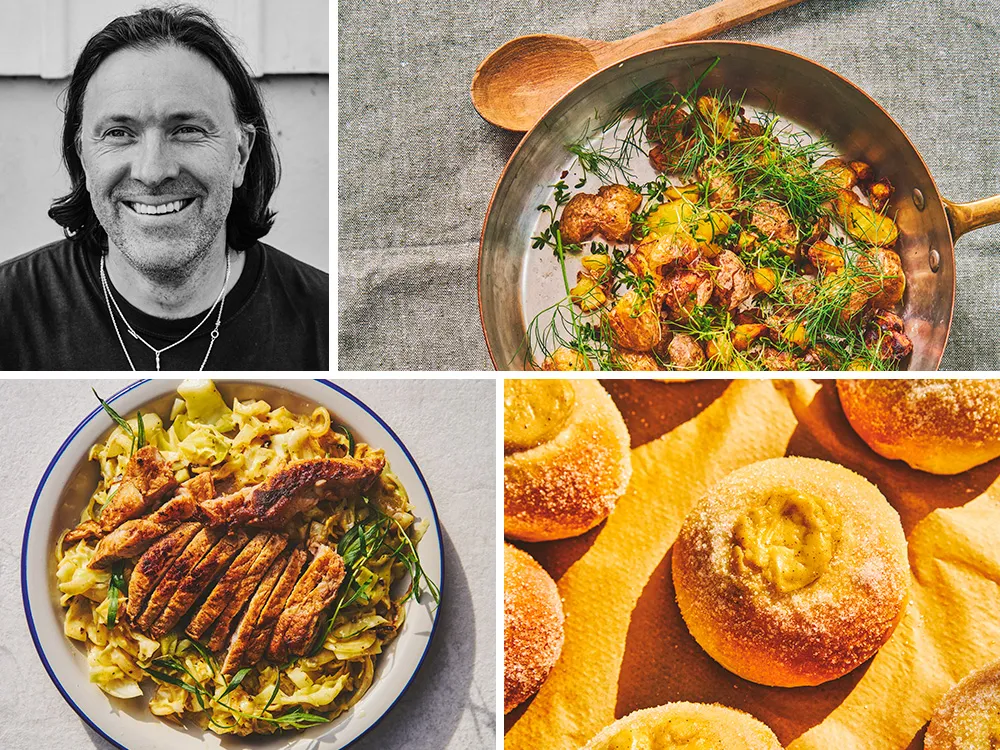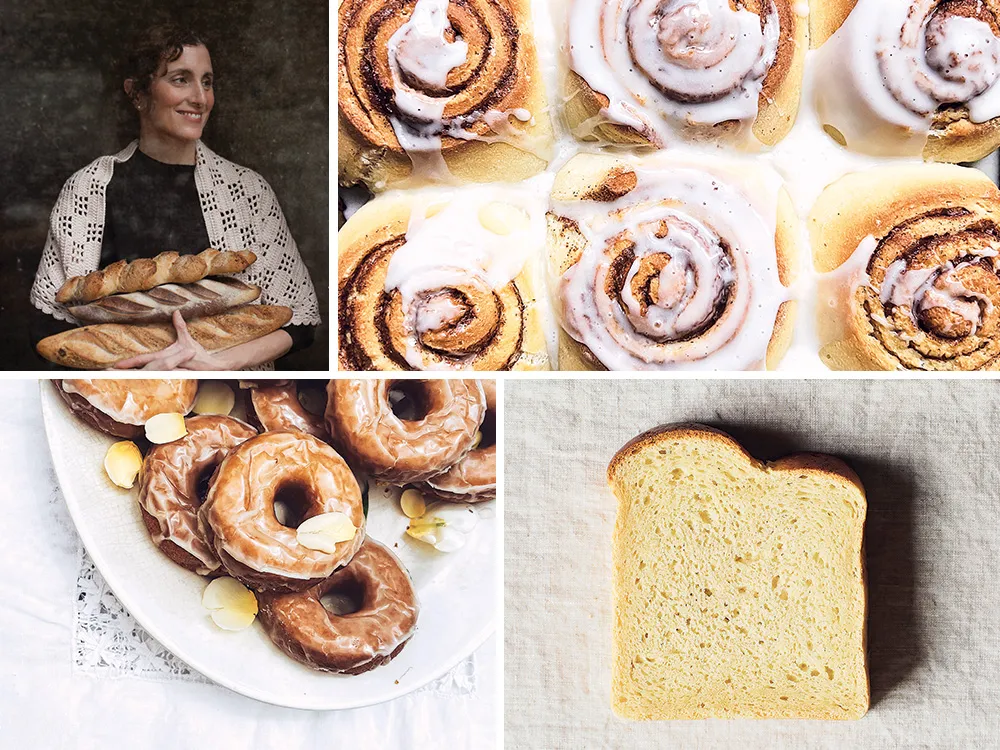
Skip to Content Subscribe Our Offers My Account Manage My Subscriptions FAQ Newsletters Canada Canadian True Crime Canadian Politics Health World Israel & Middle East Financial Post NP Comment Longreads Puzzmo Diversions Comics NP News Quiz New York Times Crossword Horoscopes Life Eating & Drinking Style Sponsored Play for Ontario Travel Travel Canada Travel USA Travel International Cruises Travel Essentials Culture Books Celebrity Movies Music Theatre Television Business Essentials Advice Lives Told Tails Told Shopping Buy Canadian Home Living Outdoor Living Kitchen & Dining Tech Style & Beauty Personal Care Entertainment & Hobbies Gift Guide Travel Guide Amazon Prime Day Deals Savings National Post Store More Sports Hockey Baseball Basketball Football Soccer Golf Tennis Driving Vehicle Research Reviews News Gear Guide Obituaries Place an Obituary Place an In Memoriam Classifieds Place an Ad Celebrations Working Business Ads Archives Healthing Epaper Manage Print Subscription Profile Settings My Subscriptions Saved Articles My Offers Newsletters Customer Service FAQ Newsletters Canada World Financial Post NP Comment Longreads Puzzmo Diversions Life Shopping Epaper Manage Print Subscription HomeCultureBooksLifeEating & DrinkingCook This: 3 recipes from The Art of Gluten-Free Bread, including cinnamon bunsMake Aran Goyoaga's gluten-free recipes for brioche-based cinnamon buns and vanilla-glazed doughnutsLast updated 6 days ago You can save this article by registering for free here. Or sign-in if you have an account.Clockwise from top left: author Aran Goyoaga, gluten-free cinnamon buns, quickest buttery brioche and vanilla-glazed doughnuts. AUTHOR PHOTO BY DOROTHÉE BRAND/FOOD PHOTOS BY ARAN GOYOAGAOur cookbook of the week is The Art of Gluten-Free Bread by Aran Goyoaga.Enjoy the latest local, national and international news.Exclusive articles by Conrad Black, Barbara Kay and others. Plus, special edition NP Platformed and First Reading newsletters and virtual events.Unlimited online access to National Post.National Post ePaper, an electronic replica of the print edition to view on any device, share and comment on.Daily puzzles including the New York Times Crossword.Support local journalism.Enjoy the latest local, national and international news.Exclusive articles by Conrad Black, Barbara Kay and others. Plus, special edition NP Platformed and First Reading newsletters and virtual events.Unlimited online access to National Post.National Post ePaper, an electronic replica of the print edition to view on any device, share and comment on.Daily puzzles including the New York Times Crossword.Support local journalism.Create an account or sign in to continue with your reading experience.Access articles from across Canada with one account.Share your thoughts and join the conversation in the comments.Enjoy additional articles per month.Get email updates from your favourite authors.Create an account or sign in to continue with your reading experience.Access articles from across Canada with one accountShare your thoughts and join the conversation in the commentsEnjoy additional articles per monthGet email updates from your favourite authorsSign In or Create an AccountorJump to the recipes: quickest buttery brioche, cinnamon buns and vanilla-glazed doughnuts.When it comes to gluten-free baking, bread is its own beast. “There may not be the same muscle memory people might have from making wheat bread that they can translate to this,” says Aran Goyoaga. “A gluten-free cake and a wheat cake are similar in some ways, but bread is different.”In her latest cookbook, The Art of Gluten-Free Bread (Artisan Books), the Basque-born, Seattle-based cookbook author, food stylist and photographer features 100-plus recipes, including two sourdough starters (whole-grain brown rice-teff and grain-free buckwheat-chestnut) — and naturally leavened breads to make with them — yeasted, quick and enriched breads, and dishes that complement homemade loaves, such as dips, sandwiches and soups.Join Laura Brehaut on a weekly food adventure with mouth-watering reads delivered Fridays.By signing up you consent to receive the above newsletter from Postmedia Network Inc.A welcome email is on its way. If you don't see it, please check your junk folder.The next issue of Cook This will soon be in your inbox.We encountered an issue signing you up. Please try againThe recipes may be gluten- and dairy-free, but Goyoaga cast her net wide. “I want this book to be for everybody,” she says, adding that she’d like The Art of Gluten-Free Bread to sit on bookshelves next to conventional classics, such as Tartine Bread. “I want people to respect it the same way.”This conversation has been edited and condensed for clarity. The Art of Gluten-Free Bread is Aran Goyoaga’s fourth cookbook. Photo by Artisan BooksThe Art of Gluten-Free Bread is so extensive. What was the process like of writing it?It was really joyous because I’m someone who loves to go deep. I love focused work. So, when I can do that, it’s where I really thrive. This is probably a weird analogy, but when I was giving birth — literally, physically giving birth to my kids — I loved that feeling of intensity. Or when I’m working out, I love feeling super intense, and the quietness and really going into it.All my books have allowed me to do that, but this one more so, because there wasn’t anything I could reference. There weren’t any books that I was researching. I was pretty much hacking my own recipes.So, the handful of basic bread recipes I’ve developed in the last 10 years that are in the other books, I transformed those and birthed other recipes based on those structures. It was me and my work alone, and I love that.I’ve always been interested in your trajectory and the fact that you have a foundation in traditional baking, going back to your childhood in the Basque Country, where your grandparents owned a pastry shop, but you’ve created your own genre.Sometimes we’re like, “How do we fit in this crazy world?” And I feel like the one thing I can hold on to is that I can teach, and it’s become my identity. It’s so easy these days to be like, “Does what I do mean anything in the large scheme of things?” And that’s the one thing that’s like, “OK, yes. I have something to share and something to teach.” So I feel really lucky that I have that.It can be a profound experience to regain something you thought you’d lost. You touch on this in many ways in the book, but it can be so impactful for people who thought bread was off the table to have it again, albeit in a slightly different way.We’re sensorial, experiential human beings. Cravings and material pleasure are important. And so, when you feel excluded from whatever is the mainstream or whatever is available, and you can’t enjoy it without getting sick, it’s a deep loss for people.It’s important to be able to have that again and participate in that sensuality, because it’s really like sex or anything else. It’s your endorphins, your brain, the pleasure sensors — and food is part of that.There’s something about being able to experience that in your mouth and in your brain and in your teeth and your hearing and all of that. It’s very sensorial and very sensual, and it’s sad when you don’t have it.You work with a host of flours in the book, from buckwheat to teff. What was important for you to communicate about this alternative set of ingredients?I think that’s probably the biggest obstacle for people — they get overwhelmed with all the flours that they have to buy. I always try to simplify, but I also feel like I don’t want to shy away from that.I really wanted to go hard on flavour. Because I think what we lack when we don’t have gluten is elasticity and rise, like the Instagram focaccias with all these bubbles coming out that aren’t possible to that extent. What do we have then that’s left? What we have is flavour and texture, so I really wanted to focus on those things and maximize them.I expanded the number of flours in this book because I feel like the profiles of breads go from really hearty to really light. In that rainbow of whole grain to starch is where all the breads exist, and I wanted to make sure that I was using them. Because I also want this to be about teaching traditional wheat bakers that there are all these other grains and pseudograins — like buckwheat is not a grain — and how you can work with them.How did exploring bread so thoroughly in this book affect your appreciation for it?Even though I come from a family that had a pastry shop and was a pastry chef myself, I always focused on pastry, and I never actively made bread professionally. So, not only did I write about this new technique, but I was learning a lot myself. And maybe it was actually beneficial that I didn’t have that background, because I wasn’t looking to use that technique and then getting frustrated.It’s funny because there are a few recipes I’ve been tweaking that are in the book. So it’s ever-evolving. A book is never really completely finished. Aran Goyoaga features two brioche recipes in The Art of Gluten-Free Bread: sourdough and yeasted. This is the latter, which requires no bulk fermentation — “only one proof and then straight into the oven it goes.” Photo by Aran GoyoagaMakes: 1 loaf2 1/2 tsp (10 g) active dry yeast 245 to 260 g (see Note) whole milk or oat milk, heated to 105F (41C) 1 tsp (4 g) plus 100 g granulated sugar 30 g psyllium husk powder 200 g potato starch 180 g tapioca starch, plus more for dusting 90 g sorghum flour 2 1/2 tsp (10 g) kosher salt 1 tsp (4 g) xanthan gum (optional; see Note) 1 tsp (2 g) finely grated orange zest 3 large eggs, at room temperature 2 tsp (8 g) vanilla paste or extract 100 g very soft (but not melted) unsalted butter or vegan butter, plus more greasingFor the egg wash: 1 large egg, lightly beatenLine an 8 1/2-by-4 1/2-inch (22 by 11 cm) metal loaf pan with a strip of parchment paper, leaving some hanging over the edges.Sprinkle the yeast into a medium bowl. Add the milk and 1 teaspoon of the sugar and whisk until dissolved. Let the mixture sit until frothy, about 10 minutes. Add the psyllium and whisk vigorously until smooth. Let it gel for 5 minutes.In a stand mixer, stir together the potato starch, tapioca starch, 100 grams sugar, the sorghum flour, salt, xanthan gum (if using) and orange zest. Add the yeast-psyllium mixture. Snap on the dough hook and mix the dough on low speed. Add the eggs and vanilla. Increase the speed to medium and keep mixing until the dough comes together, 2 to 3 minutes. It will look dry and clumpy for the majority of that mixing time, but by the end, it should come together (or nearly together) into a ball. Add the soft butter, 1 tablespoon at a time, while the mixer is running. Scrape the bowl as needed. Continue mixing for another minute until you have a soft and sticky dough that holds together.Lightly dust a work surface with tapioca starch. Scrape the dough onto the work surface and knead together a few times shaping it into a ball. It will be soft, but by this point should not be terribly sticky. Cut the dough into 6 equal pieces (about 190 g each). Shape all the pieces of dough into tight balls and place them inside the prepared loaf pan snugly next to each other. (Alternatively, if you want to create a bit of a swirl effect in the crumb, roll each piece of dough into an oval that is about 1/4 inch (6 mm) thick. Fold the dough in thirds, like a letter fold, then roll the dough into a cylinder. Add these pieces of dough into the prepared loaf pan.)Cover the pan with a kitchen towel and proof until nearly doubled, 45 minutes to 1 hour.Position a rack in the bottom third of the oven and preheat the oven to 350F (180C).Brush the top of the dough with the egg wash and bake until golden brown and the dough has risen to the top of the pan, 30 to 35 minutes.Let the brioche cool in the pan for 10 minutes, then transfer to a wire rack to cool some more. The brioche is best eaten when warm.Note: If you don’t use the xanthan gum, use the smaller amount (245 grams) of milk. “If I tell people there’s a gluten-free cinnamon roll in the book, that’s a seller,” says Aran Goyoaga. “I love cinnamon rolls.” Photo by Aran GoyoagaMakes: 12 bunsFor the dough: Dough for Quickest Butter Brioche (see recipe) Tapioca starch, for dustingFor the filling: 110 g very soft, (but not melted), unsalted butter or vegan butter 125 g dark brown sugar 1 1/2 tsp (6 g) ground cinnamonFor the cream cheese icing: 150 g full-fat cream cheese or vegan cream cheese, at room temperature 50 g very soft (but not melted) unsalted butter or vegan butter 200 g powdered sugar 10 g whole milk or oat milk 1 tsp (4 g) vanilla extract or vanilla pasteMake the brioche dough as directed. Place in a lightly greased bowl, cover with plastic wrap and refrigerate for 4 to 12 hours.The dough will have risen in the refrigerator. Knead it to deflate it and bring back some elasticity. Dust a work surface with some tapioca starch and roll the dough to a rectangle that is about 12 by 18 inches (30 by 46 cm) and 1/4 inch (6 mm) thick.Make sure your butter is very soft and spreadable or it can tear the dough. Warm in the microwave for 5 seconds, if needed. Spread the very soft butter all over the dough. In a medium bowl, mix together the brown sugar and cinnamon and sprinkle evenly over the butter. Starting from a long side, roll the dough into a log making sure you leave the seam on the bottom.Line a sheet pan with parchment paper. Cut the log into 12 buns that are 1 1/2 inches (4 cm) wide. Place the buns, cut-sides down, on the prepared sheet pan.Cover the pan with a linen towel or plastic wrap and proof the buns until they are puffed up, 40 to 45 minutes.While the buns are proofing, position a rack in the bottom third of the oven and preheat the oven to 375F (190C).Transfer the pan to the oven and bake until golden brown, about 30 minutes.While the buns are baking, in a large bowl, whisk together the softened cream cheese, butter, powdered sugar, milk and vanilla until smooth.Once the buns come out of the oven, let them cool for 5 to 10 minutes. Spread the cream cheese icing all over the top. Serve the buns while warm. When people try these tender and fluffy vanilla-glazed doughnuts, they can’t even tell they’re gluten-free, says Aran Goyoaga. Photo by Aran GoyoagaMakes: about 18 doughnutsFor the dough: Dough for Quickest Buttery Brioche (see recipe) Tapioca starch, for dustingFor the vanilla glaze: 240 g powdered sugar 50 g warm water 2 tsp (8 g) vanilla extract or vanilla paste 1/2 tsp (2 g) kosher saltTo finish: Vegetable oil, for frying Optional toppings: Edible flowers, calendula petals, rose petals, freeze-dried raspberries, chopped pistachios, passion fruit pulpMix the dough as directed.Line two sheet pans with eighteen 3-inch (7.5 cm) squares of parchment paper. Dust a work surface with some tapioca starch. Knead the dough a few times, then roll to 3/4-inch (2 cm) thickness. Dip a 2 1/2-inch (6 cm) cookie cutter in some tapioca starch and cut the dough into rounds. Use a 3/4-inch (2 cm) round cookie cutter to cut a centre circle out of each round of dough. Place the cut doughnuts on the parchment squares. Cut all the dough and knead any remaining scraps together, then roll and cut the scraps the same way.Loosely cover both sheet pans with a linen towel or plastic and proof until the dough feels light and marshmallow-like, 40 to 45 minutes.In a medium bowl, whisk together the powdered sugar, warm water, vanilla and salt. Set aside.About 20 minutes before the dough is done proofing, pour 3 inches (7.5 cm) of oil into a medium saucepan or Dutch oven. Clip a deep-fry thermometer to the side of the pan and heat over medium-high heat to 350F (180C). Place a wire rack over a sheet pan next to your pan. Use the parchment ends to lift the dough and carefully invert onto the hot oil. Be careful not to drop the doughnuts in from high up or the oil will splatter and can burn you. Do not overcrowd the pan. The doughnuts will fall to the bottom and then rise again. Cook for 1 to 2 minutes on each side until golden brown. Use a spider or a perforated spatula to scoop the doughnuts out of the oil and place them on the wire rack. Continue cooking the doughnuts.While the doughnuts are warm, dip them in the glaze. Return them to the rack. Do a second dip for a thicker coating. If using any toppings, sprinkle them on while the glaze is wet. Serve the doughnuts warm. They are best eaten the same day.Recipes and images excerpted from The Art of Gluten-Free Bread by Aran Goyoaga (Artisan Books). Copyright ©2025. Photographs by Aran Goyoaga.Our website is the place for the latest breaking news, exclusive scoops, longreads and provocative commentary. Please bookmark nationalpost.com and sign up for our cookbook and recipe newsletter, Cook This, here. Join the Conversation This website uses cookies to personalize your content (including ads), and allows us to analyze our traffic. Read more about cookies here. By continuing to use our site, you agree to our Terms of Use and Privacy Policy.
Cook This: 3 recipes from The Art of Gluten-Free Bread, including cinnamon buns
Make Aran Goyoaga's gluten-free recipes for the quickest buttery brioche, cinnamon buns and vanilla-glazed doughnuts.
2,936 words~13 min read