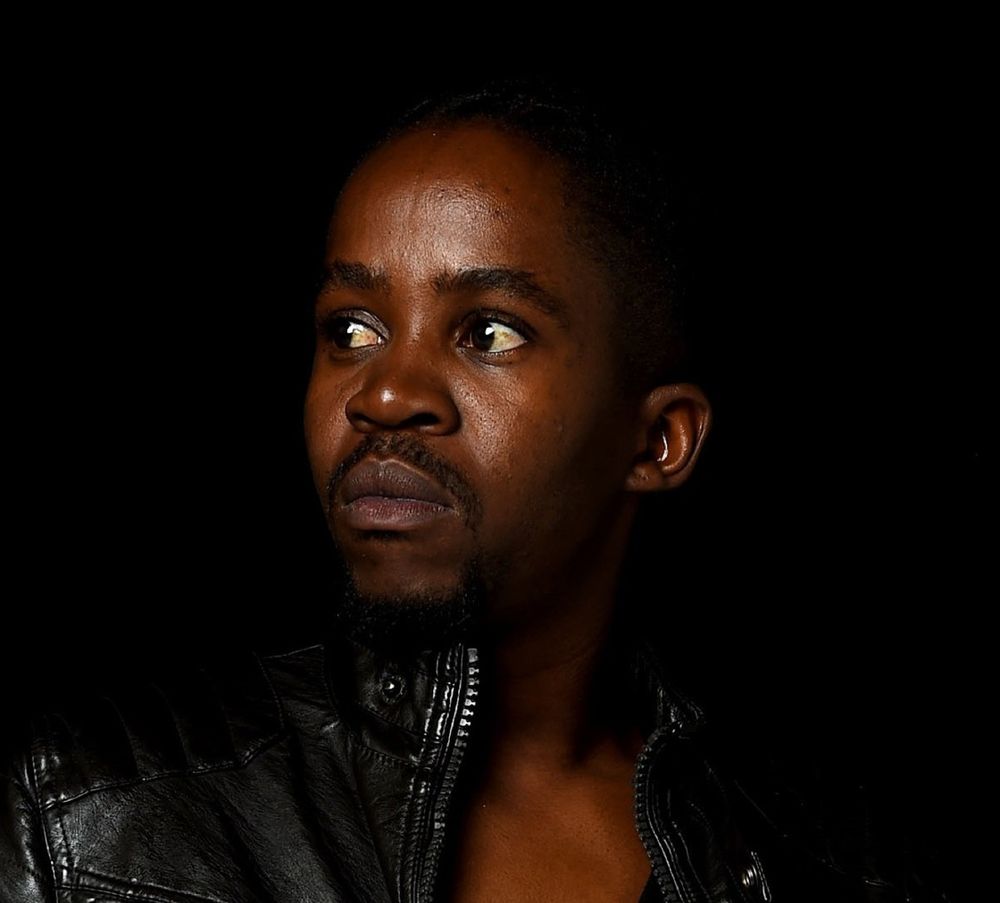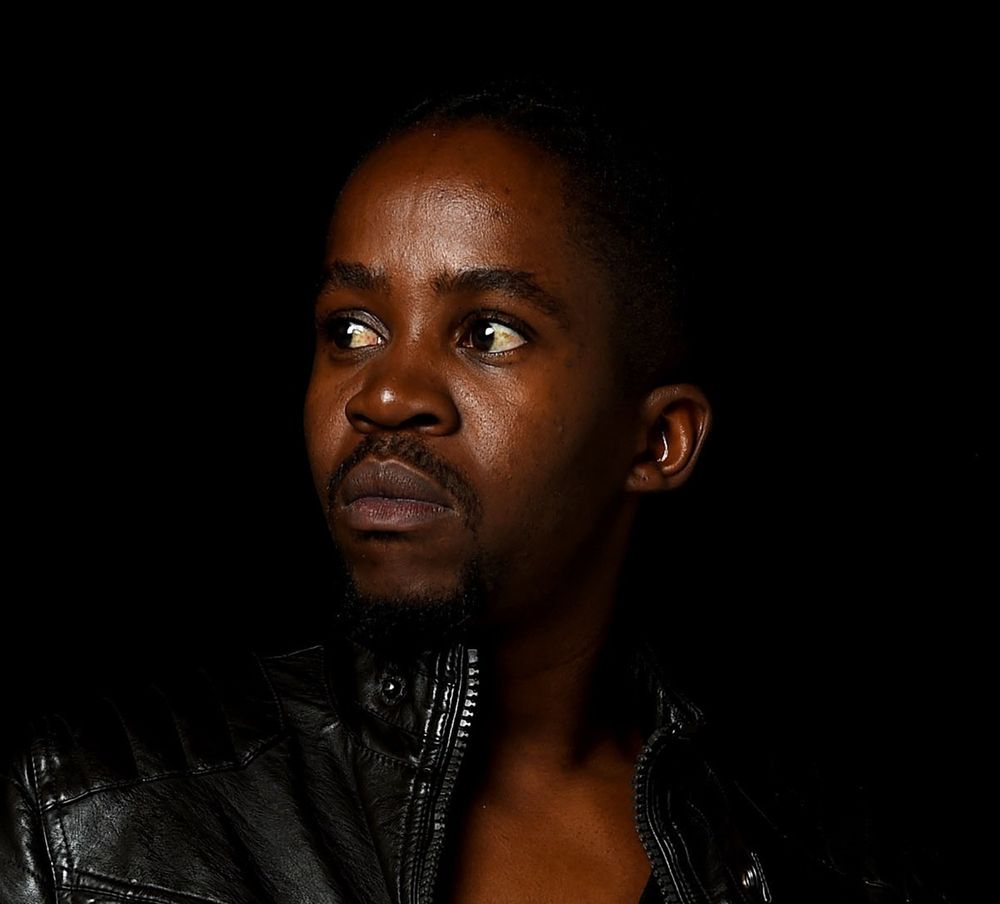
Rabbie Serumula, author, award-winning poet, journalist.
Every July, politicians spend 67 minutes painting schools, handing out blankets, posing for photographs and invoking Nelson Mandela's name as though it were a benediction. Social media fills with images of public service. Speeches are delivered. Tributes are paid. For a brief moment, the nation pauses to honour the man who became the moral compass of South Africa's democracy.
Mandela's greatest gift was never the symbolism of 67 minutes. It was the principle that no one, however powerful, stands above accountability.
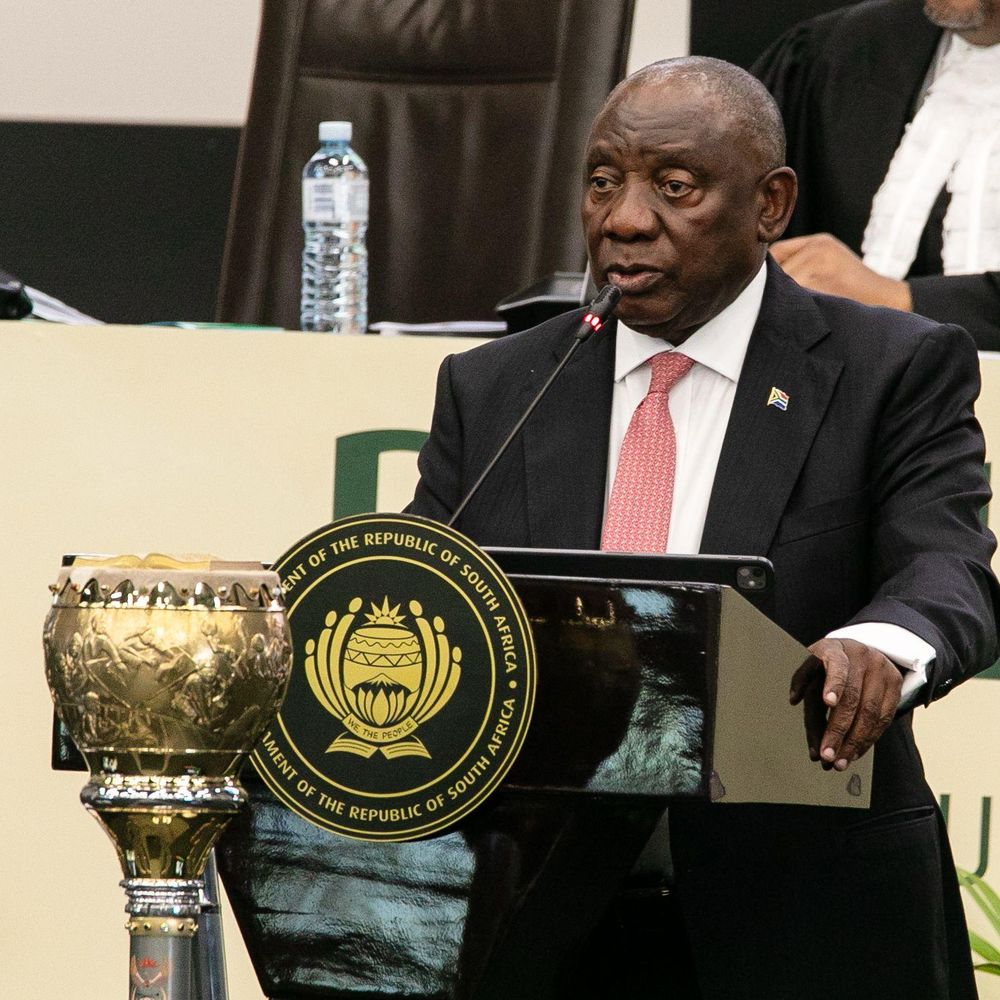
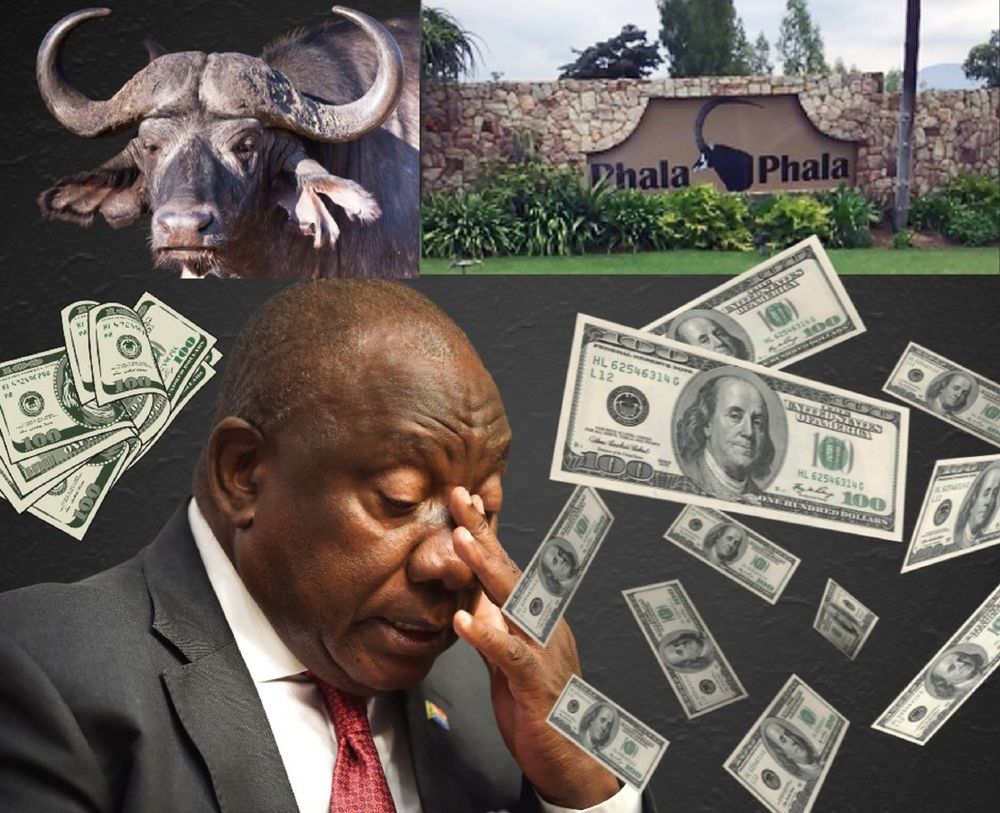
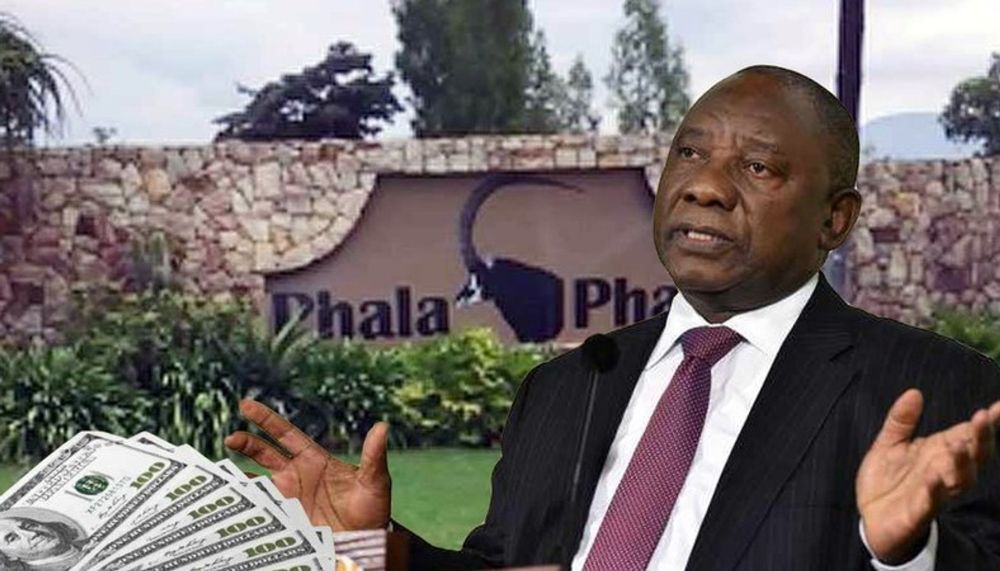
That is what makes the timing of President Cyril Ramaphosa's latest court battle so striking. Ahead of Nelson Mandela Day, Ramaphosa approached the courts seeking to halt the parliamentary impeachment process linked to the Phala Phala saga, arguing that allowing the inquiry to proceed before his review application is heard would cause him irreparable harm, including public humiliation and damage to his reputation.
The legal merits of that argument belong to the courts. But the plea itself raises a larger question that reaches beyond Phala Phala and into the very heart of Mandela's democratic legacy: What should concern us more in a constitutional democracy: the humiliation of the powerful, or the accountability of power?