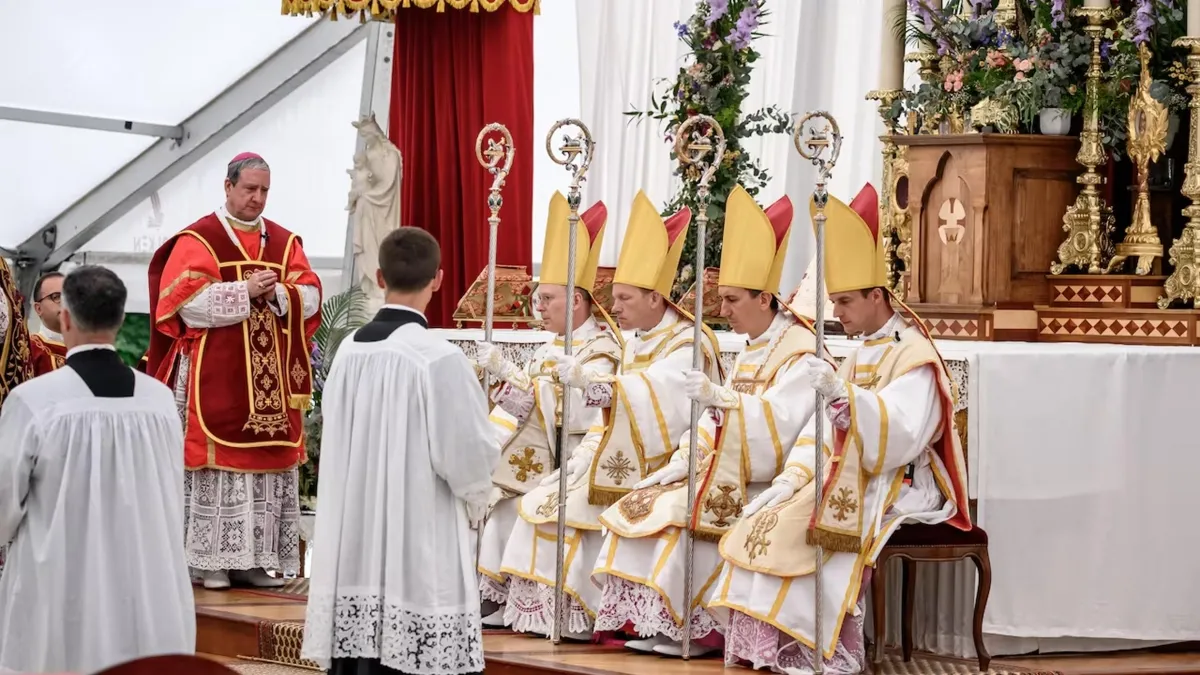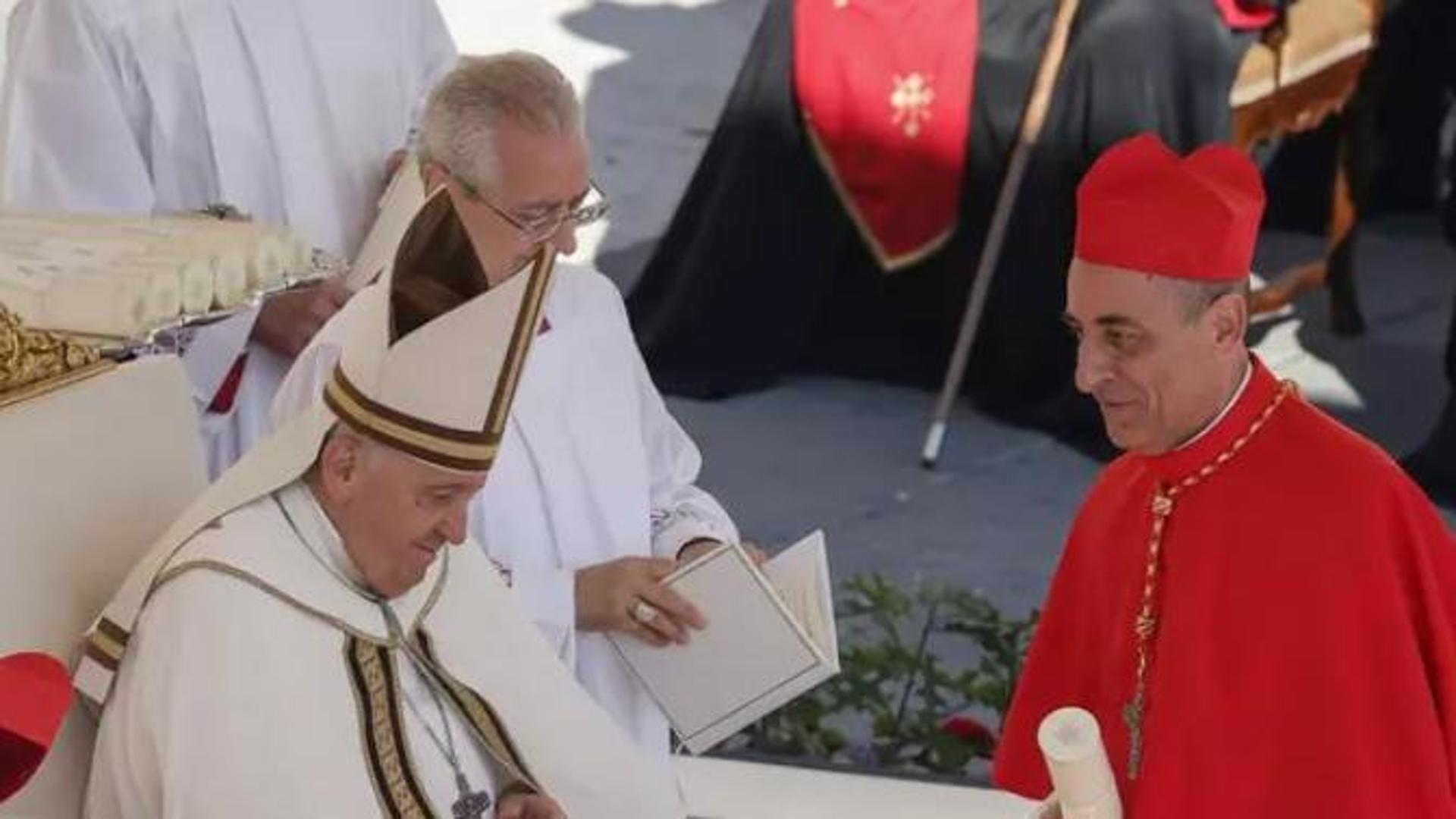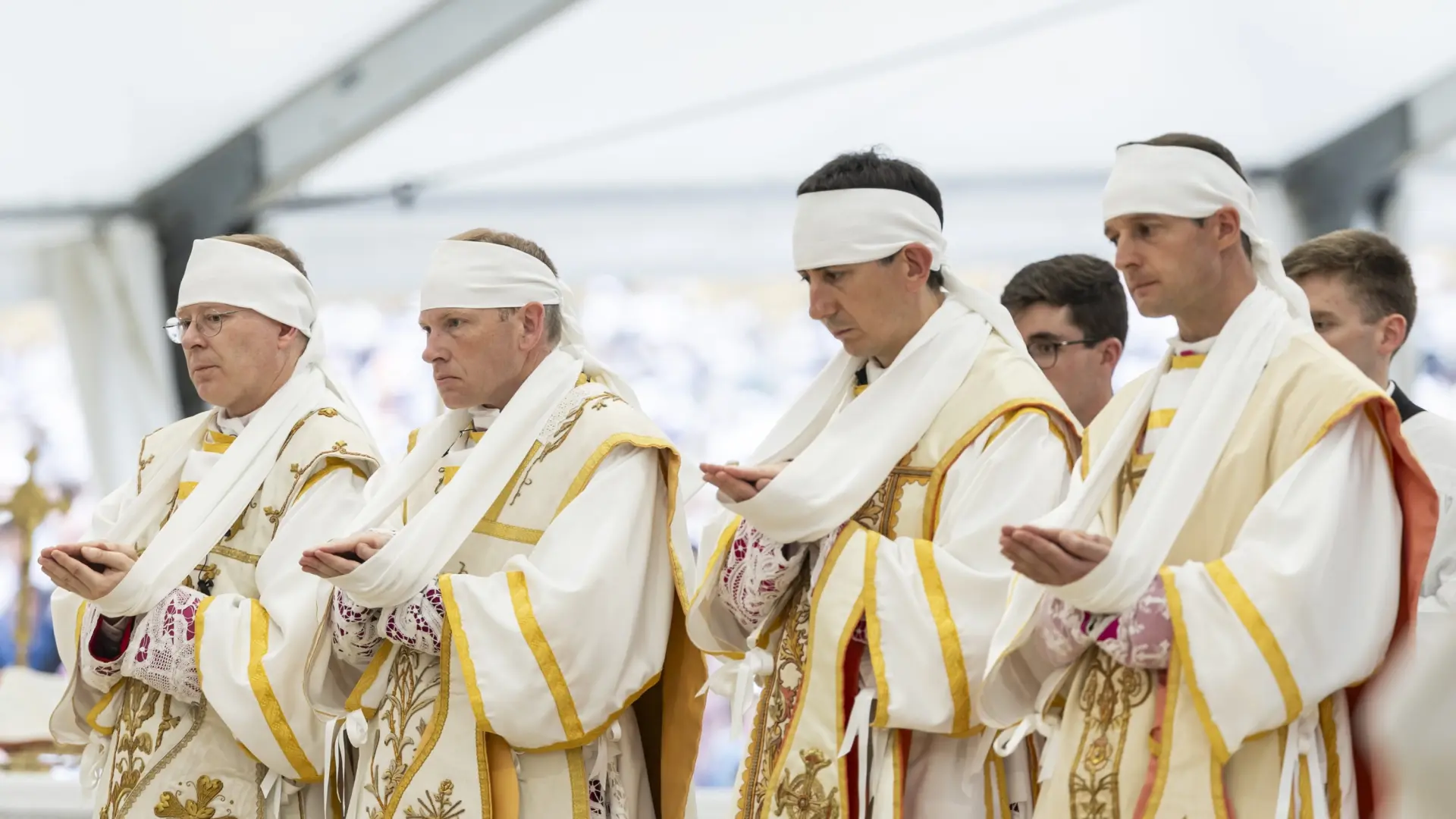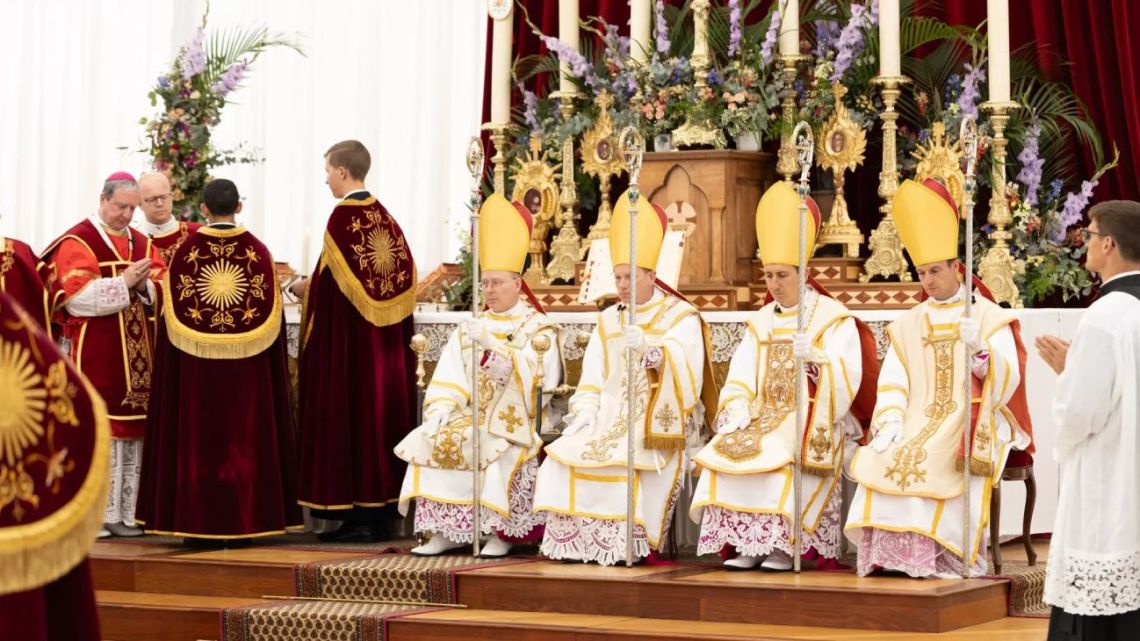
It now falls to Cardinal-theologian Víctor Manuel Fernández, head of the former Holy Office, to untangle the knot. The Lefebvrists' request to have the excommunication for unauthorized episcopal consecrations lifted marks a new development that has been welcomed within the Roman Curia. For the first time, the ultratraditionalists are invoking the 1983 Code of Canon Law—promulgated after the Second Vatican Council—rather than the 1917 Code, as they had always done before. By citing the current legal framework, they are offering an indirect acknowledgment of Vatican II, given that "the current Code is unanimously regarded as the Council's final document," notes Fr. Filippo Di Giacomo, canon lawyer and analyst of Church affairs. A Failed Agreement At the Dicastery for the Doctrine of the Faith, officials are once again picking up the threads left dangling since the suppression of the Pontifical Commission Ecclesia Dei. That was where the estrangement from Rome began, culminating in the illicit consecration of four bishops at Ecône, Switzerland, two weeks ago. The rupture has its roots in the last-minute collapse of an agreement that would have turned the Society of Saint Pius X into a Personal Prelature, similar to Opus Dei. Fr. Di Giacomo explains: "An agreement had almost been reached. In 2016, the Superior General of the Lefebvrists was the Swiss Bishop Bernard Fellay, and Pope Francis, for the Jubilee Year of Mercy, had just recognized the ecclesiastical jurisdiction of priests ordained within the Society of Saint Pius X. The deal fell through because of infighting within the Curia and poor handling of the matter by the three or four churchmen Benedict XVI had imprudently entrusted it to". The canon lawyer continues: "The final blow came when Fr. Davide Pagliarani was elected Superior General of the Society. Unimpressed by Rome's representatives, he bluntly said he was willing to continue the dialogue only if Francis appointed people who actually knew theology. That irritated Pope Francis, who felt compelled to defend the Curial bishops whose competence the Society's new leader had openly questioned". A Surprise Move Now, ten years after that failed agreement—and just two weeks after the excommunication was formally announced by the Holy See—the Lefebvrists are seeking to halt their exclusion from the Catholic Church by invoking Canon 1734, which allows anyone who believes they've been harmed by an administrative decree to request, within ten days of its notification, that the decree be revoked or amended. "It's a surprise move—almost as if they'd reshuffled the deck," says Fr. Di Giacomo. "Insisting they acted 'in a spirit of respect for ecclesiastical authority,' the ultratraditionalists argue that Leo XIV could—and should—suspend enforcement of the excommunication". "This," the canon lawyer adds, "gets at the heart of the matter. It seems the real issue at stake isn't so much theological as it is about who controls a substantial amount of money". Tithe 4.0 "Our livelihood comes from collections, bequests, and donated property," say the Italian leaders of the Society of Saint Pius X from their headquarters in Albano Laziale. "Above all, it comes from freewill offerings made during our pastoral work, as well as from assets we've received and later sold". The map of donors mirrors the places where Masses are celebrated and preaching takes place: the province of Rome, Turin, Seregno, Verona, Bassano del Grappa, Bologna and its surrounding area, Lucca, Naples, Corato, Brindisi, Palermo, Ravanusa, and Olbia. These permanent centers are supplemented by traveling missions. The more faithful the Society reaches, the greater the incentive to help fund its operations. Its network of schools is especially important: four primary and secondary schools in Italy, boarding schools, and other institutions supported by family contributions—including the San Pancrazio homeschooling program, covering primary through upper-secondary education, in Albano Laziale, and the Bambin Gesù parental school in Rimini. These institutions drive much of what's officially described as "voluntary contributions"—"what used to be called, less delicately, tithes," Fr. Di Giacomo notes—from communities deeply committed to the Society's mission. "This is our lifeblood—it's what keeps us going", say the heirs to Archbishop Marcel Lefebvre's legacy. Though hit by the excommunication imposed by Leo XIV, they've never drawn this much attention—not just from the Church, but financially too, thanks to their broad network of small-scale donors.
How the Lefebvrist Schism Came About
The failed agreement that would have transformed the ultratraditionalist Society into a Personal Prelature, like Opus Dei. An analysis by canon lawyer Fr. Fili…
701 words~3 min read