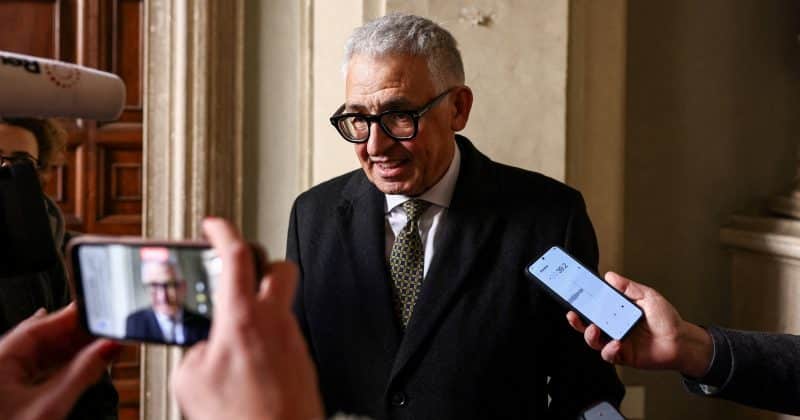
The European Central Bank is making its pitch for the digital euro, and the core argument is surprisingly simple: if money is going digital anyway, a central bank better be part of the conversation. ECB Executive Board member Piero Cipollone has been pushing this line consistently, framing the digital euro as the thing that keeps people trusting euros in a world where cash is slowly fading from wallets.
Cash, the physical stuff you can hold, is the traditional anchor of trust in money. It’s issued by the central bank, backed by the state, and universally accepted. But as payments shift online, that anchor starts to lose its grip. Cipollone’s argument is that the digital euro extends central bank money into the digital realm, ensuring that public money doesn’t become irrelevant in a landscape dominated by private payment providers.
What the digital euro actually looks like
The digital euro will not pay interest to holders. That’s a significant decision. It means the ECB is explicitly trying to avoid turning its CBDC into a savings vehicle that could compete with bank deposits.
There will also be individual holding caps, though the ECB hasn’t publicly locked in a final number. The caps serve the same purpose: protecting banks’ ability to take deposits and lend money. If everyone moved their savings into a risk-free digital euro, commercial banks would face a serious funding problem.