The European Central Bank isn’t just talking about digital money anymore. It’s building the infrastructure, signing standards agreements, and putting dates on a calendar.
ECB Executive Board member Piero Cipollone delivered a speech titled “Money in the digital age” on May 28 at the Istituto Affari Internazionali in Frankfurt, laying out a three-part roadmap for how Europe plans to modernize central bank money. The timeline is ambitious: regulatory approval targeted for 2026, pilot transactions from mid-2027, and a potential first issuance of the digital euro as early as 2029.
Three pillars, one message
Cipollone structured the ECB’s digital strategy around three distinct pillars, each addressing a different layer of the payments stack.
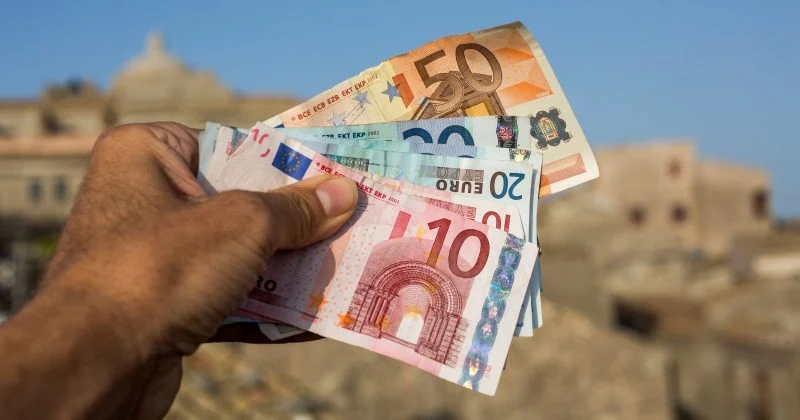
First, the retail digital euro. This is the headline project, a central bank digital currency designed for everyday consumers. Cipollone was careful to frame it as a complement to cash, not a replacement. The design includes individual holding caps meant to protect financial stability and preserve the role of commercial bank lending. It would carry legal tender status and work both online and offline.