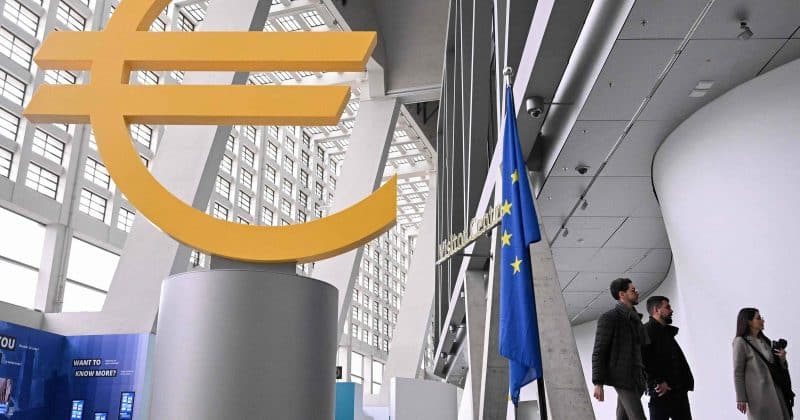
Piero Cipollone, a member of the European Central Bank’s Executive Board, stood before an audience at the Istituto Affari Internazionali in Frankfurt on May 28 and laid out what amounts to Europe’s most concrete plan yet for a digital version of the euro. The timeline: a pilot program by mid-2027 and a first issuance targeted for 2029.
What the digital euro actually looks like
Think of it as digital cash, not a crypto asset. The digital euro is designed as a direct counterpart to physical banknotes, carrying legal tender status and working for both online and offline transactions. It would not replace cash. It would sit alongside it.
Two critical design choices stand out. First, the digital euro will be non-interest-bearing. This is a deliberate decision to prevent the ECB from accidentally becoming a retail bank competitor. Second, there will be caps on how much any individual can hold. The ECB wants to prevent scenarios where large amounts of bank deposits migrate into digital euro wallets during periods of financial stress.
The sovereignty argument