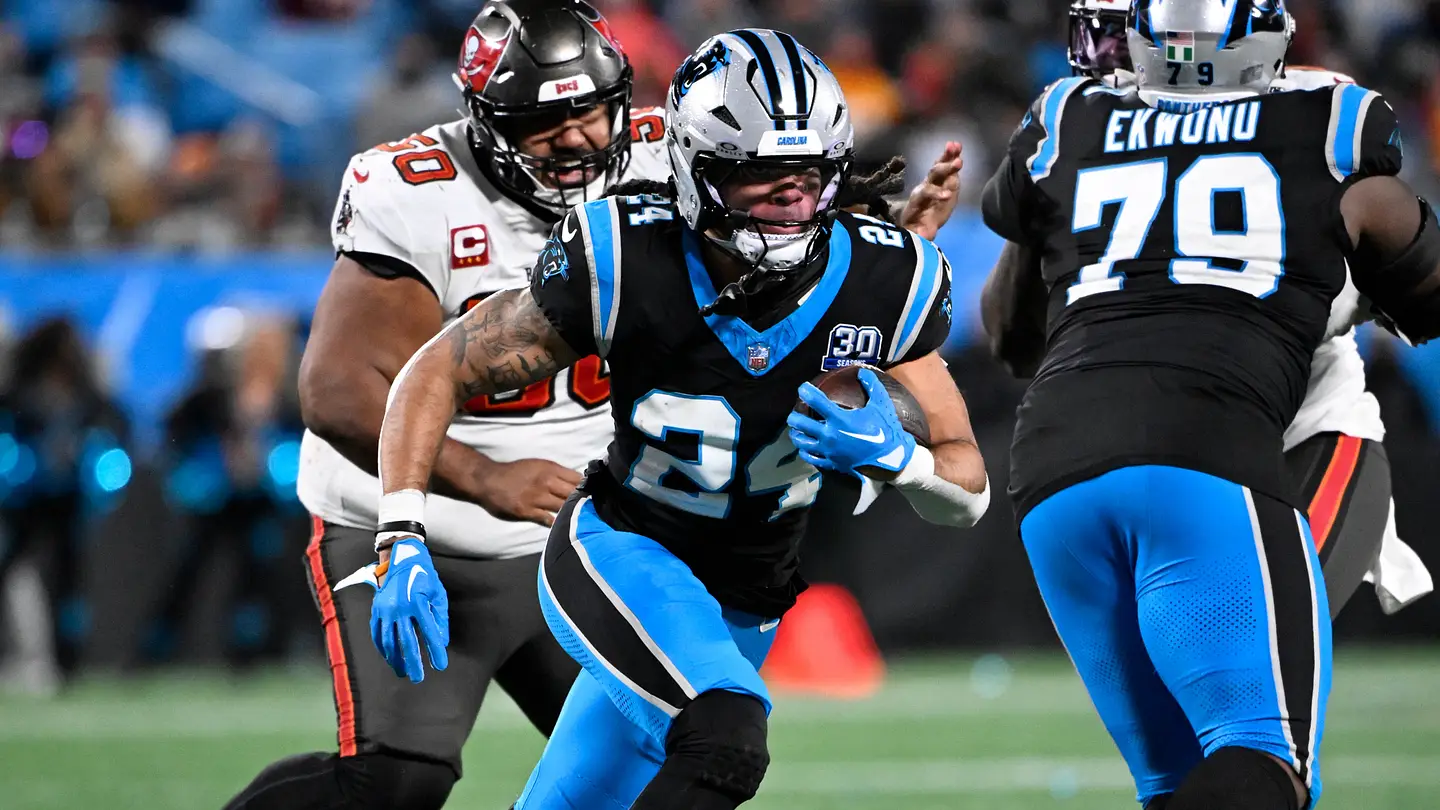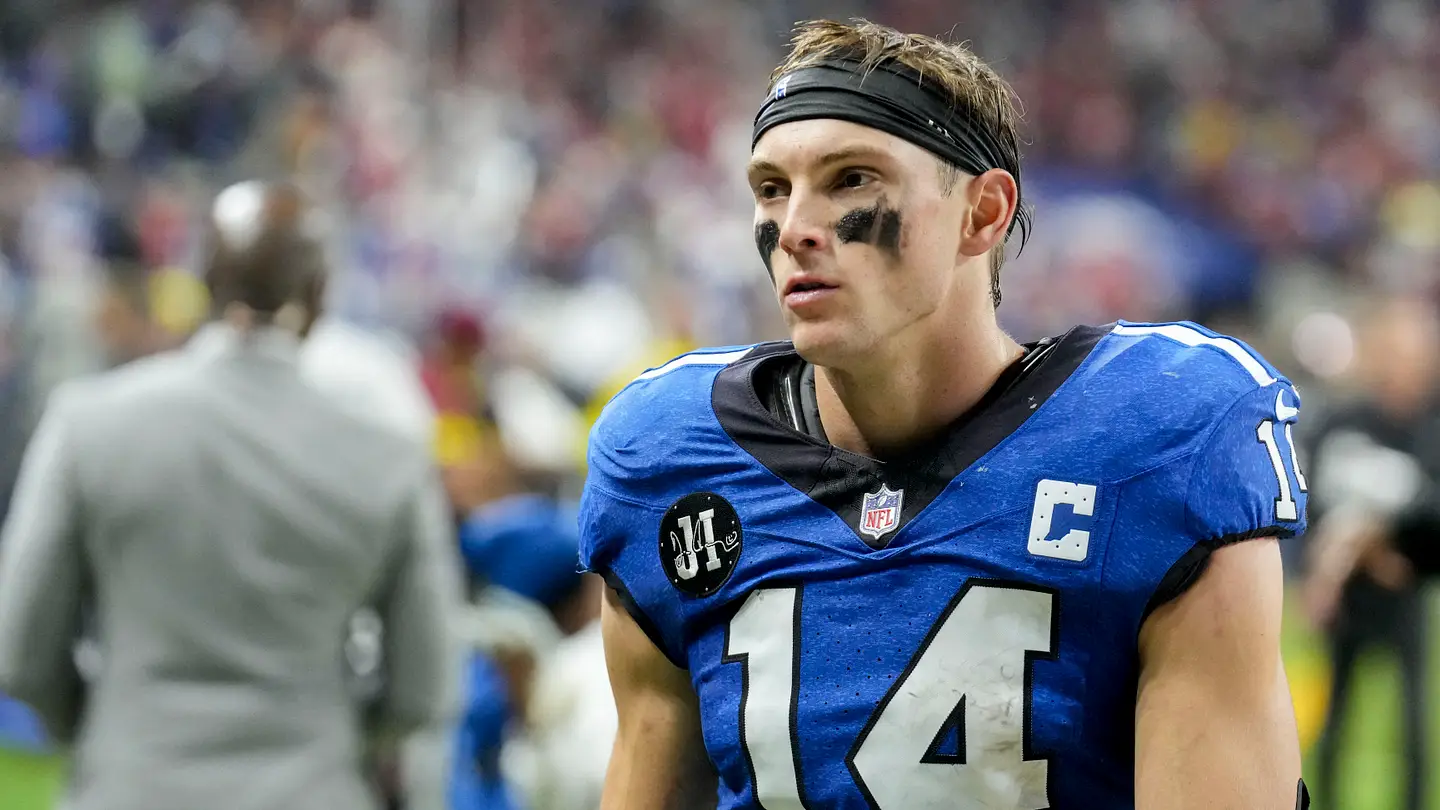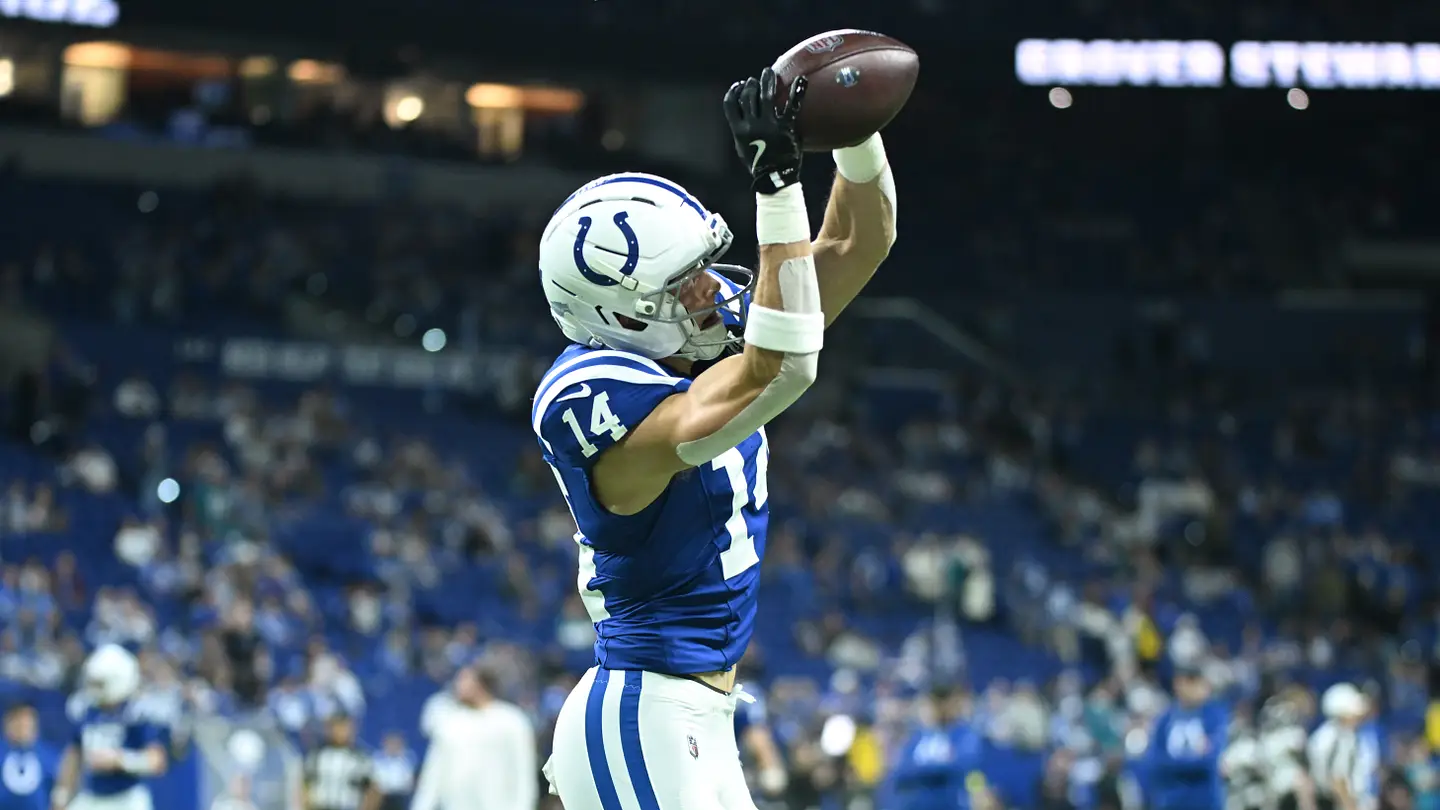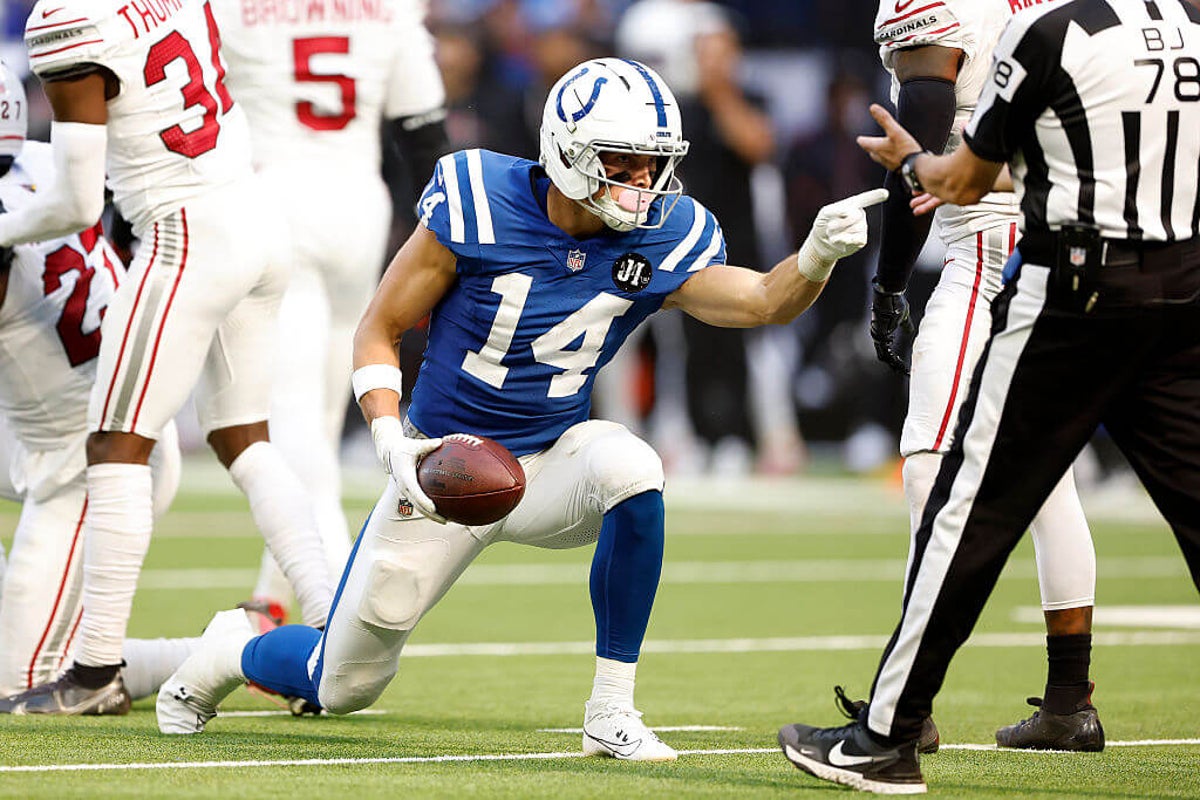
I previously looked at receivers who the market is, in my opinion, irrationally exuberant about. Now I’m looking at wideouts who are receiving irrational pessimism.As I wrote in the overpriced WRs column, try to draft undervalued players as close to the pessimistic price as possible. Rankings are not recommendations for what you should pay (that should always be average draft position), they are a way to assess the expected value of the price you pay.I used FantasyPros ADP and I’ve included where I’m ranking the WRs in question. I always show my work so you can agree or disagree with the data and thus my ranking relative to ADP, displayed below as: (ADP/my ranking).Courtland Sutton, DEN (ADP WR35/my WR24)I compare Sutton to Terry McLaurin, who has a WR24 ADP. What is the difference? Over the past two years with Sean Payton as the head coach, Sutton has been WR13 (2025) and WR15 (2024) in PPR scoring; in PPR points per game, he finished as WR22 (2025) and WR27 (2024). He was over a 20% target share overall, in the red zone and inside the 10. He was tied for fourth in end zone targets (14) — end zone targets are worth 3 expected fantasy points each, and Sutton was about average at converting them. Jaylen Waddle is a fine complement, but he won’t command more than 25% of targets — he’s squeezing the other WRs out of work. Sutton won’t be a home run, but he’s almost certain to be a single or a double at the current price. Sometimes in a draft, you just keep the rally going.Alec Pierce, IND (WR36/WR23)The comp for Pierce is Jameson Williams, who is WR27. In fact, Pierce has more upside because he can be the alpha and Williams can’t be in Detroit (without an injury). We don’t know when and how QB Daniel Jones will return from his Achilles tear — a terrible injury, and Pierce had ankle surgery; however, he then received a massive contract ($114 million for four years). The Colts had 111 targets walk out the door when WR Michael Pittman (replaced by Nick Westbrook-Ikhine) left. So probably at least 40 of those will shift to Pierce. His efficiency metrics may go down about 15-20%, but he’d still be expected for 10 yards per target, or roughly 1,200 yards. Pierce’s red-zone target rate was only 11.6%, about half of what we’d like to see, but it can increase with Pittman gone, as Pierce is 6-foot-3, well sized for the red zone.
Alec Pierce, Wan’Dale Robinson among top-5 most underpriced WRs in early ADP
Michael Salfino identifies the five receivers he believes to be most irrationally underpriced in early 2026 fantasy football drafts.
822 words~4 min read