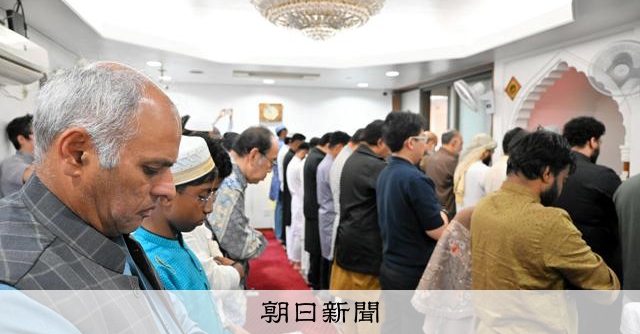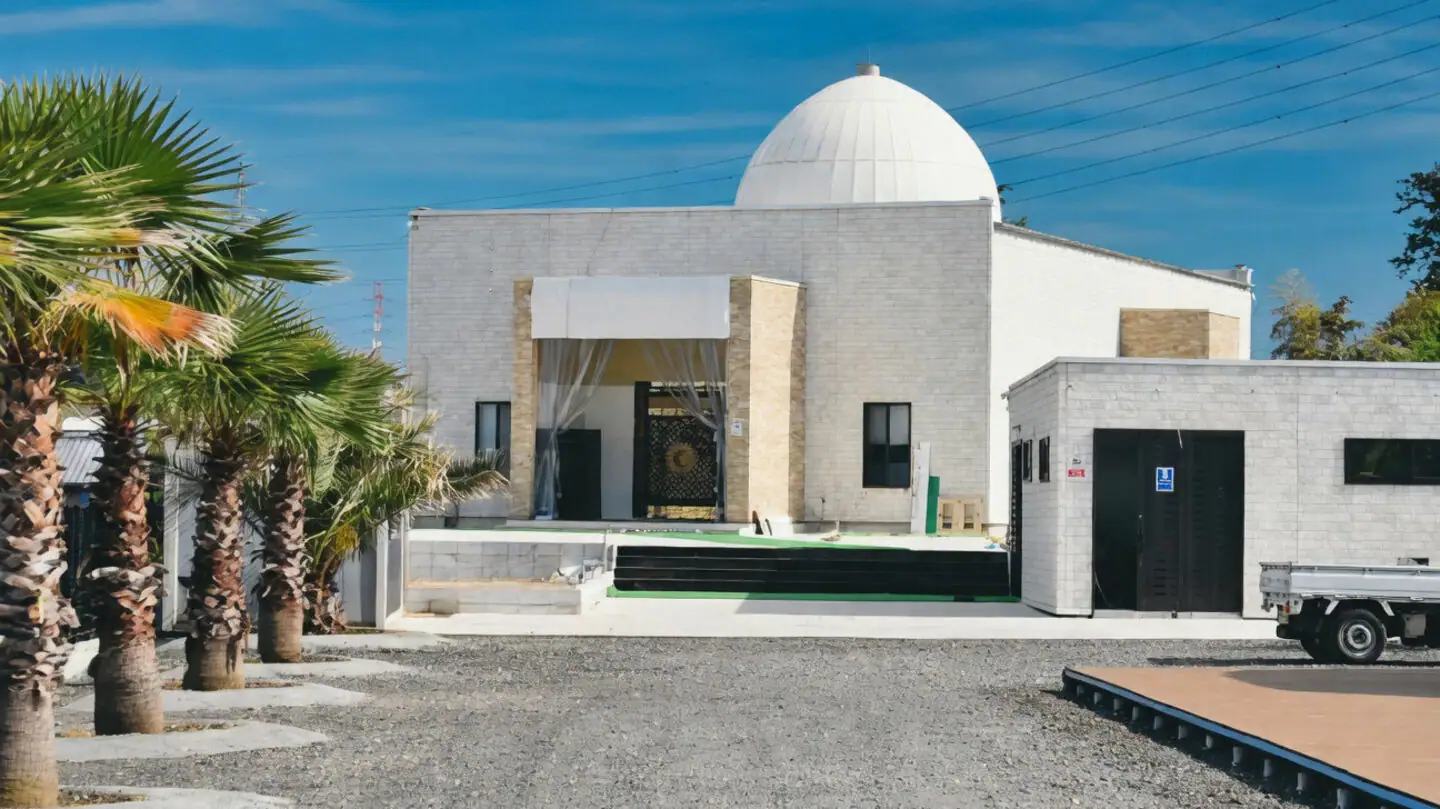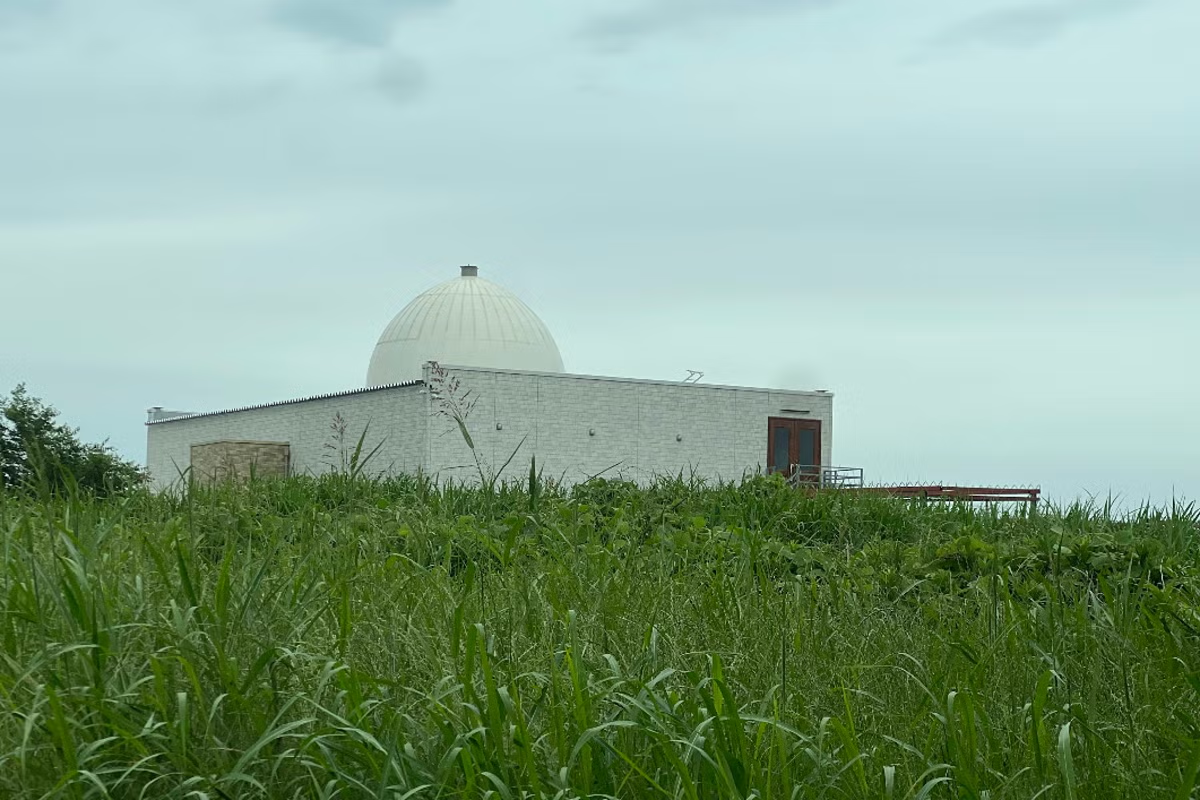
In late 2025, a plan to build a mosque in Fujisawa, Japan suddenly drew intense opposition. An online petition to stop the construction gathered more than 32,000 signatures, raising nearly one million yen (US$6150) in donations. Since then, there have been protests directed at the Fujisawa city government for authorising the project despite it meeting all necessary requirements.
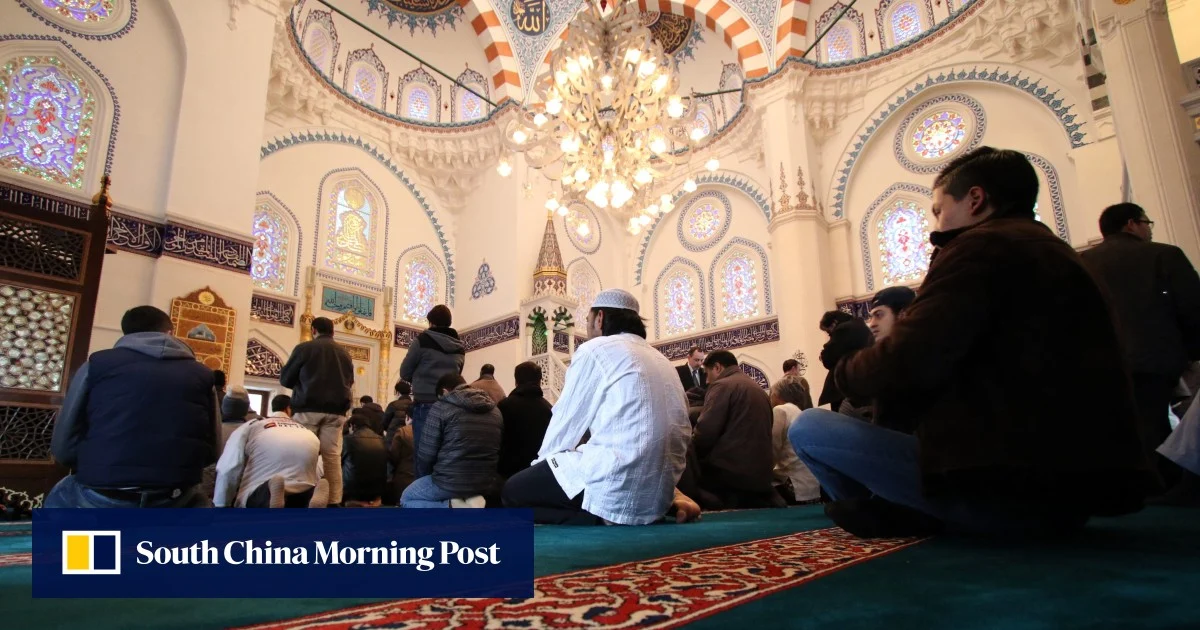
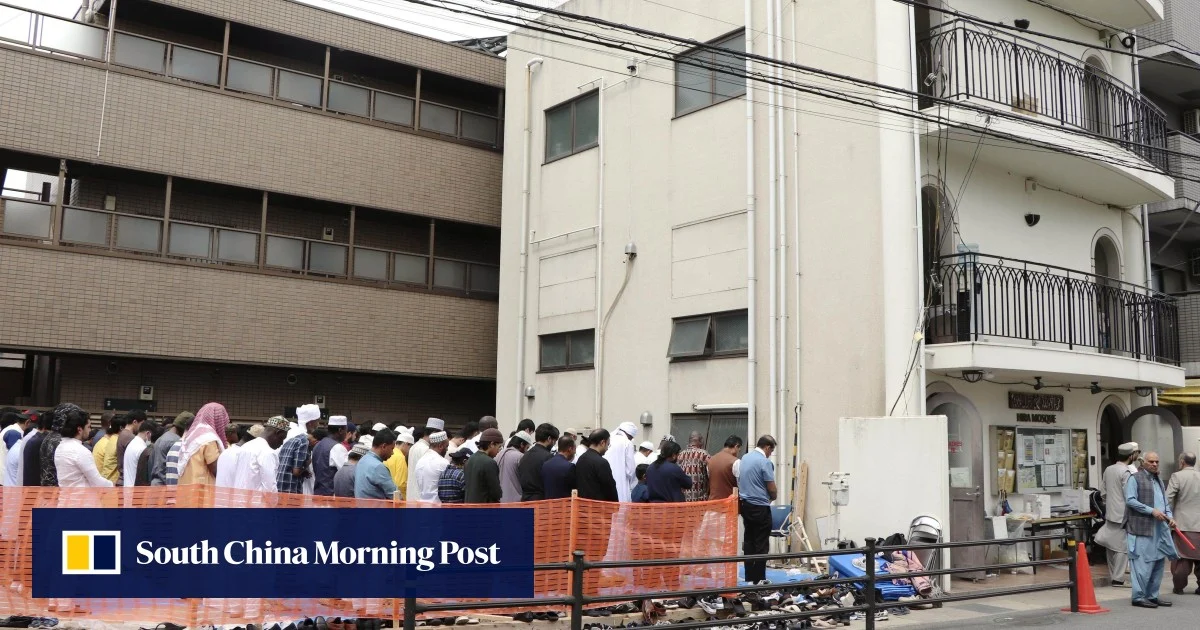
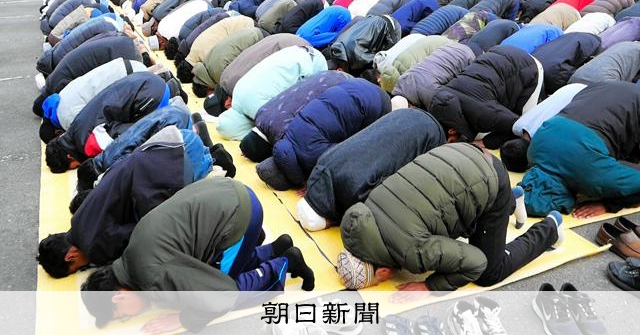
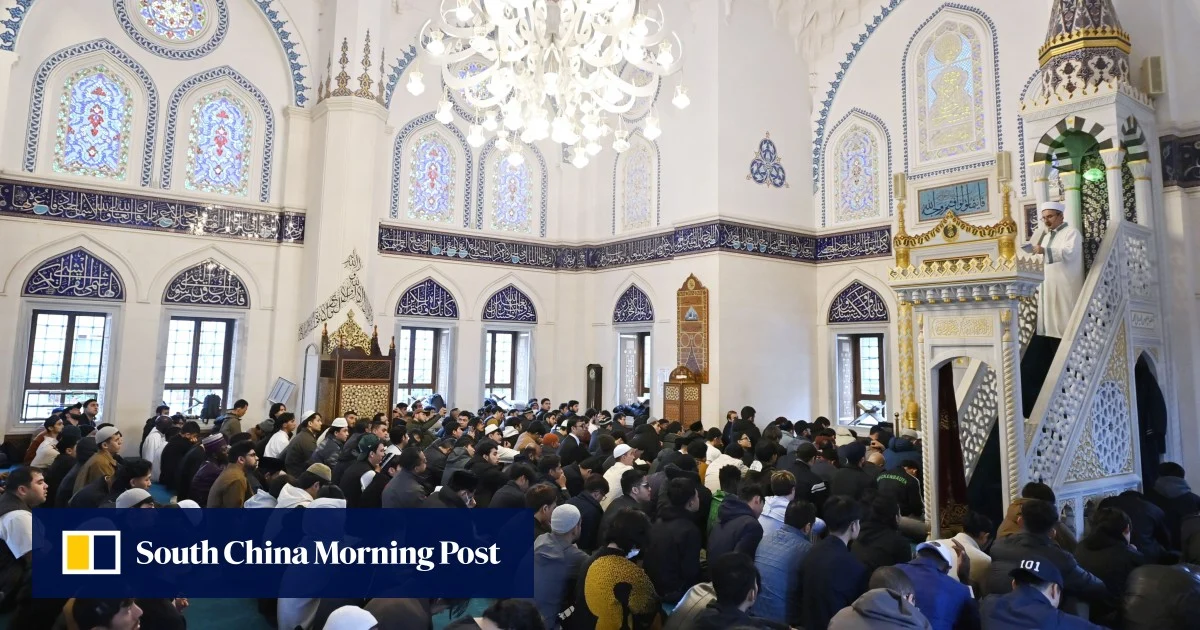
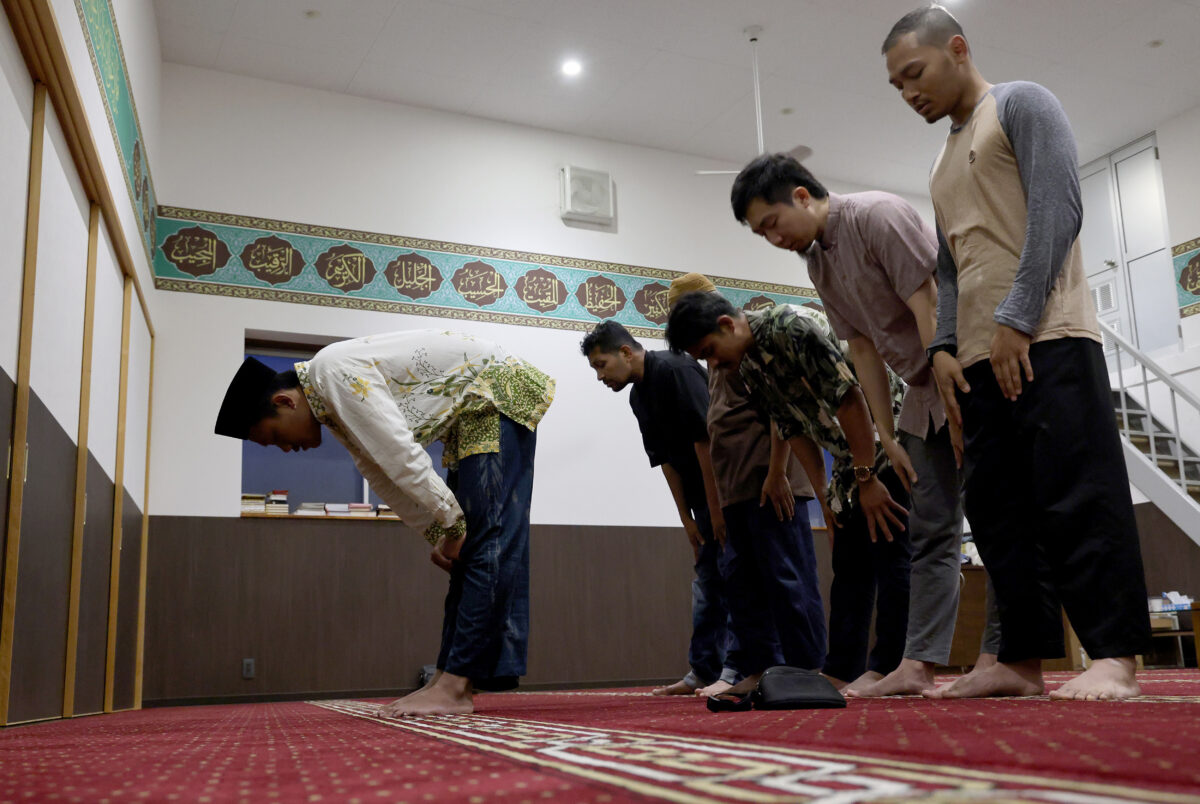
Though the Fujisawa mosque project emerged as a flashpoint in debates around Muslims in Japan in 2025, Muslims have been part of Japanese society for more than a century. The first mosque in Japan — the Kobe Mosque — was founded in 1935, with an estimated 167 mosques nationwide as of 2025. The population of Muslims in Japan has increased rapidly over the last decade, estimated at around 420,000 as of the end of 2024, making up approximately 0.3 per cent of Japan’s population.
Surveys on Japanese perceptions of Islam and Muslims from the 2000s to the early 2010s reveal predominantly negative views. A 2011 survey showed that more than 70 per cent of respondents disagreed with positive descriptions of Islam like ‘advanced’, ‘tolerant’ and ‘peaceful’. But these negative perceptions did not necessarily lead to the kind of large-scale opposition to Muslim communities seen today.