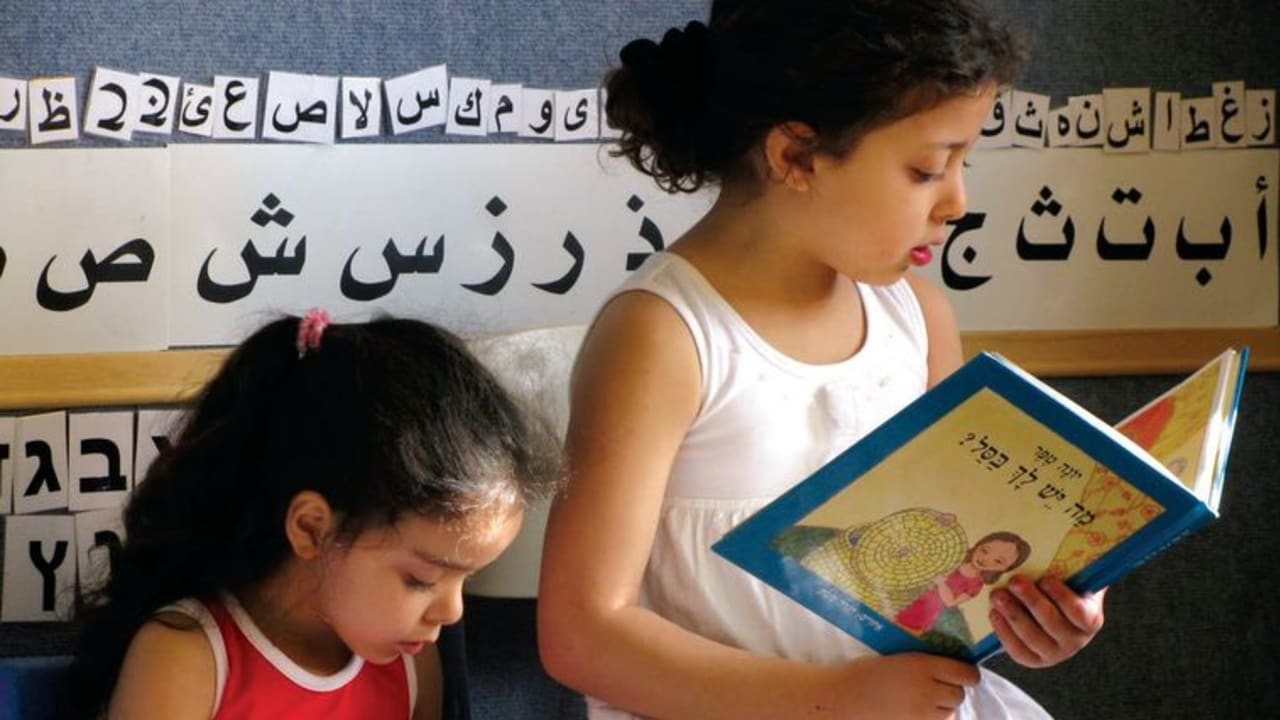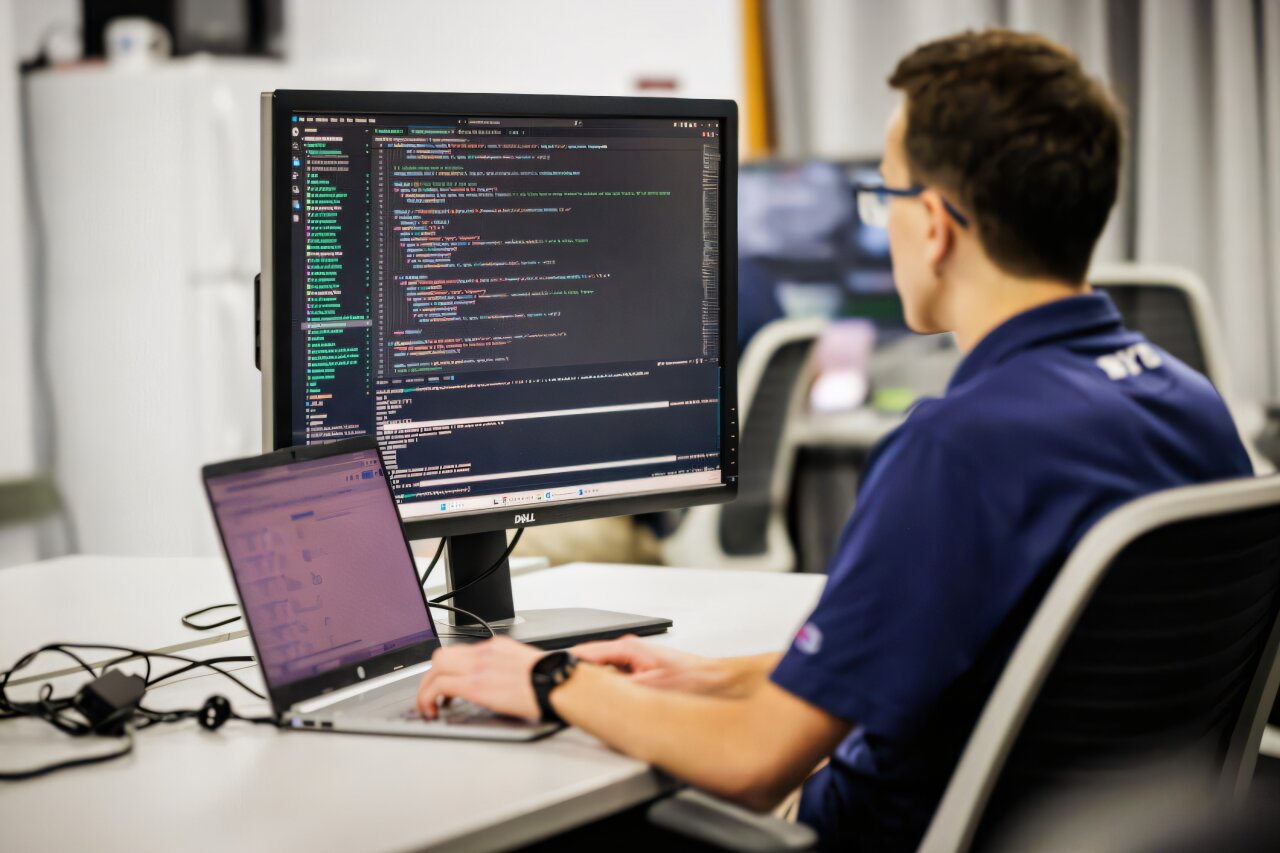
A student researcher works in the BYU MATRIX Lab on the Pathsay project. The project partners with BYU-Pathway Worldwide students to collect speech and text data for low-resource languages, helping preserve linguistic heritage and improve AI-powered translation tools for communities often overlooked by mainstream technology. Credit: Ellie Alder/BYU Photo
Thousands of the world's languages remain largely invisible to modern translation technology, but researchers and students at Brigham Young University are working to change that. Through a project called Pathsay, students in the BYU MATRIX lab are partnering with international BYU-Pathway Worldwide students to collect speech and text data for low-resource languages, helping preserve linguistic heritage and improve access to translation tools for communities often overlooked by mainstream technology.
The project has already collected more than 750,000 recorded sentences and 2,200 hours of audio across 30 languages, including Afrikaans, Bislama, Chichewa, Cusco Quechua, Dholuo, Efik, Fante and Fon, among others. Researchers hope to expand the effort to 50 languages by the end of the year.
Fewer than 50 of the world's roughly 7,000 languages have enough digital data available to create truly useful translation tools. Only the top dozen languages—languages such as English, Portuguese, Italian, Korean and Chinese—are considered "high-resource."