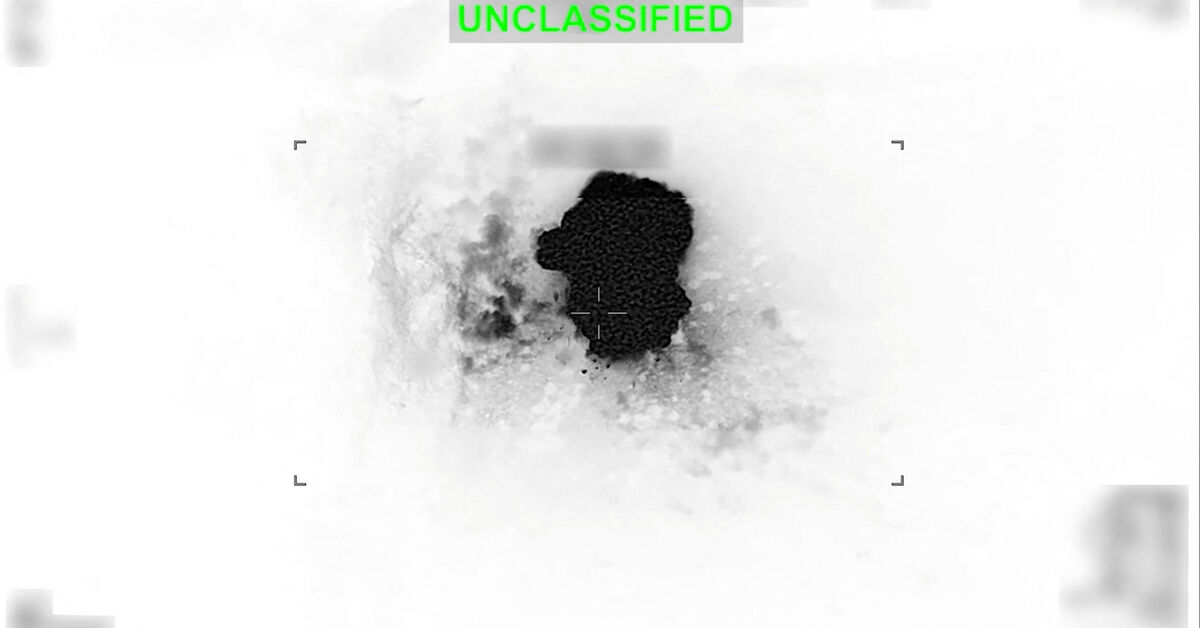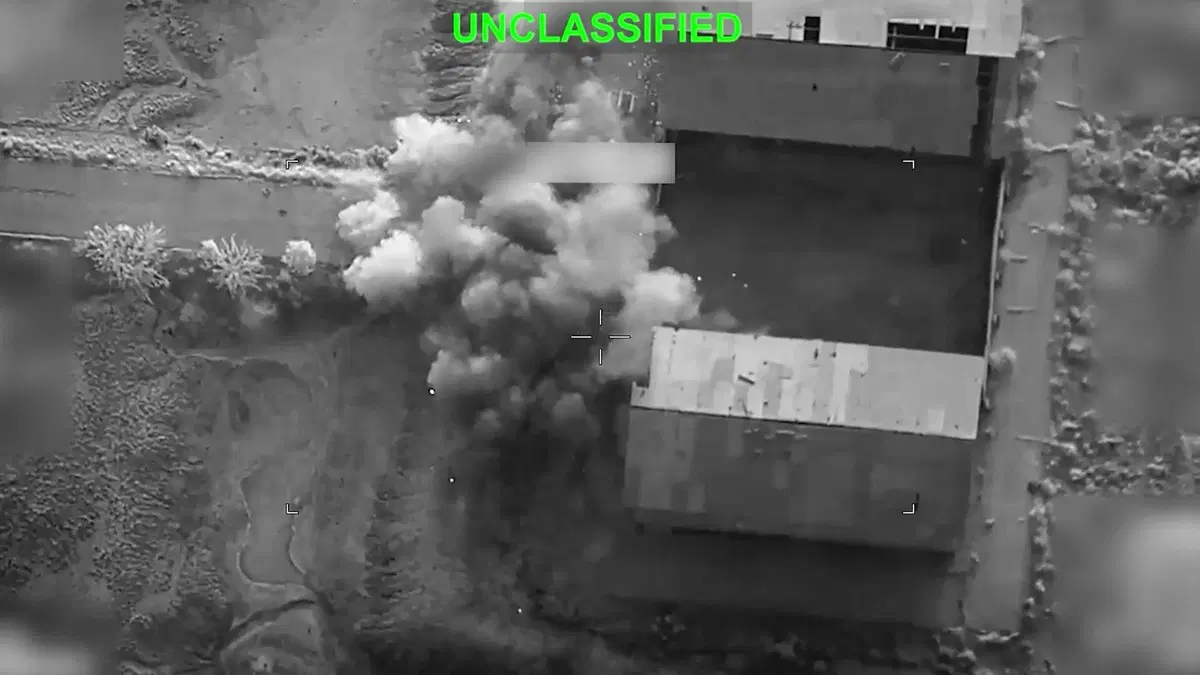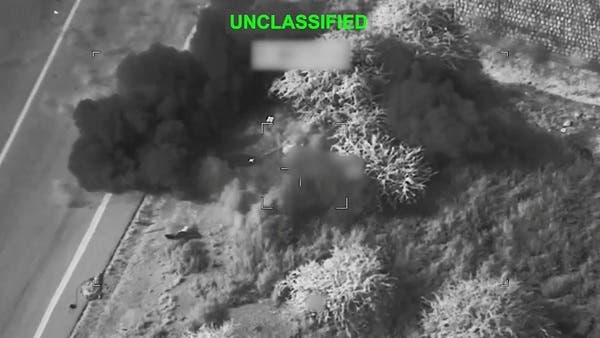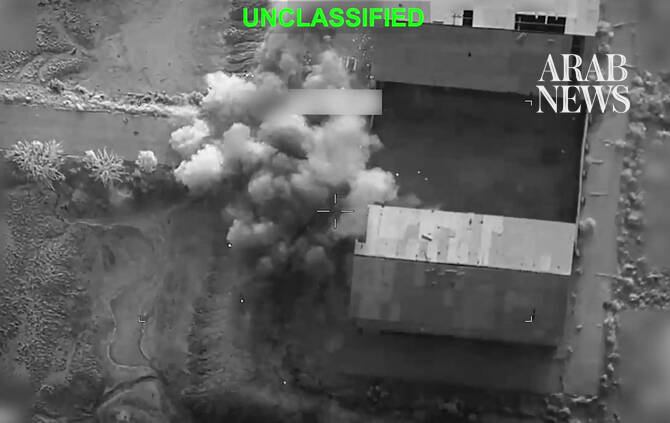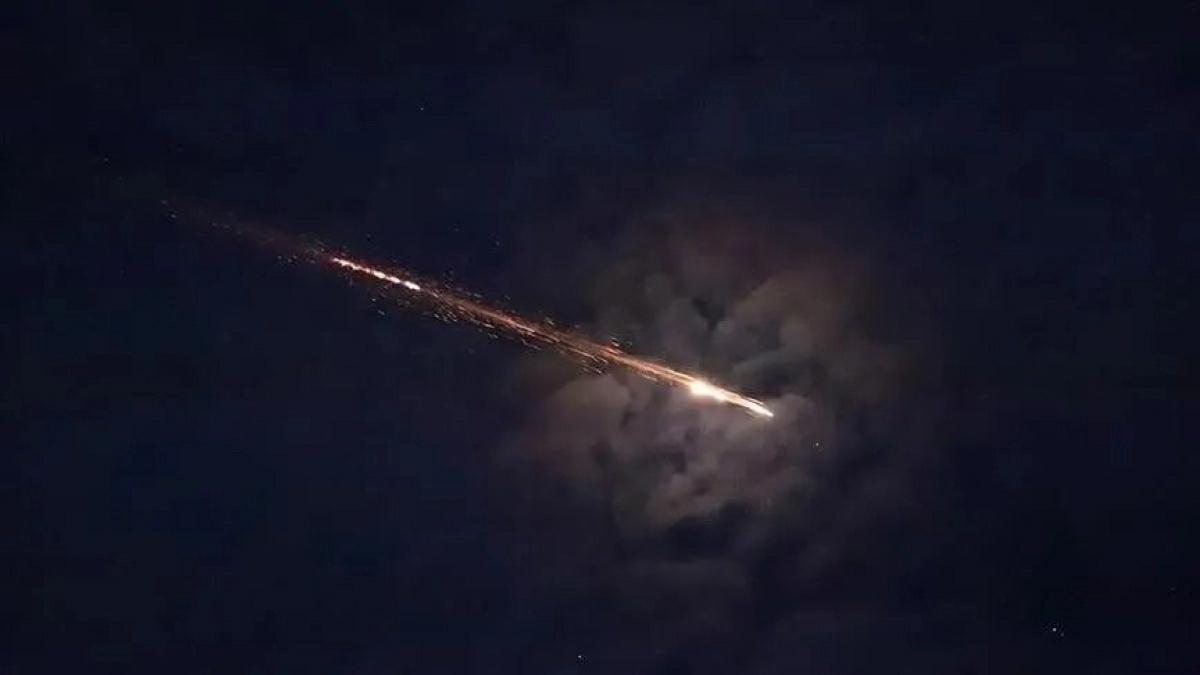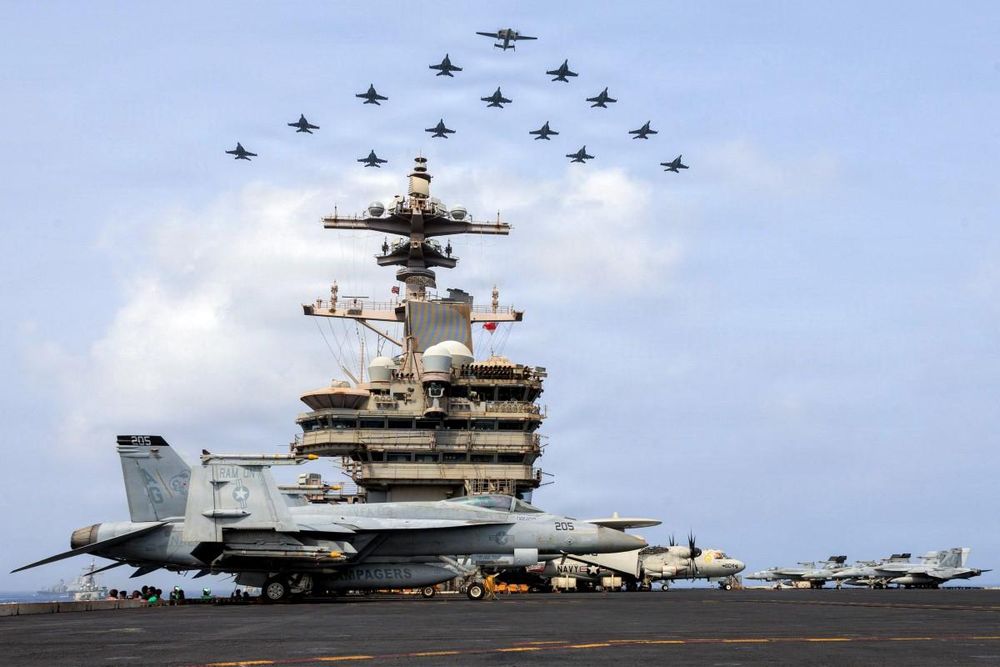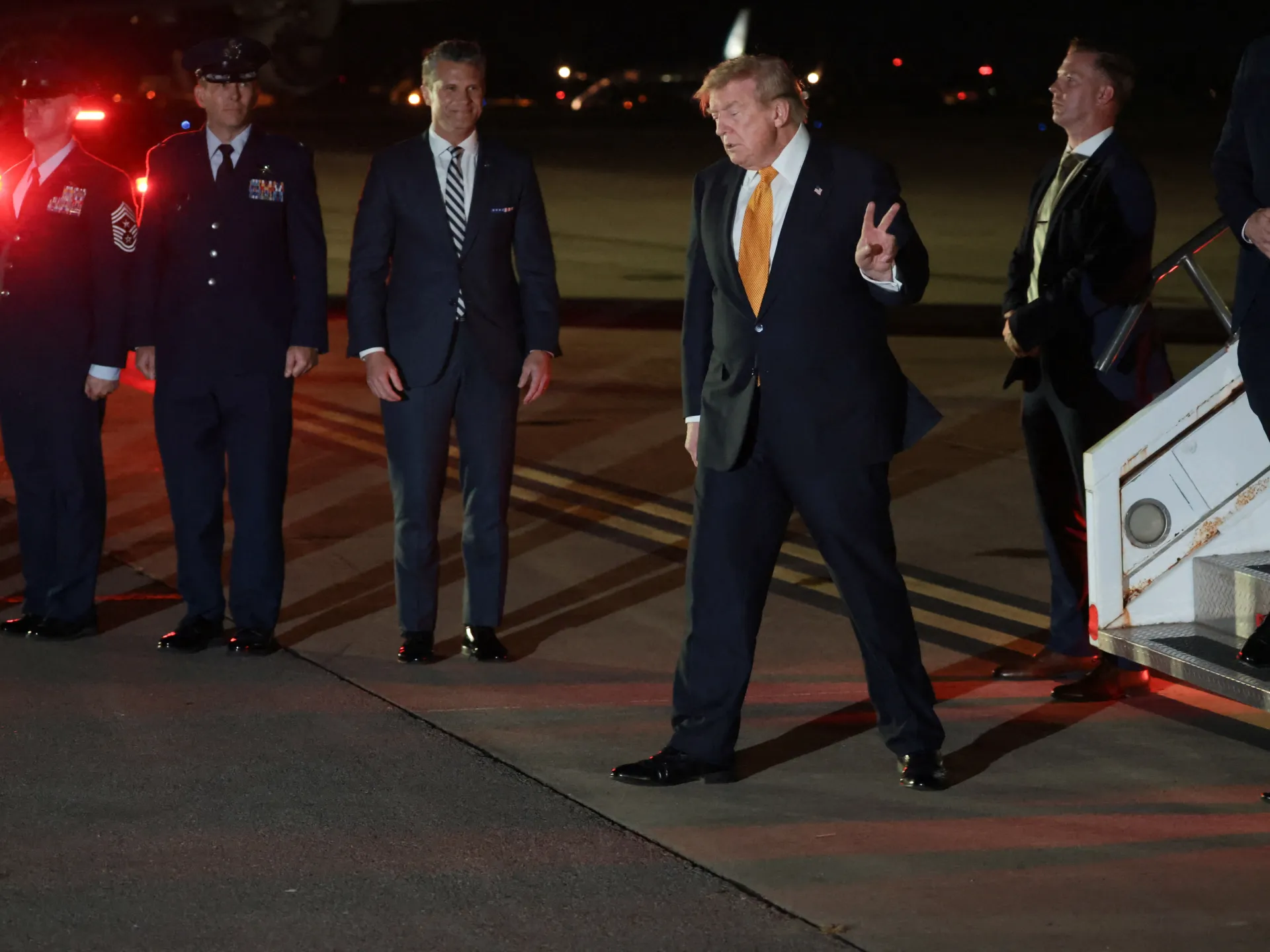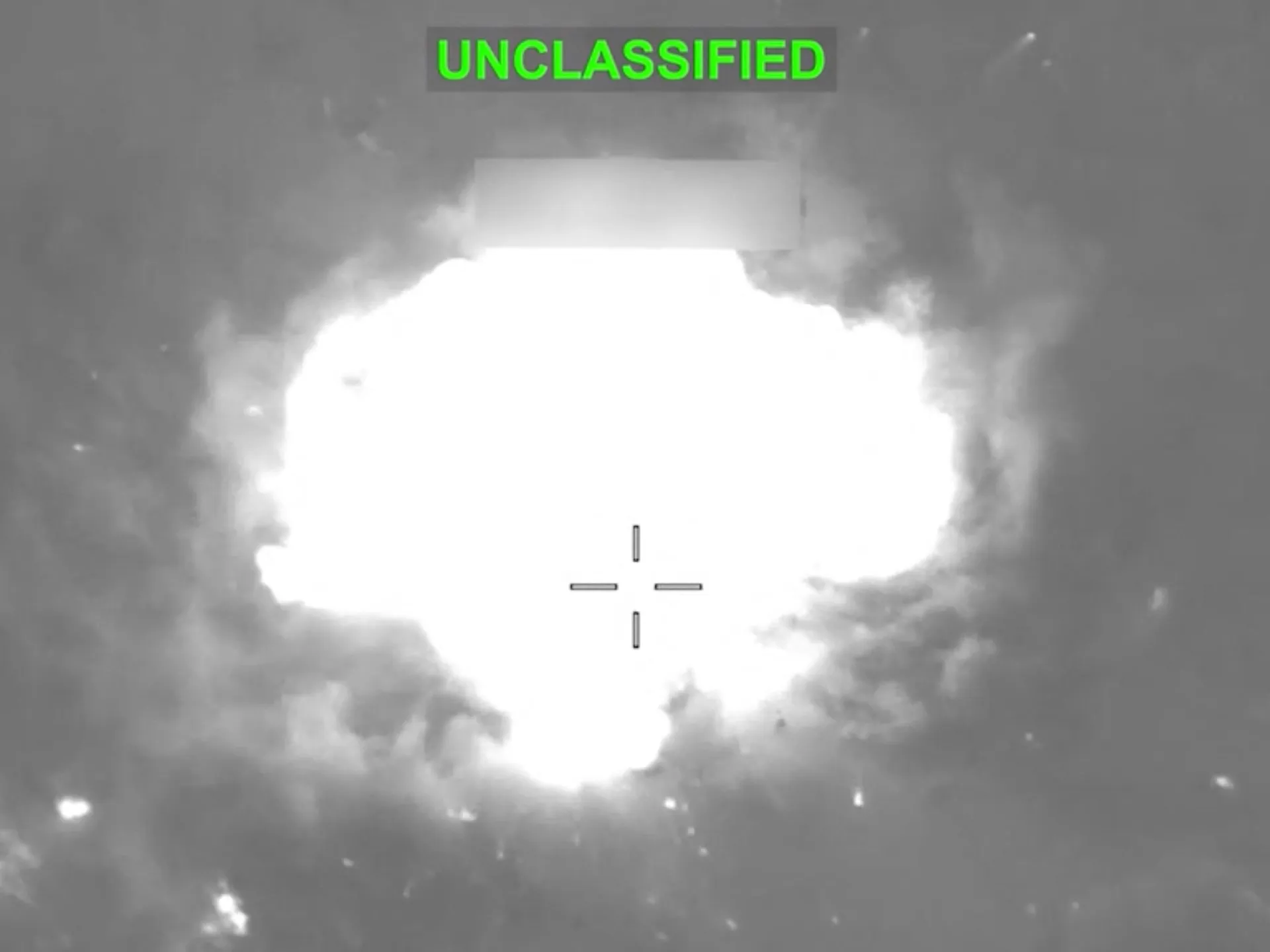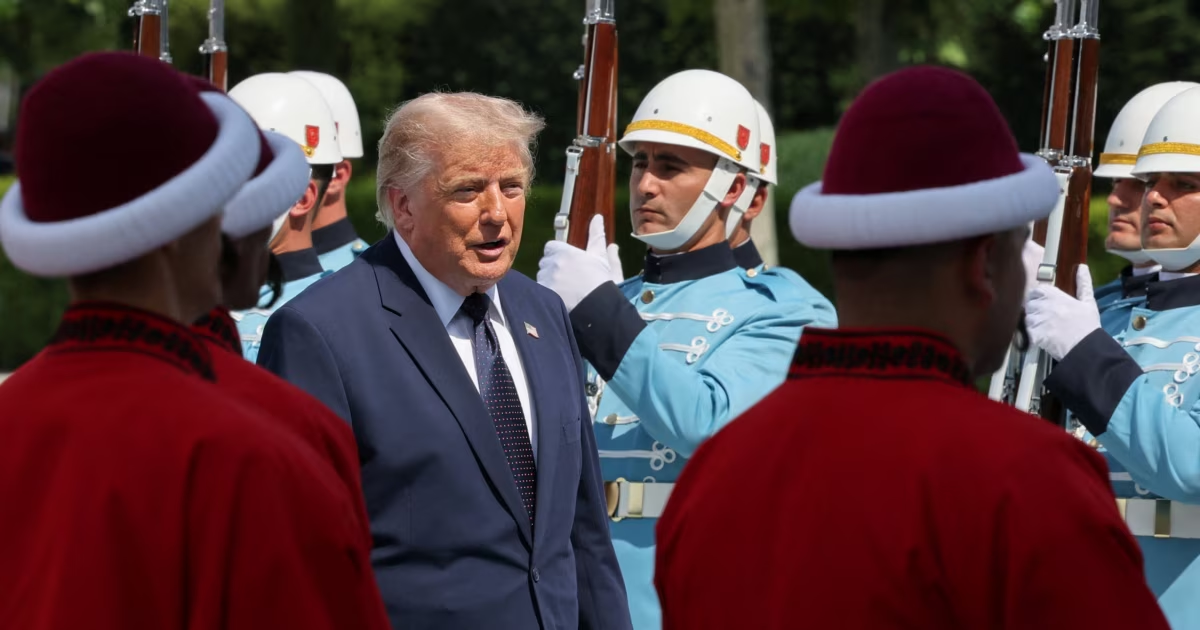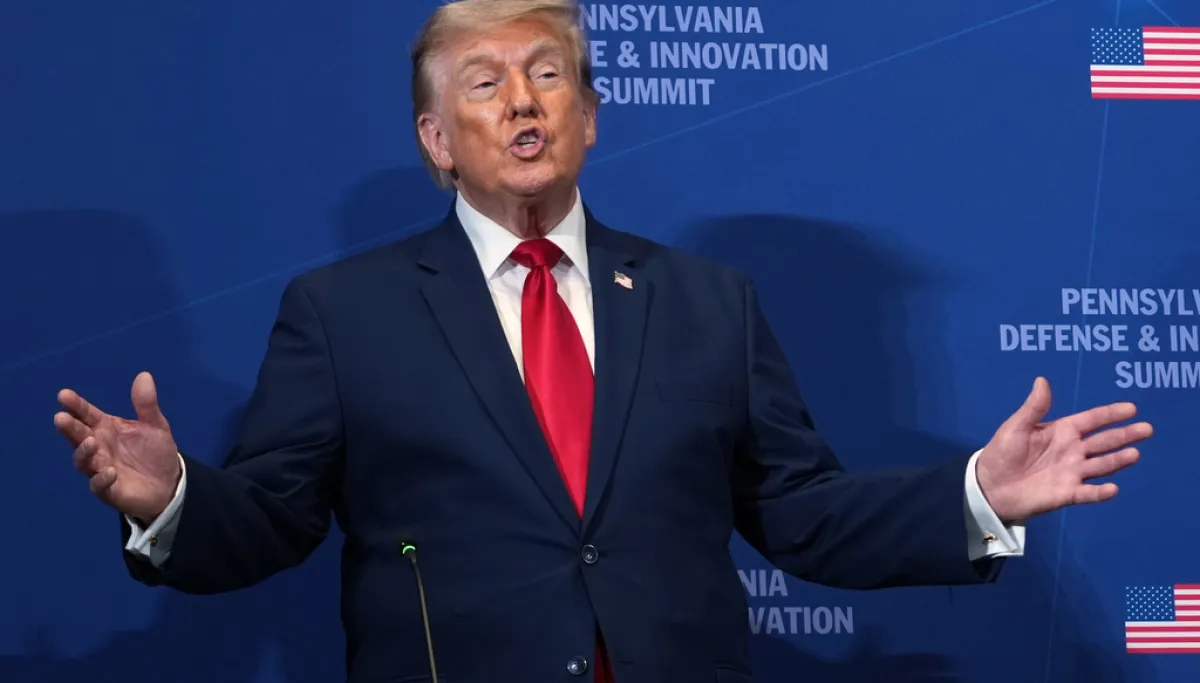
The 27-word announcement came via social media at 2:48 p.m. Thursday with minimal fanfare — the United States had conducted “a new wave of strikes for the sixth consecutive night to further degrade Iranian military capabilities.” Any pretense that the tenuous peace deal between the U.S. and Iran was alive, if not on life support, appears to be well and truly over.Prior to that, U.S. Central Command had publicly announced that the U.S. military had carried out waves of strikes every day since Saturday. President Donald Trump has indicated the strikes would continue as well.Despite the increased frequency of U.S. strikes, War Secretary Pete Hegseth and Gen. Dan Caine, the chairman of the Joint Chiefs of Staff, have not briefed the media since May 5, prior to the signing of the deal and its apparent collapse. Adm. Brad Cooper, the CENTCOM commander, has not held a briefing since then either.
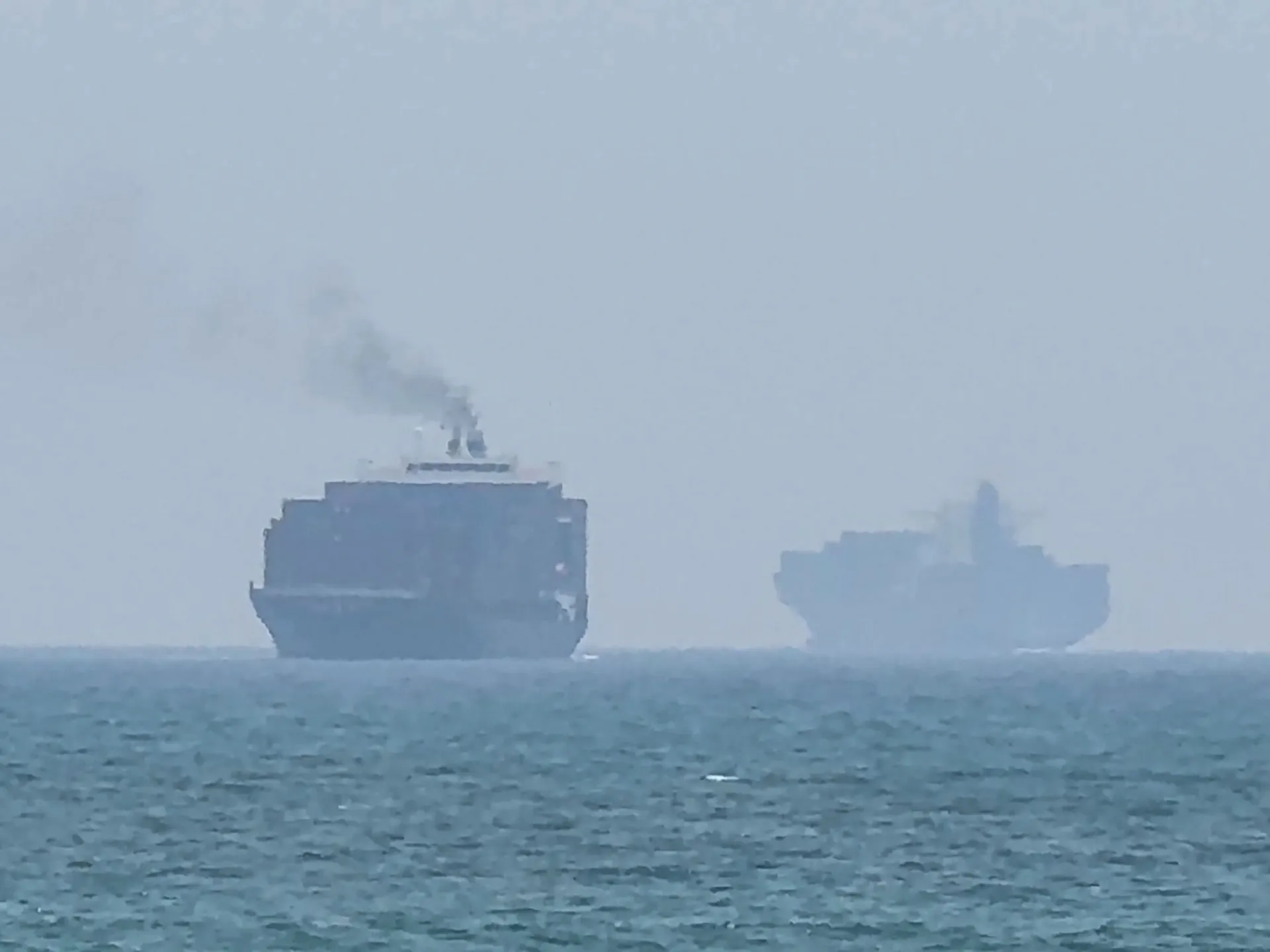
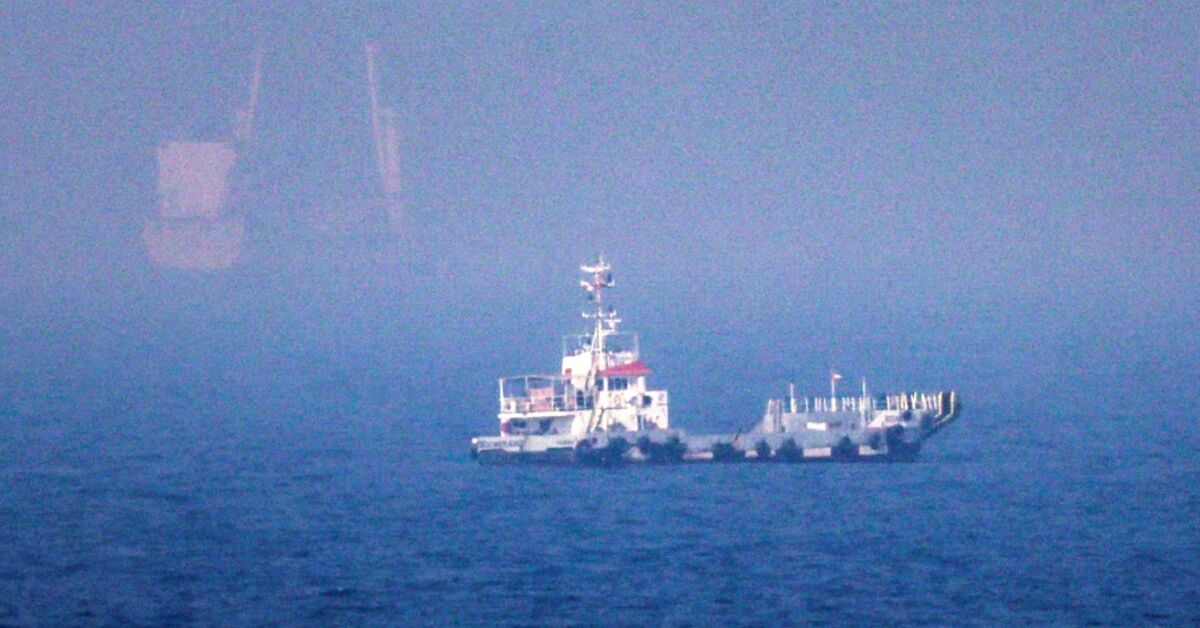
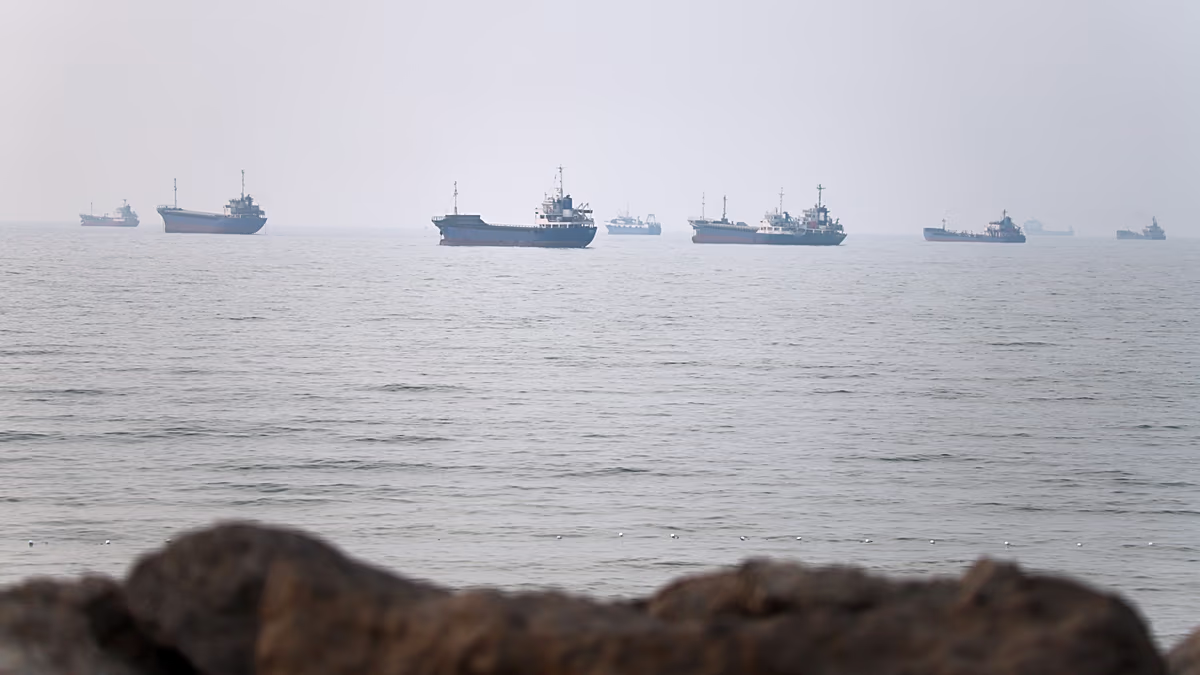
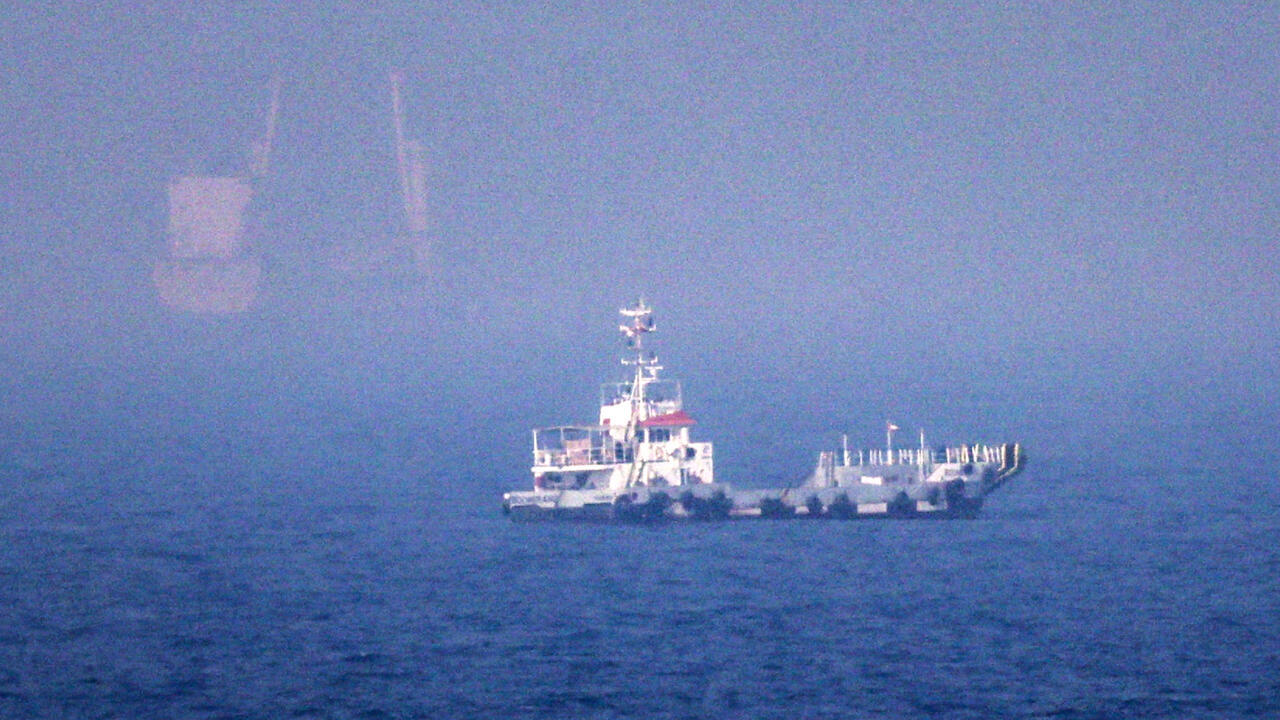
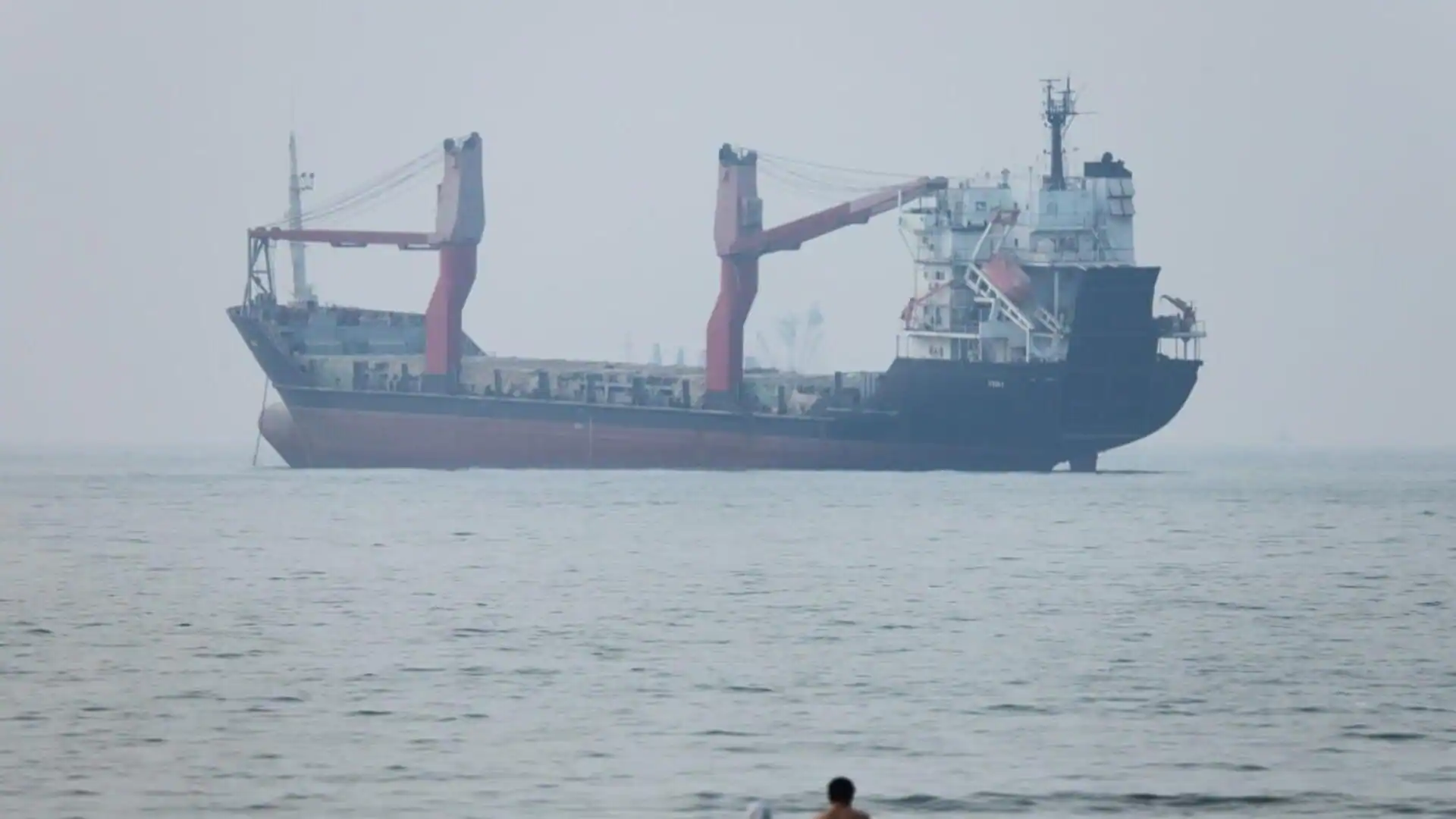
White House press secretary Karoline Leavitt told reporters on Thursday that the strikes were in response to Iran’s attacks on commercial vessels in the Strait of Hormuz, which she said violated the agreement.Iran “was not permitted to fire on commercial vessels traveling through the Strait of Hormuz,” she said, but had chosen to do so, and Trump will not allow that “to continue without consequences for Iran.”Most of the U.S. strikes over this time have primarily taken place along Iran’s coast, where many of the attacks on commercial vessels originated. Iran’s continued ability to carry out these attacks demonstrates that it maintains some capabilities even if earlier U.S. strikes degraded its defense industrial base capacity to rebuild those stockpiles.Iran maintains that it has the right to require ships sailing through the Strait of Hormuz and off its coast to pay what essentially amounts to a toll system and threaten those that do not abide by its rules, but it goes against international maritime law.“It’s clear that escalating military intervention by the U.S. will certainly exert a toll on Iran,” Mona Yacoubian, a Middle East expert with the Center for Strategic and International Studies, told the Washington Examiner, “but it’s not at all clear that that toll will lead Iran to relinquish its control over the strait, and I think that’s why this is actually a dangerous moment because both sides seem to be of the mind that they can use military force to break this impasse over the strait.”A group of people stands in shallow water as a cargo ship appears anchored in the Strait of Hormuz off Bandar Abbas, Iran, on Tuesday, June 30, 2026. (Amirhosein Khorgooi/ISNA via AP)