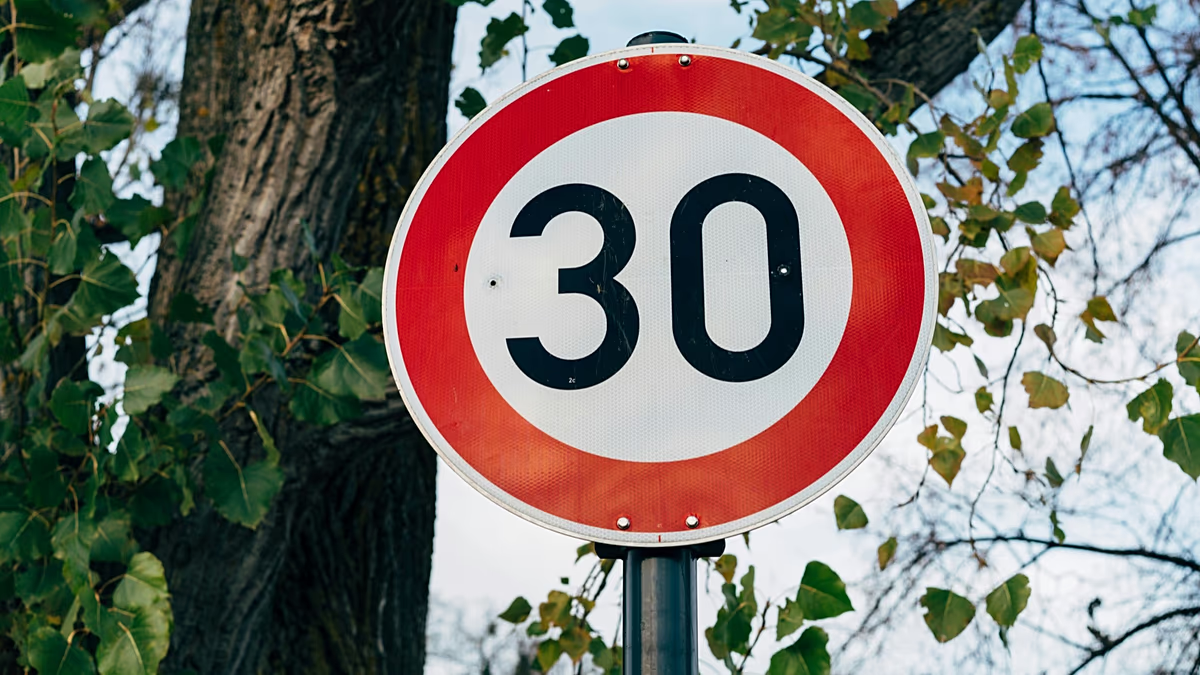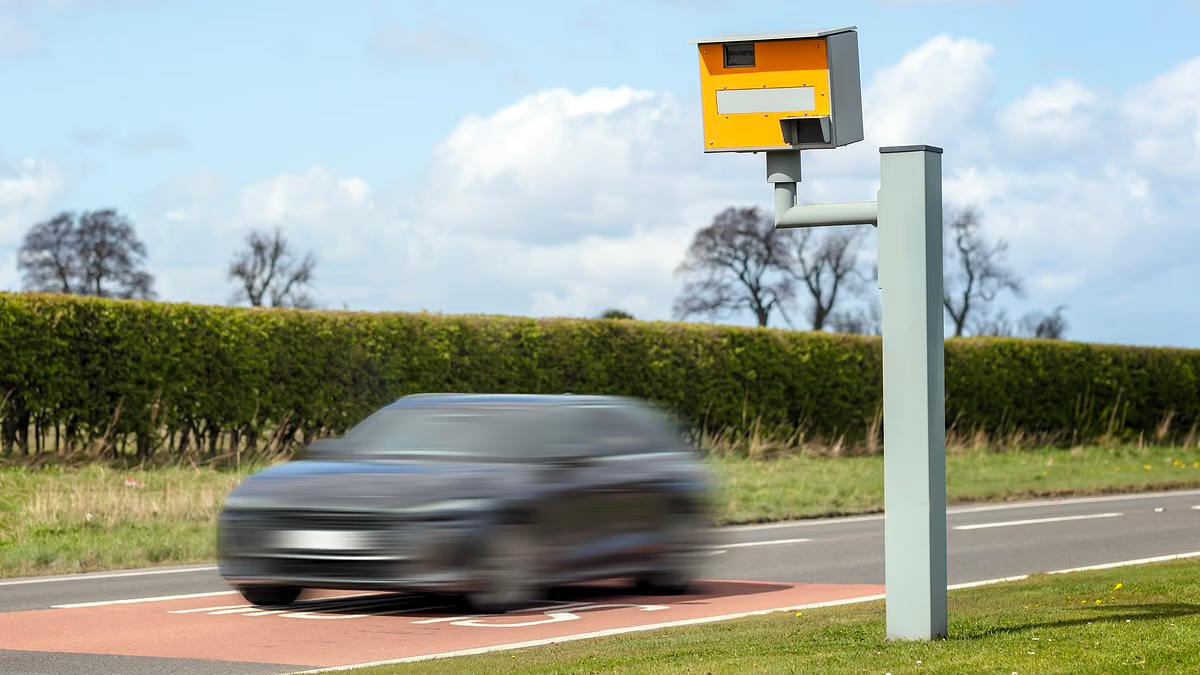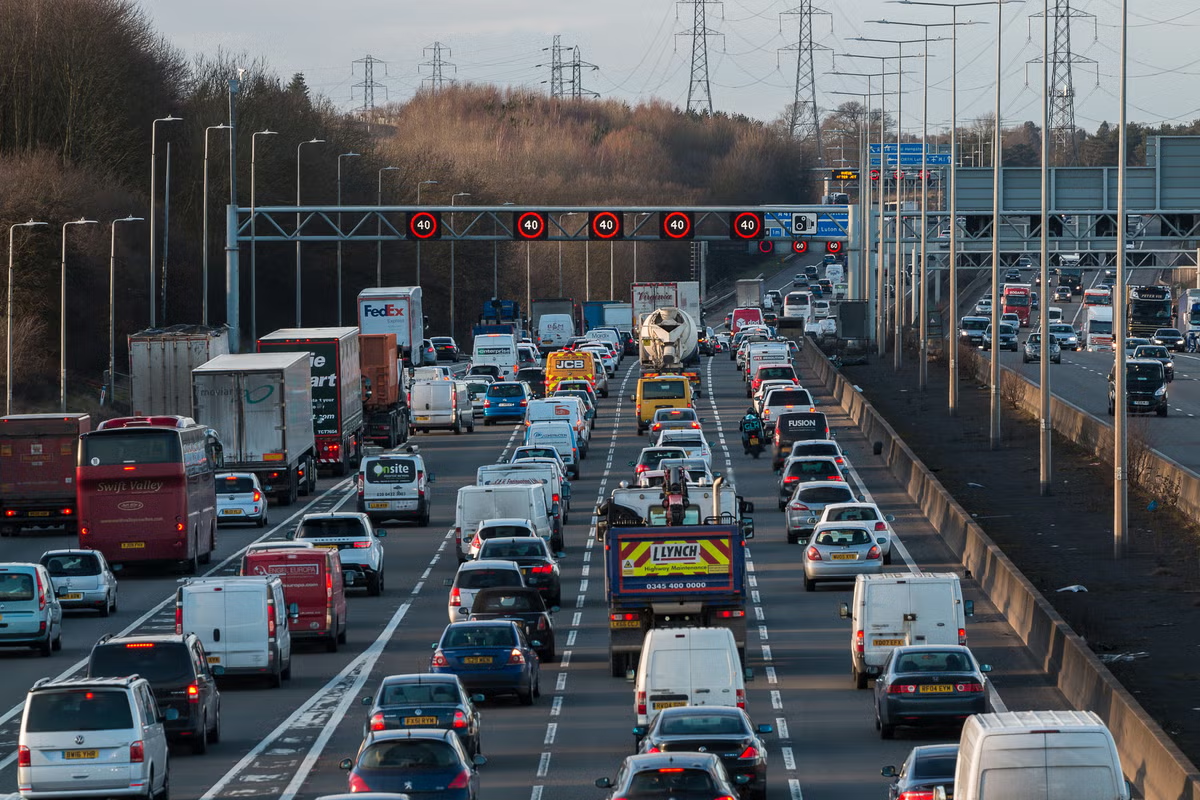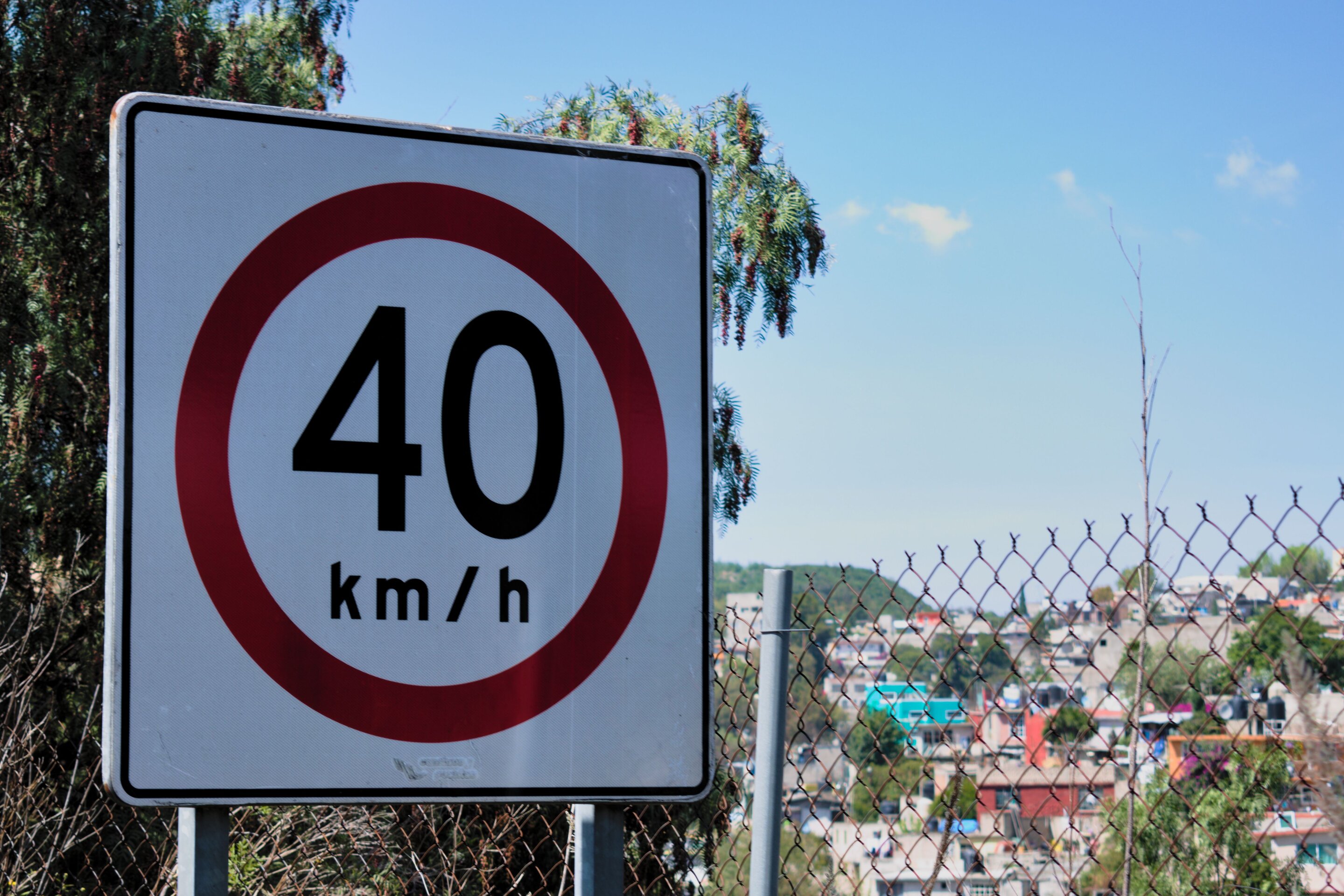
A nationwide study by researchers at the University of Minnesota Twin Cities reveals that adherence to posted speed limits could dramatically curb U.S. fuel consumption and greenhouse gas emissions, saving Americans billions of dollars annually while adding less than a minute to the average daily commute.
The paper was published in Communications Sustainability.
National savings from slower driving
Researchers analyzed more than 120 million real-world vehicle trips across the United States, showing that if drivers complied with posted speed limits, it could save an average of $22 million, 6.7 million gallons (25 million liters) of fuel and 57,000 metric tons (63,000 tons) of carbon dioxide each day for light-duty engine-powered vehicles—which account for 14.6% of total energy consumption in the country.
"We already understand the physics of how speed affects fuel consumption, but quantifying the exact magnitude of those savings at a national scale gives us a clearer picture of the actual impact," said Bharat Jayaprakash, a doctoral student in the Department of Mechanical Engineering at the University of Minnesota and lead author on the paper.