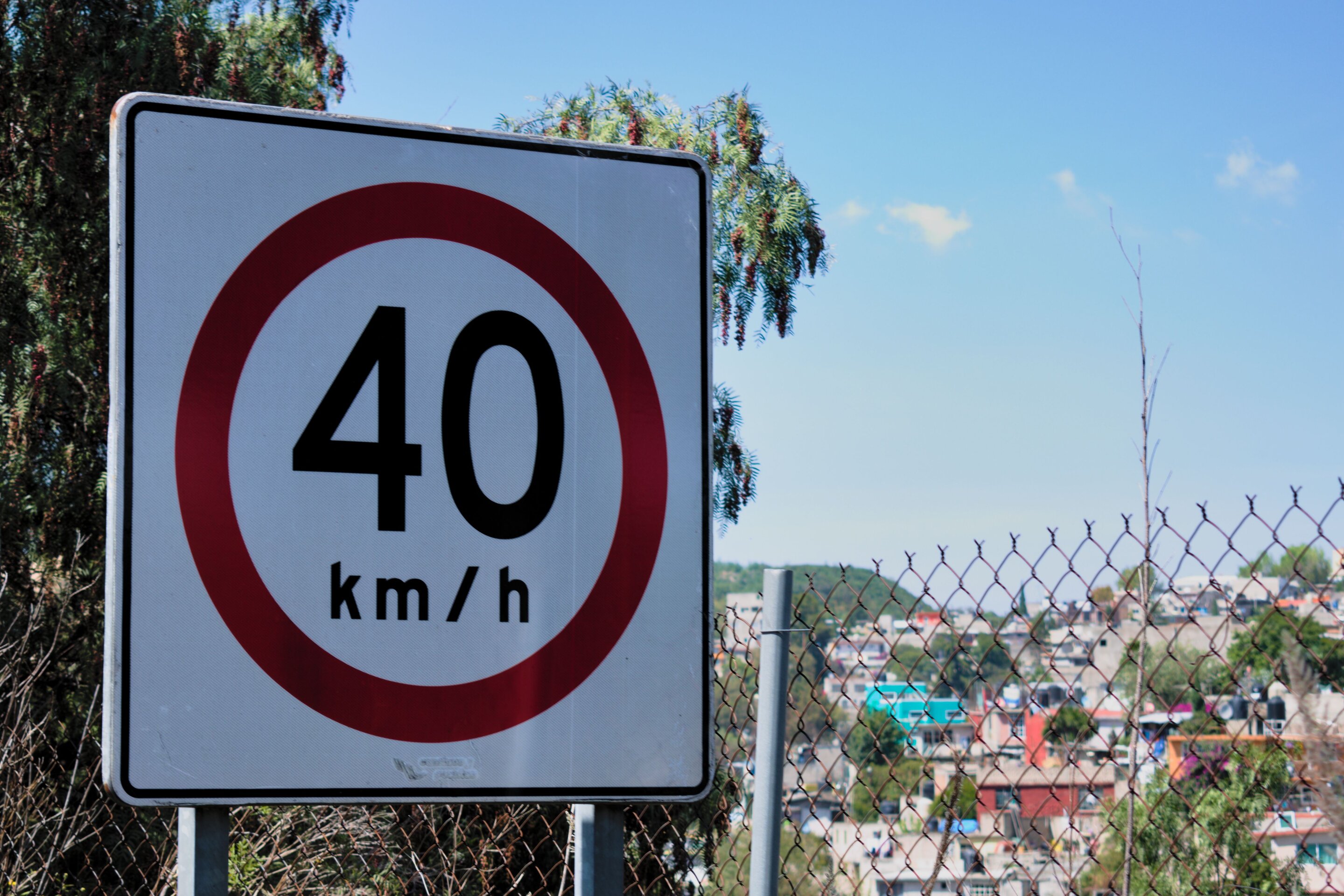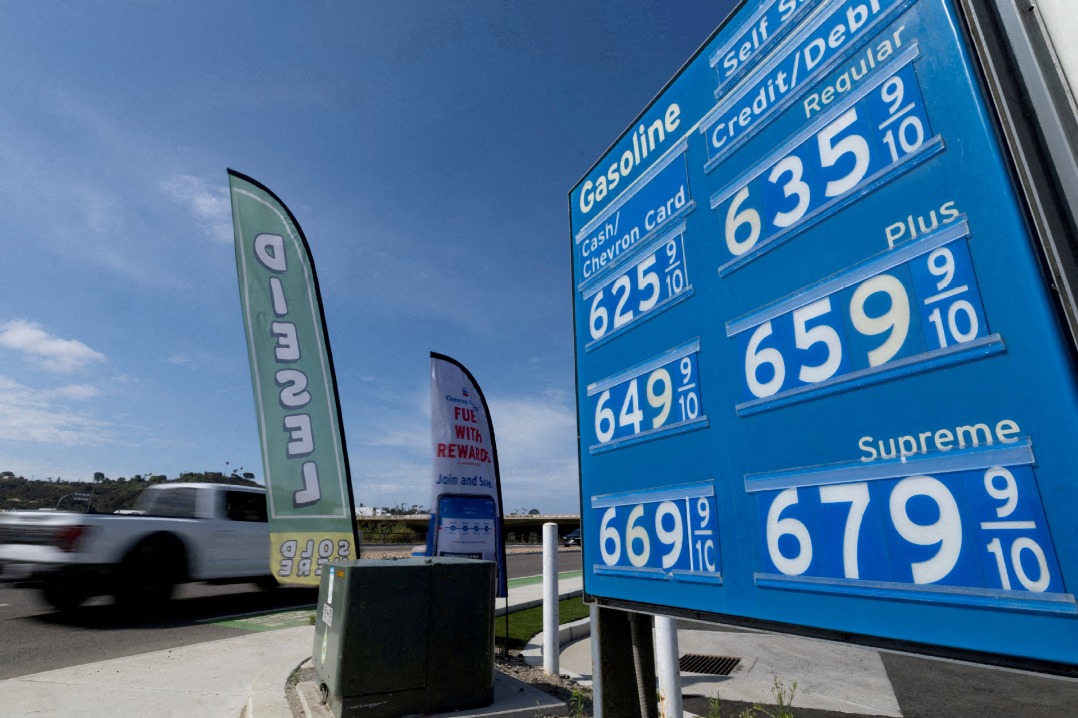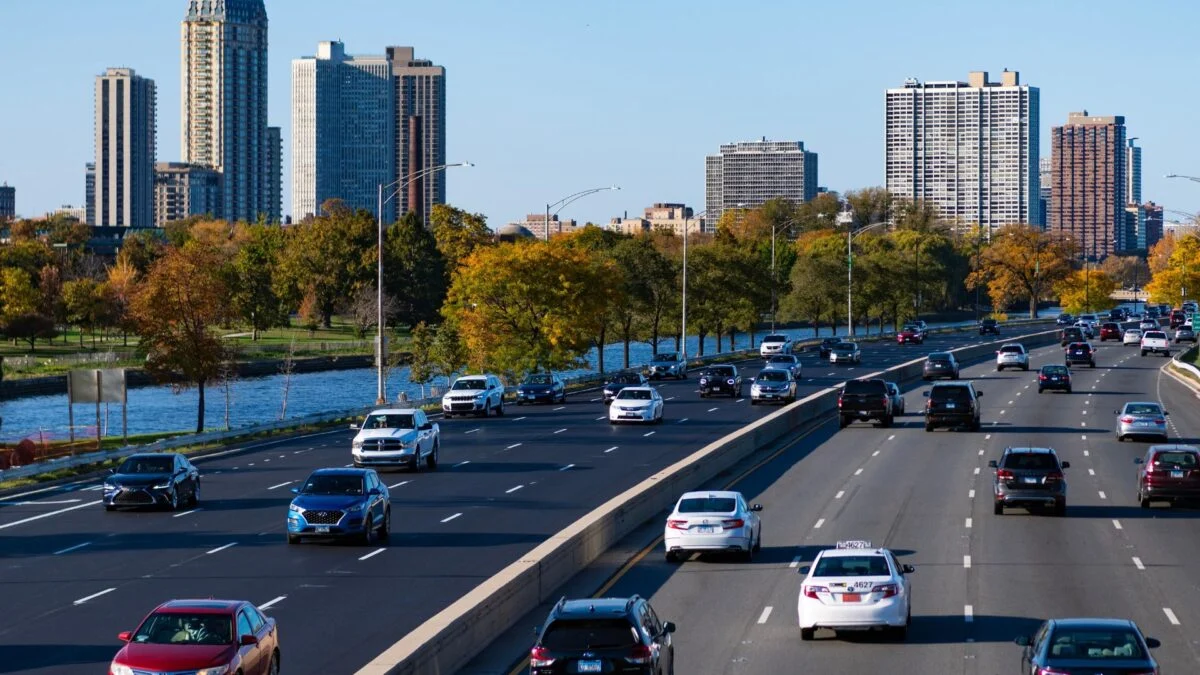
Commuters across the U.S. are feeling the crunch at the gas pump as the war in Iran drives up prices. If only there were a simple way for drivers of gas-powered cars to cut down their fuel costs while also reducing planet-warming carbon emissions. A new study says there is. The findings, published Thursday in the journal Communications Sustainability, show that if U.S. drivers of gas-powered passenger vehicles actually drove the speed limit, it could save an average of 6.7 million gallons of gas, 57,000 tons of carbon dioxide (CO2) emissions, and $22 million per day, based on fuel costs during the study period. That’s equivalent to taking about 5.5 million cars off the road, according to the researchers. While it may feel like speeding shaves a significant amount of time off your commute, the study suggests that driving at or below the speed limit lengthens commute times by just 54 seconds per day, or 6.3 minutes per week, based on the average daily driving distance of 28.6 miles (46.03 kilometers).
“If your goal is to shave one minute off your time, then you’ve got to drive fast. If your objective is to get to your destination safely and to save fuel, then you might drive slower than the speed limit,” co-author William Northrop, a professor of mechanical engineering at the University of Minnesota, told the Associated Press.