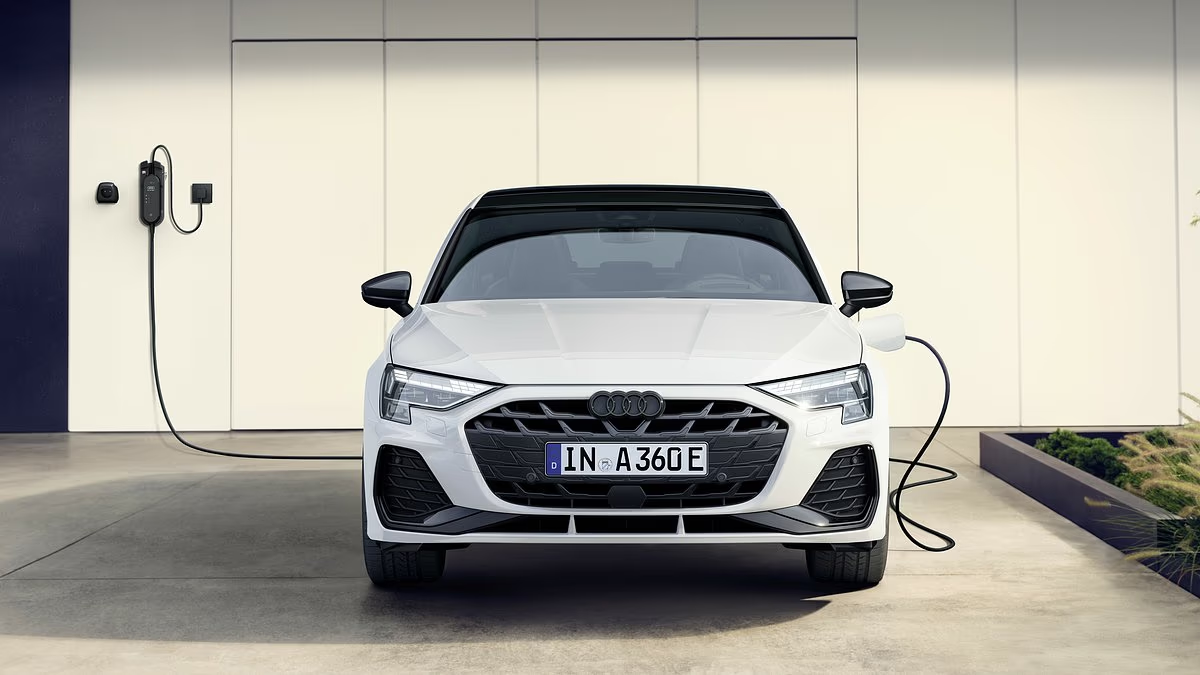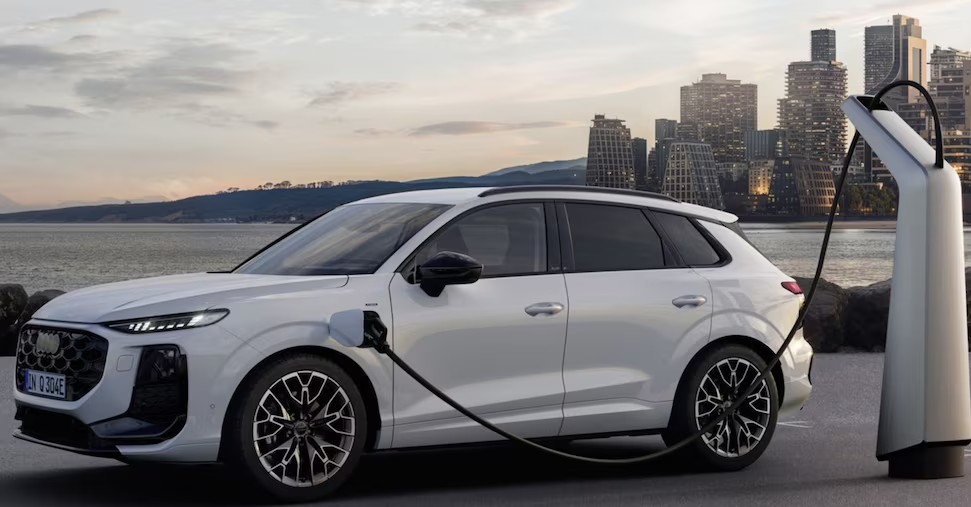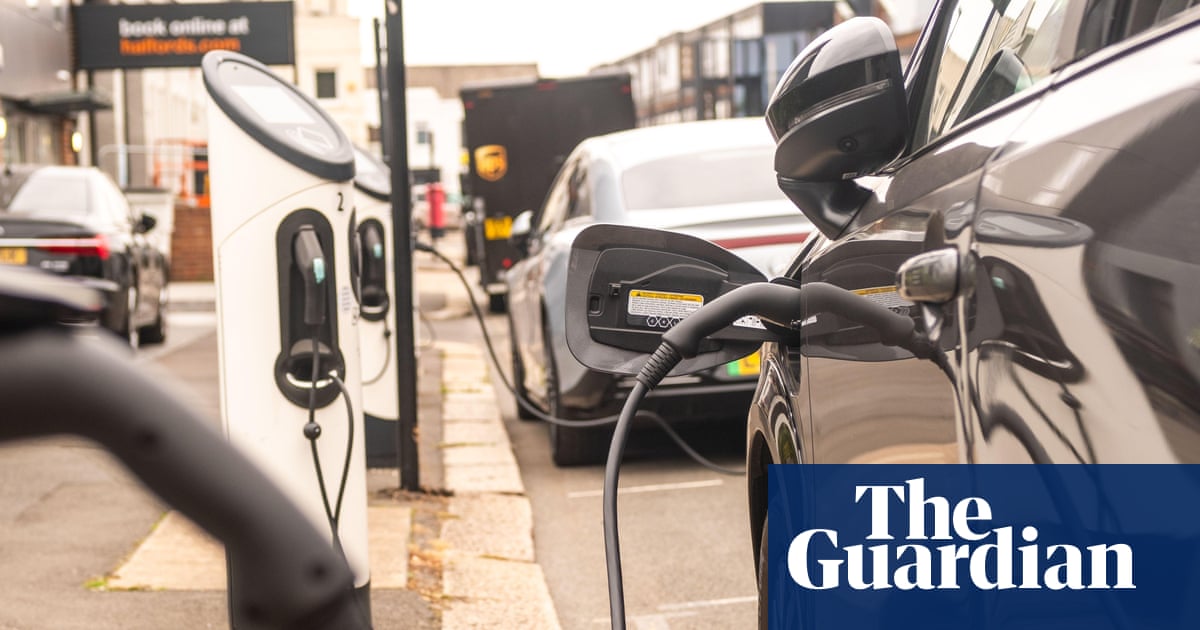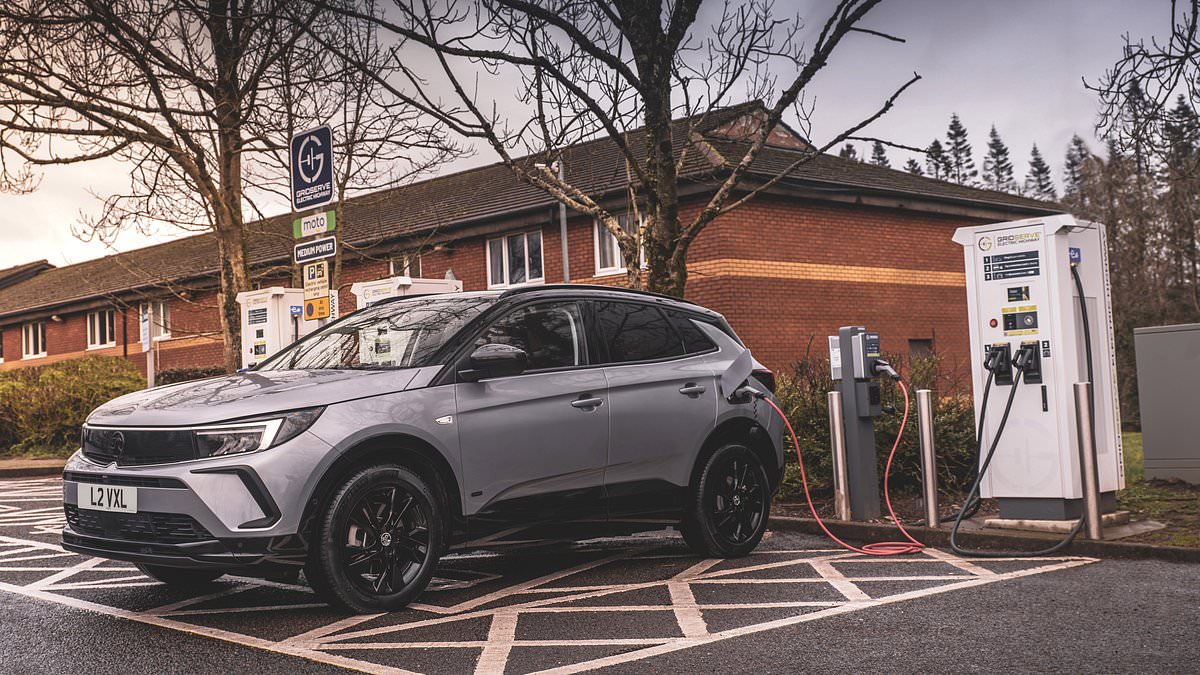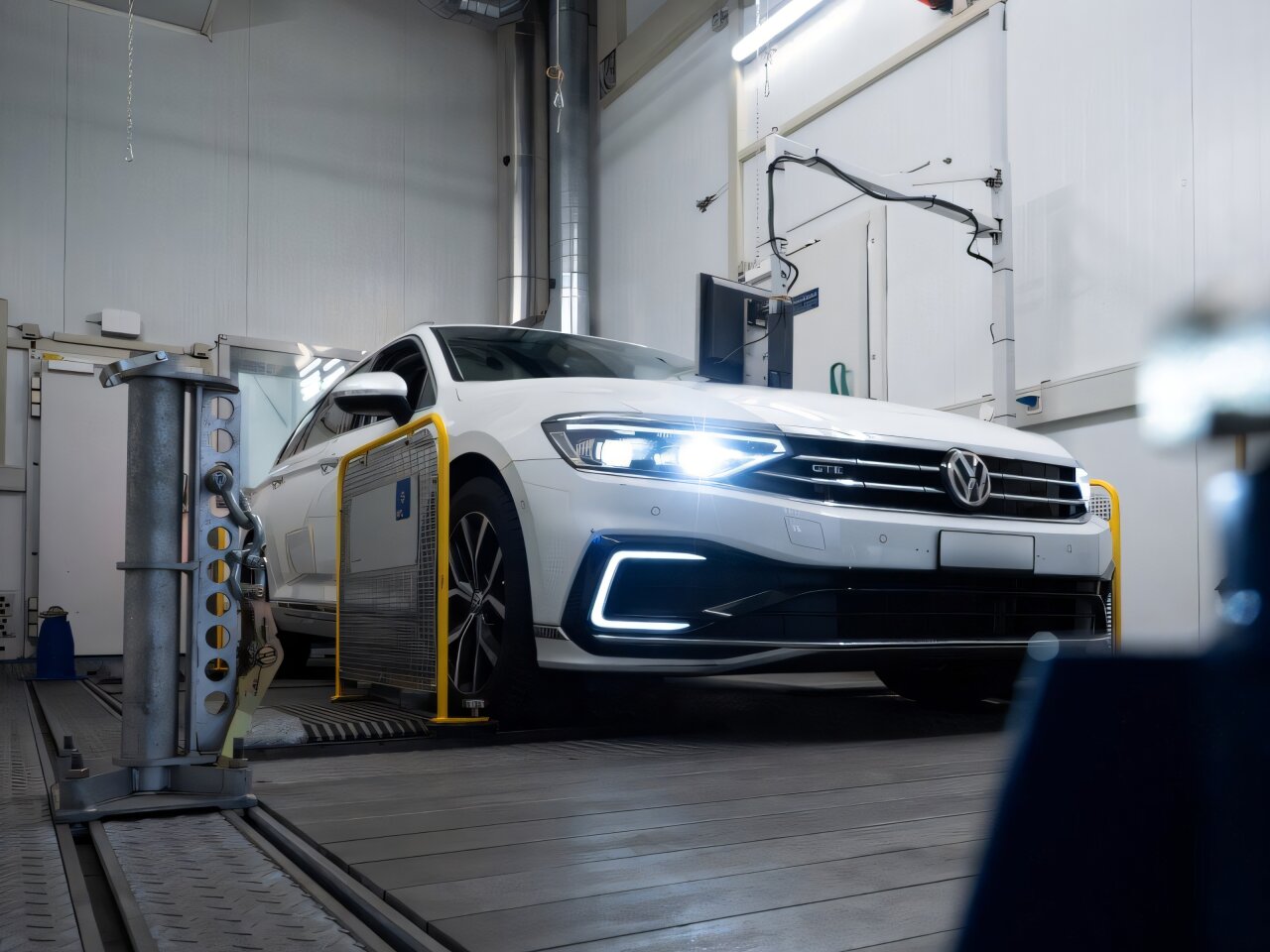
For the study, Empa researchers measured electric range, electricity and fuel consumption, as well as CO₂ and pollutant emissions at various outside temperatures. Credit: Empa
Vehicles with plug-in hybrid drives are intended to facilitate the transition to electric mobility. They can cover shorter distances purely on electric power and offer a combustion engine as a backup for longer trips. According to Empa studies funded by the Swiss Federal Office for the Environment (FOEN), the actual proportion of purely electric driving depends heavily on usage—and, in particular, charging behavior. "If someone owns a plug-in hybrid and does not charge the vehicle regularly, that person is effectively driving a heavier vehicle with a combustion engine. Due to the additional weight of the battery and electric motor, consumption can even be higher than with a comparable conventional gasoline engine," explains study author Miriam Elser.
Vehicle design is also crucial: Vehicle weight, drive design and battery size influence how efficiently a plug-in hybrid performs on the road.
Poor conditions significantly lower the advantage
Until now, findings on the actual fuel consumption of plug-in hybrids have been based primarily on everyday data collected in vehicles. These data come from the so-called On-Board Fuel Consumption Monitoring (OBFCM), which has been mandatory for vehicles on the European market for several years. The OBFCM data show that actual fuel consumption is significantly higher than the official type-approval values. "From such everyday data collected directly in vehicles, we know that consumption is higher, but we don't know why," explains Elser. Information on ambient temperature, heating operation or driving style is usually missing and is not covered by standardized type approvals.