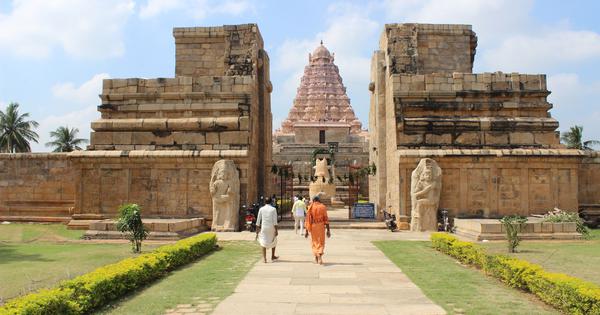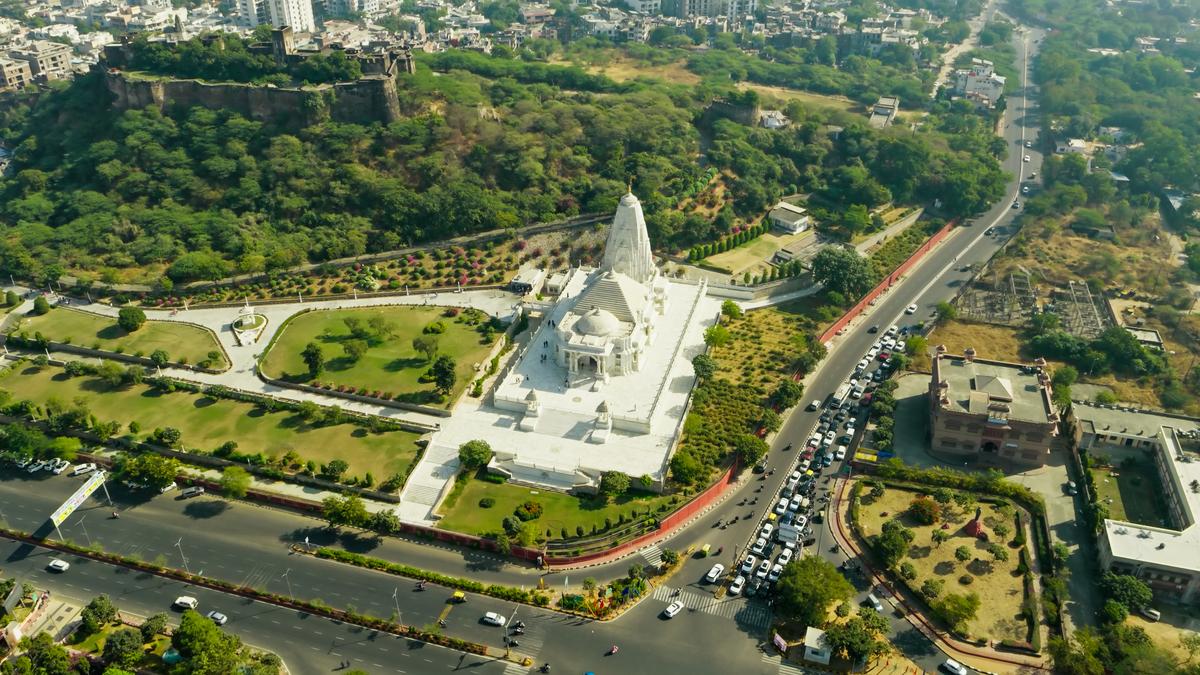
The first thing you notice about these temples is what surrounds them. Victorian lawns, symmetrical fountains that recall Mughal pleasure gardens, a lotus pond shaped like the flower but with no blooms in it. There are no fruit-bearing trees that can attract monkeys, birds and insects; no flowering trees that can attract snakes. At the centre, beneath a cluster of white marble or pink sandstone peaks, stands the temple, with fluttering flags. In the 20th century, they rose not just in India, but also in London, in Dubai, in American cities. They make very specific statements about aspirational Hindus.Marble has never been a traditional material in Hindu sacred architecture. In Tamil Nadu, the great storied temples were built in granite. In Odisha, the material was khondalite. In Karnataka, soapstone. Across North India, red and yellow sandstone. Marble was, in fact, long associated with animal bones and was deliberately shunned by traditional artisans.White of pietyIt is the Shvetambara Jain community of merchants who first built temples of marble, on Mount Abu and Girnar in Gujarat, from the 10th century onwards, during the reign of the Solanki kings. As followers of white-robed teachers, building temples of white marble seemed fairly logical. Marble images within were bedecked with inlay, gold and gems.
Column by Devdutt Pattanaik | The rise of marble temples
Explore the evolution of marble temples in Hinduism, reflecting culture, politics, and community aspirations through architecture.
856 words~4 min read