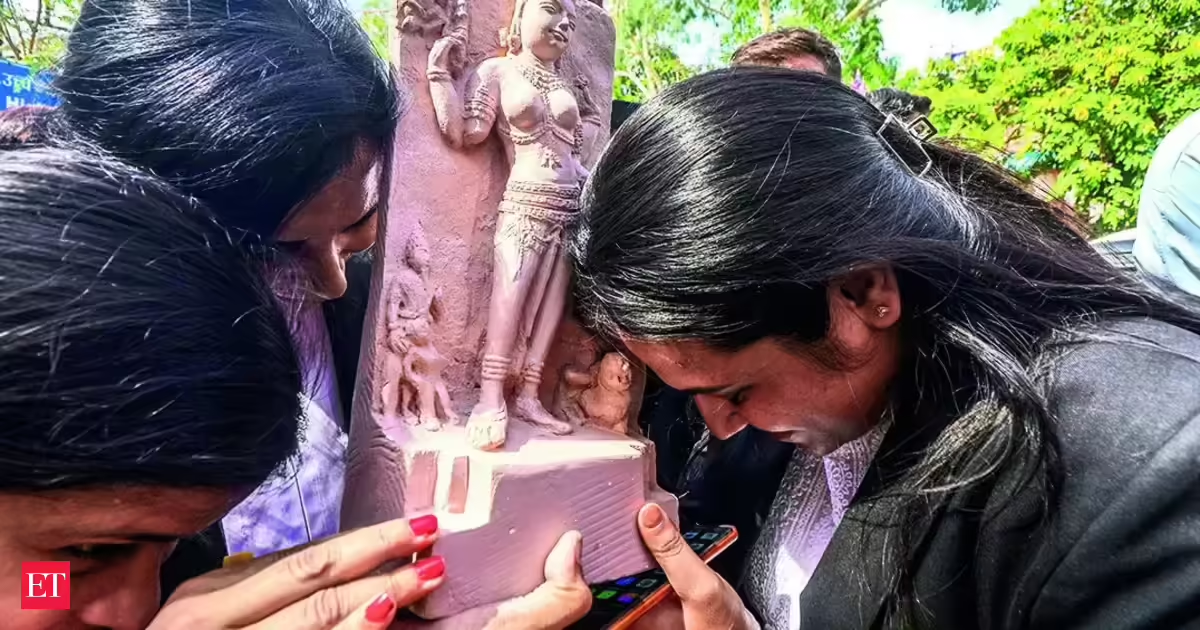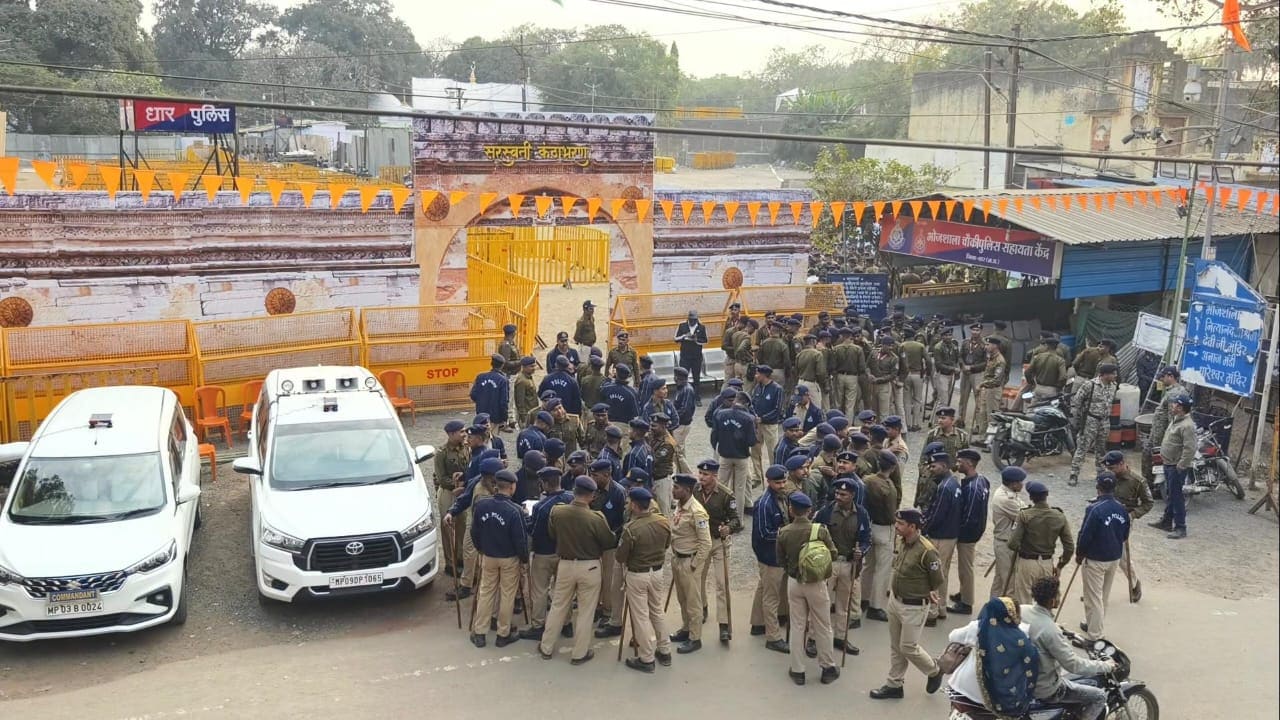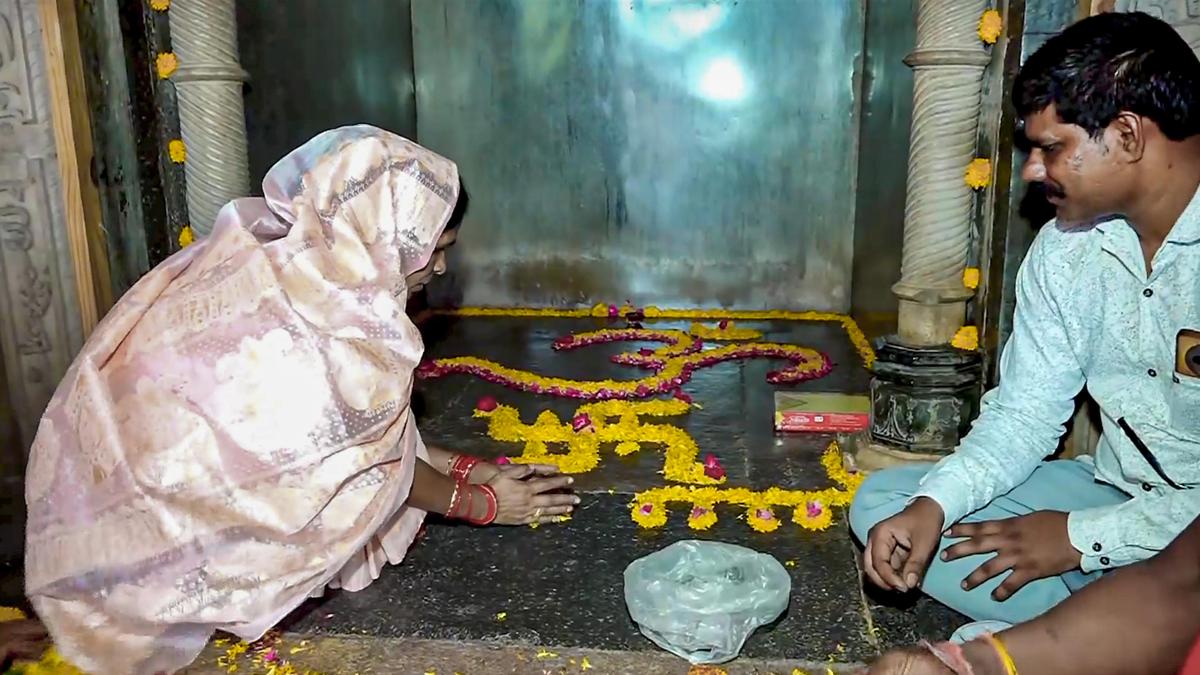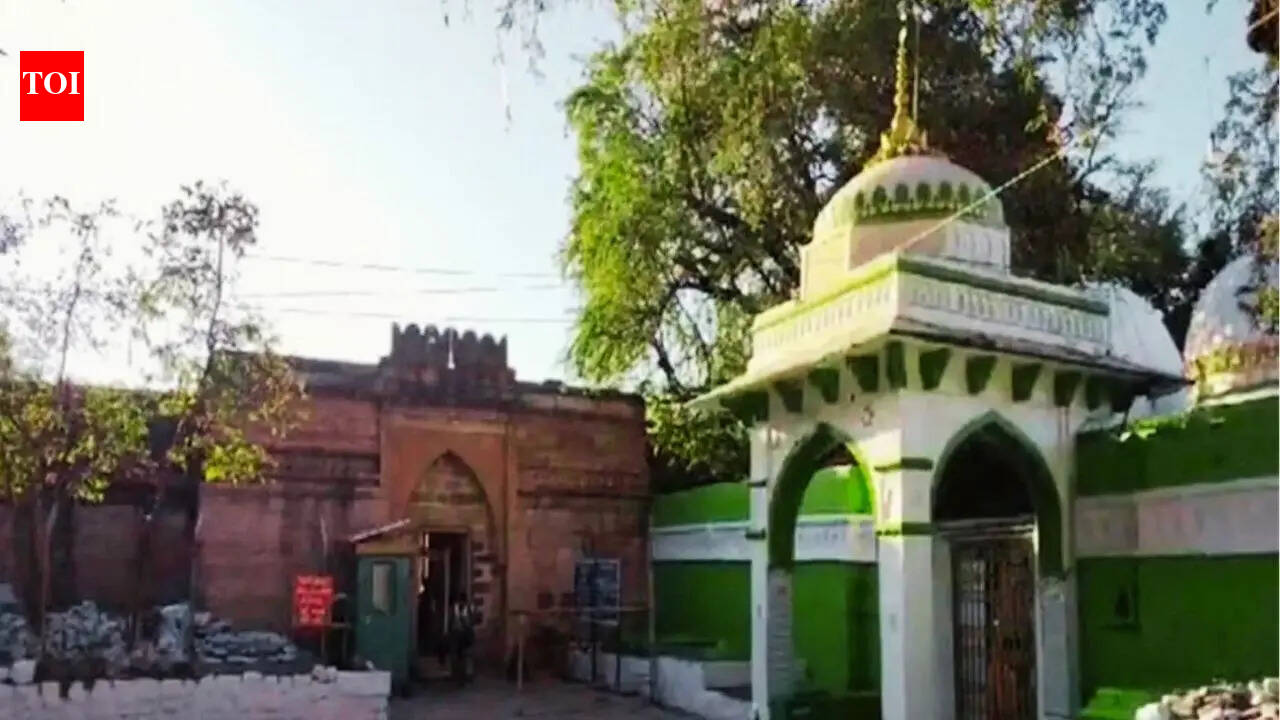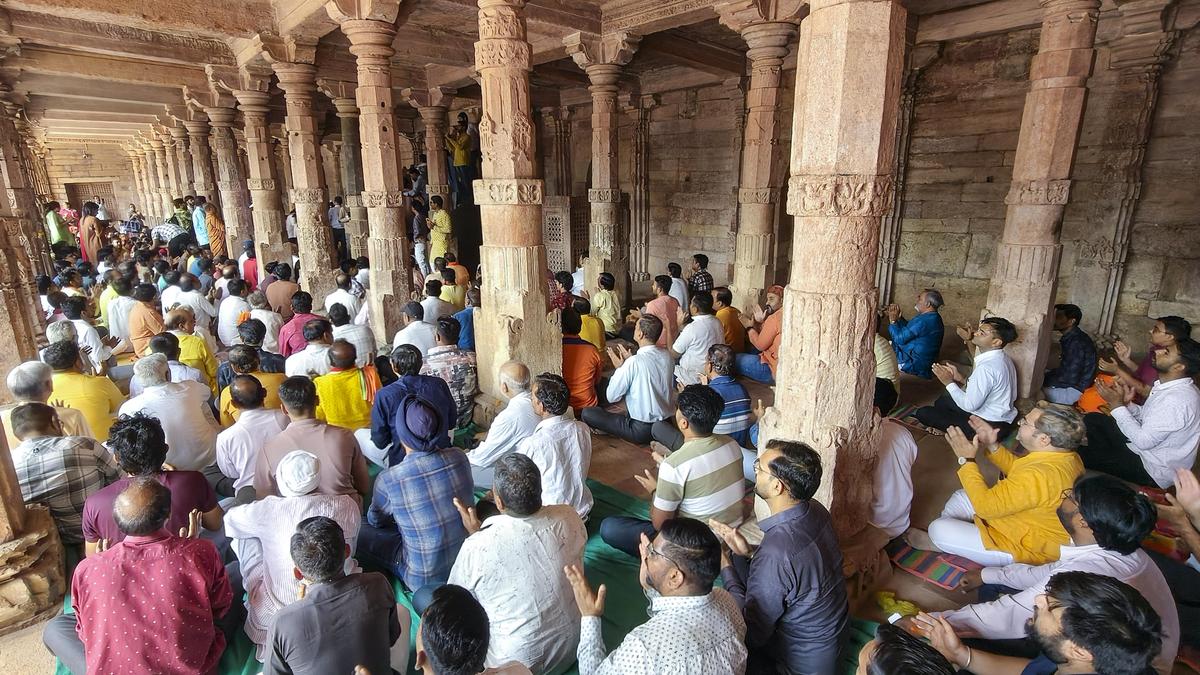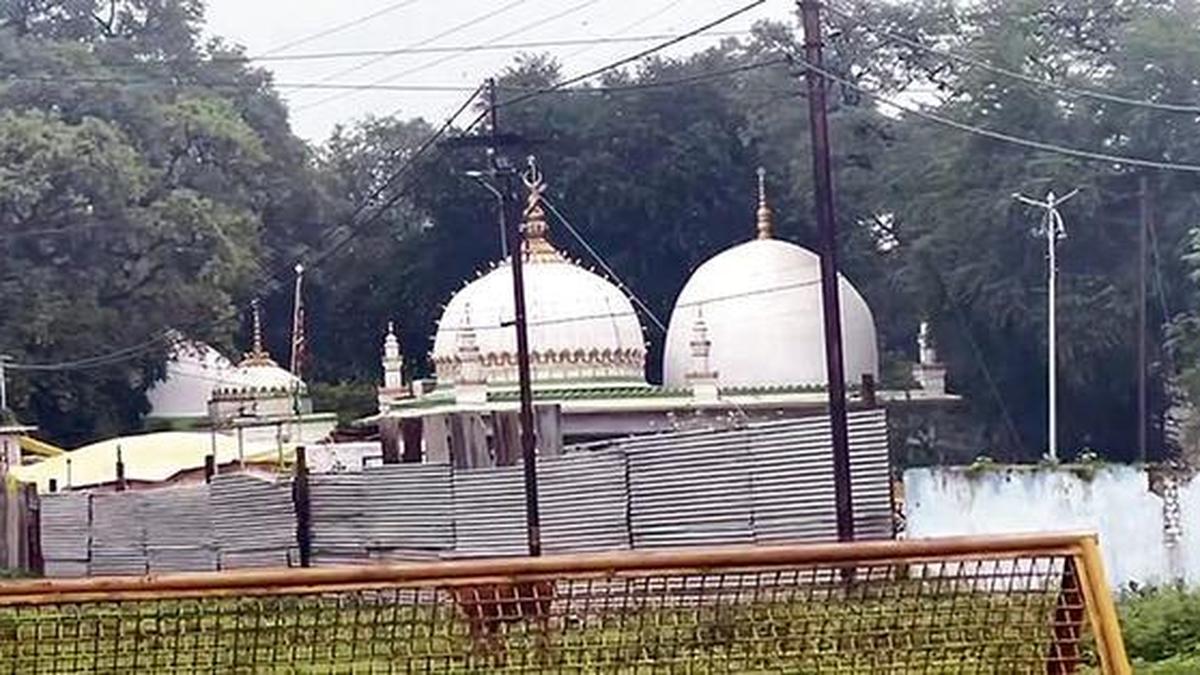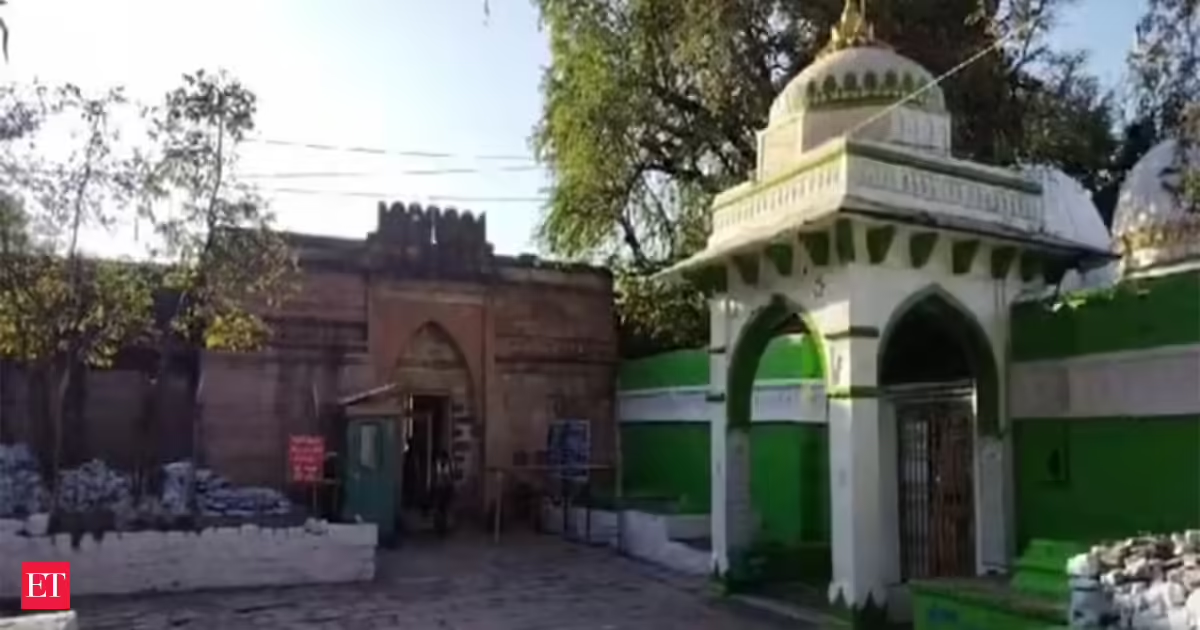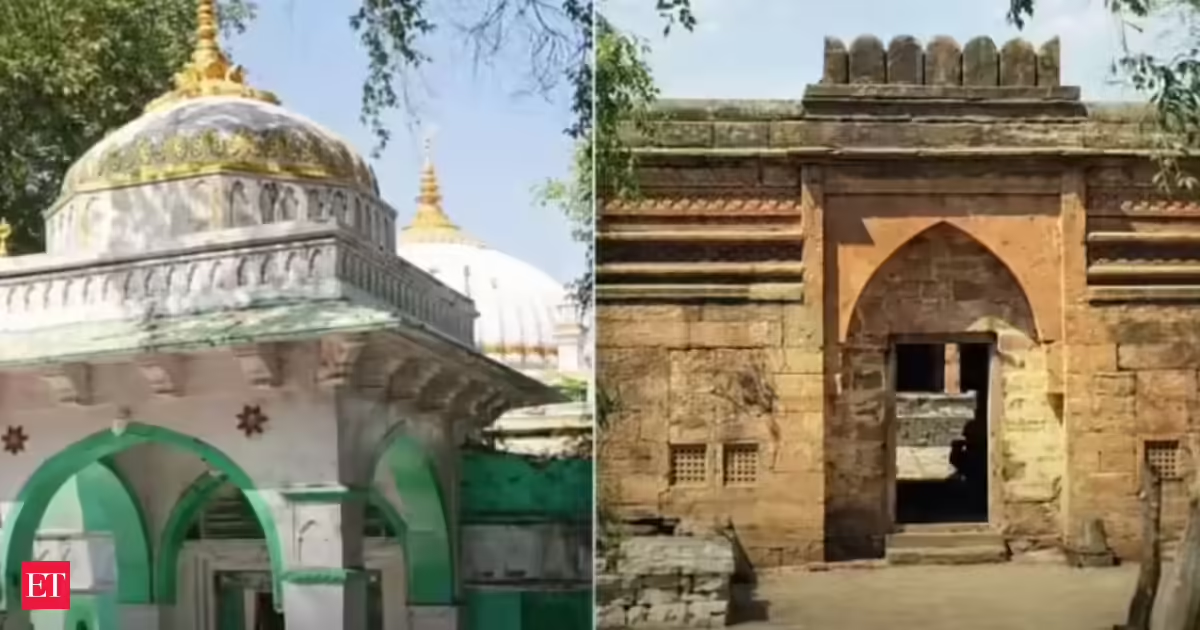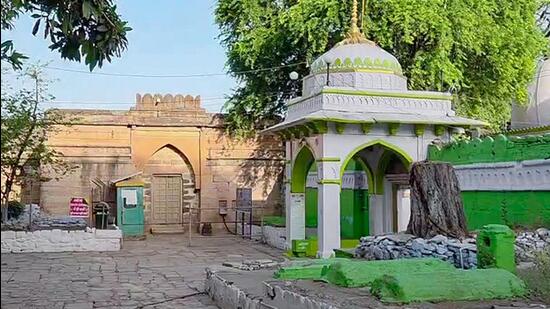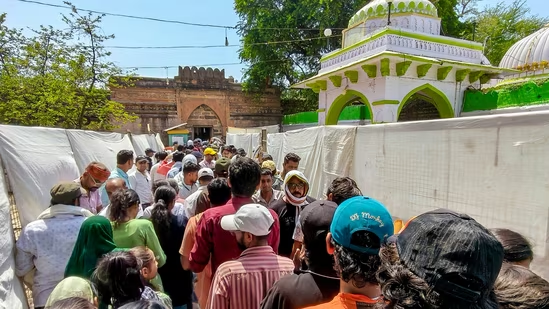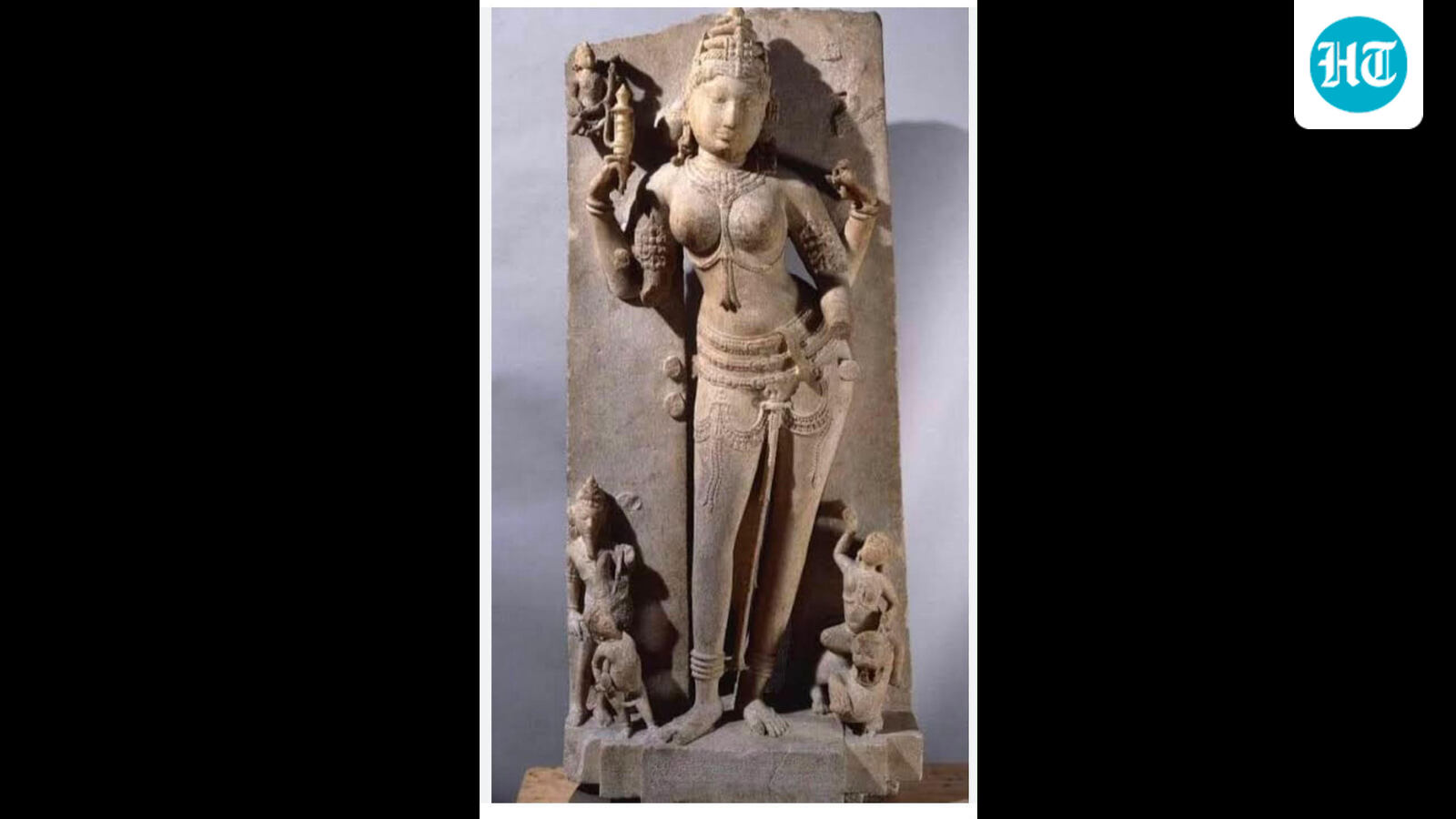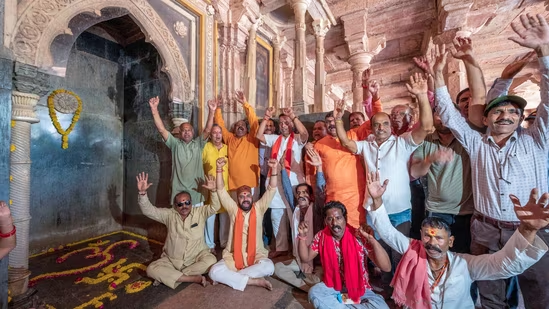
HC concludes "idol which was recovered in excavation and is claimed to be in British Museum in London is of Goddess Saraswati”. Other names exist too. When the Madhya Pradesh High Court at Indore declared the Bhojshala complex in Dhar "a temple of Goddess Vagdevi (Saraswati)", at the centre of this declaration was an idol. But where that idol is, what it depicts, and how it can be put back at the complex, are questions that remain.People offer prayers after the Madhya Pradesh High Court verdict declare the Bhojshala complex a Hindu temple dedicated to Goddess Vagdevi (Saraswati), in Dhar. (PTI Photo)Idol in the British MuseumAccording to the 242-page judgment, the Hindu petitioners said that in 1875, during British rule, Major General William Kincaid, a political agent of the colonial government, excavated the complex — known for years as the Bhojshala-Kamal Maula Mosque complex — and that an idol of Goddess Vagdevi was found.The petitioners' evidence noted that the idol was subsequently kept in a museum in England. The dates of its transit to London — reaching the museum in 1886 and formally entering its collection in 1909 — are also part of the museum's records.The British Museum's description of the sculpture reads: “Standing figure of the Jaina yakṣiṇī Ambikā carved in a coarse white marble.” The museum classifies it as a Jain idol. It is around four feet tall and weighs about 250 kg.“The goddess, originally four-armed, is carved in high relief against the plain ground of the slab; the base has been given offsets and is inscribed. The goddess wears a tiered crown of the beehive (karaṇḍa) type with her long hair tied into a small bun on one side. Two arms of the goddess have been broken away; in the remaining arms, she holds an elephant goad (aṅkuśa) and what seems to be the bottom of a noose or the stalk of a plant,” reads the the museum note.What the idol is called, and by whomThe sculpture has been called by different names by different people. The judgment records that OC Gangoly, a celebrated art historian, and KN Dikshit, a former director general of the Archaeological Survey of India, had published a joint study announcing it was “Raja Bhoja's Sarasvatī from Dhār”.A member of a Hindu organisation carries an idol of a deity identified as Goddess Saraswati (Vagdevi, or Ambika as per the British Museum catalogue) after the MP HC declared that the disputed Bhojshala complex in Dhar is a temple dedicated to Goddess Saraswati. (PTI Photo)That identification was contested from the 1980s. One of the petitioners also cited a study of the inscription by HC Bhayani, a well-known Sanskrit and Prakrit scholar, published in 1981, who concluded the sculpture was of Ambika, a Jain goddess. Michael Willis, curator at the British Museum, presented the same reading at the 13th Jaina Studies Workshop at SOAS in London on March 18, 2011, as cited by petitioners. The British Museum's current official classification follows Willis's reading.Hindu devotees and the petitioners in this case have consistently called it Vagdevi or Saraswati. The court itself uses the word “Amba” — as it appears in the inscription on the actual idol — and holds that Amba or Ambika and Vagdevi are both forms of Saraswati.Inscription at the base of the idolAt the base of the sculpture is a Sanskrit inscription dated Vikrama year 1091 (1034-35). The judgment reproduces it in full, and the translation reads: “Vararuci, King Bhoja's religious superintendent of the Candranagari and Vidyadhari branches of the Jain religion... having first fashioned Vagdevi the mother [and] afterwards a triad of Jinas, made this beautiful image of Amba, ever abundant in fruit. Blessings! It was executed by Manathala, son of the sutradhara Sahira. It was written by Sivadeva the proficient. Year 1091.”People visit the Bhojshala complex following the Madhya Pradesh HC verdict declaring the site a Hindu temple, in Dhar on Saturday, May 16, 2026. (PTI Photo)The inscription thus records two sculptures being made — first, a Vagdevi, then the Amba. The judgment reproduces analysis that notes that while the Amba sculpture is in London, the Vagdevi mentioned in the inscription “no longer exists or is yet to be located”.The court, however, in its own findings held both Vagdevi and Amba “represent the divinity of Saraswati”.What the court heldExamining the photograph of the British Museum sculpture, the court identified it as "the idol of Vagdevi" and held that Vararuci “had made two pratima, one of 'Vagdevi' and another of 'Amba'. Both forms represent the divinity of 'Saraswati'.” The court's position is that Vagdevi and Amba are not two different goddesses but two names for the same divine concept, Saraswati.On the presence of Jain iconography around the sculpture, the court ruled: "In India, Jainism and Hinduism are not distinct entities. Although, the rituals of worship in these two religions may differ, both faiths have evolved side by side since ancient times, worshipping the same supreme being. Consequently, idols belonging to both Jain and Hindu traditions are frequently found within each other's temples."The judgment says presence of a Jain Tirthankara in the background of such idols is “entirely natural, given that Jainism is, in fact, a branch of Hinduism”.Near its concluding paragraphs, the judgment further says, “…it can easily be held that the idol which was recovered in excavation and is claimed to be in British Museum in London is of goddess Saraswati”. Its final declaration names the complex a temple of “Goddess Vagdevi (Saraswati)”.The retrieval questionThe court reached its conclusion by applying principles drawn from the Ayodhya verdict of 2019, and evidence including the ASI's 2,100-page report following a 98-day survey ordered by the court in 2024.“We have noted the continuity of Hindu worship at the site through regulated over time has never been extinguished... the literature and architectural reference including those connected with the period of Raja Bhoj indicate the existence of temple dedicated to the goddess Saraswati at Dhar,” the judgment says.The court did not order retrieval of the idol but said the Government of India may consider representations for that. "The Archaeological Survey of India (ASI) shall have full supervisory control over the preservation and conservation. Further relief claim by the petitioner to bring the idol of goddess Saraswati from the London Museum to establish same within Bhojshala complex, the petitioners have made number of representation before the Government, which may consider the representations to bring back the idol," the bench said.The British Museum in London houses heritage from around the world, most of it taken there during the era of colonial rule. (Reuters File Photo)As for the 2003 ASI order that allowed both Hindus and Muslims to pray at the site, the court has categorically held it's a Hindu temple thus quashed that order's permissions for Muslims.The Jain community's claim that the site was a Jain temple was dismissed for want of historical, architectural, or ASI survey evidence, as per the judgment.The government has over the years said it has sought the intervention of UNESCO for restitution of the pratima to Dhar. In 2022, when Rishi Sunak became Britain's first Indian-origin Prime Minister, the then Madhya Pradesh CM Shivraj Singh Chouhan, who is now a Union minsiter in PM Narendra Modi's government, said the state government would resume efforts to bring back the idol.For now, the petitioners used a replica at Bhojshala. Petitioner Kuldeep Tiwari said after the verdict: "The idol of Goddess Vagdevi (Saraswati) can be found in the homes of all devotees of the Goddess. The idol we have now is a replica of the original idol kept in the British Museum."The original — called Ambika by the British Museum, Vagdevi by the petitioners, and a form of Saraswati by the court — remains in London.What next for the complex?The Bhojshala remains a protected monument with Hindus having the right to pray. But there is already talk, and demands from the state and Centre's ruling BJP leaders, to build a temple here like the Ram Mandir built in Ayodhya, UP, after the Supreme Court settled the Ram Janmabhoomi-Babri Masjid dispute.Video below: Devotees brought in a replica of the idol and prayed at the site over the weekend.The mausoleum of Sufi saint Kamaluddin, built in 1457 by Mahmud I, was part of the name of the complex for long. But the Imperial Gazetteer of India (1908), quoted by the HC, described applying the ‘Kamal Maula Mosque’ name to the main Bhojshala as “a misnomer”. The mausoleum sits on a separate survey-number land pocket; and the Bhojshala structure on another. The court's ruling covers the Bhojshala land parcel.Aarish Chhabra is an Associate Editor with the Hindustan Times online team, writing news reports and explanatory articles, besides overseeing coverage for the website. His career spans nearly two decades across India's most respected newsrooms in print, digital, and broadcast. He has reported, written, and edited across formats — from breaking news and live election coverage, to analytical long-reads and cultural commentary — building a body of work that reflects both editorial rigour and a deep curiosity about the society he writes for.
Goddess Vagdevi, Ambika, Saraswati: Where's the idol at nub of the 'Bhojshala is a temple' verdict by Madhya Pradesh HC?
HC concludes "idol which was recovered in excavation and is claimed to be in British Museum in London is of Goddess Saraswati”. Other names exist too. | India News
1,773 words~8 min read