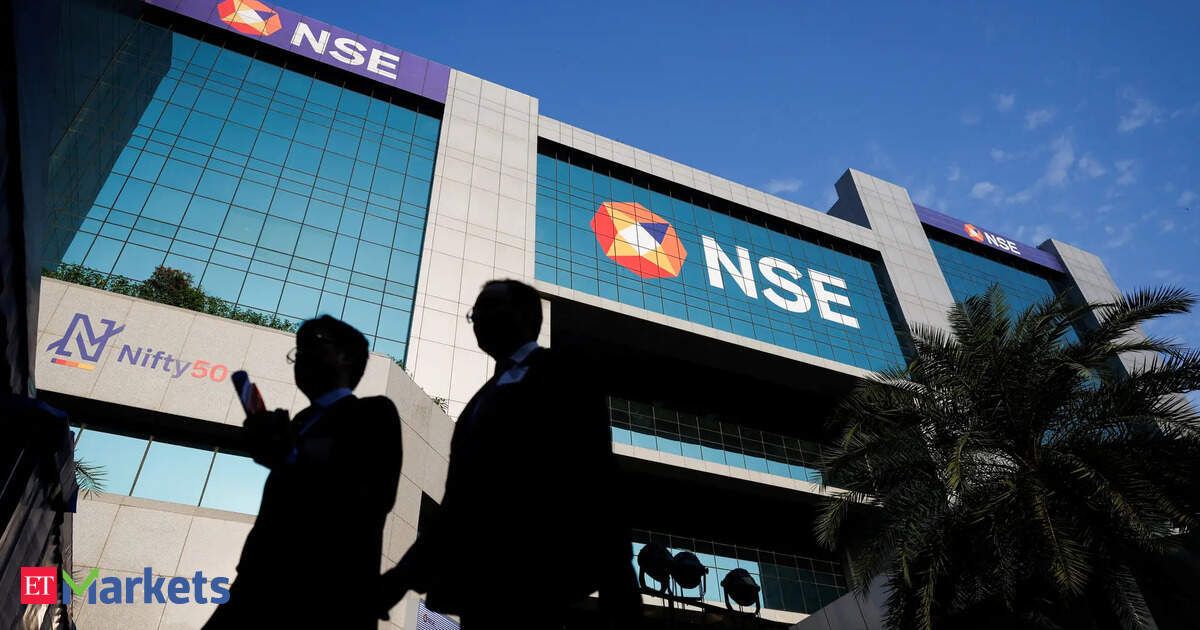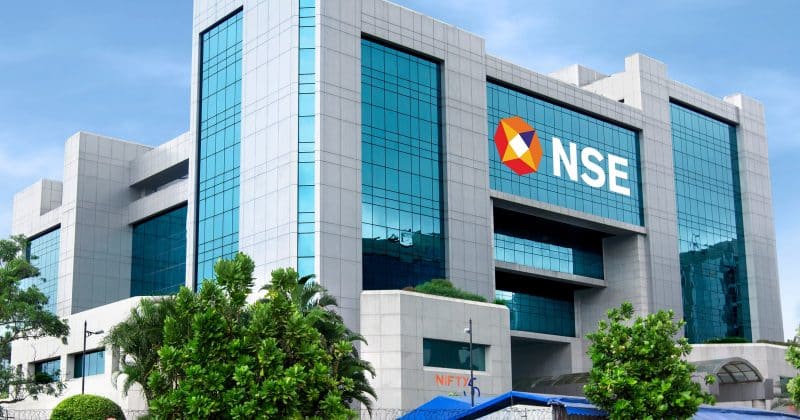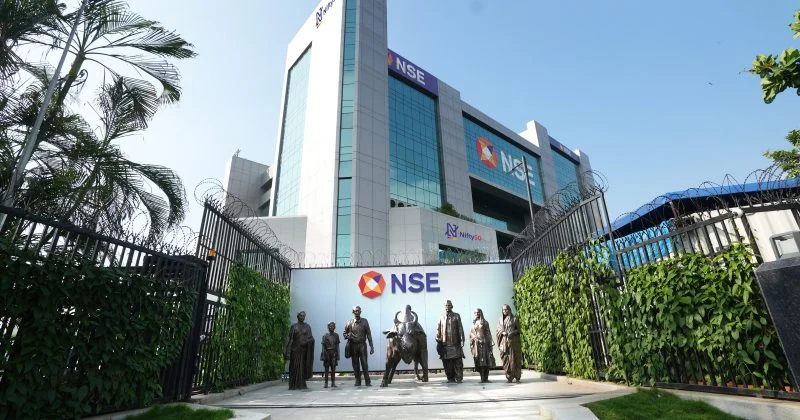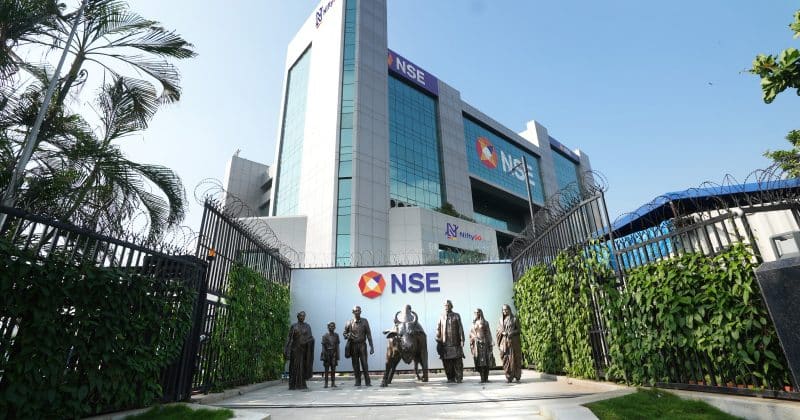
Getting a sell rating before your stock even hits the public market is a bit like getting a one-star Yelp review before your restaurant opens. It’s not ideal. Yet that’s exactly what happened to the National Stock Exchange of India, which just received a bearish call from Dolat Capital Market Pvt. while preparing for what would be India’s largest-ever initial public offering.
The brokerage initiated a “sell” recommendation on July 17, 2026, targeting NSE’s unlisted shares that have been trading privately in the range of 1,900 to 2,400 rupees. The core concern: potential regulatory changes from SEBI, India’s securities regulator, that could take a sledgehammer to the derivatives trading volumes that underpin NSE’s business model.
The IPO that could reshape Indian capital markets
NSE filed its Draft Red Herring Prospectus with SEBI on June 17, 2026, laying out plans for a pure offer-for-sale of approximately 1.489 billion equity shares. The exchange is targeting a raise between $3 billion and $3.3 billion, which would value the company at close to $57 billion.
To put that in perspective, this would place NSE’s listing alongside Reliance Jio as one of India’s most significant public market debuts ever. We’re talking about a company that operates as the world’s largest derivatives exchange by trading volume.