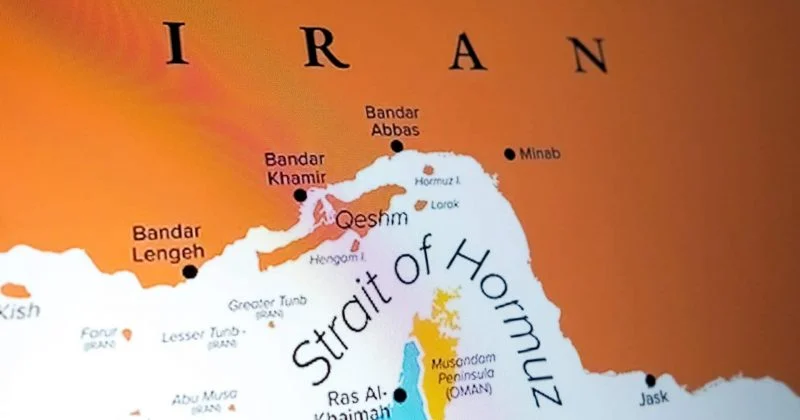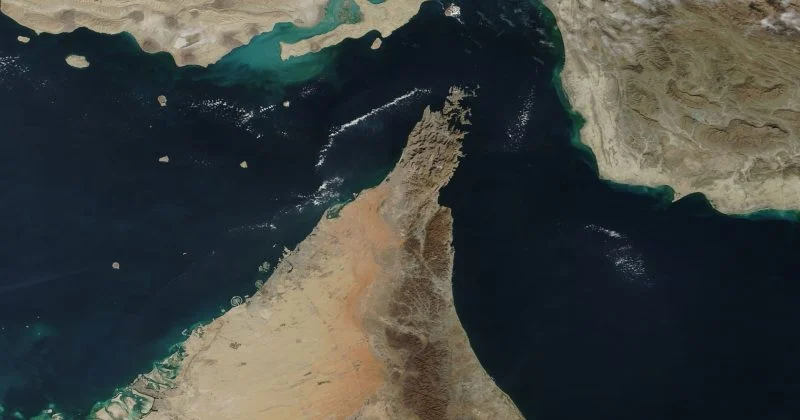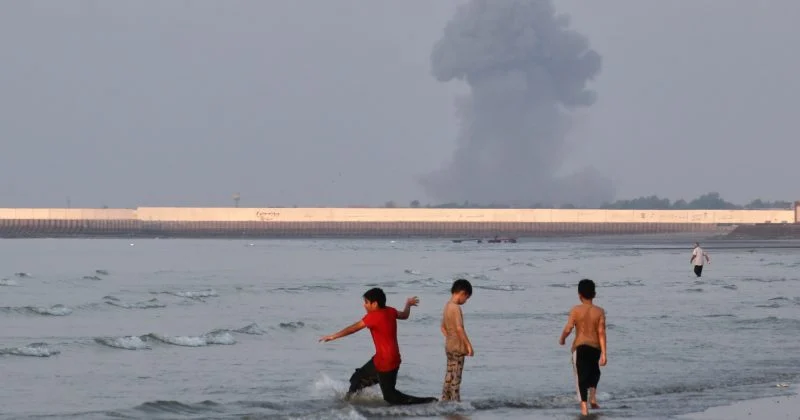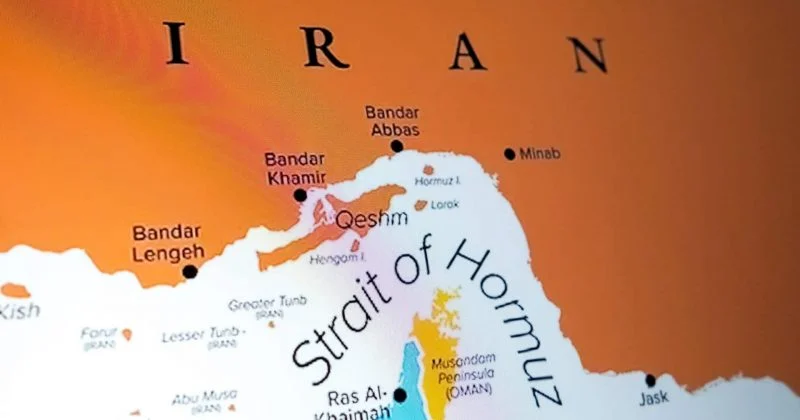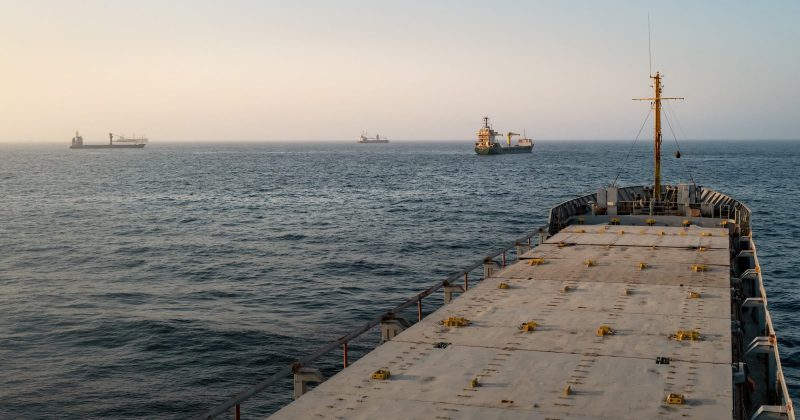
Iran is reportedly taking decisive actions to control the Strait of Hormuz, a key maritime chokepoint. According to a recent report from the Financial Times, Iran has enacted measures that include closing the strait, firing on commercial vessels, and laying sea mines. These actions come amid an escalating conflict with the United States and Israel following the collapse of a ceasefire earlier this month. The U.S. has countered by reimposing a naval blockade and conducting airstrikes on Iranian targets, as it seeks to maintain freedom of navigation through the strait, which is vital for global oil transportation.
Key Takeaways
Market activity suggests that participants view Iran’s aggressive stance in the Strait of Hormuz as consistent with scenarios where traffic remains disrupted, reflected in the declining likelihood of normalization by August 31.
The pricing in the Strait of Hormuz traffic market indicates a decreased expectation of a resolution, with YES shares dropping to 11.5% from 16% a week ago.
Iran’s actions are interpreted by markets as increasing the risk of military escalation, which may affect oil and LNG shipping routes significantly.