Some breakthroughs in physics come from brand new inventions. Others begin with a new theory. But many advances happen when researchers combine familiar technologies in an unexpected way and create something more powerful than the individual parts.
That strategy could be especially valuable in the search for weakly interacting particles, including neutrinos and certain dark matter candidates. These particles are notoriously difficult to detect because they rarely interact with ordinary matter. Building larger detectors and improving their spatial resolution can increase the odds of observing the faint signals they produce, but doing so often makes the instruments more complicated and expensive.
Similar demands apply to calorimeters, the devices used in collider experiments to measure the energy carried by particles.
Why Particle Detectors Are So Complex
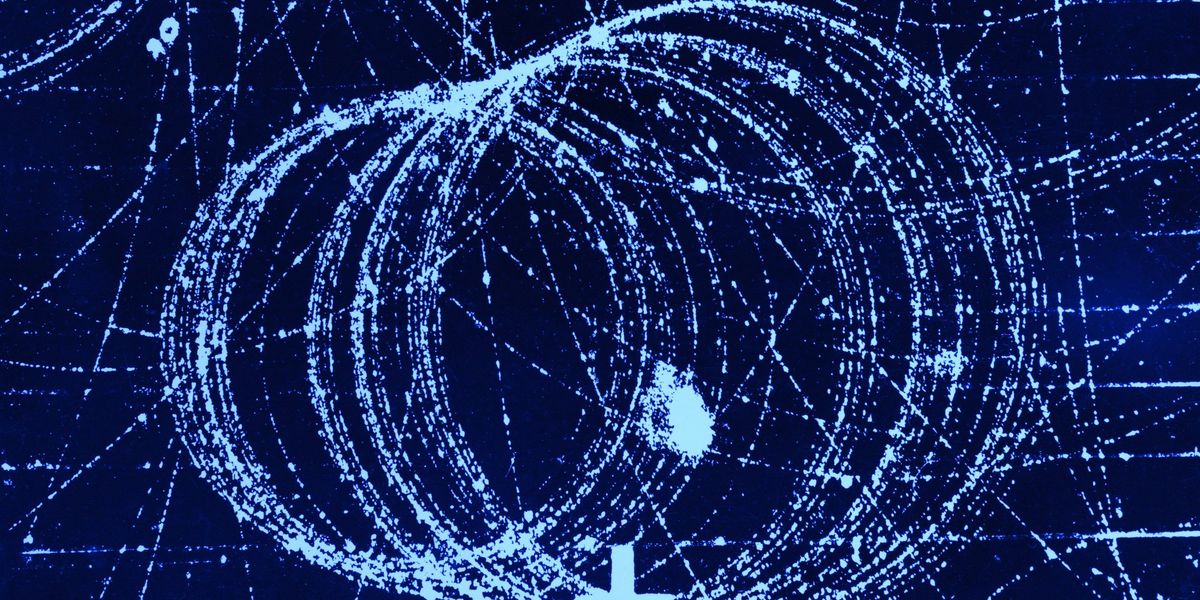
Most particle physics experiments need to reconstruct the three-dimensional (3D) paths of elementary particles as they move through large volumes of dense material.