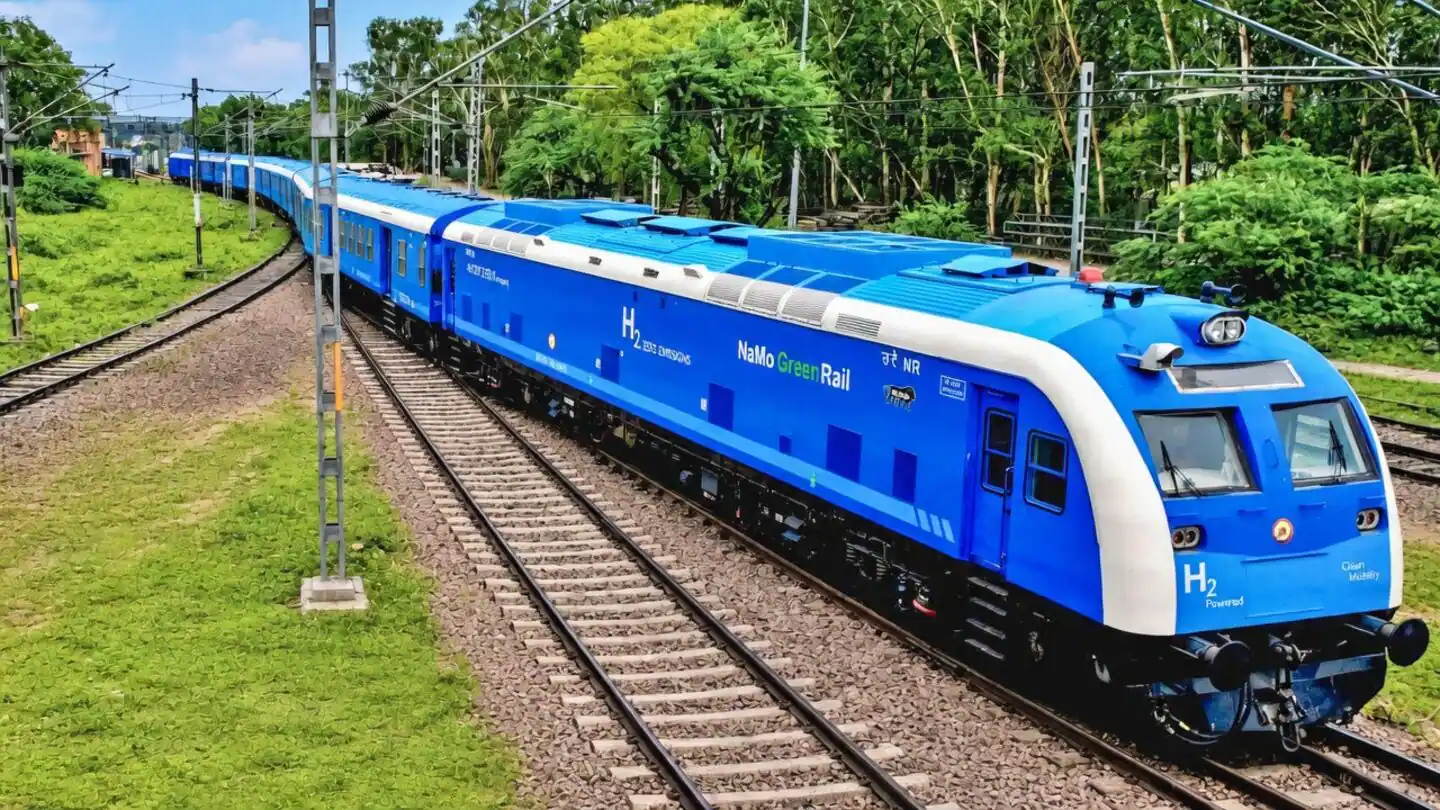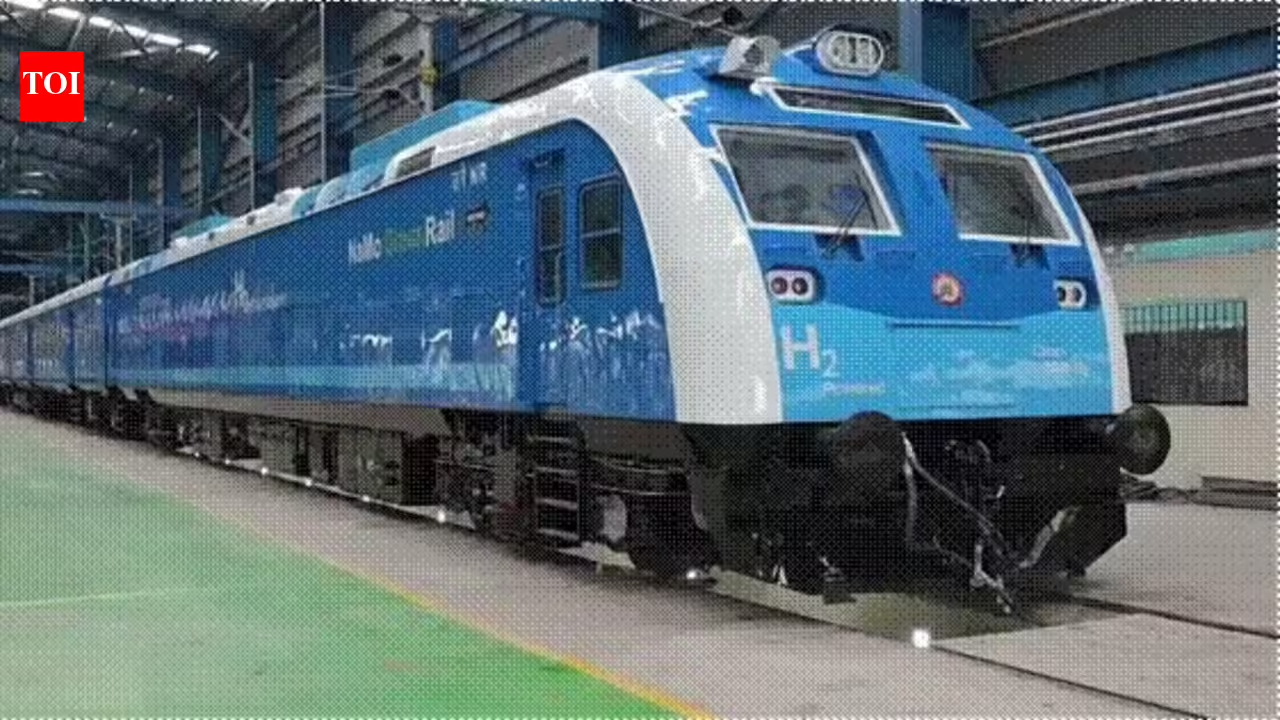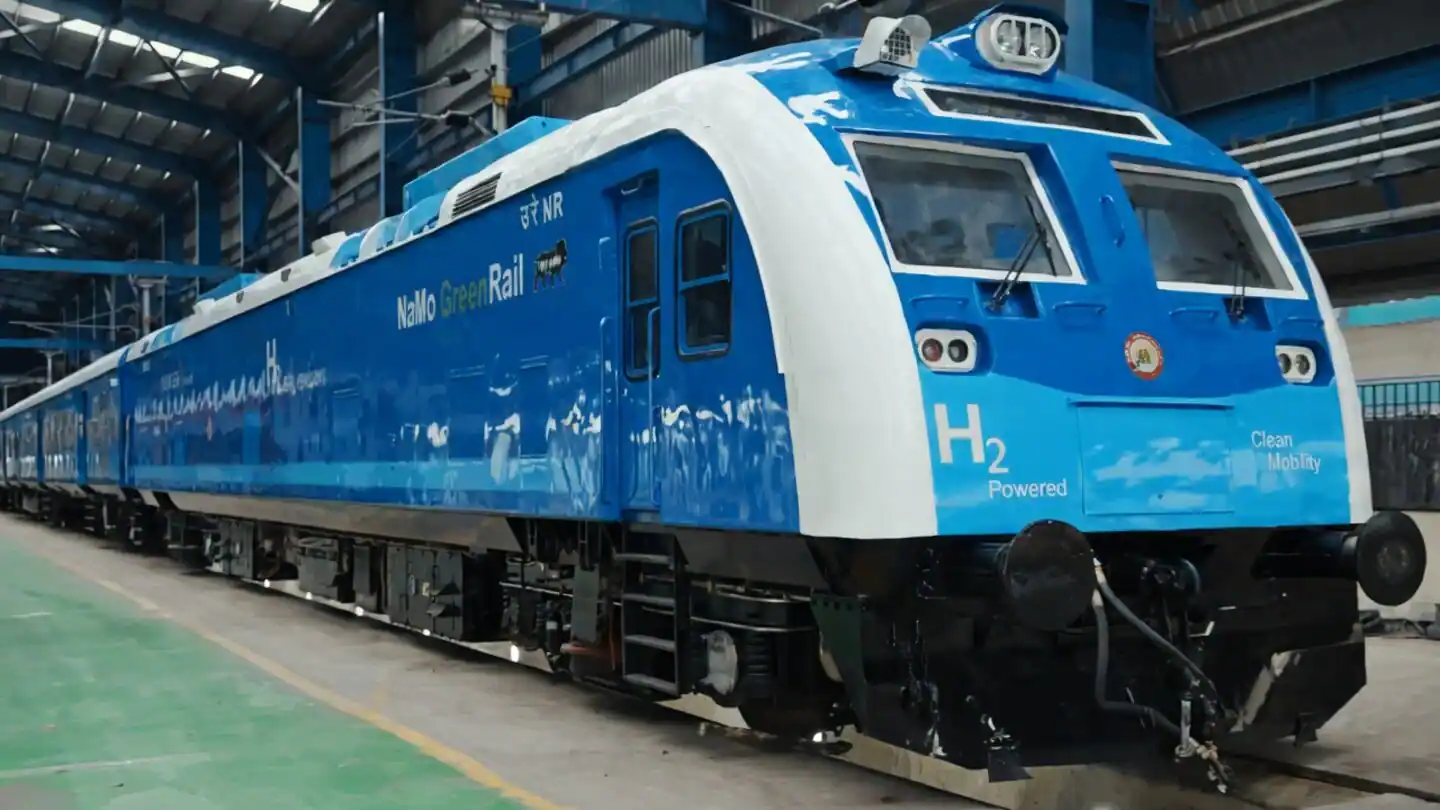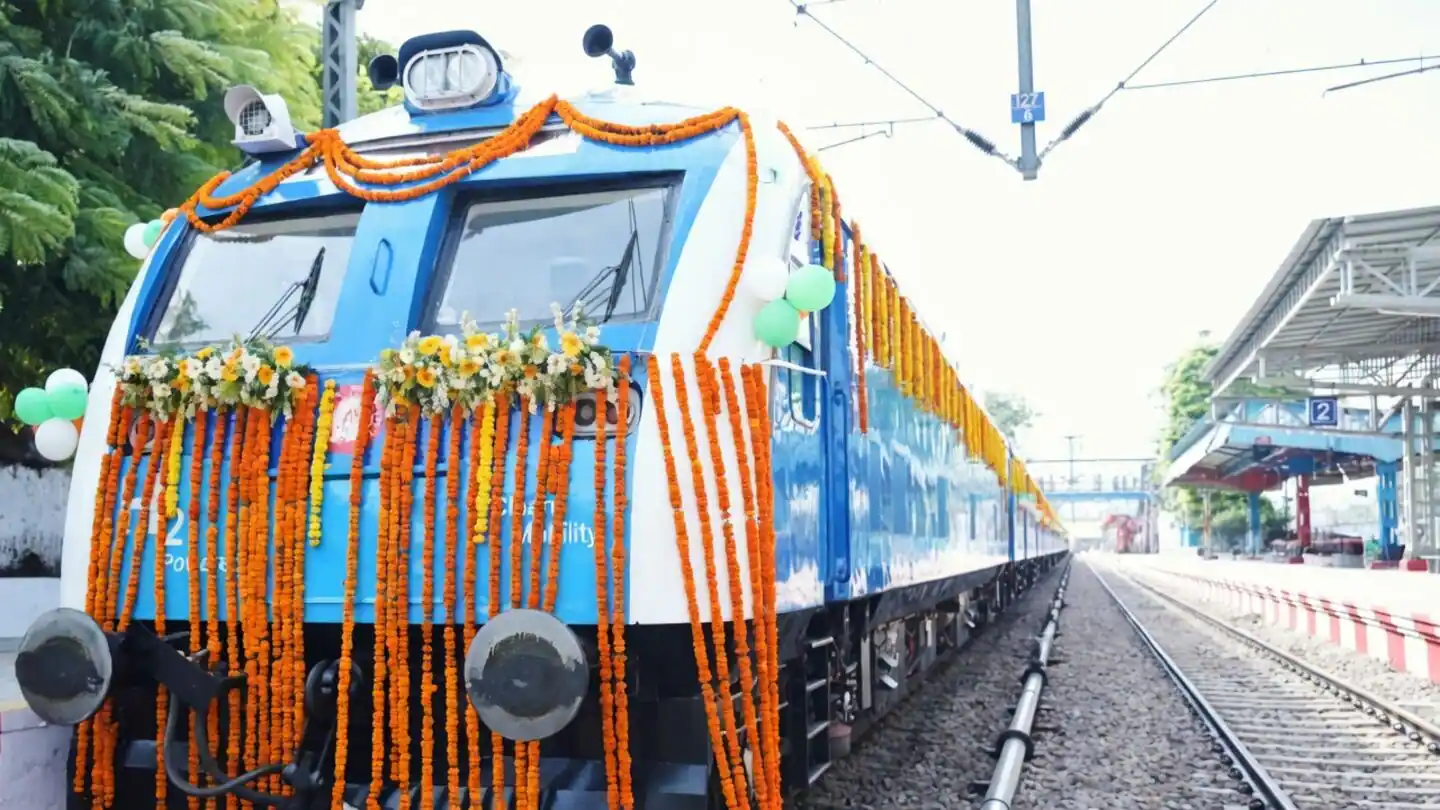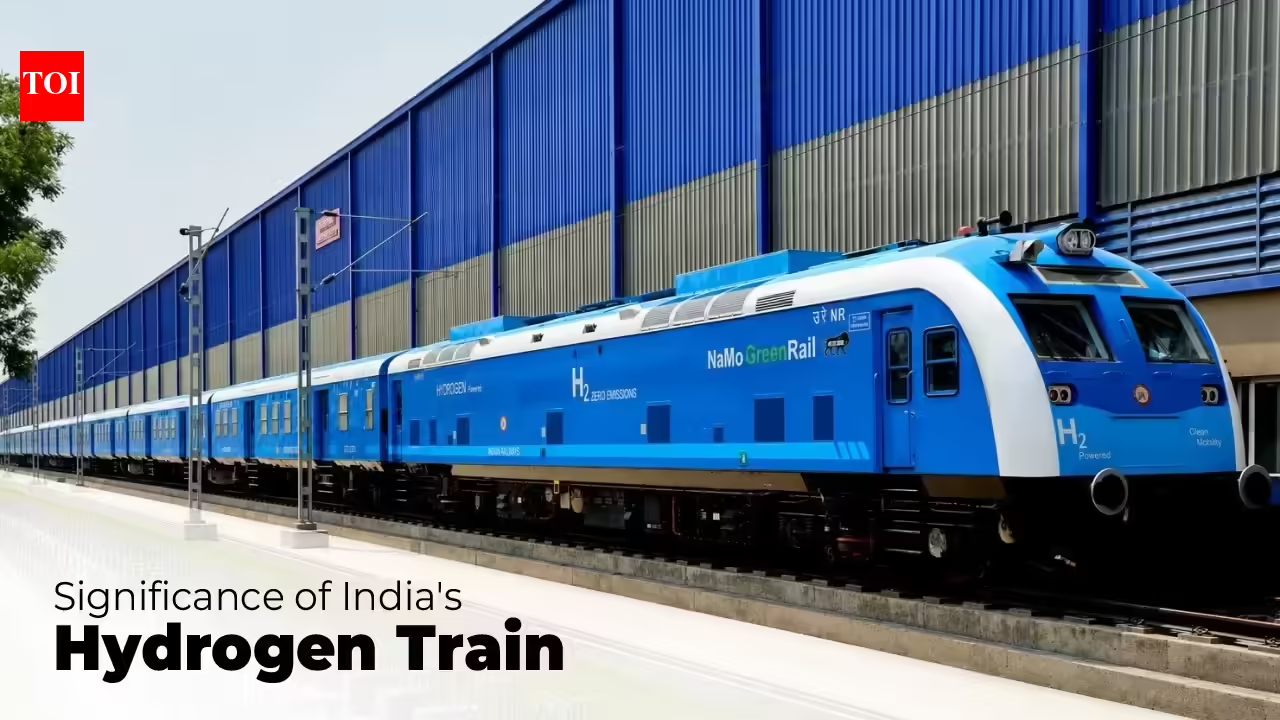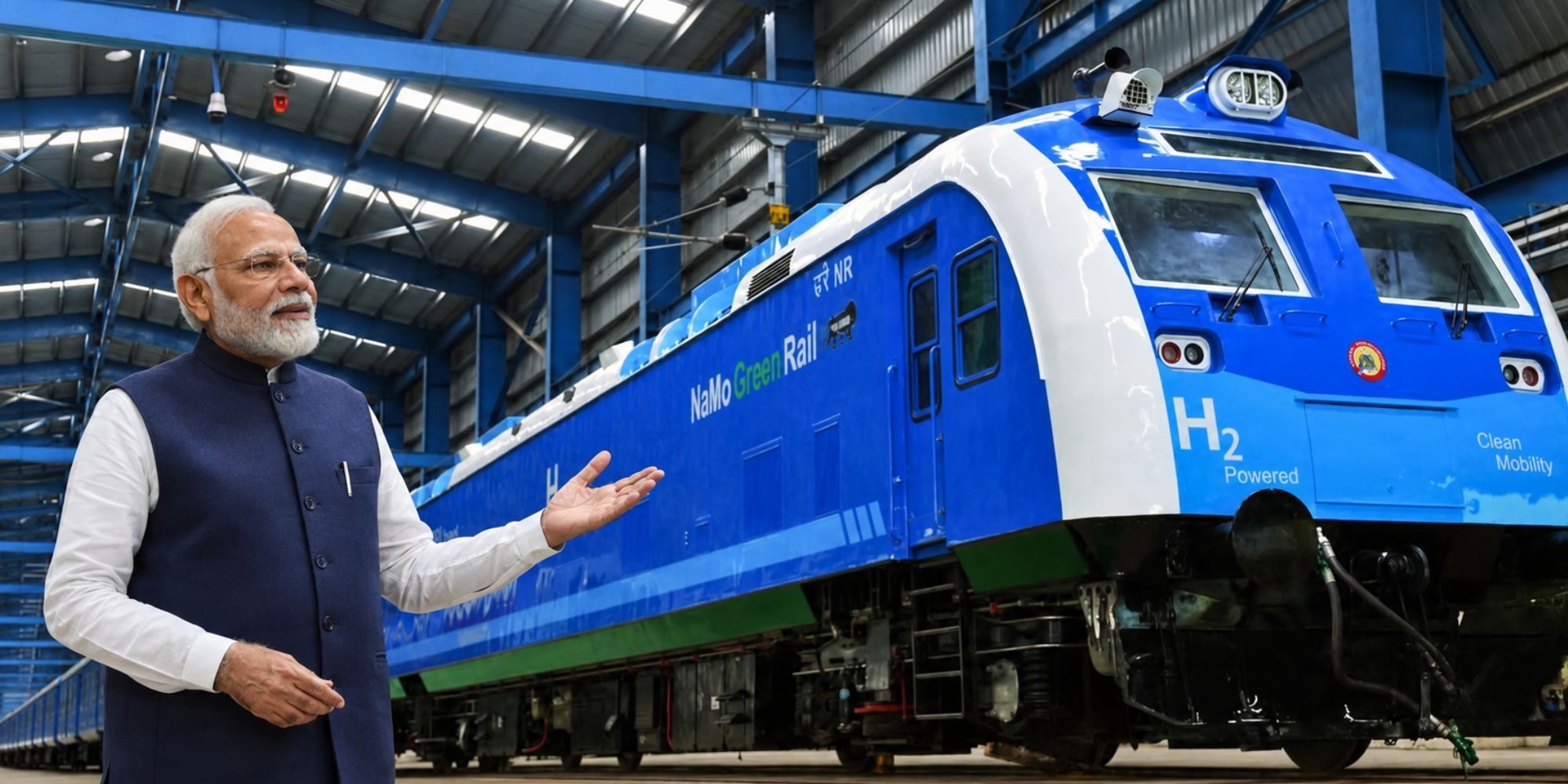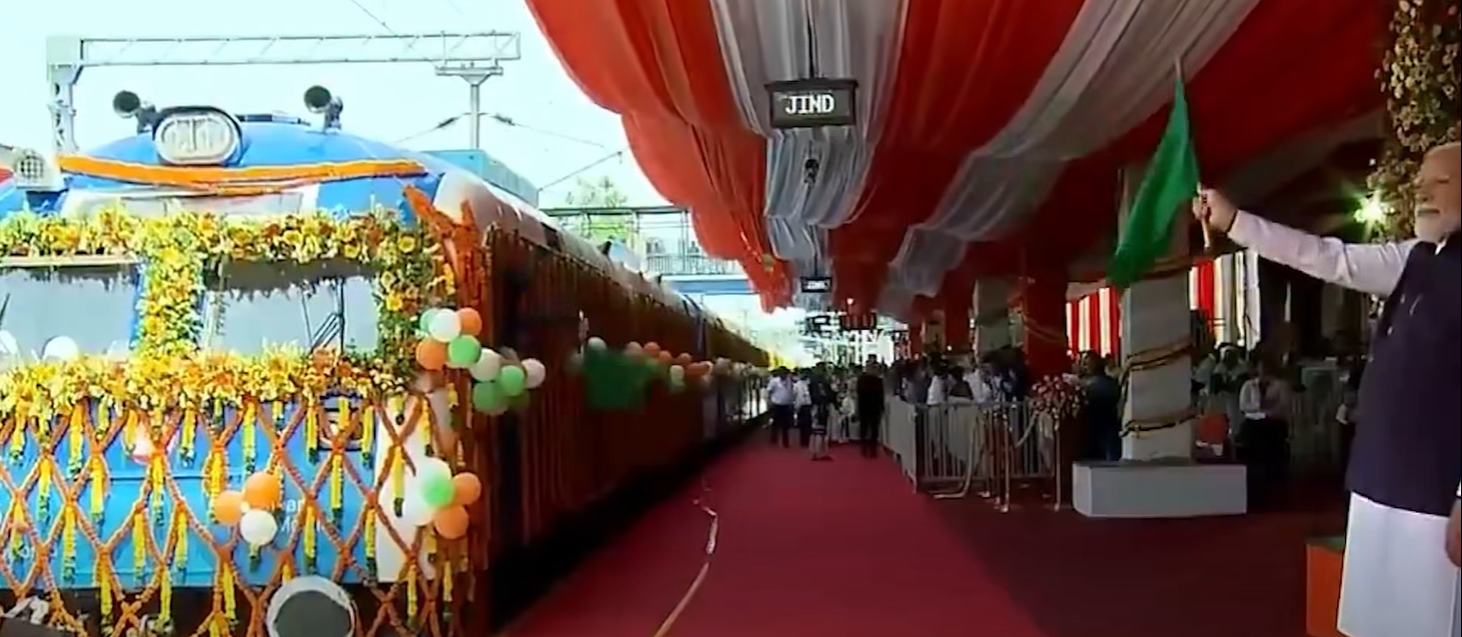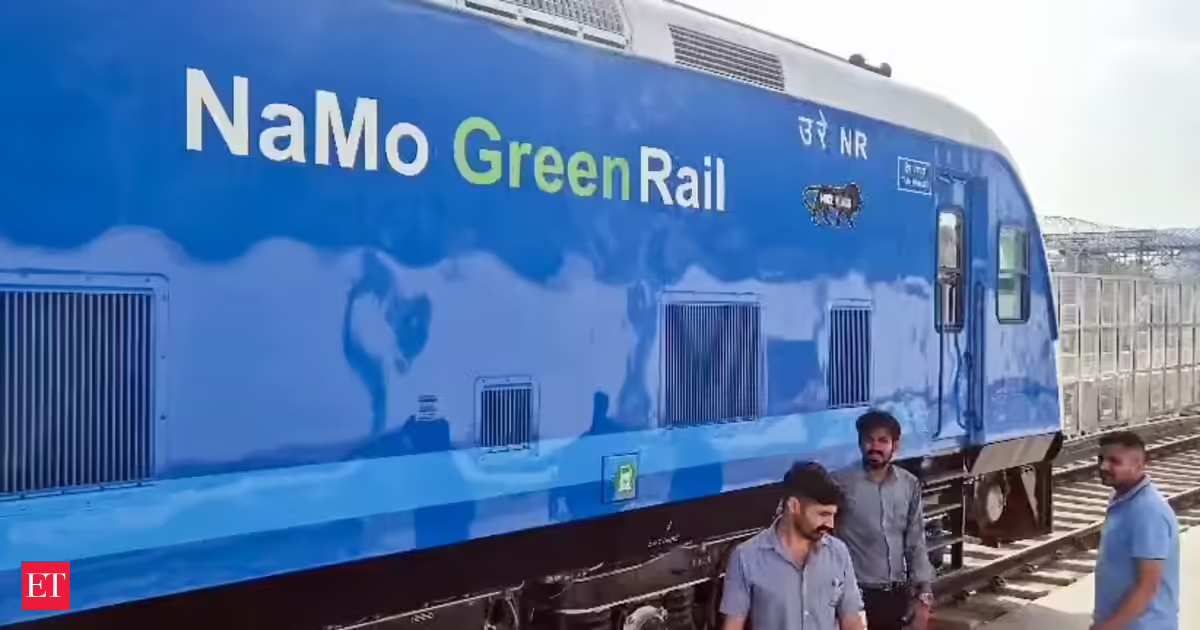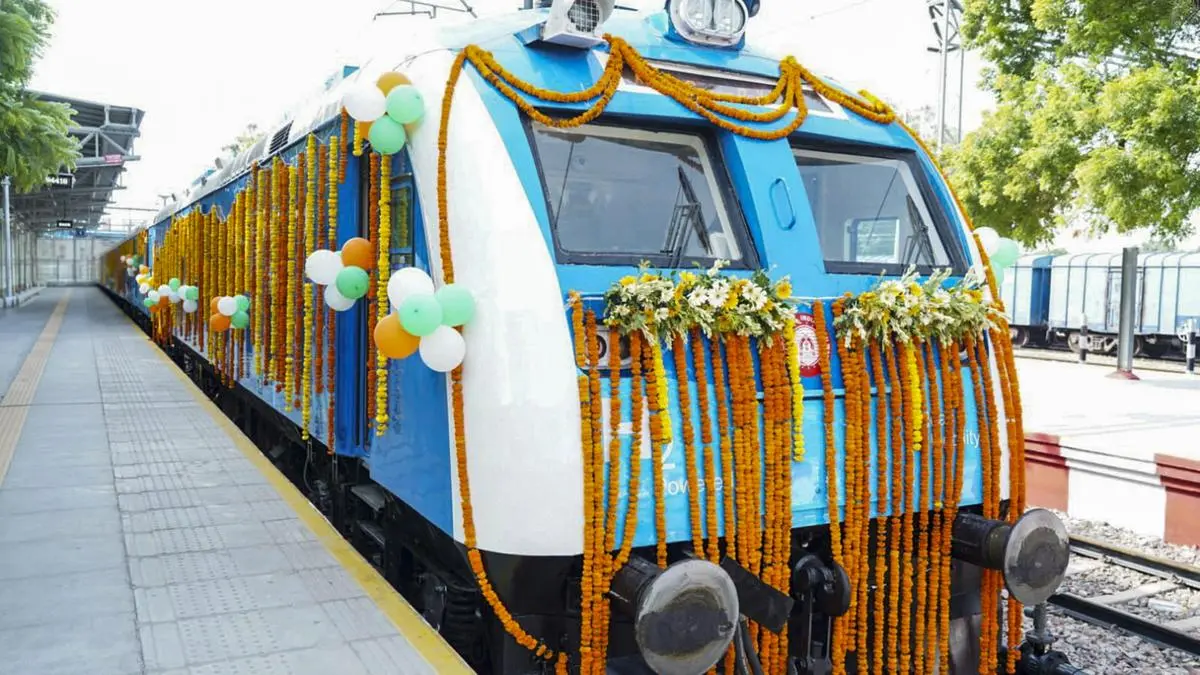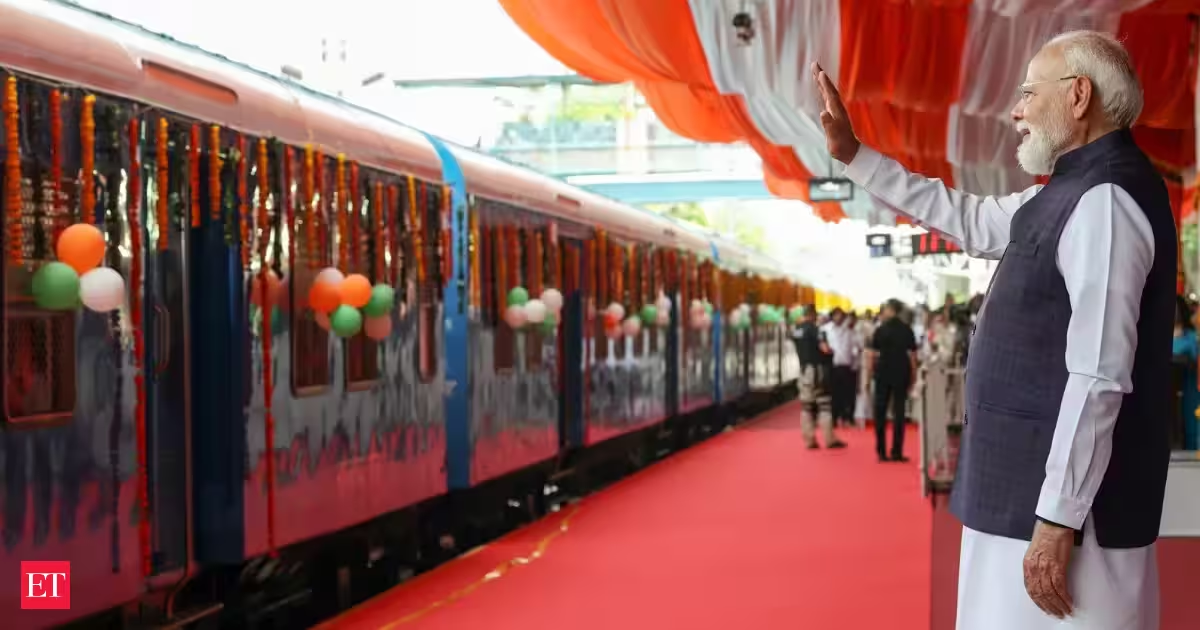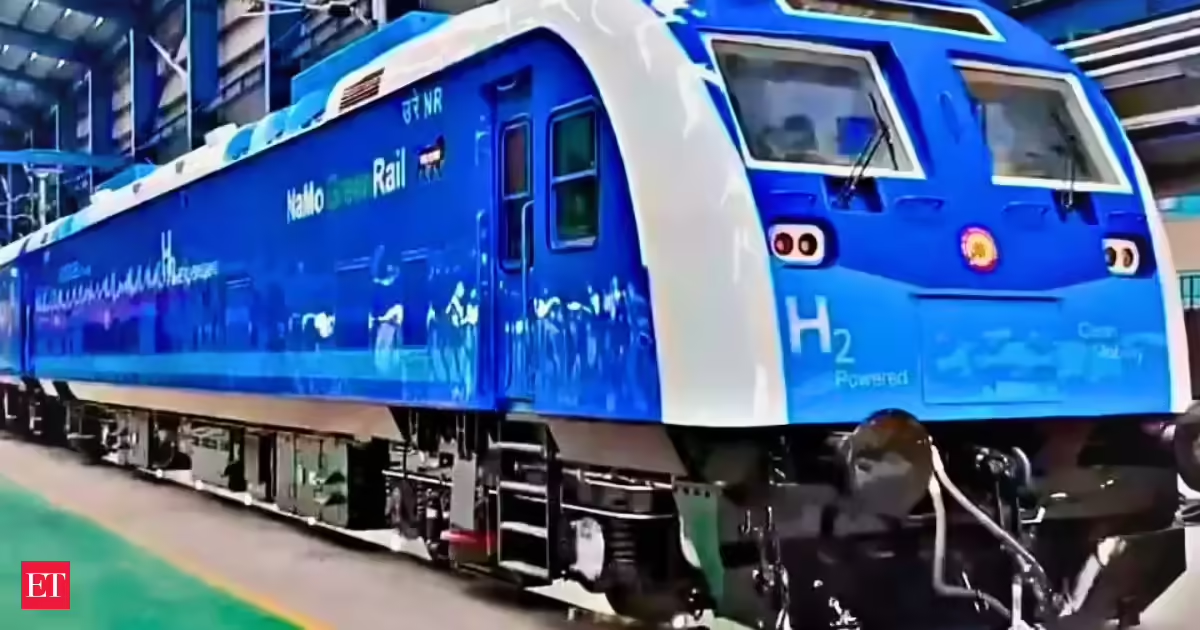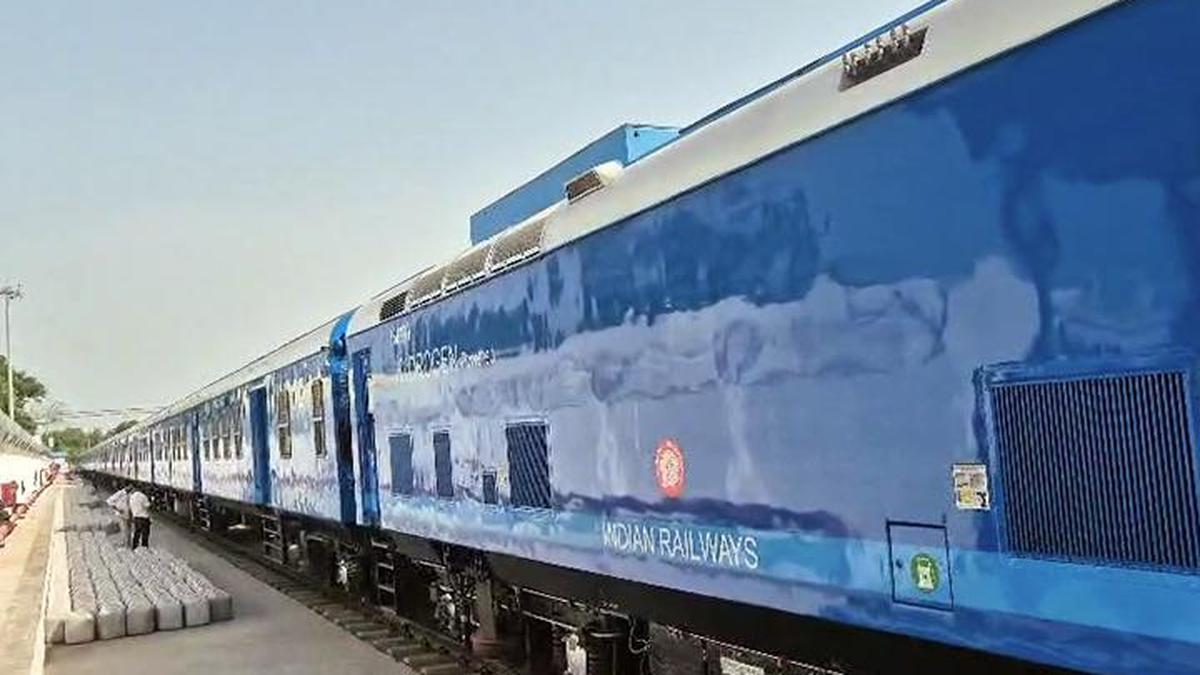
The story so far: Prime Minister Narendra Modi will flag off India’s first Hydrogen powered train running between an 89-km stretch of Jind and Sonipat in Haryana on July 17. “This milestone marks the latest chapter in the evolution of how Indian Railways from coal and steam to cleaner, more sustainable sources of energy,” Union Minister of Railways Ashwini Vaishnaw stated in a media interaction earlier this week. What is a Hydrogen-powered train? India’s First Hydrogen Fuel Cell Train is a ten-coach train set with capacity to carry around 2,600 passengers. The train generates its own electricity onboard using hydrogen, the cleanest fuel known. Unlike conventional electric trains that draw power from overhead lines, the Hydrogen Fuel Cell Trainset generates electricity onboard through a chemical reaction between hydrogen and oxygen, with water vapour as its only by-product. The train is run on operational speed of 75 kmph on the Jind–Sonipat section and a design speed of 110 kmph. Unlike conventional diesel locomotives that burn fuel to generate mechanical power, a hydrogen train carries a small power plant onboard in the form of a Proton Exchange Membrane (PEM) fuel cell. Hydrogen stored in the train’s cylinders combines with oxygen from the surrounding air inside the fuel cell, producing electricity that powers the traction motors and turns the wheels. The only direct by-products of this electrochemical reaction are water vapour and heat. There is no combustion, no smoke and no tailpipe carbon emissions.
Explained | How India’s first hydrogen-powered train works
India's first hydrogen-powered train, launching on July 17, marks a major step toward sustainable rail transport and energy innovation.
977 words~4 min read