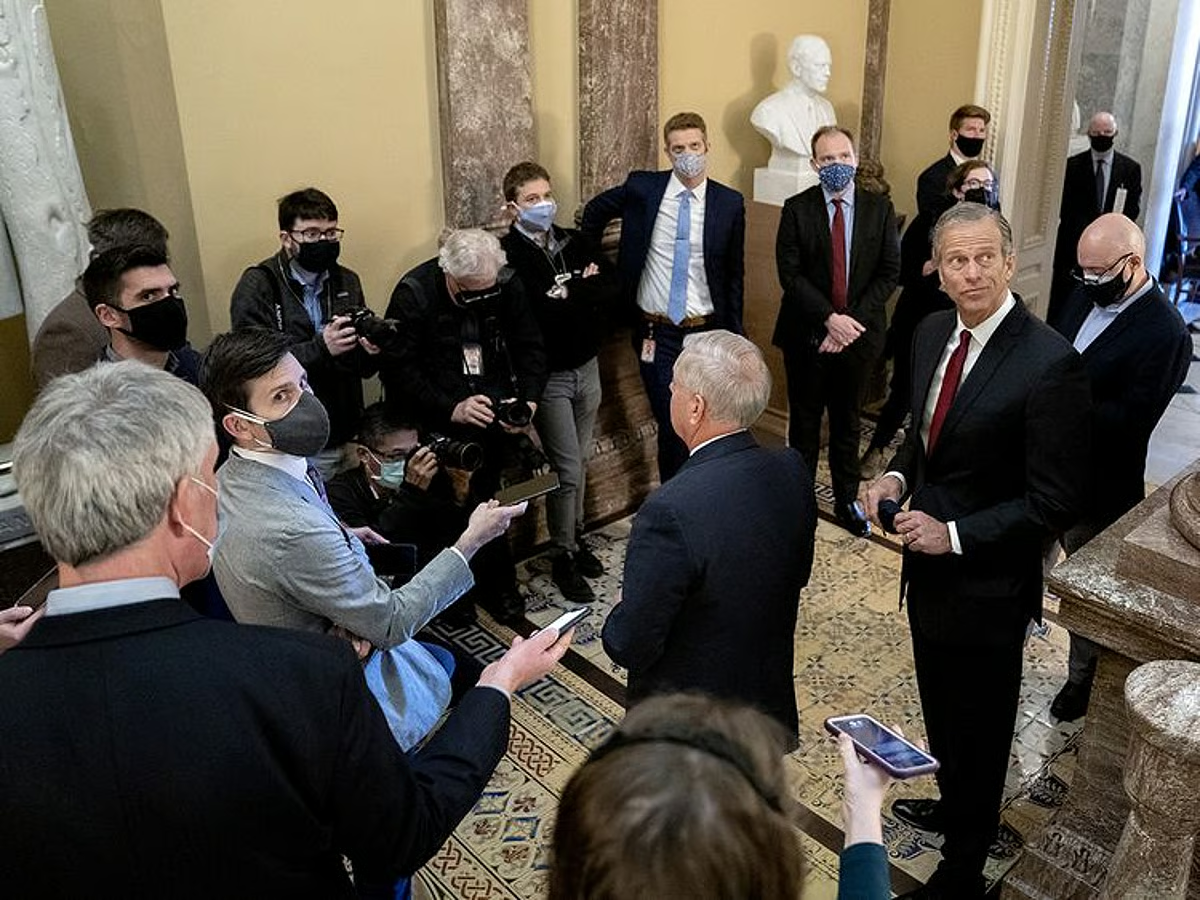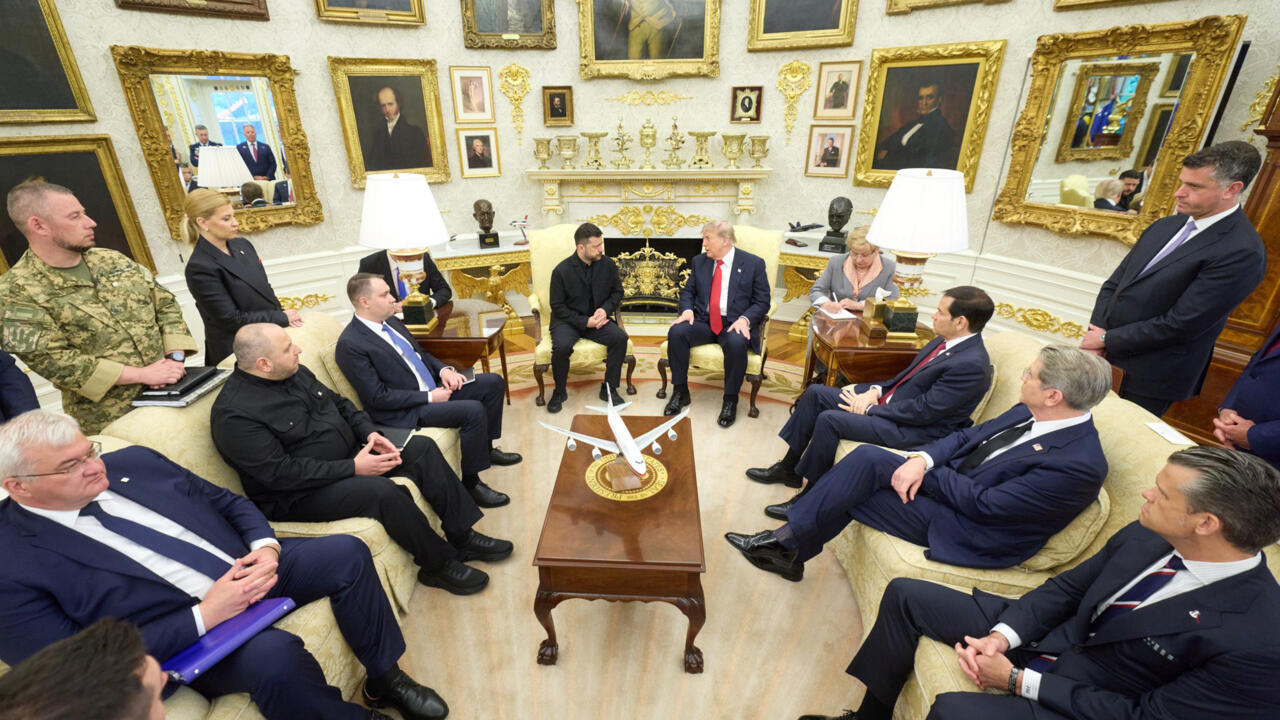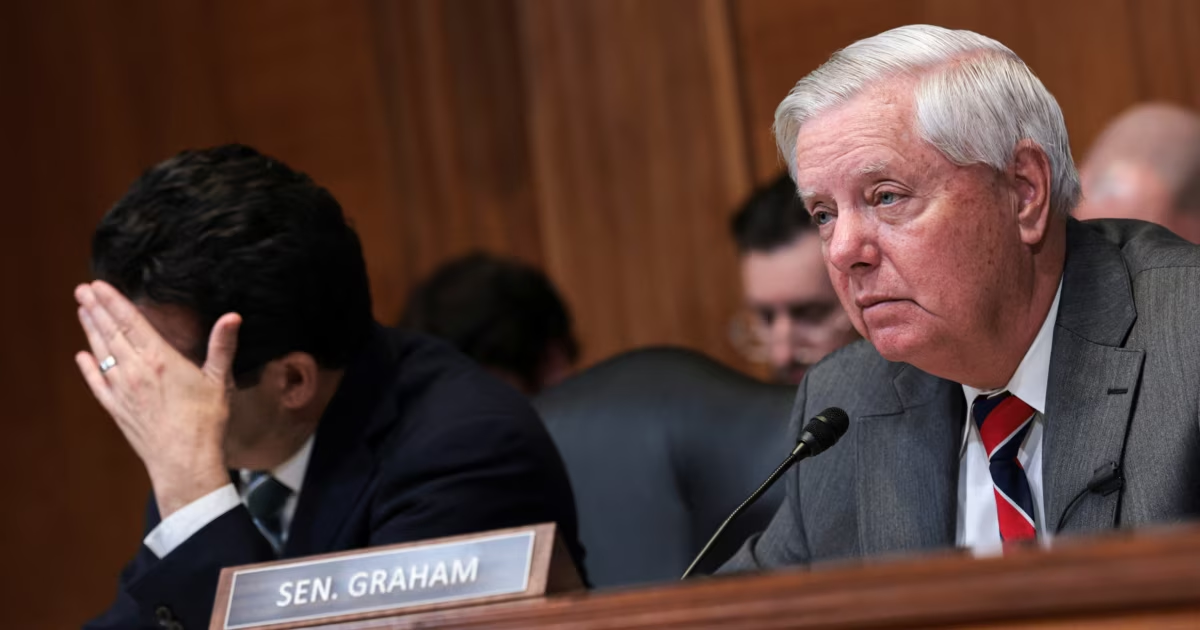
WASHINGTON -- Senate Republican leadership has thrown its weight behind a renewed bipartisan push to impose sweeping new sanctions on Russia, with Majority Leader John Thune joining more than 60 lawmakers in cosponsoring legislation that supporters say marks the strongest congressional effort yet to increase economic pressure on Moscow over its war against Ukraine.The formal introduction of the Lindsey O. Graham Sanctioning Russia Act of 2026 on July 16 marks a major political milestone after months of negotiations among Senate Republicans, Democrats, the White House, and Ukraine advocates.
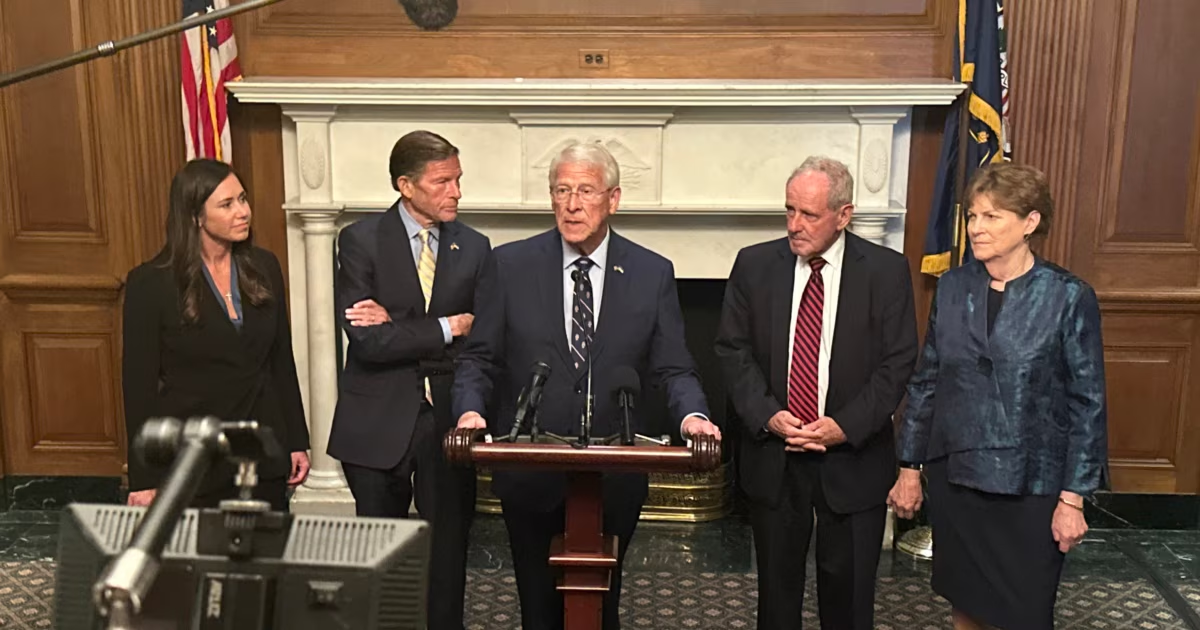
While earlier versions of the legislation attracted broad bipartisan support, Senate aides said the latest rollout demonstrates that Republican leadership is now prepared to move the bill from a long-running policy effort toward legislative action."The bill always had substantial bipartisan support. Now it has leadership behind it," one senior Republican Senate aide familiar with the discussions told RFE/RL on condition of anonymity because they were not authorized to speak publicly.A Democratic Senate aide involved in the negotiations described the July 16 move as "a major step forward."“For months, lawmakers were building support while working through the details with the administration," the aide said. "Introducing the bill with the majority leader as an original cosponsor sends a clear signal that Senate leadership is aligned behind the effort.”Broad Bipartisan CoalitionThe legislation was introduced by Republican Senators Roger Wicker of Mississippi, Darline Graham of South Carolina, and Democratic Senators Richard Blumenthal of Connecticut, and Jeanne Shaheen of New Hampshire.It is backed by more than 60 senators, including Thune, Senate Democratic Whip Dick Durbin of Illinois, Senate Majority Whip John Barrasso of Wyoming, Foreign Relations Committee Chairman Jim Risch of Idaho, Judiciary Committee Chairman Chuck Grassley of Iowa, and Banking Committee Chairman Tim Scott of South Carolina, underscoring the breadth of bipartisan support.The measure is named after the late Senator Lindsey Graham, Republican of South Carolina, who spent more than a year building bipartisan backing for tougher sanctions on Russia.