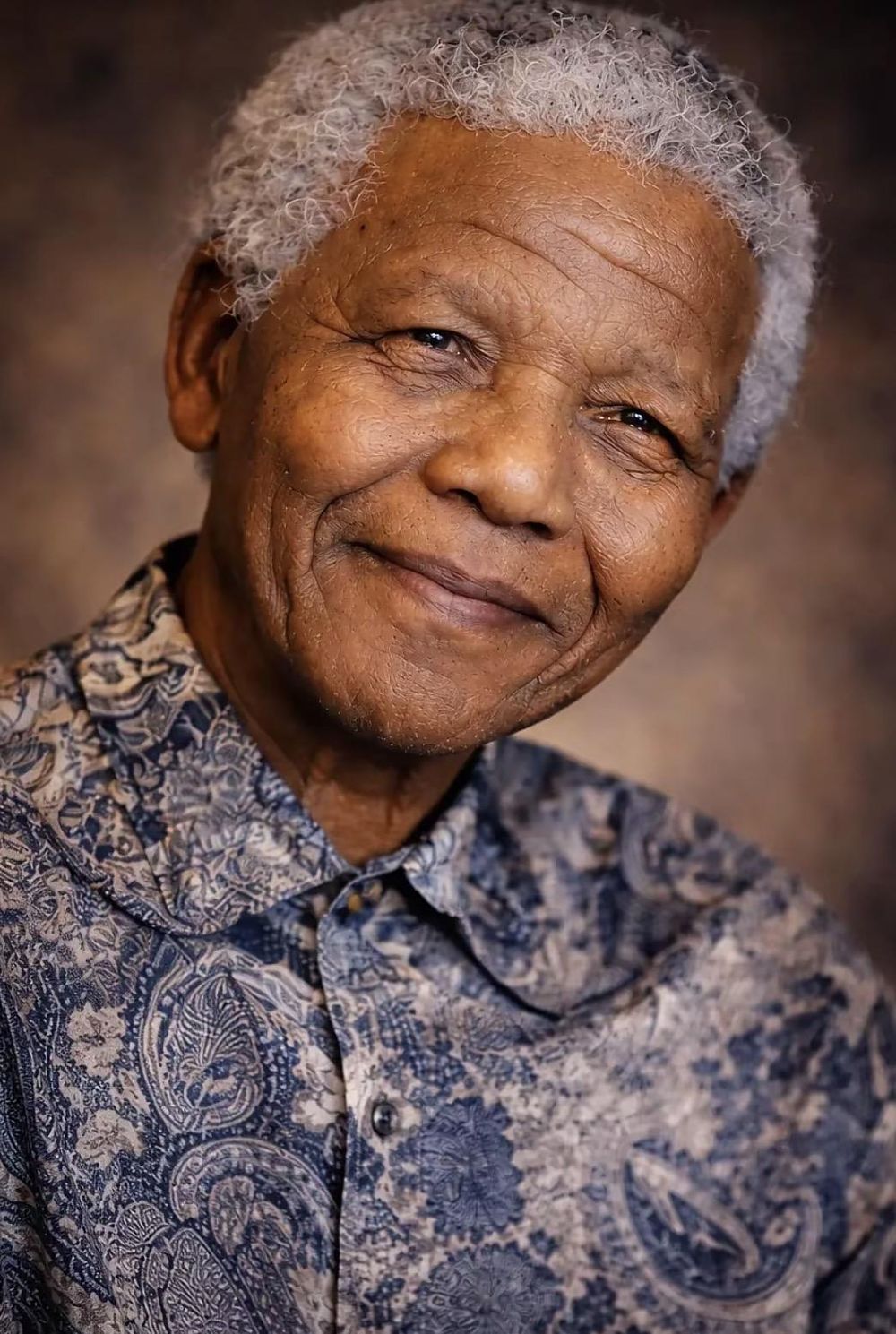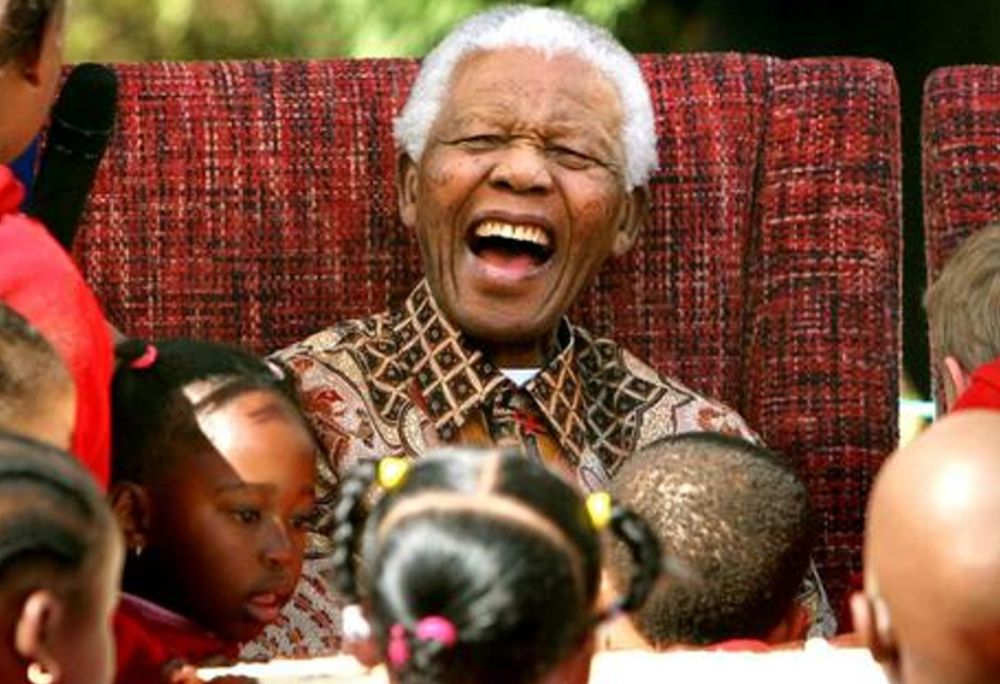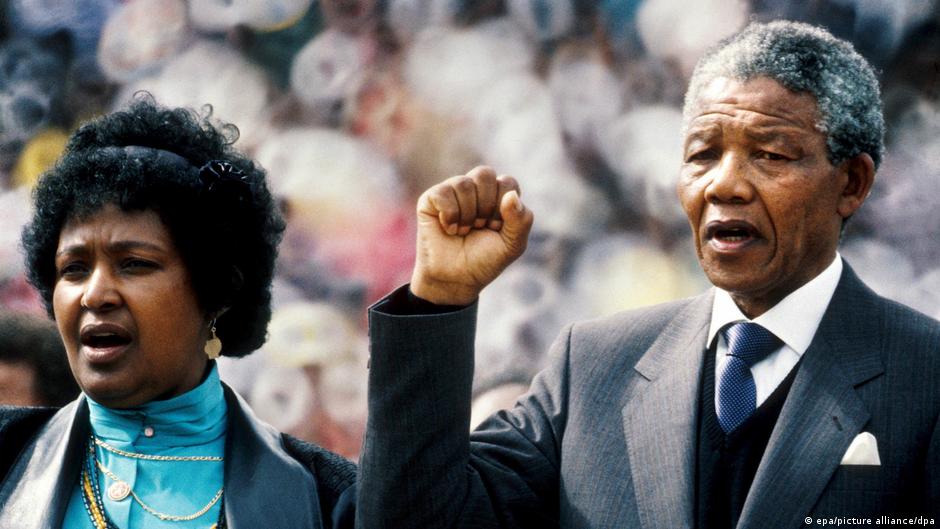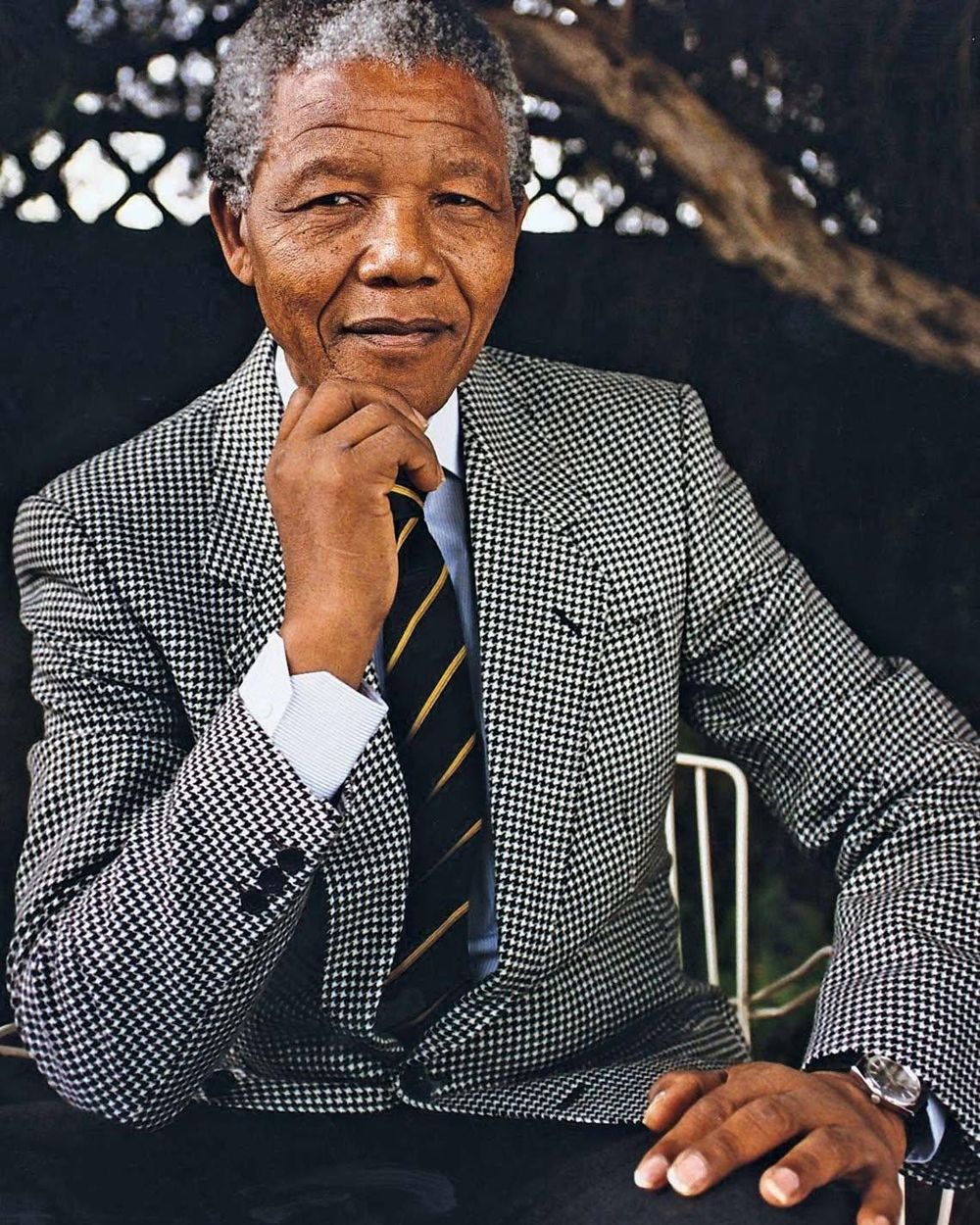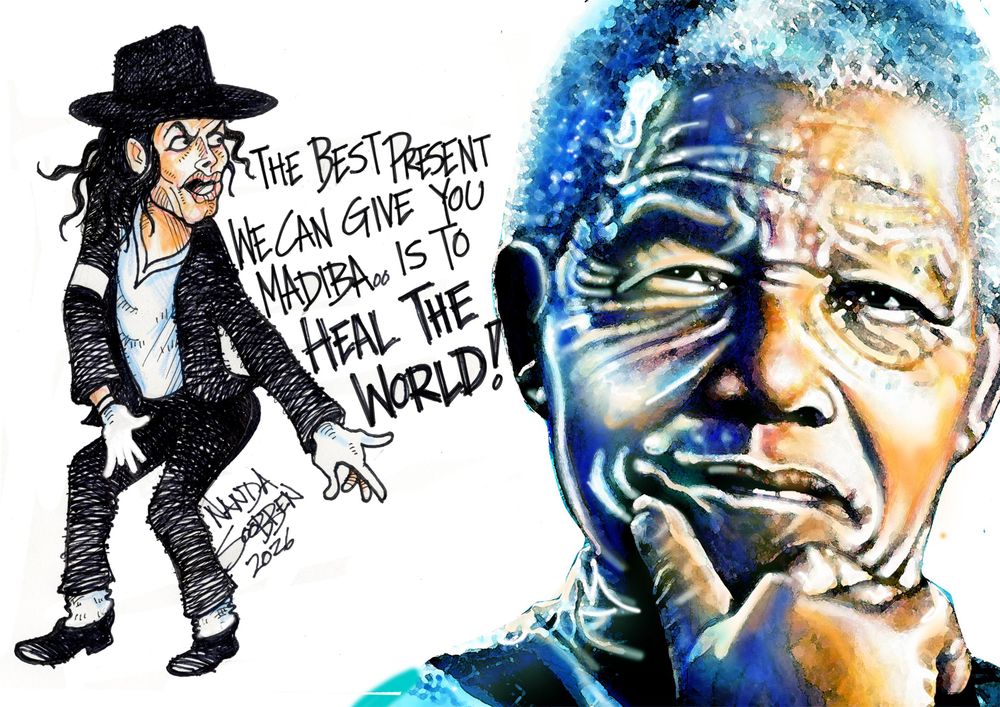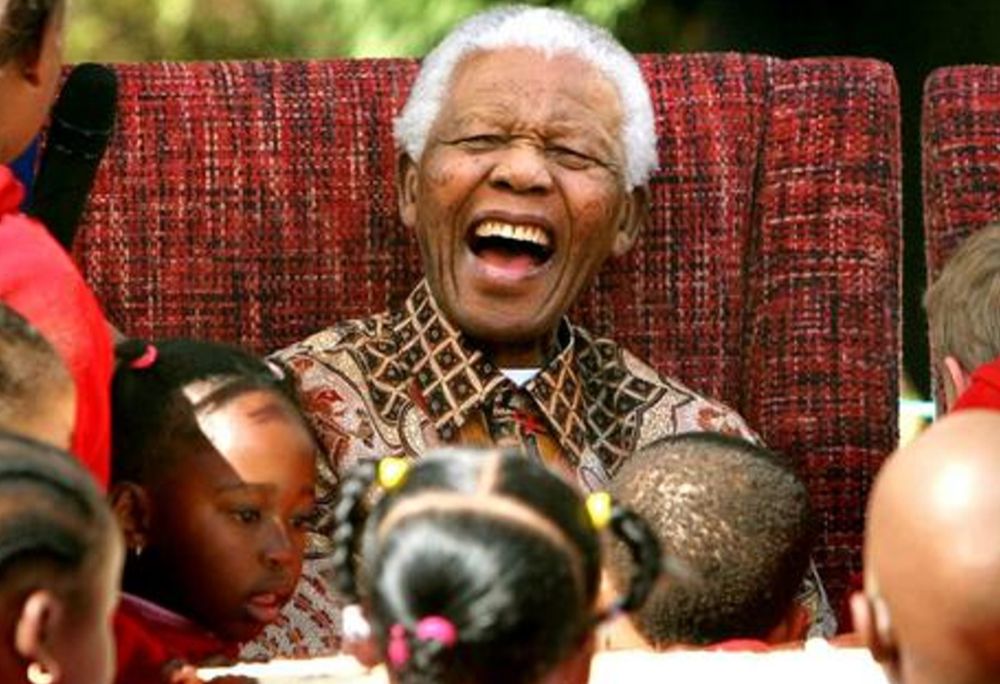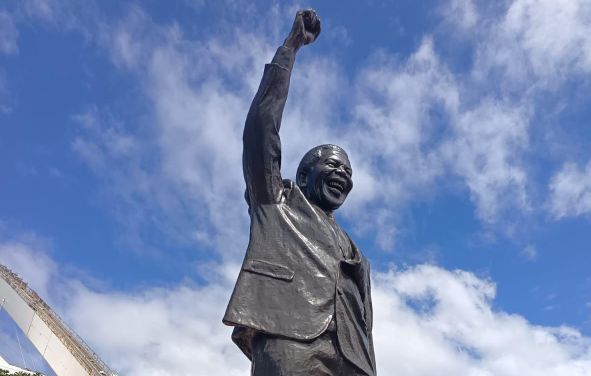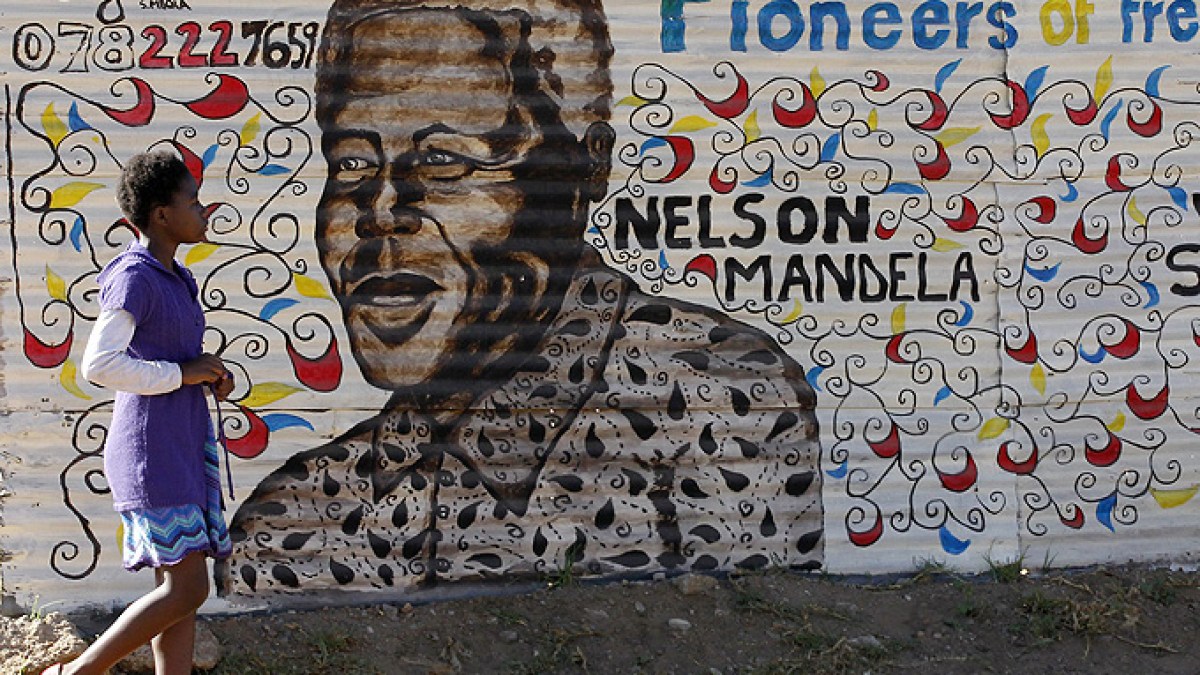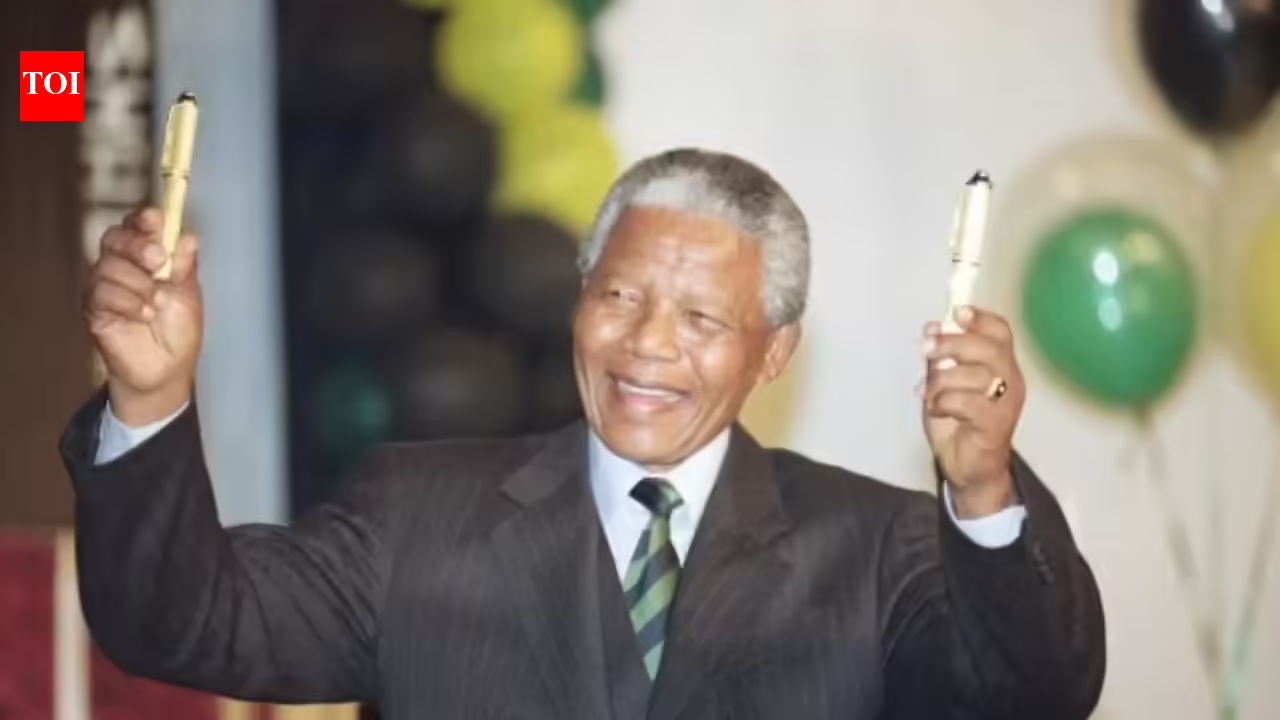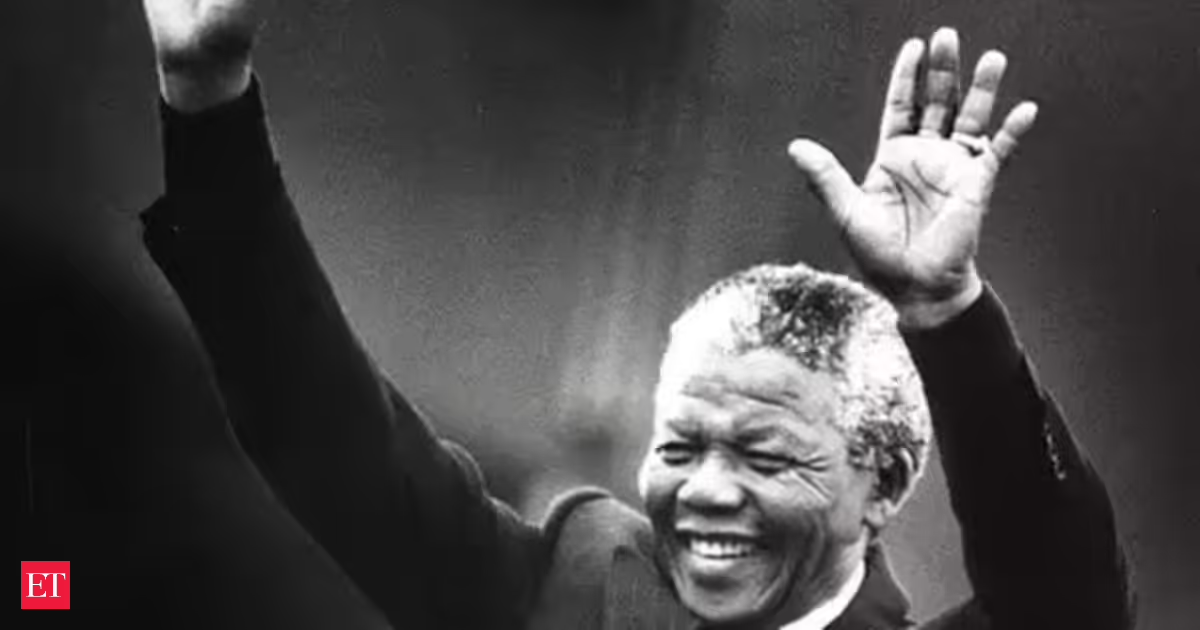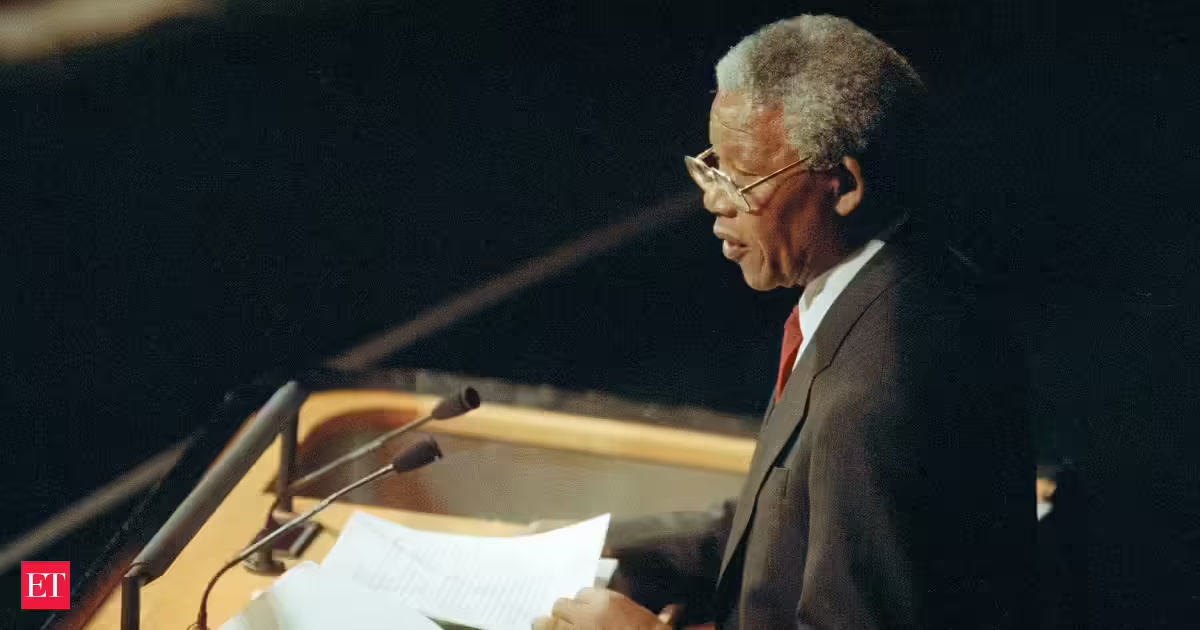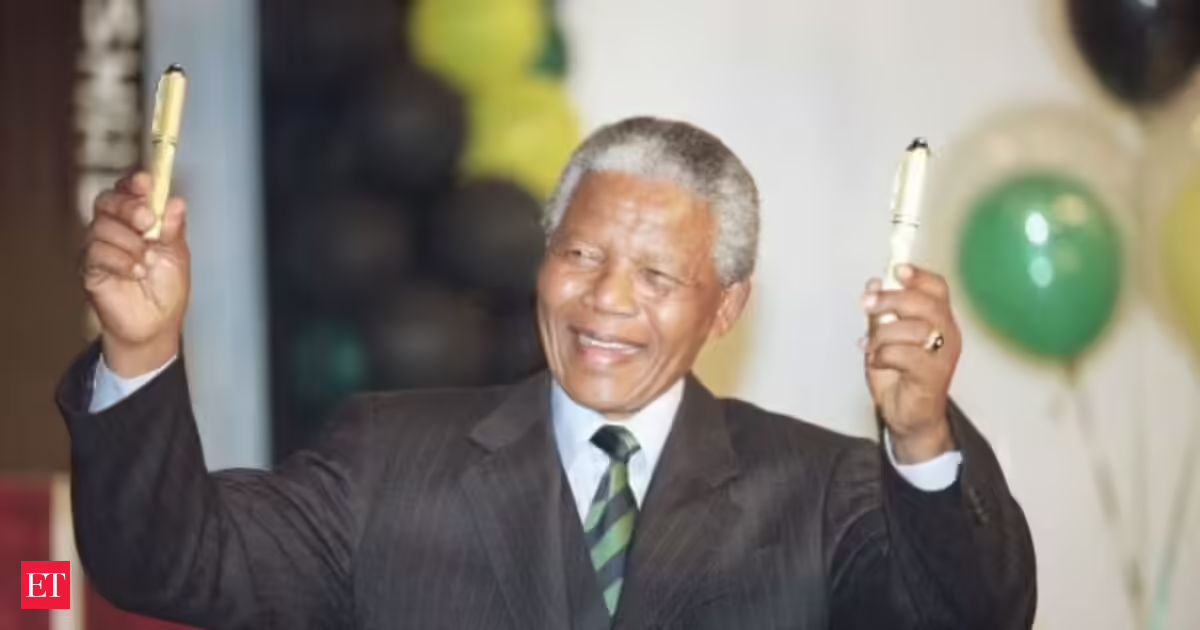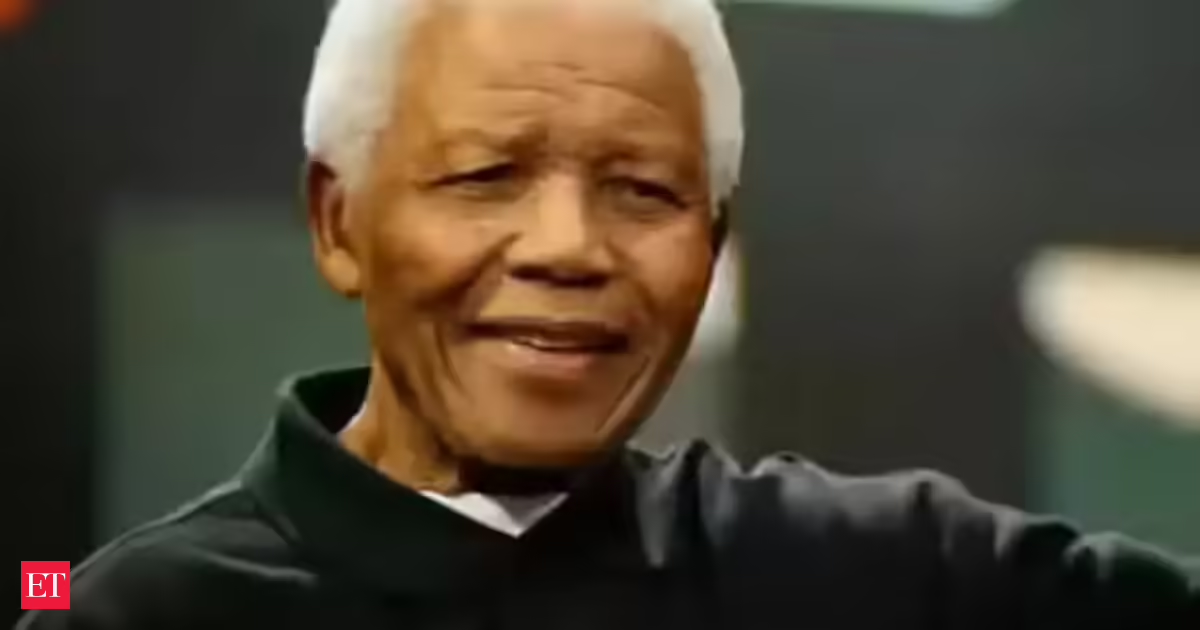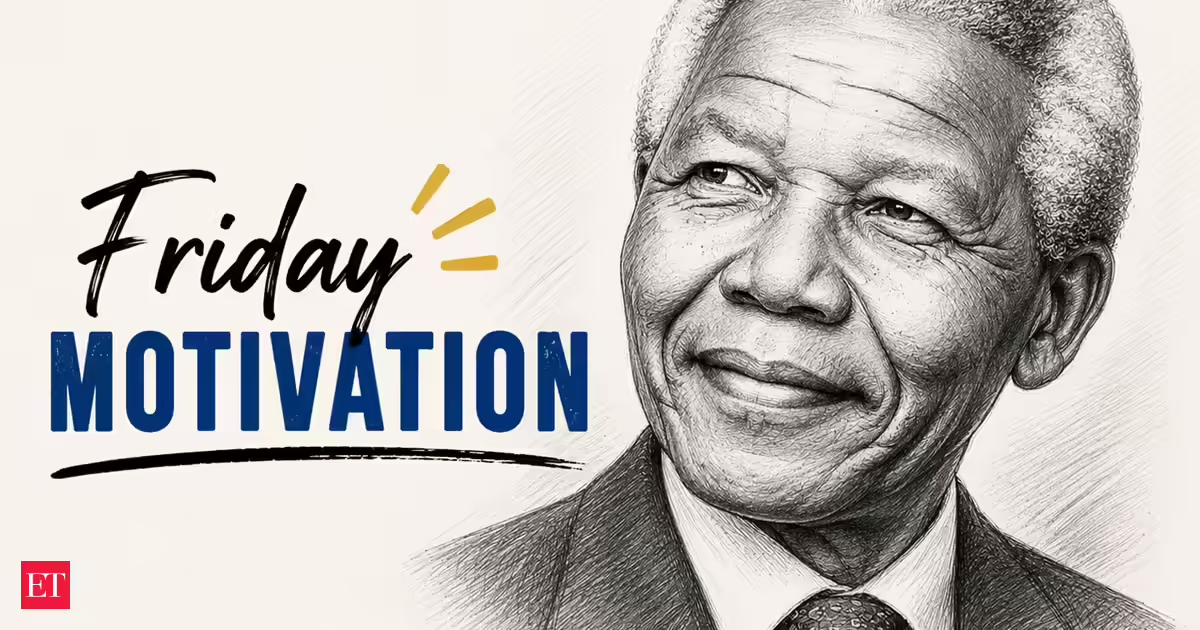
Nelson Mandela’s motivational quote, "If you talk to a man in a language he understands, that goes to his head. If you talk to him in his language, that goes to his heart," highlights the deep emotional power of speaking to people in their native language. While someone may understand a second language, hearing words in the language they grew up with creates a stronger personal connection. It shows respect for their identity, culture, and experiences. The quote is also about empathy and meaningful communication. True understanding comes not only from sharing information but from making people feel seen and valued. Whether in friendships, business, education, or leadership, speaking in a way that connects with someone's heart builds trust and stronger relationships. Mandela believed that unity begins with respect, and language is one of the simplest ways to show it. His words remind us that kindness, cultural understanding, and genuine communication can break barriers and bring people together in a diverse world.Few people have changed the course of history the way Nelson Mandela did. He is remembered not only as South Africa's first Black president but also as a symbol of courage, equality, and forgiveness. Mandela spent 27 years in prison for fighting against apartheid, a system of racial segregation that denied basic rights to millions of Black South Africans. Instead of seeking revenge after his release, he chose reconciliation, inspiring people around the world. Born on July 18, 1918, in the village of Mvezo, South Africa, Mandela studied law and became involved in the struggle for justice. He joined the African National Congress (ANC), where he worked to end apartheid through peaceful protests. As government oppression increased, Mandela supported more direct resistance, leading to his arrest in 1962.Mandela spent most of his prison sentence on Robben Island. Despite the harsh conditions, he continued to educate himself and became a powerful symbol of hope. International campaigns calling for his freedom grew stronger over the years, making him one of the world's best-known political prisoners.He was finally released in 1990 after growing pressure on South Africa's government. Four years later, in 1994, Mandela became the country's first democratically elected president. His leadership focused on healing a deeply divided nation. Rather than encouraging revenge, he promoted forgiveness and unity, helping South Africa move toward a more peaceful future.You Might Also Like:One of his greatest achievements was supporting the 'Truth and Reconciliation Commission', which gave victims and perpetrators of apartheid a chance to share their experiences. While it could not erase the past, it helped the country begin the difficult process of rebuilding trust.Mandela received the Nobel Peace Prize in 1993, sharing the honor with South African President FW de Klerk for their efforts to peacefully end apartheid. After serving one presidential term, he stepped down in 1999, setting an example of democratic leadership.Nelson Mandela passed away on December 5, 2013, but his influence remains strong. His life reminds people that courage is not the absence of fear, and that forgiveness can be more powerful than hatred. Today, Mandela continues to inspire leaders, activists, and ordinary people to stand up for justice while choosing peace over division.You Might Also Like:
Friday Motivation by Nelson Mandela: 'If you talk to a man in a language he understands, that goes to his head. If you talk to him in his language, that goes to his...'
Friday Motivation by Nelson Mandela: South Africa's first Black President Nelson Mandela fought apartheid for decades. He spent 27 years in prison for his activism against racial segregation. After his release, Mandela championed reconciliation and national healing for his country. He received the Nobel Peace Prize for his efforts to end apartheid peacefully.
527 words~2 min read