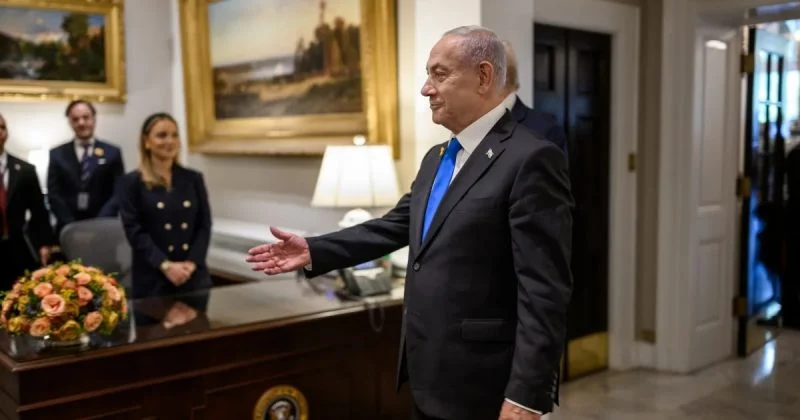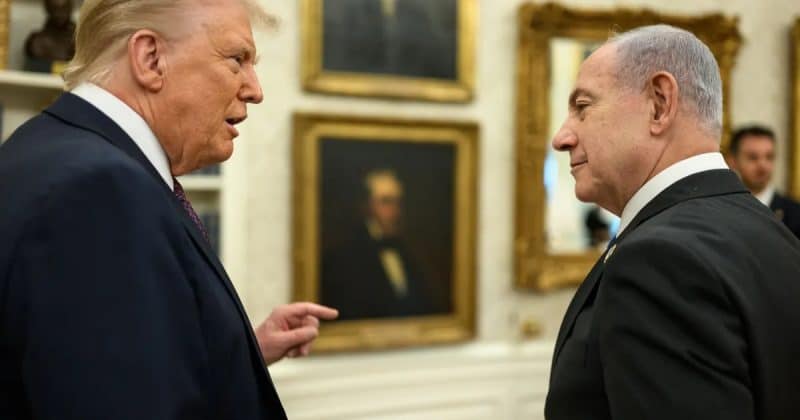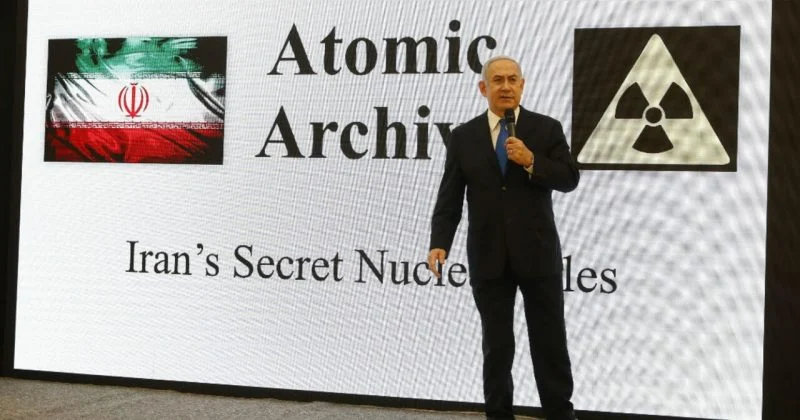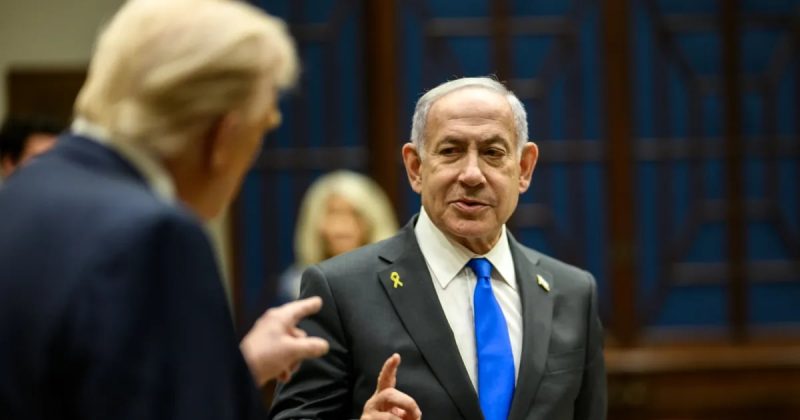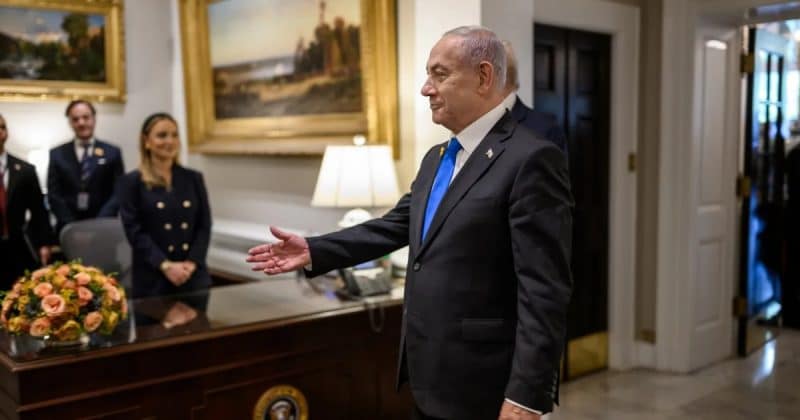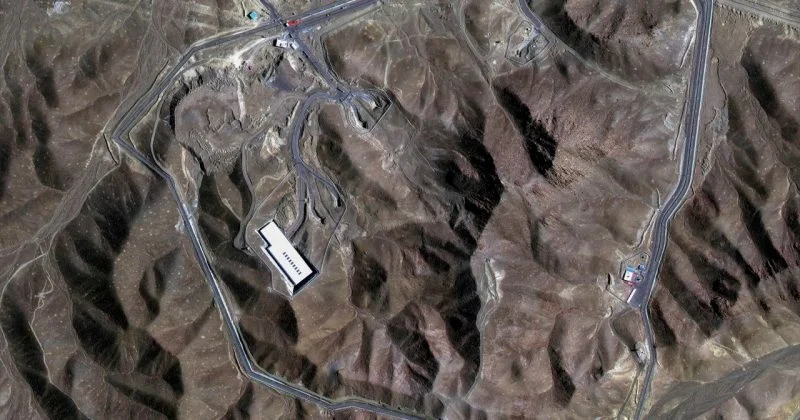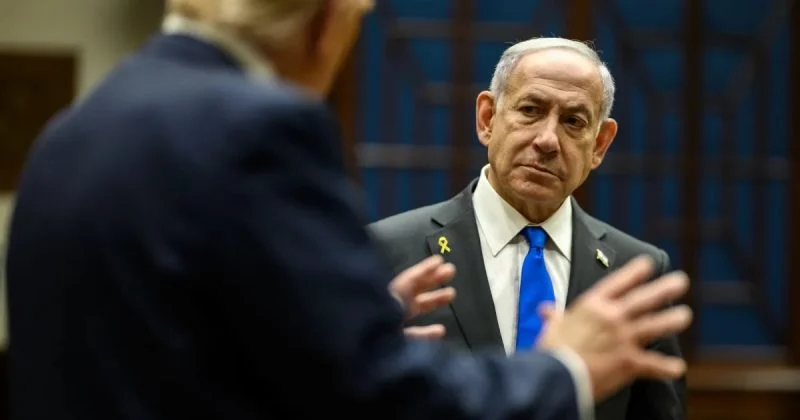
Israeli Prime Minister Benjamin Netanyahu’s recent visit to the Shimon Peres Negev Nuclear Research Center has raised alarms about potential military escalation in the Middle East. The visit, coupled with recent geopolitical developments, suggests increased tensions between Israel and Iran. This comes as a ceasefire between Saudi Arabia and Yemen’s Houthi rebels collapses, further heightening regional instability. Analysts suggest that Netanyahu’s actions could indicate a shift towards more direct confrontations, impacting ongoing diplomatic efforts, particularly relating to the US-Iran nuclear deal.
In the context of the prediction markets, these developments appear to have influenced sentiment regarding the likelihood of a US-Iran nuclear agreement. The probability of a US-Iran deal being finalized by August 13, 2026, has dropped to a mere 1.6% from previous levels, reflecting increased pessimism among market participants. This pricing suggests skepticism about diplomatic resolutions amid growing military postures.
Markets are currently reflecting a significant decrease in confidence regarding the inclusion of key terms in any potential US-Iran deal. The probability of Iran Reconstruction Funding being part of such a deal is priced at 26%, with other related terms showing similarly low expectations. These figures underscore the impact of heightened geopolitical tensions on the prospects of reaching a comprehensive agreement.