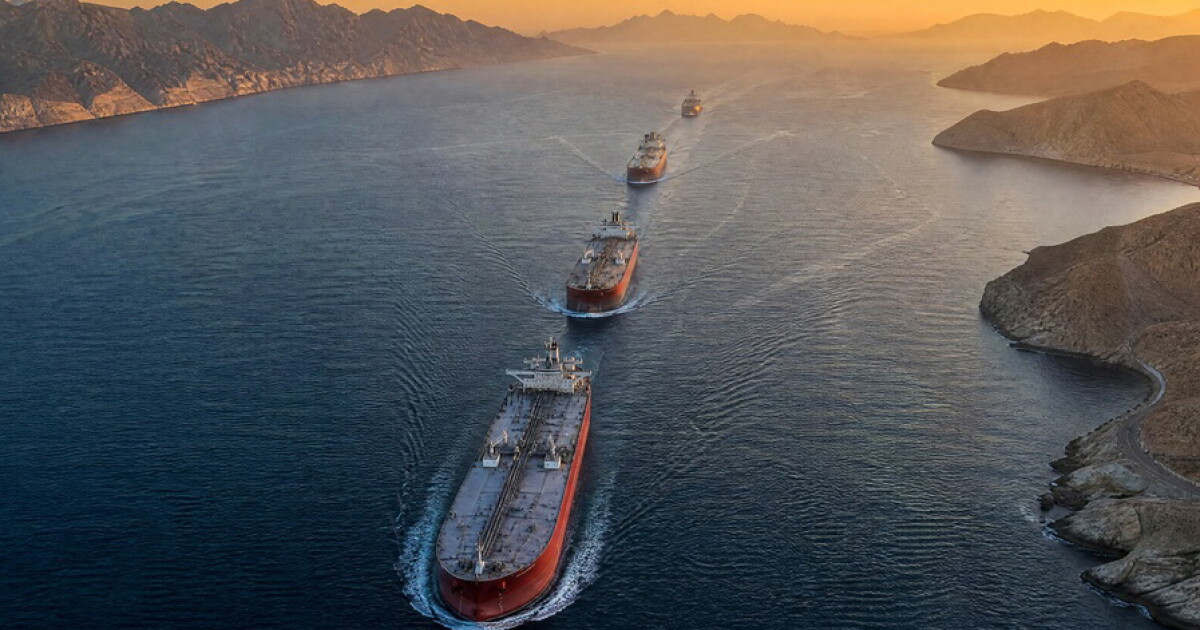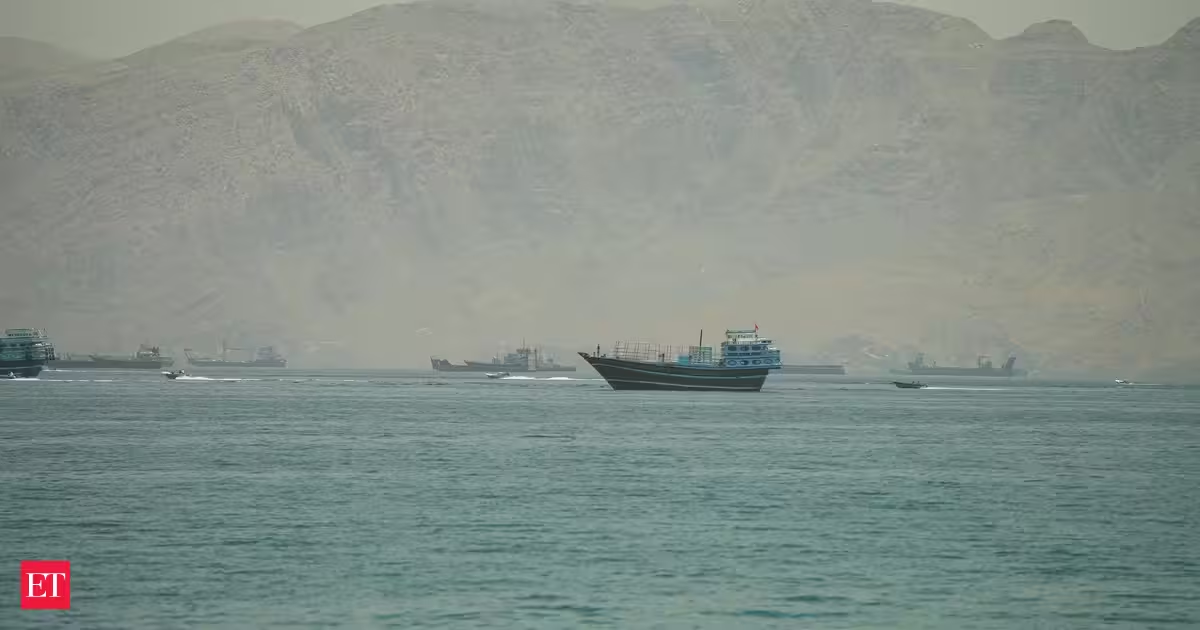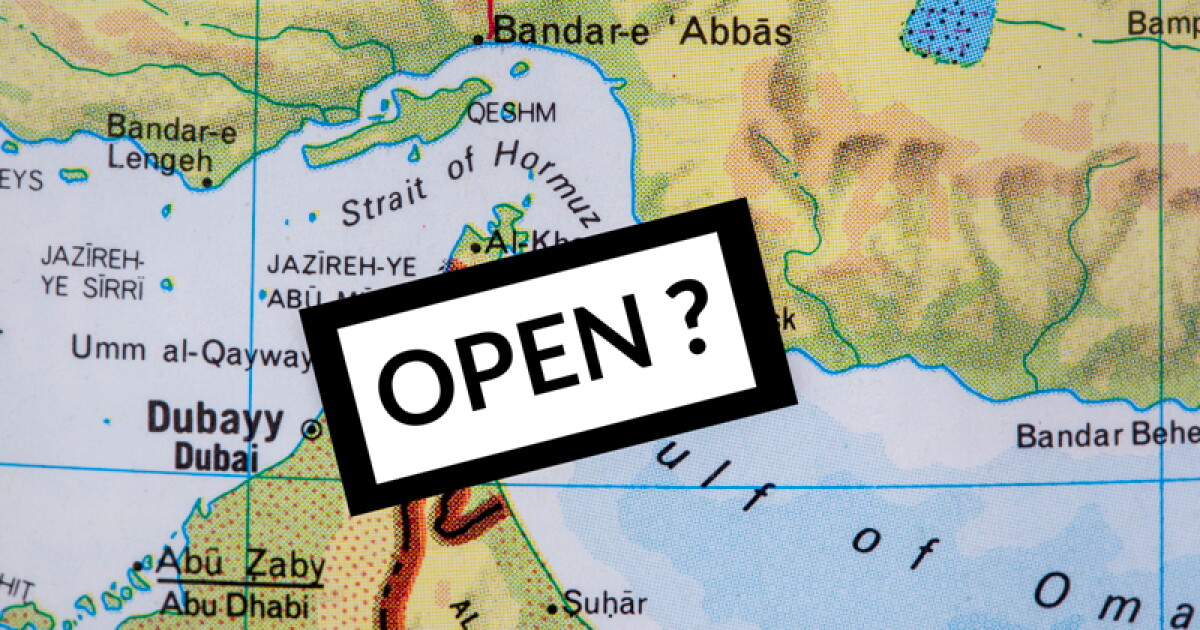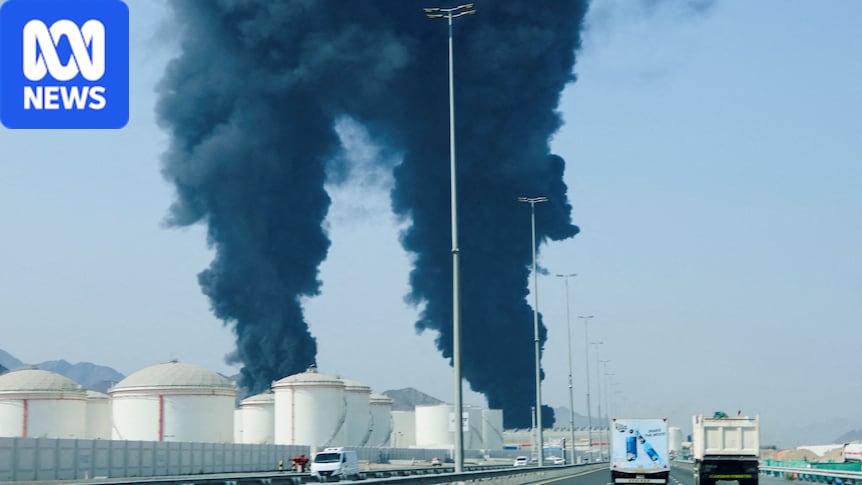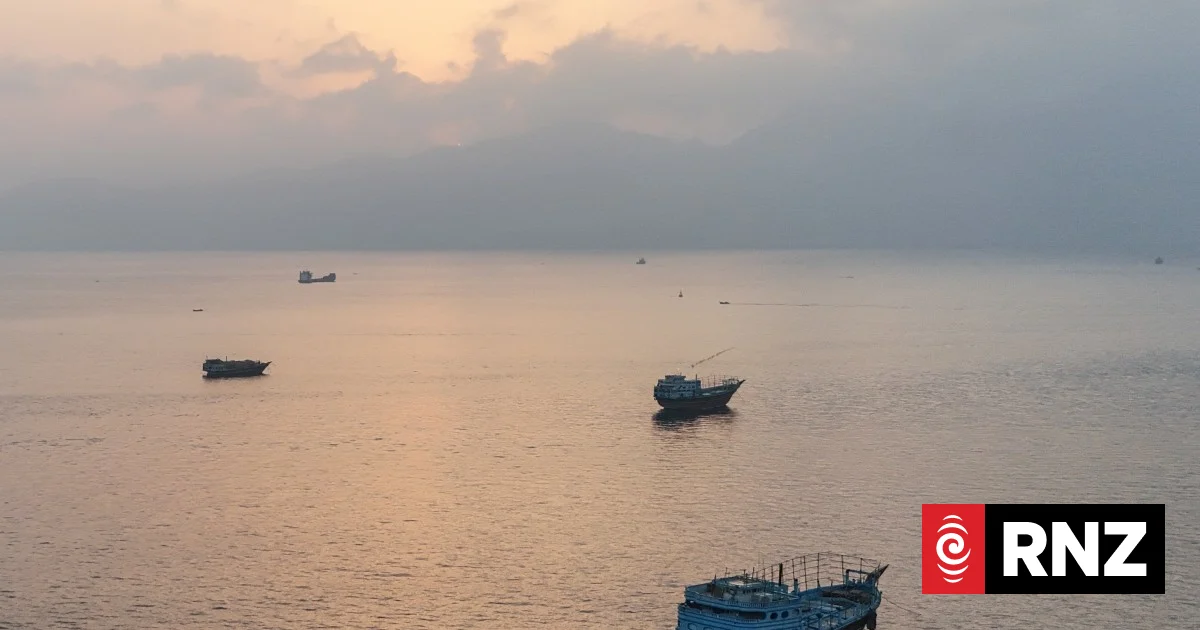
The Mideast Gulf is once again in the grip of kinetic conflict following Iran's attacks on commercial vessels last week and retaliatory US strikes. The memorandum of understanding (MOU) signed in mid-June to stop hostilities and reopen the Strait of Hormuz for transit appears to have fully collapsed, with tanker traffic again at a virtual standstill and a US blockade on Iranian ports back in effect. Global markets managed to weather months of unprecedented supply disruptions earlier in the conflict far better than expected, largely thanks to massive reductions in Chinese oil and LNG imports. But the risk of more acute distress rises as the new phase of the conflict takes shape, given diminished global inventories and the prospect of hostilities spreading to the Red Sea. Trans-Hormuz shipping remained below pre-conflict levels but recovered significantly in June, particularly after the US-Iran MOU took effect on Jun. 18, ship-tracking data shows. Operators were able to clear stranded oil and LNG tankers, as regional suppliers increased loadings. Crude and condensate exports through the strait averaged about 7 million barrels per day in June, led by the UAE and Kuwait, according to an Energy Intelligence analysis of shipping data; that includes some 10 million b/d after Jun. 18 versus around 4 million b/d pre-MOU. But renewed violence in the last two weeks looks to upend that progress. The US and Iran have engaged in a renewed cycle of strikes and counterstrikes, with both parties signaling they no longer consider themselves bound by the MOU. Iran has declared the strait closed "until further notice," and has attacked about a half-dozen commercial vessels, including two UAE-linked tankers. The impact on tanker traffic has been immediate: Data from ship tracker Kpler shows just six crude and condensate tankers crossed the strait Jul. 12-16, with none since Jul. 14. An average of three to four such tankers crossed daily Jul. 5-11. The conflict appears to be "fully back," says one shipping industry source.
Can Oil Supply Buffers Withstand Another Hormuz Closure?
With the Mideast conflict again turning kinetic, markets will have to manage without the inventory cushion that helped weather the initial supply squeeze.
326 words~1 min read