HomeAI · summaries
Storia in 4 fonti
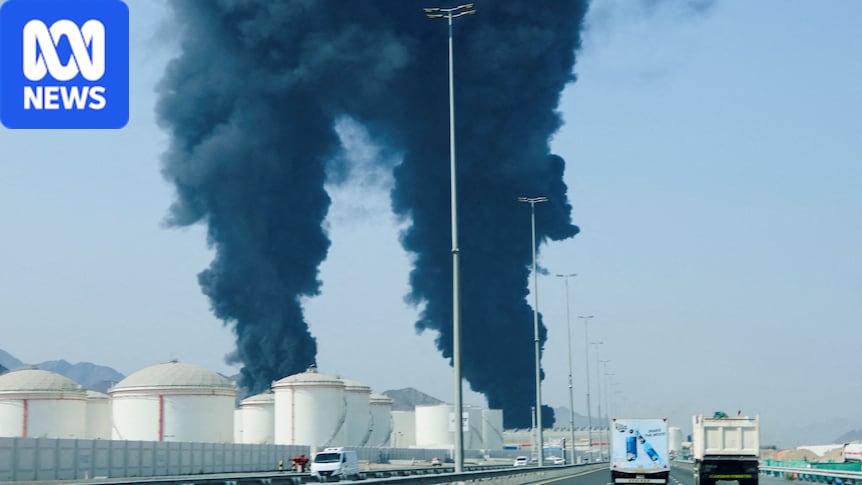
Can Oil Supply Buffers Withstand Another Hormuz Closure?
With the Mideast conflict again turning kinetic, markets will have to manage without the inventory cushion that helped weather the initial supply squeeze.
Confronto fonti
4 prospettive sulla stessa storiaTimeline cronologica
- ·
economictimes.indiatimes.com

Oil traders call Trump's Hormuz bluff at their peril
Iran and the U.S. have announced rival blockades of the Strait of Hormuz. This action cripples an already fragile ceasefire deal between the two nations. Global oil reserves have…
- ·
energyintel.com

Strategic Oil Stocks Back in Focus as Hormuz Disruptions Persist
While inventories are not at critical levels, another prolonged disruption of supply through the Strait of Hormuz could change that within months.